In preparation for the next Respiratory Syncytial Virus (RSV) season, which generally begins in Florida , the U.S. Food and Drug Administration (FDA) recently expanded the age range for Arexvy , an approved vaccine. This GSK... READ →
Destination
Florida Travel Vaccines March 2026
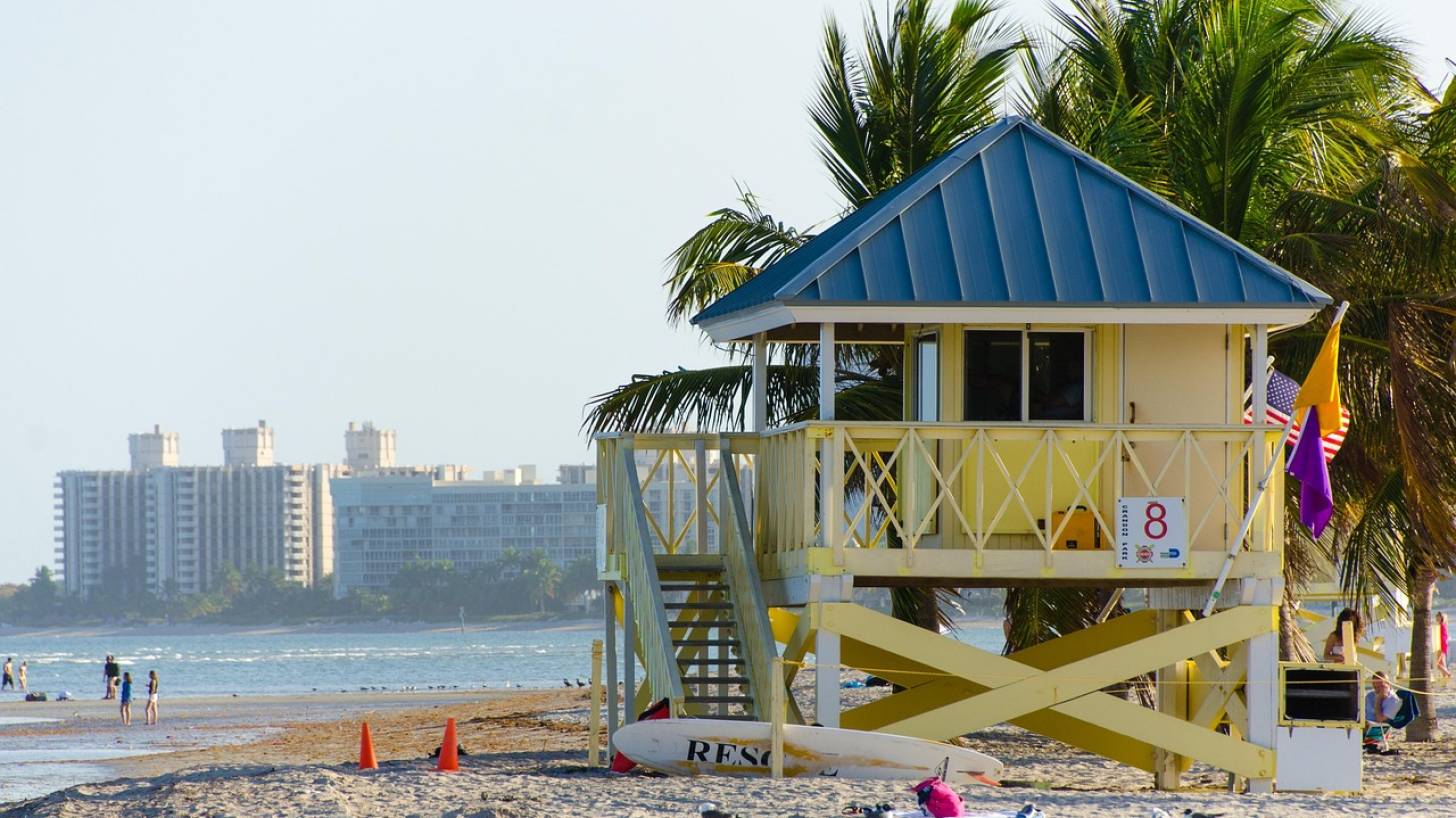
Florida disease outbreaks in March 2026 include chikungunya, dengue, malaria, west nile virus.
Florida Travel Vaccines March 2026
The Florida Department of Health (FDH) updated its Vaccine-Preventable Diseases Surveillance Report in 2026, stating that although vaccinated individuals can still contract diseases, immunized individuals generally have less severe outcomes than those who have never been vaccinated. FDH published its Arbovirus Surveillance update #7 on February 21, 2026, covering mosquito-borne diseases including Eastern equine encephalitis, Japanese encephalitis, Chikungunya, Dengue, Malaria, California encephalitis group viruses (CEV), Yellow fever, West Nile virus, and Rift Valley fever.
Florida Mosquito Advisories
During 2025, Duval, Hernando, and Leon counties are under a mosquito-borne illness advisory. Brevard and Miami-Dade counties were under a mosquito-borne illness alert. During 2025, Alachua, Bay, Clay, Duval, Hillsborough, Lafayette, Leon, Pasco, and Pinellas counties were under a mosquito-borne illness advisory. Brevard, Escambia, and Miami-Dade Counties remain under a mosquito-borne illness alert scheduled to expire in December 2025. In May 2025, Broward County launched a mosquito-reducing initiative.
Florida Travel Vaccination Requirements
As of March 2026, the U.S. Centers for Disease Control and Prevention (CDC), Canada, and the United Kingdom have not issued vaccination requirements for visiting Florida. Additionally, the U.S. Department of State and the U.S. Transportation Security Administration (TSA) have not issued travel advisories for visiting Florida in 2026.
Florida Disease Outbreaks March 2026
Chikungunya - 21 cases of travel-related chikungunya fever were reported among persons who had traveled internationally in 2026. During January 2026, one case of locally acquired chikungunya fever was reported in Miami-Dade County with onset in December 2025. As of December 2025, 328 travel-related chikungunya cases have been confirmed in Broward, Collier, Lake, Miami-Dade, Palm Beach, and Seminole. Countries of origin were Bangladesh, Bolivia, Brazil, Cuba (300), India, Indonesia, and Sri Lanka. In 2024, 11 cases of chikungunya onset were reported among individuals with travel history to Brazil (5), India (5), and Pakistan. Four travel-related Chikungunya cases were reported in 2023, and one in 2022. Florida providers have limited access to diagnostic tests for the Chikungunya virus, which are often mistaken for Dengue fever infections. In 2026, US-FDA-approved Chikungunya vaccines will be offered at travel clinics in Florida.
Chagas Disease - Researchers from the University of Florida's Emerging Pathogens Institute and Texas A&M University have discovered that local kissing bugs harbor the parasite that causes Chagas disease, demonstrating that this rare, chronic disease is present in 23 Florida counties, particularly in northern and central Florida. As of July 7, 2025, this study suggests that the environment in the southeastern United States is conducive to the autochthonous transmission of Chagas disease, or that the human risk of T. cruzi infection is possible.
Dengue Fever - 14 cases of Dengue were reported in 2026 in persons who had international travel. In 2025, 429 cases of Dengue fever were reported among individuals who had traveled internationally, with 311 cases among travelers from Cuba and 21 from Puerto Rico. Additionally, in 2025, 62 locally acquired Dengue cases were reported in Hillsborough, Miami-Dade (25), Pasco, and Brevard (35) counties. As of December 2024, 1,016 travel-associated Dengue cases had been reported, primarily among travelers from Brazil, Cuba (567), and Puerto Rico. In 2024, 91 locally acquired Dengue cases were reported from ten counties (Miami-Dade (50), Hillsborough (Tampa), Manatee, Monroe, Orange, Pasco (13), and Broward. Most Dengue cases are serotyped as DENV-3 and DENV-4. In 2023, 609 travel-associated Dengue cases were reported, and 186 people contracted Dengue locally in Florida.
Leprosy - Florida reports the most cases of leprosy (Hansen's disease) in the U.S., with the majority typically occurring in Brevard County, which accounted for 13% of the nation's 159 leprosy cases in 2020. According to the Florida Department of Health, 36 cases of leprosy were reported in 2025. There are no U.S. FDA vaccines for leprosy. However, BCG vaccination offers some protection against the disease.
Malaria - In 2026, six malaria cases were reported in individuals with travel history to a malaria-endemic area such as Nigeria. In 2025, 49 travel-related malaria cases were confirmed in Florida, 20 of which were associated with travel to Nigeria. In 2024, 72 cases of travel-related malaria were reported in individuals with a history of visiting malaria-endemic areas, such as Africa (Nigeria) and Central and South America. In 2023, seven locally acquired malaria cases were reported near Sarasota, along with 78 malaria cases related to travel. The U.S. CDC published a report on September 8, 2023, titled "Outbreak of Locally Acquired Mosquito-Transmitted Malaria," which identified cases in Sarasota and Palm Beach.
Measles: Ave Maria University in Collier County, Florida, reported in February 2026 that at least 20 students had contracted the highly contagious viral infection. The Florida Department of Health in Broward County confirmed about 10 measles cases in early 2024.
Mpox - Since the beginning of 2024, Florida has identified 184 mpox cases across 12 counties. In 2023, the CDC reported 75 clade II mpox cases in Florida. The JYNNEOS vaccine is offered in Florida at clinics and pharmacies.
Oropouche Fever - Oropouche cases were reported among travelers from Cuba. As of December 2024, 103 cases of Oropouche fever had been reported in individuals who had traveled to an endemic area, such as Cuba. The Florida counties reporting cases were Broward, Duval, Hillsborough, Lee, Miami-Dade (61), Orange, Palm Beach, Pasco, Polk, and Sarasota.
Rabies - The Florida Department of Health reported 56 animal rabies cases from January through June 30, 2025. Brevard County has reported the most cases with nine, followed by Alachua (7) and Orange (6) counties. In 2024, 110 animal rabies cases were reported, and in 2023, 65 cases were confirmed.
Respiratory Syncytial Virus - The Florida Department of Health confirmed RSV cases in most regions during 2024-2025. As of September 6, 2025, RSV detections have been confirmed along Florida's central, north, and southeast coasts.
Tetanus - In 2025, Florida reported eight cases across five counties: Charlotte (2), Martin (1), Palm Beach (2), Seminole (2), and Walton (1).
Vibrio vulnificus - Five people in Florida have died from an infection caused by the bacterium Vibrio vulnificus, commonly known as the "flesh-eating" bacterium, as of August 2025. Florida reported that fatalities had occurred in Hillsborough, Bay, Broward, and St. Johns counties. In 2024, Citrus, Hernando, Hillsborough, Lee, Pasco, Pinellas, and Sarasota Counties experienced an unusual increase in cases. Florida reported 82 cases and 19 fatalities. In 2023, 46 cases and 11 deaths were confirmed in Florida. Vibrio vulnificus is a naturally occurring bacterium found in warm, brackish seawater. As of July 2025, 11 infections in various countries have been reported this year from this waterborne and foodborne pathogen.
West Nile Virus - 11 human cases of WNV infection were reported in Clay, Duval, and Escambia counties in 2025. In 2024, eighteen human cases of WNV illness were reported in Florida. Seven positive samples were confirmed from seven humans in 2023. Six WNV-positive samples were collected from six humans in 2022. Ten human cases of West Nile virus (WNV) were reported in Florida in 2021.
Zika Fever - In 2025 and 2024, no cases of Zika fever were reported. Zika continues to be detected off Florida's east coast, in Puerto Rico, and other locations throughout the Americas, including Brazil.
Disease-Spreading Mosquito Prevention in Florida
The Florida Keys Mosquito Control-Oxitec Mosquito Project began in April 2021. assesses the effectiveness of Oxitec's Friendly™ Aedes aegypti mosquitoes as disease vectors. In the three pilot seasons, the Florida Keys Mosquito Control District and Oxitec have demonstrated that Oxitec's non-biting male Aedes aegypti mosquitoes can reduce the local abundance of the invasive Aedes aegypti mosquito, thereby reducing the risk of Dengue and malaria infections. These male mosquito releases followed the U.S. Environmental Protection Agency's approval in March 2022.
Last reviewed
March 2, 2026