Are The Bahamas a Safe and Healthy Spring Break Alternative to Mexico

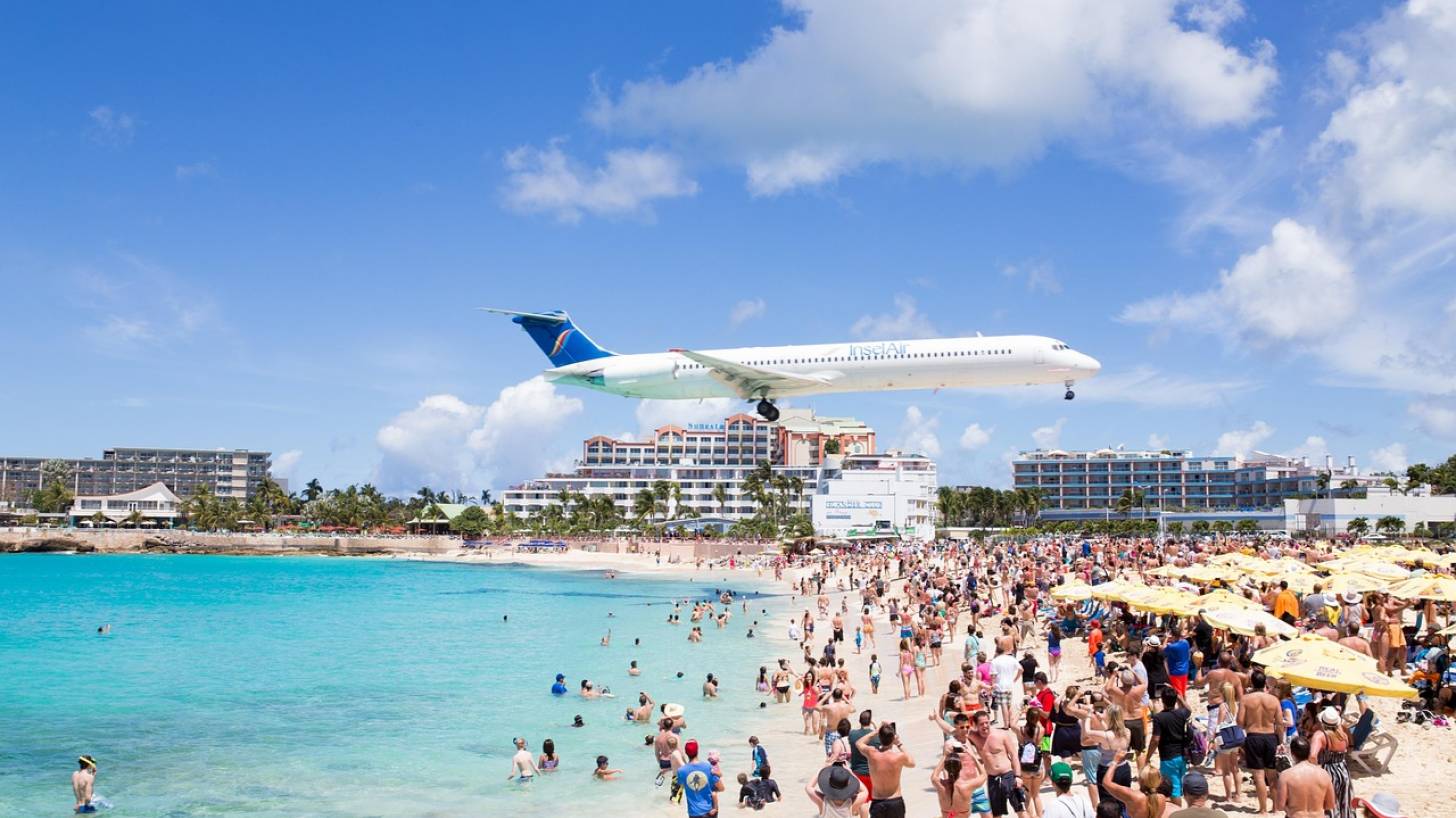
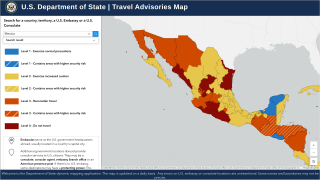
With thousands of Spring Break 2026 plans in Mexico in flux, many travelers are considering changing their destinations to the warm waters of the Caribbean.
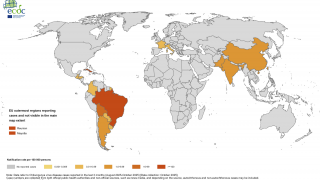
Caribbean locations, such as the Bahamas, attract millions of vacationers each year. However, concerns are growing regarding the possibility that these islands may be underreporting cases of mosquito-borne diseases like dengue and chikungunya.
Aedes mosquitoes thrive in the Bahamian climate, meaning that health risks associated with these diseases persist year-round.
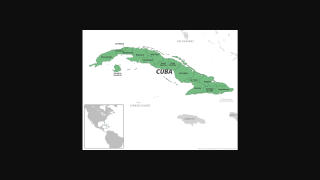
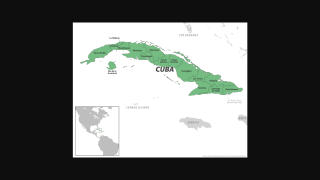
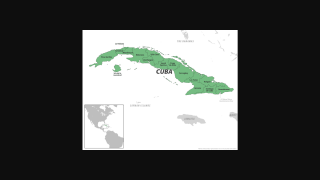
Geographically located between Florida and Cuba—both of which reported significant disease cases in 2025 and 2026—the Bahamas' proximity raises questions about the potential for virus transmission.
With over 700 islands, the Bahamas' economy relies heavily on tourism, which could incentivize minimal public disclosure of health risks to avoid deterring visitors.
Over the years, travelers returning home from the Bahamas have often reported "flu-like" symptoms. They may unknowingly carry these viruses, mistaking severe joint pain and fever for a common cold. This underreporting of diseases creates challenges for healthcare providers.
As of February 27, 2026, official data from the Pan American Health Organization (PAHO) and the Centers for Disease Control and Prevention (CDC) show no major disease outbreaks in the Bahamas. The PAHO has highlighted regional underreporting, which could stem from low disease transmission levels or gaps in surveillance.
As an example, historical chikungunya surges occurred in the Bahamas in 2014-2015, with 798 reported cases.
The archipelago shares Aedes mosquito vectors with Cuba, which reported over 51,000 chikungunya cases and 46 related deaths in 2025, with virus transmission persisting into early 2026.
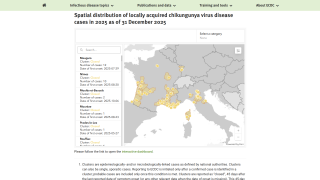
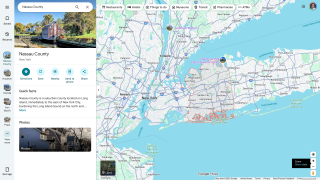
In the United States, Florida reported 431 travel-associated dengue cases and 370 chikungunya cases in 2025, predominantly linked to Cuba.
Additionally, the CDC classifies the Bahamas as having a "frequent or continuous" dengue risk.
In early 2026, a single dengue case was traced to a traveler returning from the Bahamas to Florida, hinting at undetected local activity. There is currently no widely available dengue vaccine for U.S. travelers without prior exposure, such as in Puerto Rico, making the use of mosquito repellents, long sleeves and pants, and air-conditioned accommodations essential.
Travelers should also consider the safety of these islands for vacationing in March 2026.
The U.S. Department of State has issued a Level 2 advisory for the Bahamas, advising to "Exercise Increased Caution" due to risks of robberies, burglaries, and sexual assaults. This civil unrest is most prevalent in Nassau (New Providence Island) and Freeport (Grand Bahama Island).
The "Over the Hill" area in Nassau, located south of Shirley Street, has been highlighted by the State Department as particularly risky due to gang activity. Additionally, vacation rental properties without private security are identified as vulnerable.
The State Department advisory emphasizes risks associated with water-based activities: commercial recreational watercraft, including jet skis and boating tours, are often not consistently regulated, poorly maintained, and lack safety certifications. Vacationers are advised to avoid unlicensed fishing charters, as operating without a Bahamian license can lead to legal issues.
Precautions include staying in well-secured accommodations, avoiding isolated areas at night, and informing others of travel plans.
While these concerns are not related to mosquito-borne diseases, they highlight the need for comprehensive trip planning, including health precautions such as vaccinations.
By assuming underreporting and prioritizing prevention, travelers can enjoy the Bahamas' beaches without the hidden dangers of these viruses.
For the latest updates, consult PAHO and CDC resources before booking your next getaway to the Bahamas. Additionally, speak with a local travel vaccination expert about immunization options such as the U.S. FDA-approved chikungunya vaccine.
Our Trust Standards: Medical Advisory Committee