Bolivia's Chikungunya East/Central/South African Genotype Outbreak Highlights Vaccination Options
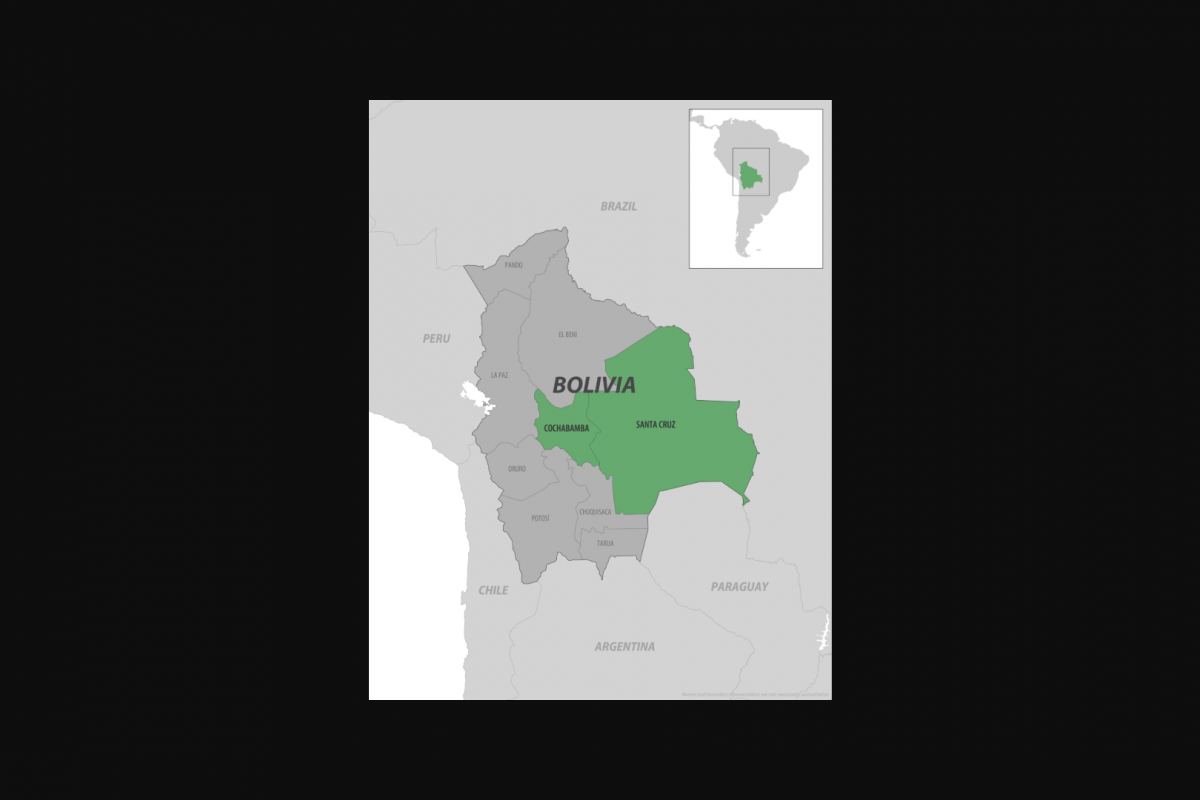
Bolivia is currently experiencing a significant rise in chikungunya cases, mainly driven by intense transmission in the Santa Cruz department.
This increase is part of a broader resurgence of the mosquito-borne virus across various regions of the Americas, as noted in an epidemiological alert issued by the Pan American Health Organization (PAHO) on February 26, 2026.
The outbreak in Bolivia has been linked to the identification of the East/Central/South African genotype of the virus.
According to the latest data from PAHO, Bolivia has recorded 5,518 chikungunya cases, including 3,976 confirmed cases. This represents a rapid increase over the past few days.
The department of Santa Cruz, in eastern Bolivia, has become the epicenter of this outbreak, with nearly 1,000 new cases, cumulative figures exceeding 3,000, and at least three cases documented there.
Other affected departments include Cochabamba (central Bolivia) and smaller numbers in Tarija, Beni, Chuquisaca, Pando, and others, indicating that outbreaks have recently spread across seven of Bolivia's nine departments.
In comparison, Bolivia reported 4,696 confirmed chikungunya cases and four deaths throughout the entirety of 2025. While fatalities are rare, the disease can lead to prolonged joint issues, particularly in vulnerable groups.
This rapid rise in cases has raised health concerns for the 1 million-plus visitors expected to arrive in Blovia this year.
The PAHO currently advises no travel restrictions for Bolivia.
The U.S. Centers for Disease Control and Prevention (CDC) issued a Level 2 – Practice Enhanced Precautions Travel Health Notice for chikungunya in Bolivia on February 11, 2026, specifically highlighting outbreaks in the Santa Cruz and Cochabamba departments.
The CDC suggests consulting a travel health provider about vaccination options before visiting and seeking medical care promptly if symptoms appear during or after travel, as the virus can cause long-term effects.
Our Trust Standards: Medical Advisory Committee