India's Chikungunya Outbreaks Could Be Under-Reported

India is a tropical country undergoing rapid urbanization, making it one of the most affected regions for vector-borne diseases, including Chikungunya Fever.
Epidemics of Chikungunya have been reported since 1963 and continue to occur, with the most recent outbreak recorded in 2025, particularly in the states of Maharashtra and Karnataka.
As of July 14, 2025, India's National Center for Vector-Borne Diseases Control had reported a total of 30,876 Chikungunya cases this year.
However, according to local news reports, the number of Chikungunya cases in India may be underreported as the rainy season approaches due to issues with diagnostic testing.
Blood tests diagnose Chikungunya. However, since the clinical appearance of both Chikungunya and Dengue is similar, laboratory confirmation is crucial, especially in areas where Dengue is prevalent.
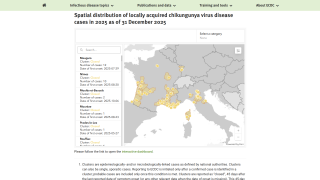
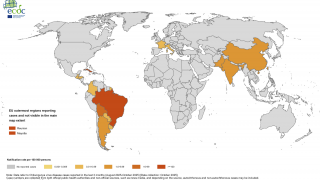
Furthermore, the U.S. CDC says laboratory testing practices for Chikungunya vary significantly among the 100 countries reporting cases.
In Bhopal, the capital city of the Indian state of Madhya Pradesh, a higher positivity rate for Chikungunya was recently detected at 7.02% compared to Dengue's 2.47% in July 2025.
In 2024, Bhopal reported a 16% positivity rate for Chikungunya.
Since millions of international travelers visit India each year, various health agencies have issued vaccination recommendations.
To prevent infections, the CDC recommends that Chikungunya vaccination may be considered for individuals traveling to or moving to India, particularly if they plan to stay for an extended period.
When departing from the United States for India, travel vaccine clinics and pharmacies offer Chikungunya vaccination services for a fee.
Our Trust Standards: Medical Advisory Committee