Cancer Vaccine Breaking News

Cancer vaccine breaking news brought to you by Vax Before Cancer.

Nov 3, 2025 • 8:31 am CST
by Bojan Vuksanovic

Since its first approval in Indonesia in 2022, Japan-based Takeda's QDENGA® dengue vaccine has been authorized in 41 countries and distributed in 11 dengue-endemic countries to help reduce the global threat posed by this mosquito-transmitted disease.

Today, Takeda announced very positive vaccine efficacy data.

On November 3, 2025, the company announced the completion of the 7-year pivotal Phase 3 Tetravalent Immunization against Dengue Efficacy Study (TIDES) trial evaluating QDENGA. These data, including an exploratory analysis of a booster dose, confirm the favorable benefit-to-risk profile of QDENGA and that the two-dose regimen provides sustained protection against dengue.

This data is consistent with its approved indications in multiple countries worldwide, which could simplify vaccination schedules and increase adherence.

"QDENGA is the most comprehensively studied dengue vaccine, with more than 60,000 participants globally in the clinical program, and these long-term data highlight the durability of its safety and efficacy profile, across diverse populations worldwide," commented Derek Wallace, M.D., president of the Global Vaccine Business Unit at Takeda, in a press release.

"We are proud to have worked hand-in-hand with the clinical trial participants, collaborators, and investigators whose contributions have been integral to the success of the TIDES trial and played a role in helping us move closer to a dengue-free world."

Takeda stated it continues to invest in post-marketing research through real-world evidence generation and ongoing pharmacovigilance to deepen understanding of the vaccine's safety and impact.

Obtaining access to this market-leading vaccine is essential for states such as Florida, which has reported 53 locally acquired dengue cases in Brevard, Hillsborough, Miami-Dade, and Pasco counties in 2025. 

As of today, QDENGA is unavailable in the United States.

Nov 3, 2025 • 7:23 am CST
by Pete Linforth

According to the World Health Organization, mpox outbreaks remain a global health risk. Since mpox is a vaccine-preventable disease, access to the approved vaccine is essential.

To address this need, Bavarian Nordic A/S, a global vaccine company, recently issued the following clarification regarding the Health Emergency Preparedness and Response Authority (HERA) framework agreement.

The initial order for 750,000 doses of the MVA-BN (JYNNEOS) smallpox/mpox vaccine announced on October 31, 2025, will be delivered in 2026 and is the result of a new joint procurement contract by the European Commission through HERA.

This represents the second order received in 2025, following the earlier award of a contract option from the U. S. Biomedical Advanced Research and Development Authority in the U.S. Department of Health and Human Services, announced in May.

Bavarian Nordic anticipates additional orders for MVA-BN over the course of the following year.

As of November 3, 2025, in the United States, the JYNNEOS vaccine is commercailly available at various health clinics and pharmacies.


Nov 2, 2025 • 8:03 am CST
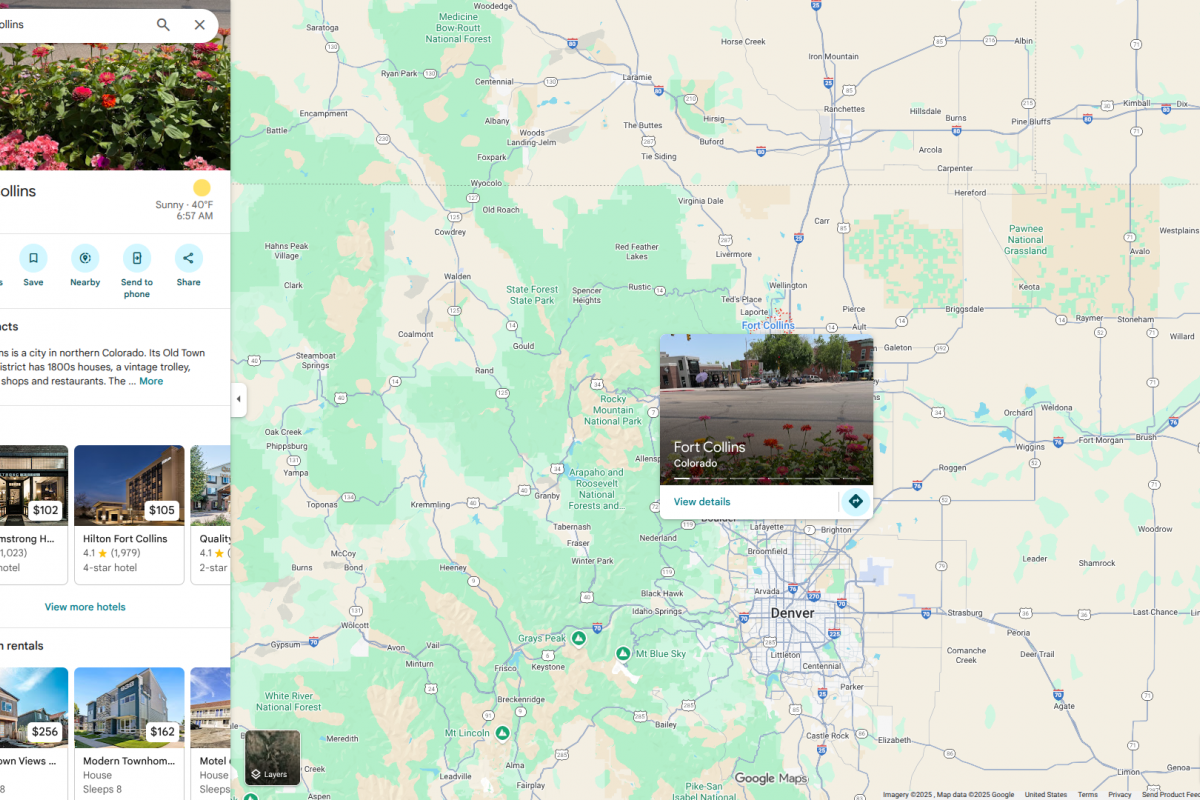
Google Maps November 2025

The Public and Environmental Health Office at Colorado State University (CSU) has reported an unusual increase in pertussis cases this semester, with 14 confirmed cases in the fall 2025 semester.

According to a CSU media statement on October 30, 2025, pertussis, known as whooping cough, is a highly contagious bacterial infection that spreads through respiratory droplets when an infected person coughs or sneezes.

CSU students are encouraged to contact the Health Network's Immunizations Department to verify whether they are up to date with their TDAP vaccine. The health department emphasizes that vaccination is the best defense against this infection.

Located in Fort Collins, 65 miles north of Denver, a community of about 1 million, CSU has an enrollment of 33,000.

In Colorado, the TDAP vaccine is recommended by the Health Department for most students and residents.


Nov 2, 2025 • 7:40 am CST
Epidemiological data in Italy November 2025

Chikungunya is a viral disease transmitted to humans through infected mosquitoes. The first known outbreak occurred in 1952. In the past year, 100 countries have reported chikungunya outbreaks to the the European Center for Disease Prevention and Control (ECDC).

In Italy, the National Institute of Health has reported 419 chikungunya cases in 2025, with approximately 370 confirmed as locally transmitted, primarily in the northern region of the country.

According to ECDC's Week 44 report on October 29, 2025, the largest cluster of cases is located in Carpi, San Prospero, Soliera, Novellara, Cavezzo, Modena, Nonantola, Correggio, Novi di Modena, and Cesenatico.

In the United States, the CDC says locally acquired chikungunya cases have not been reported since 2019.

However, as of late November 2025, the CDC confirmed 19 travel-related cases in states such as Florida, several of which were linked to visitors from Cuba.

The CDC currently recommends that international travelers visiting outbreak areas speak with a travel vaccine provider about immunization options. Approved chikungunya vaccines will be available at clinics and pharmacies in November 2025.


Nov 2, 2025 • 5:16 am CST
Pixabay 2025

A recent Oxford University-led study demonstrated that an oral live-attenuated vaccine, CVD 1902,  provided significant protection against S. Paratyphi A infection in adults, without any safety concerns.

This phase 2b study is essential as enteric fever, caused by Salmonella Typhi and Salmonella Paratyphi, leads to more than 100,000 deaths and over 8 million disability-adjusted life years each year. Around 30% of cases —over 2 million annually —are caused by S. Paratyphi A, for which no vaccine is currently available.

According to the U.S. CDC, most people in the United States with these illnesses (Typhoid fever and paratyphoid fever) are infected while traveling internationally.

Professor Sir Andrew Pollard, Director of the Oxford Vaccine Group and co-senior author, commented in a press release on October 30, 2025, "We are in a constant fight against bacterial infections, like paratyphoid, that threaten the lives of children in some of the most resource-poor regions of the world."

"This study provides hope that this important disease could be controlled by vaccination if the same effects can be obtained in real-life conditions in those communities."

The research was funded by the UK Medical Research Council and the National Institute for Health and Care Research (NIHR) Oxford Biomedical Research Centre, with collaboration from Bharat Biotech International Ltd. and the University of Maryland, where the vaccine was originally engineered.

The paper, "Safety, Efficacy, and Immunogenicity of a Salmonella Paratyphi A Vaccine," by McCann et al., was published in The New England Journal of Medicine.

Nov 2, 2025 • 4:34 am CST
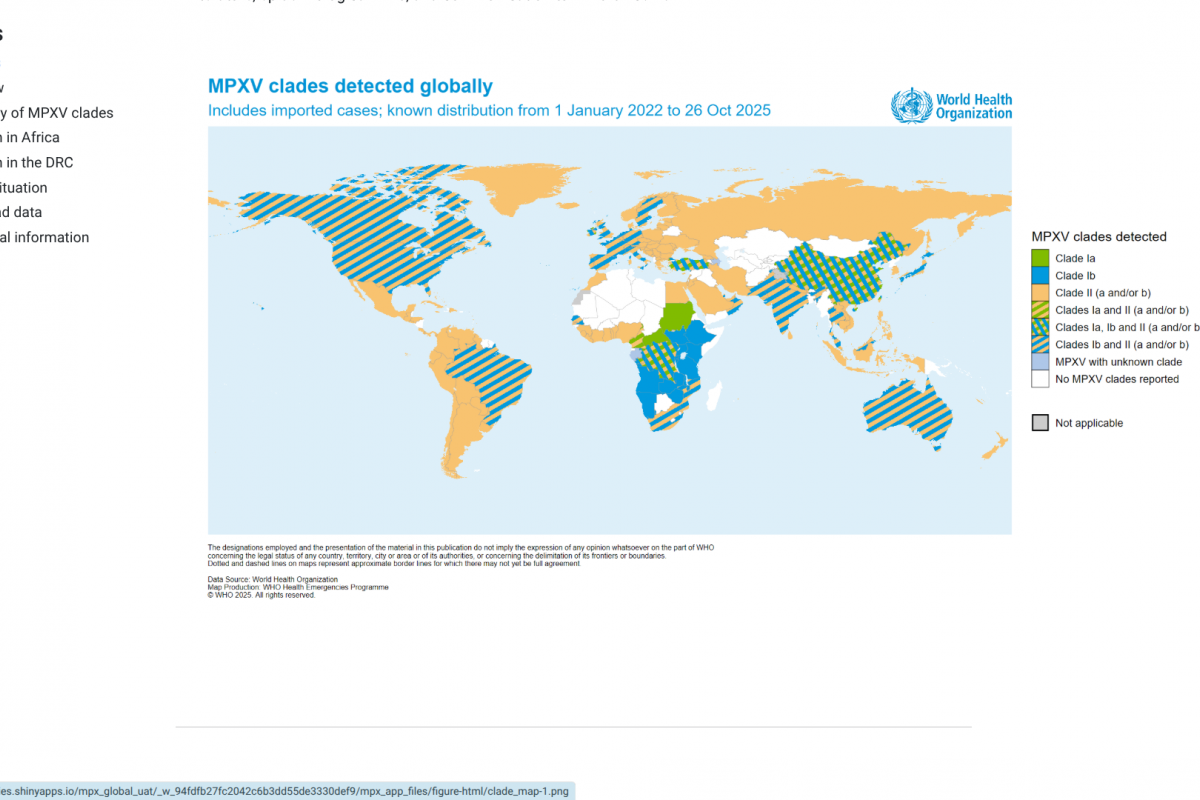
WHO November 2025

The World Health Organization (WHO) recently published the 59th situation report for the multi-country outbreak of mpox, which provides details on the global epidemiological situation for mpox.

As of November 2, 2025, the WHO stated all clades of the monkeypox virus (MPXV) continue to circulate across all regions.

In September 2025, 42 countries reported a total of 3,135 confirmed cases, including 12 related fatalities.

More than 80% of these cases were reported in the African Region.

The WHO wrote, 'In light of expanding community transmission of clade Ib MPXV and its detection among men who have sex with men, WHO currently assesses the public health risk as moderate for men who have sex with men and low for the general population in contexts outside historically endemic areas.'

From a prevention perspective, More than 684,000 doses of MVA-BN (JYNNEOS) and 118,000 doses of LC16 have been administered in the Democratic Republic of the Congo, which accounts for more than 61% of people vaccinated in African countries.

Other countries that recently reported mpox are developing national mpox vaccination plans and are encouraged to consider dose-sparing options of the MVA-BN vaccine.

Additional doses have been donated and procured, and partners continue to work together to support access to mpox vaccines and secure operational funds for implementation of national mpox vaccination plans.

In the United States, the JYNNEOS vaccine is offered at various health clinics and pharmacies and is recommended for at-risk individuals.

Nov 2, 2025 • 4:15 am CST
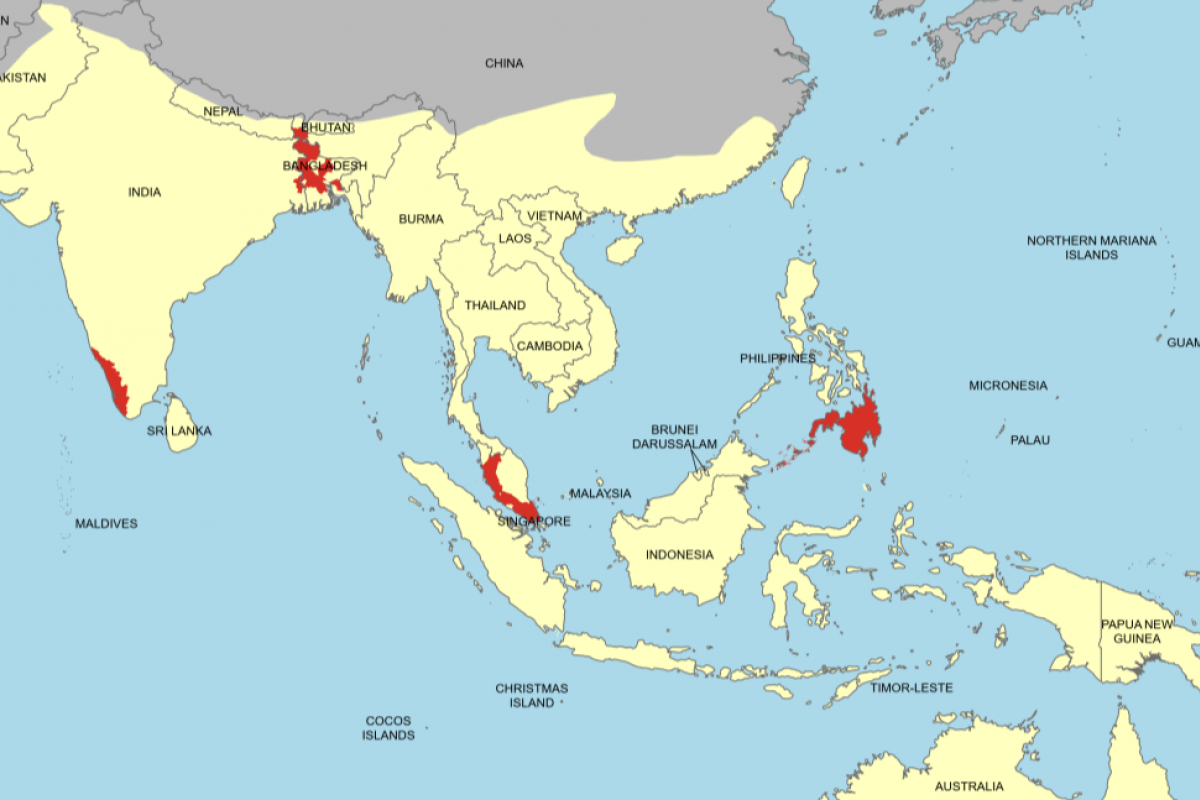
US CDC 2025

The Nipah virus, one of the world's deadliest viral pathogens, can lead to a variety of clinical outcomes in humans, ranging from asymptomatic infections to severe respiratory illnesses and fatal encephalitis, says the World Health Organization (WHO).

The WHO estimates its case fatality rate for this virus is between 40% and 75%.

During 2025, related fatalities were confirmed in Bangladesh and India. 

Unfortunately, no preventive vaccines are available for this virus that is transmitted to humans from bats or pigs as of November 2, 2025.

Recently, a new defense strategy against the Nipah virus has been developed in collaboration with the Coalition for Epidemic Preparedness Innovations (CEPI), the University of Oxford, and the Serum Institute of India Pvt Ltd., the world's largest vaccine manufacturer.

Their goal is to create the largest investigational-ready reserve of a Nipah virus vaccine candidate.

CEPI funding of up to $7.3 million will support SII for process development and manufacturing of the University of Oxford's ChAdOx1 NipahB vaccine candidate.

Dr. Umesh Shaligram, Executive Director, Serum Institute of India, commented in a press release in October 2025, "The collaboration with CEPI and the University of Oxford to develop and manufacture an investigational reserve of the ChAdOx-Nipah vaccine candidate marks a significant step forward in our pandemic preparedness efforts."

"Leveraging our proven manufacturing capabilities and past success with the ChAdOx platform, we are proud to help establish the world's largest investigational reserve against the Nipah virus—one of the deadliest pathogens known. Our aim is to ensure that life-saving doses reach those most in need, particularly across the Global South."

SII will manufacture doses for use in a Phase II clinical trial in a Nipah-affected country, and create an investigational reserve of up to 100,000 doses, which could be deployed under emergency use during a future Nipah virus outbreak, helping to generate critical data and potentially halt an epidemic in its tracks.

SII will supply the Phase II doses to the University of Oxford, which is conducting the clinical trials. These mid-stage trials are set to be the first Phase II trials for a Nipah virus vaccine candidate anywhere in the world.

Earlier in 2025, the CEPI and the U.S. Department of Defense launched a joint effort against Nipah virus treatment and prevention.

Oct 28, 2025 • 4:46 am CDT
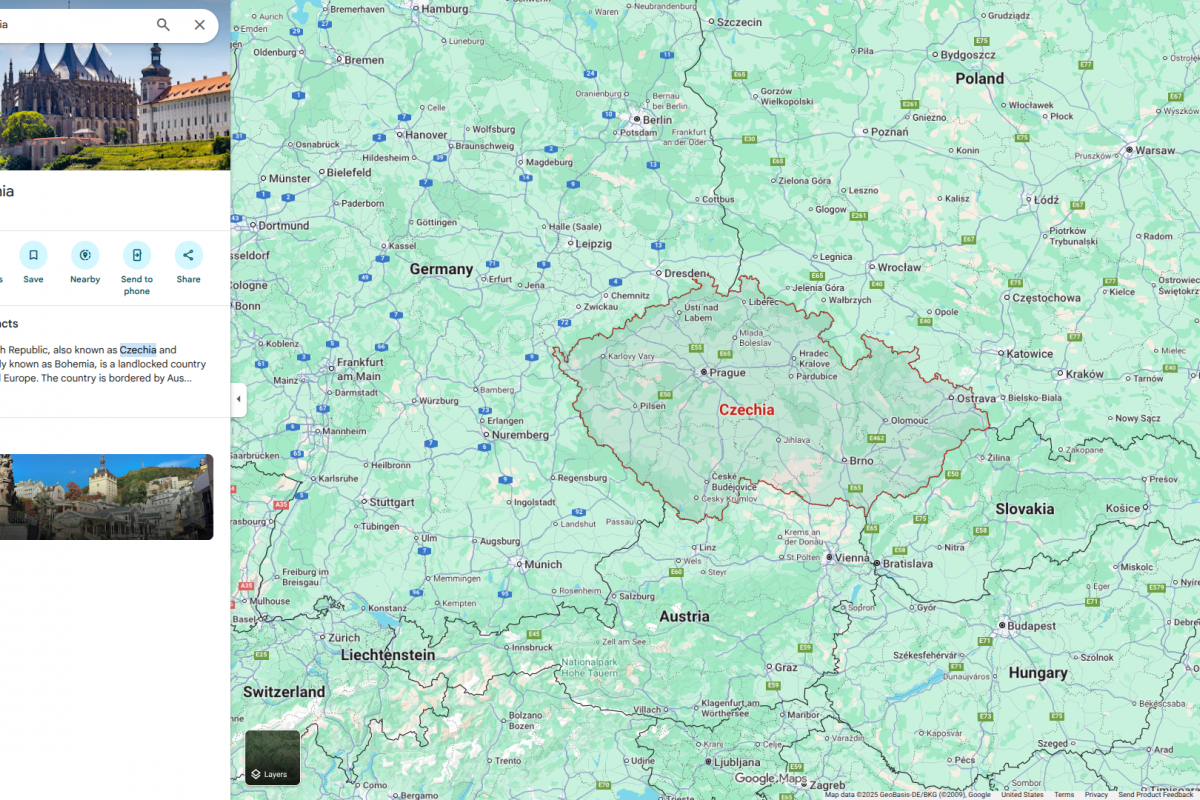
Google Maps 2025

The Czech Republic (Czechia) is currently experiencing what may be the largest hepatitis A epidemic in the last 46 years, as reported by Ivana Lesková from MF DNES.

Since the arrival of the virus from Slovakia in April 2024, the State Institute of Health has documented 2,141 cases of hepatitis A and 26 related fatalities, including ten in Prague.

As of October 28, 2025, the Institute of Health has noted a significant increase in demand for hepatitis A vaccinations.

This year alone, more than 127,000 doses have been administered—almost double the total from last year. Due to this surge in demand, there are currently shortages of the vaccine.

However, the State Institute for Drug Control has announced to the local media that extraordinary vaccine shipments are on their way to the Czech Republic.

This vaccine shortage extends the HepA risk to over 20 million international travelers who may visit Czechia this year.

Currently, the U.S. CDC recommends that unvaccinated travelers aged 1 year or older visiting Czechia in 2025 speak with a healthcare provider about immunization options. 

For international travelers who are allergic to a vaccine component, they should receive a single dose of immune globulin, which provides adequate protection for up to 2 months, depending on the dosage given.

Unvaccinated travelers who are over 40 years old, are immunocompromised, or have chronic medical conditions planning to depart for a risk area in less than 2 weeks should get the initial dose of vaccine and, at the same appointment, receive immune globulin, says the CDC.

Oct 27, 2025 • 2:53 pm CDT
PAHO October 2025

According to the Pan American Health Organization (PAHO) mosquito-transmitted disease dashboard, Mexico has reported over 109,771 dengue fever cases in 2025.

As of October 27, 2025, there have been 48 dengue-related fatalities confirmed this year.

Last year, Mexico reported 558,846 dengue cases and 478 related fatalities.

Specifically, during epidemiological week 39, 17 countries reported the circulation of dengue in the Region of the Americas: Brazil, Costa Rica, El Salvador, Mexico, and Panama. As of this week, the subregion exhibits a decrease of 77% compared to the same week in 2024

Several of these locations reported the the simultaneous circulation of DENV-1, DENV-2, DENV-3, and DENV-4 virus subtypes.

To Mexico's north, the Texas DSHS Arbovirus Activity Report Week #42 disclosed 45 dengue cases this year.

In 2024, Texas reported 143 dengue cases and one related fatality.

In Cameron County, one locally transmitted dengue case was confirmed. 

Without access to dengue vaccines, Texas says, since Aedes mosquitoes usually bite people during the day, especially during early morning hours before daybreak and in the late afternoon before dark, when they are most active, use a mosquito repellent containing "DEET" on exposed skin to prevent infections.

Oct 27, 2025 • 4:01 am CDT
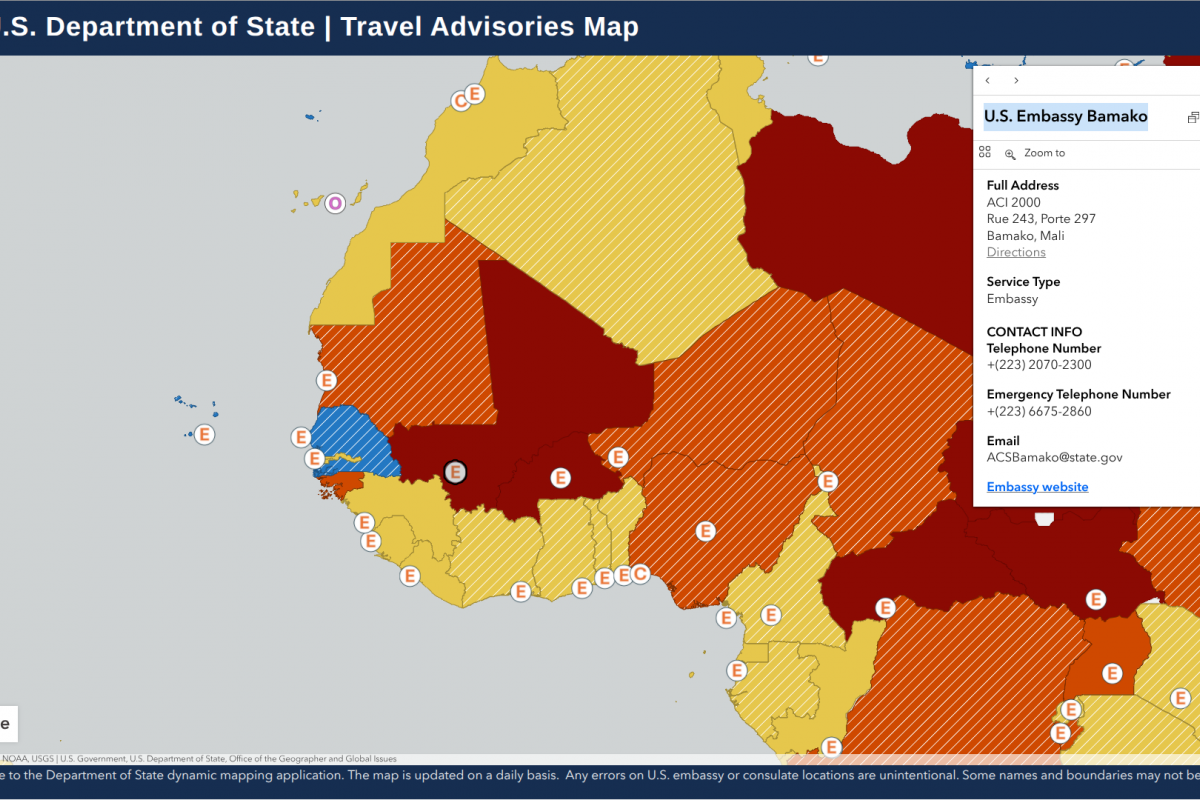
US Dept State October 2025

The travel advisory for the Republic of Mali, a landlocked country in West Africa, has been elevated to Level 4 status by the U.S. Department of State.

As of October 24, 2025, the State Department stated U.S. residents 'should not visit Mali for any reason.'

Furthermore, the U.S. government cannot provide routine or emergency services to U.S. citizens outside Bamako due to safety risks.

Have a plan to leave in an emergency that does not depend on U.S. government help, and enroll in the Smart Traveler Enrollment Program to receive digital alerts from the U.S. embassy. Enrolling helps the U.S. embassy contact you or your emergency contact in an emergency.

About 200,000 international travelers visit Mali annually.

From a health perspective, medical services for routine and emergency procedures are limited in Mali. Health facilities are available in major cities. It may be harder to find adequate health care in rural areas.

The U.S. CDC previously issued Level 1: Practice Usual Precautions for Mali regarding dengue and measles outbreaks. In addition to these diseases, the CDC recommends vaccination against yellow fever, typhoid, polio, and malaria medications when visiting Mali in 2025.

These vaccines and medications are offered at travel pharmacies.

Oct 27, 2025 • 3:37 am CDT
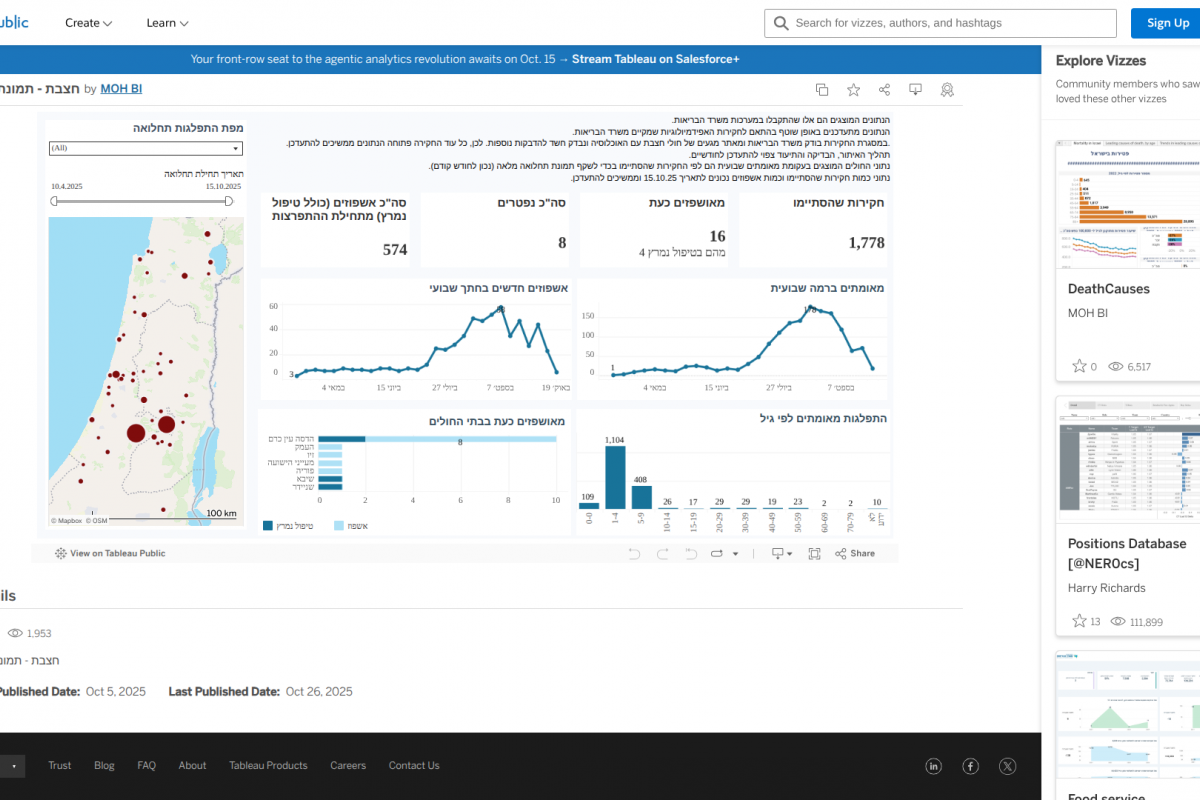
Israel MOH October 26, 2025

Israel's Health Ministry has reported the death of an unvaccinated toddler from a measles infection. The child died due to complications related to the virus.

As of October 26, 2025, this child marks the eighth death recorded since the measles outbreak began, with all cases involving infants who did not have any underlying medical conditions and were unvaccinated.

During 2025, there have been 1,778 measles cases and 574 hospitalizations. 

The Ministry reported in a press release that the current measles outbreak areas include Jerusalem, Beit Shemesh, Bnei Brak, Harish, Modi'in Illit, Nazareth Illit, Kiryat Gat, Ashdod, Safed, Netivot, and the Mateh Binyamin Regional Council.

In these areas, people can visit family care centers and health maintenance organizations, and vaccinations are available without an appointment.

The Ministry advises unvaccinated individuals and parents of infants who have received one dose of the vaccine to avoid participating in large gatherings in outbreak areas due to the risk of infection.

As a result of the Ministry's efforts to increase vaccination coverage, vaccinations in Jerusalem have increased by 500% since September compared to the same period last year, and by 630% in Beit Shemesh.

In light of these figures, the first-dose vaccination coverage (for ages 1-6) against measles in Jerusalem rose from 77% to 84%, and in Beit Shemesh from 72% to 82.6%.

According to the U.S. CDC, international travelers planning to visit Israel in 2025 should be fully vaccinated against measles and polio.

In the USA, these vaccines are offered at travel clinics and pharmacies.

Oct 27, 2025 • 3:11 am CDT
Maps 2025

The Los Angeles County Department of Public Health (LACDPH) recently confirmed the first local death from the West Nile virus (WNV) in the 2025. The resident of the San Fernando Valley was hospitalized and died from a neurological illness caused by severe West Nile virus.

A total of 14 West Nile virus infections have been documented in Los Angeles County in 2025, excluding Long Beach and Pasadena. Half of the infected people live in the San Fernando Valley region.

Public Health reports West Nile virus cases every year, generally from June to November, as the virus is endemic in the region.

According to LACDPH, about 1 in 150 people will have severe WNV symptoms that may include high fever, stiff neck, muscle weakness, and sometimes rash. Symptoms usually appear 3 to 14 days after being infected.

West Nile virus is the most common mosquito-borne disease affecting residents of LA County, which has also reported locally acquired dengue cases in 2025.

"To the family and friends grieving the loss of a loved one due to West Nile virus, we extend our heartfelt condolences,” said Muntu Davis, MD, MPH, Los Angeles County Health Officer, in a press release on October 24, 2025.

“This tragic loss reminds us how dangerous mosquito-borne diseases like West Nile virus and dengue can be. Protect yourself and your neighbors by using insect repellent, getting rid of standing water where mosquitoes breed, and keeping window and door screens in good repair. Small actions like these can make a big difference in preventing illness.”

In collaboration with local vector control agencies, Public Health monitors the risk of WNV infection. It actively engages residents to provide information about reducing the risk by promoting protective measures against mosquitoes.

As of October 27, 2025, there is no WNV vaccine available in the USA.

Oct 25, 2025 • 9:38 am CDT
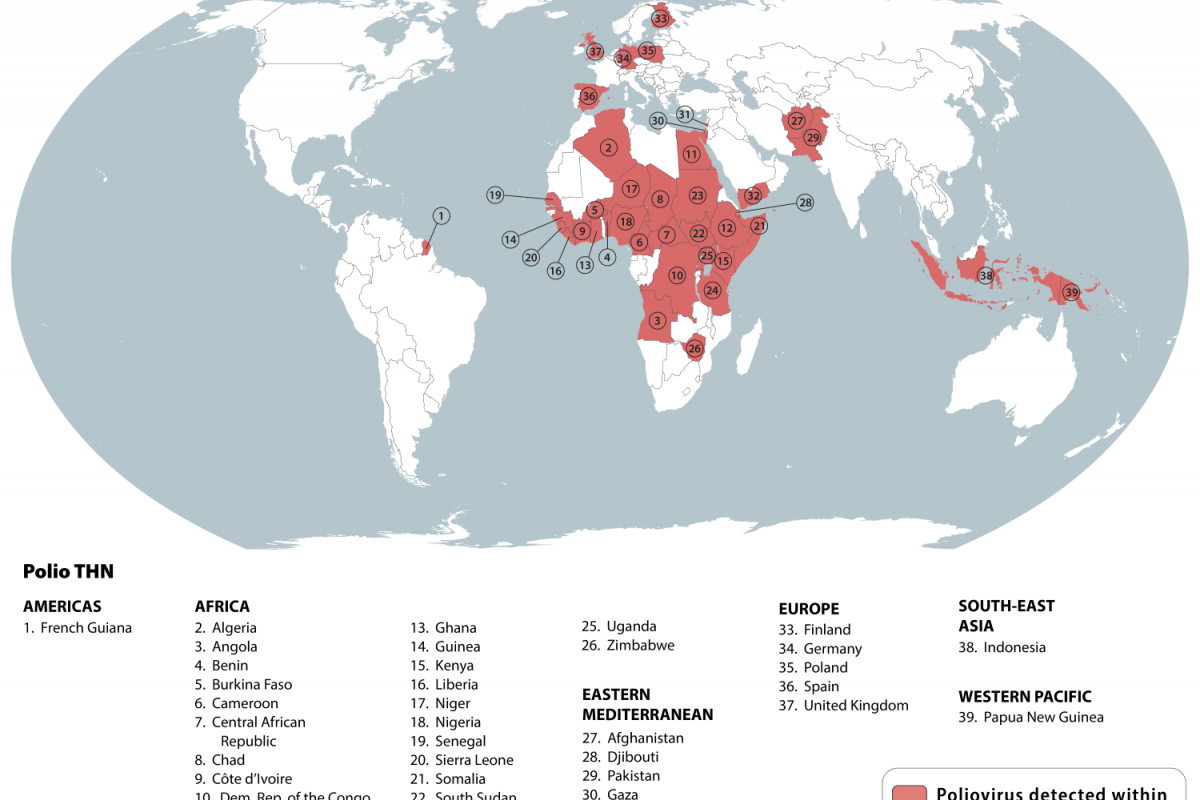
US CDC 2025

The World Health Organization (WHO) today announced that polio vaccine coverage in Europe is at its lowest level in several years, leaving more than 450,000 infants unprotected.

In 2024, polio vaccination rates in Europe decreased.

"Gaps in immunization coverage make children vulnerable and pose a health security risk to our region and beyond," stated Ihor Perehinets, MPH, the regional emergency director for WHO's European office, in a press release issued on October 24, 2025.

This WHO warning comes as new polio cases have been confirmed in Afghanistan and Papua New Guinea, according to the Global Polio Eradication Initiative.

In Afghanistan, two patients were infected with wild poliovirus type 1 (WPV1), with paralysis onset in early October, bringing the country's total WPV1 cases to nine for 2025.

Meanwhile, Papua New Guinea (PNG) reported two cases of circulating vaccine-derived poliovirus type 2 (cVDPV2) this week in Central and Enga provinces, with paralysis onset in August. So far this year, PNG has confirmed three cVDPV2 cases.

Furthermore, poliovirus type 2 has been detected through routine wastewater surveillance in 6 countries in the Region (Finland, Germany, Israel, Poland, Spain, and the United Kingdom) since September 2024.

WHO/Europe, together with other GPEI partners, continues to support national and local public health authorities in their investigations and monitoring of the situation, as well as in strengthening immunization programs and rapidly responding to detections of the virus to prevent it from spreading. 

To alert international travelers to their polio risk in 2025, the U.S. CDC has issued a Travel Health Notice listing 39 countries. The CDC advises travelers to be fully vaccinated before visiting these areas.


Oct 24, 2025 • 1:46 pm CDT
US CDC 2025

Since the Zika virus was first detected in the Americas in 2015, the Pan American Health Organization (PAHO) and the World Health Organization (WHO) have reported cases from 52 countries and territories in the region.

As of October 24, 2025, the PAHO Zika data dashboard indicates that there have been over 23,000 cases and four related fatalities in the Region of the Americas this year.

The current leaders are Brazil (21,762), Bolivia (1,012), and Argentina (849).

And in the Central America Region, Costa Rica, El Salvador, and Guatemala are the unfortunate leaders in reporting this mosquito-transmitted disease.

This PAHO data aligns with 2024, when 44,480 cases and two related fatalities were confirmed across all countries for the entire year.

Last year, Brazil reported about 90% of all cases.

In the Americas, one in four Zika-infected people may develop symptoms, but in those who are affected, the disease is usually mild, with symptoms lasting between 2 and 7 days. The clinical appearance is often similar to dengue or chikungunya.

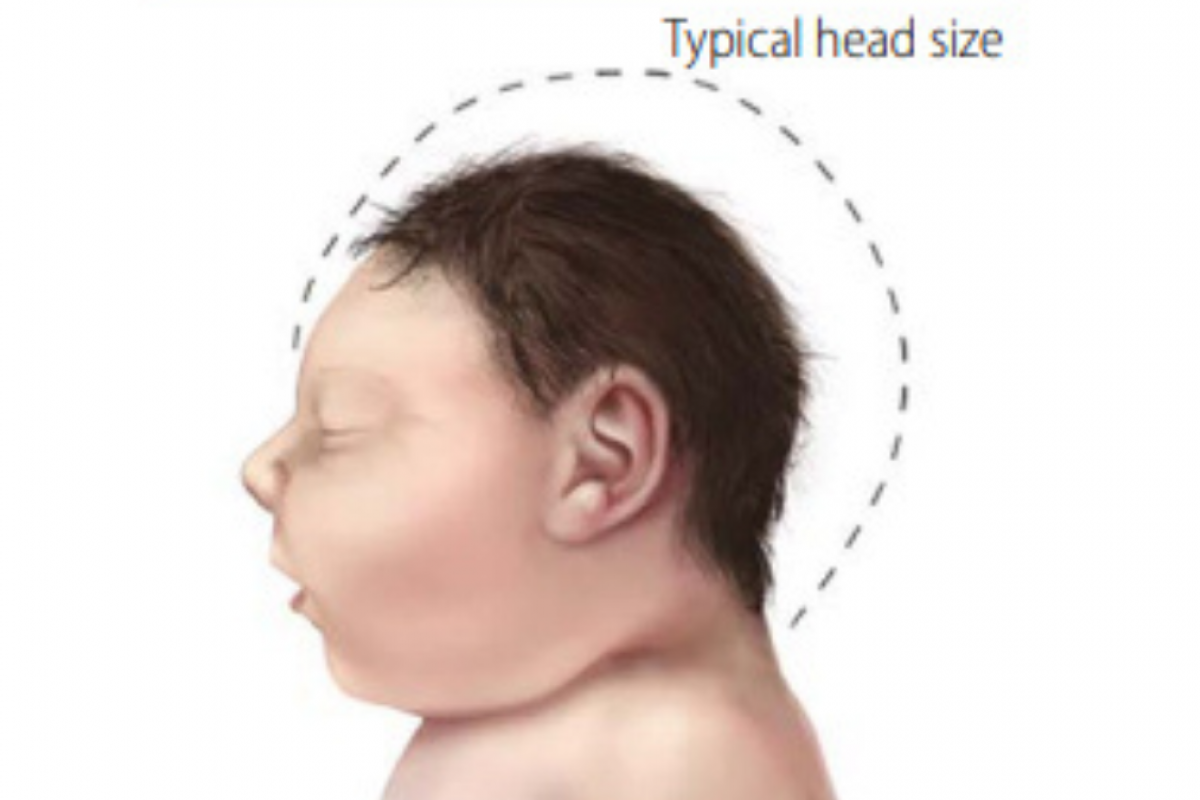
According to the PAHO, Zika virus infection during pregnancy poses severe risks to the fetus, ranging from congenital Zika syndrome to microcephaly to milder neurodevelopmental issues.

From a severity perspective, there is scientific consensus that Zika is a cause of Guillain-Barré syndrome.

As of October 2025, the UK travel advisory says that since there is no vaccination or medication to prevent Zika infection, women should avoid becoming pregnant while traveling to at-risk countries such as those listed above, and for 2 months after their last possible Zika virus exposure.

Prevention involves reducing mosquito populations and avoiding bites, which occur mainly during the day, says the UK advisory.

In the future, a Zika vaccine candidate may be approved for human use.

Oct 24, 2025 • 5:51 am CDT
US CDC 2025

Since the first cases of Oropouche virus disease (OROV) were detected in Panama at the end of 2024 and the beginning of this year, a total of 613 confirmed cases have been reported across seven regions in Panama during 2025.

According to Panama's health ministry, OROV crossed the southern border from Colombia and is now found in Panamá Metro, Los Santos, Herrera, Panamá Norte, Veraguas, Panamá Oeste, Coclé, Darién, and Panamá Este (East Panama).

This disease is primarily spread by the bites of infected biting midges (small flies) and mosquitoes.

The Ministry of Health recommends that residents living in areas with active virus transmission use repellent, wear long-sleeved shirts and long pants, and install mosquito nets or wire mesh on doors and windows. They are also urged to avoid traveling to areas with active virus transmission.

Blas Armién, national head of Epidemiology at the Ministry of Health, explained in a media release on October 22, 2025, "Of the 15 health regions, at least seven have identified the circulation of OROV in the human population."

Armién added the most common symptoms of Oropouche include sudden onset of high fever, intense headache with photophobia, muscle and joint pain, and, in some cases, skin rashes (exanthemas).

In this regard, Armién warned that infection during the first trimester of pregnancy can cause genetic alterations in the fetus, such as hydrocephalus. He also emphasized the importance of attending prenatal checkups, as a case of vertical transmission (from mother to child) has been reported in Panama.

Regarding neurological disorders, he mentioned that cases of Guillain-Barré syndrome and flaccid paralysis may occur.

Because it presents symptoms similar to those of dengue, a specific diagnostic algorithm is used to distinguish the two diseases.

To alert international travelers of this health risk, the U.S. CDC reissued a Level 1 - Practice Usual Precautions, Travel Health Notice in September 2025. The CDC has included countries such as Brazil and Cuba in this warning. 

The CDC says, given the limited information on the risk of possible spread through sex, including the unknown of whether the virus may be present in vaginal fluid, travelers and their partners concerned about possible sexual transmission of Oropouche virus can consider using condoms or not having sex during travel and for 6 weeks after returning from travel.

As of late October 2025, no preventive vaccines targeting OROV are available.