Over 23,000 Zika Cases Reported in the Americas
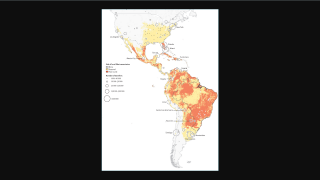
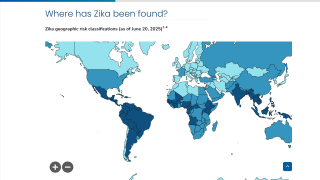
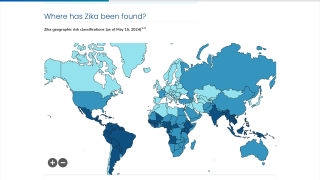
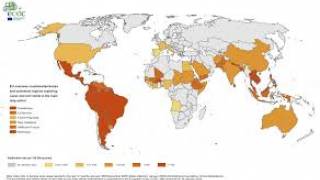
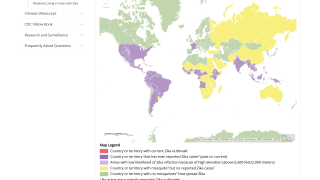
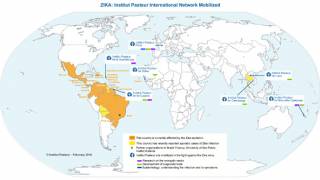
Since the Zika virus was first detected in the Americas in 2015, the Pan American Health Organization (PAHO) and the World Health Organization (WHO) have reported cases from 52 countries and territories in the region.
As of October 24, 2025, the PAHO Zika data dashboard indicates that there have been over 23,000 cases and four related fatalities in the Region of the Americas this year.
The current leaders are Brazil (21,762), Bolivia (1,012), and Argentina (849).
And in the Central America Region, Costa Rica, El Salvador, and Guatemala are the unfortunate leaders in reporting this mosquito-transmitted disease.
This PAHO data aligns with 2024, when 44,480 cases and two related fatalities were confirmed across all countries for the entire year.
Last year, Brazil reported about 90% of all cases.
In the Americas, one in four Zika-infected people may develop symptoms, but in those who are affected, the disease is usually mild, with symptoms lasting between 2 and 7 days. The clinical appearance is often similar to dengue or chikungunya.
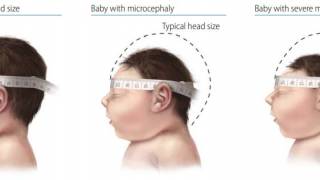
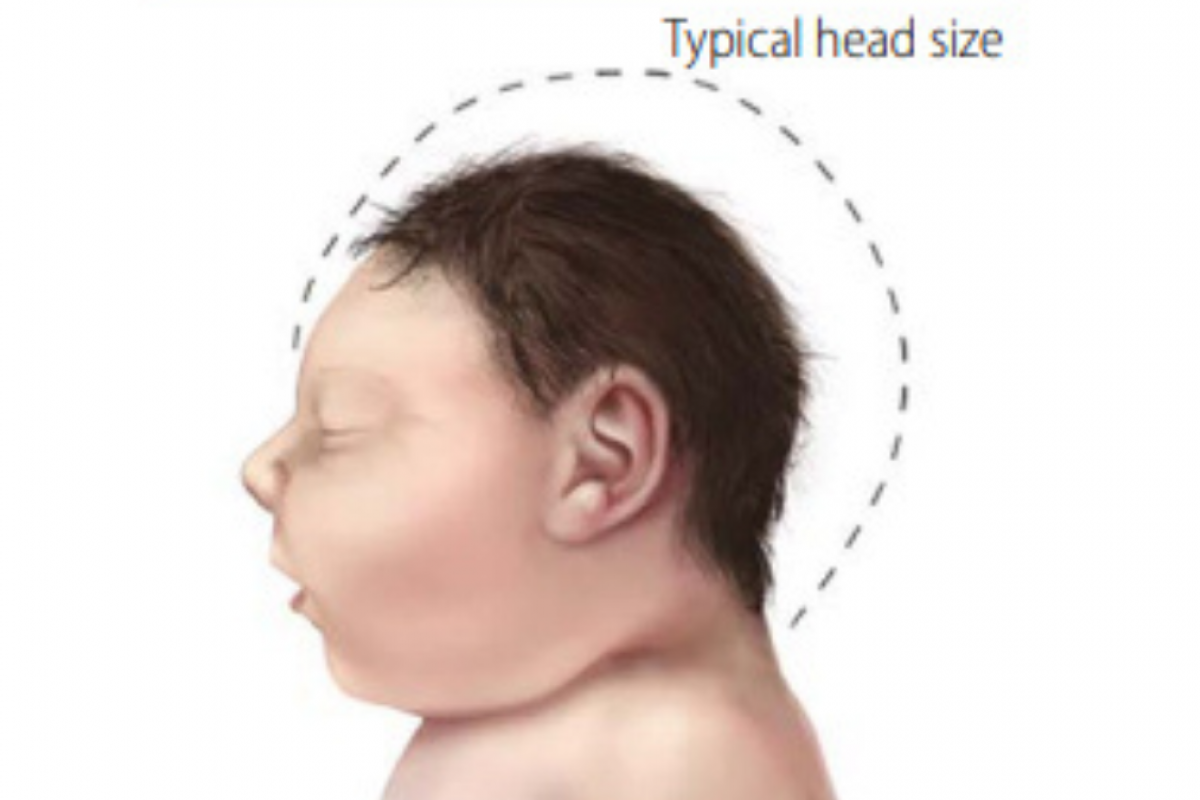
According to the PAHO, Zika virus infection during pregnancy poses severe risks to the fetus, ranging from congenital Zika syndrome to microcephaly to milder neurodevelopmental issues.
From a severity perspective, there is scientific consensus that Zika is a cause of Guillain-Barré syndrome.
As of October 2025, the UK travel advisory says that since there is no vaccination or medication to prevent Zika infection, women should avoid becoming pregnant while traveling to at-risk countries such as those listed above, and for 2 months after their last possible Zika virus exposure.
Prevention involves reducing mosquito populations and avoiding bites, which occur mainly during the day, says the UK advisory.
In the future, a Zika vaccine candidate may be approved for human use.
Our Trust Standards: Medical Advisory Committee