Peru Requires Yellow Fever Vaccination for Most Visitors
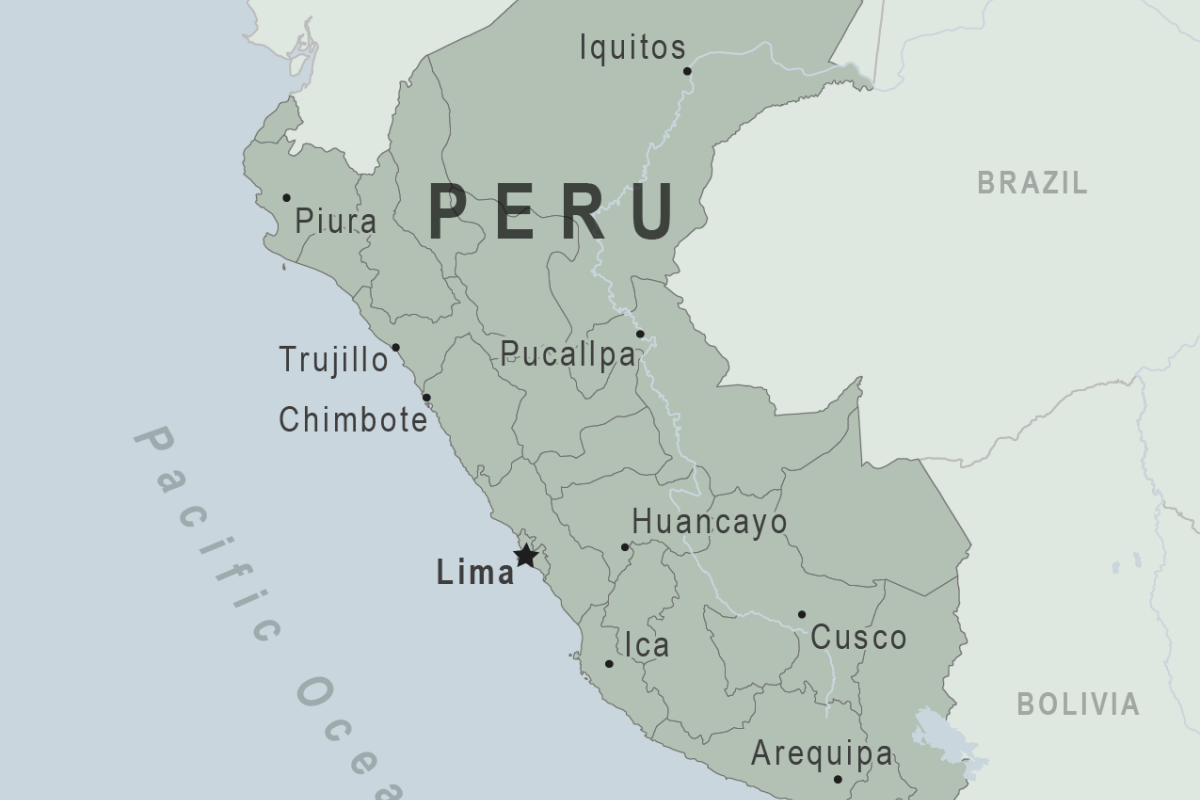
Peru's Ministry of Health (MINSA) today announced that it is urging both domestic and international tourists to prioritize yellow fever prevention when planning trips to the country's rural and jungle areas, which are known to be endemic for the mosquito-transmitted disease.
Given the ongoing risk of transmission, MINSA stated in a press release on January 10, 2026, that the most effective protection against yellow fever is vaccination.
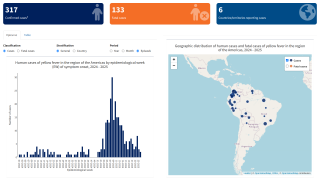
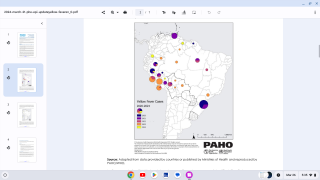
During the first half of 2025, Peru reported 35 confirmed human cases of yellow fever, including 12 deaths (case fatality rate of approximately 34%).
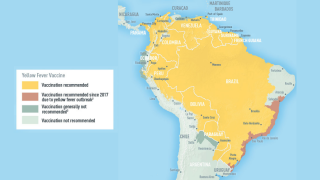
The regions with the highest risk include Amazonas, San Martín, Junín, Ayacucho, Cusco (rural areas only), Loreto, Madre de Dios, Huánuco, Pasco, Puno, and Ucayali. Urban areas, such as the city of Cusco, Machu Picchu, and the Inca Trail, are not included in these warnings.
In Peru, MINSA recommends that travelers receive the vaccine at least 10 days before visiting at-risk areas.
The yellow fever vaccine (Stamaril, YF-Vax) is free, safe, and provides lifelong protection with just a single dose. It is recommended for individuals aged 15 months to 59 years.
In 2025, between 3 and 5 million people visited Peru, with over 1 million traveling to Machu Picchu.
While Peru does not require proof of yellow fever vaccination for entry in all cases, visitors should consult a healthcare provider to confirm their eligibility for immunization.
Additionally, travelers may need to present an International Certificate of Vaccination or Prophylaxis, commonly referred to as the "yellow card," as proof of vaccination at some entry points.
When departing from the United States for Peru, the Centers for Disease Control and Prevention recommends the YF-Vax vaccine for all travelers ≥9 months old traveling to areas below 7,550 ft elevation in at-risk regions. This vaccine is commercially offered at travel clinics in 2026.
Our Trust Standards: Medical Advisory Committee