Polio's Eradication is Not Extinction
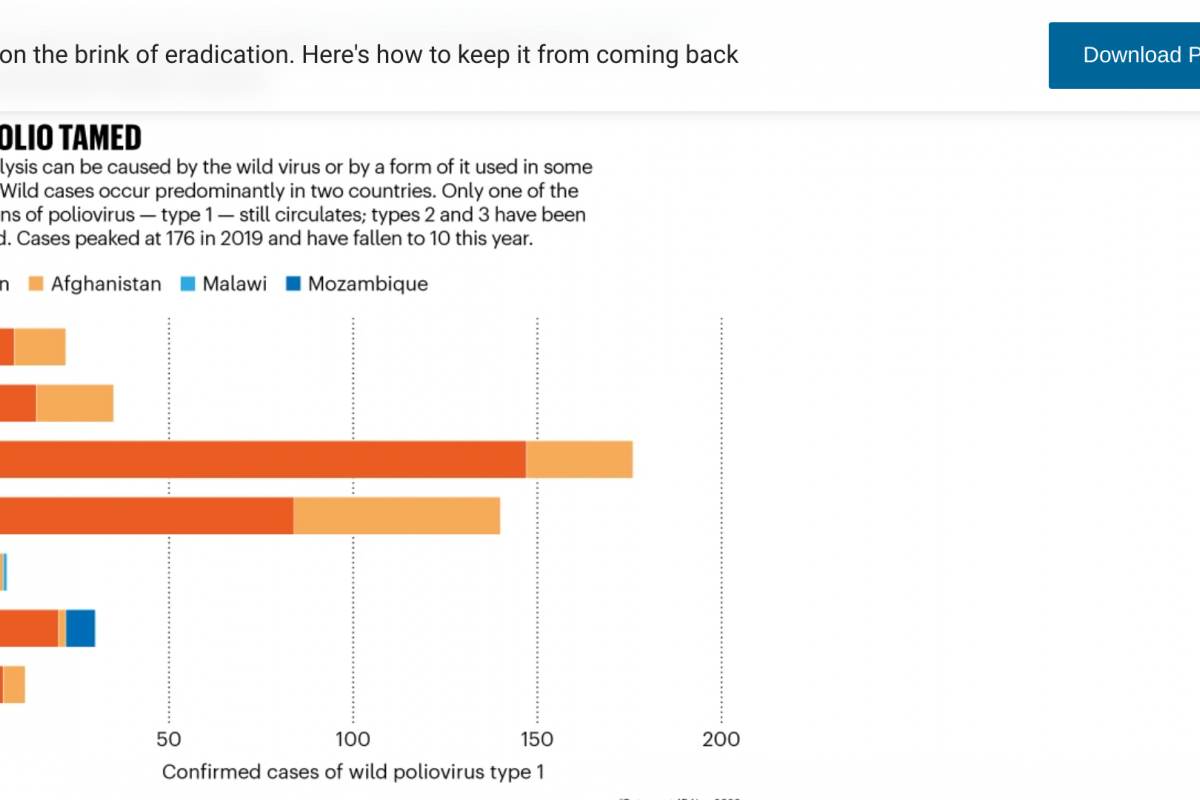
The campaign to eradicate polio could succeed in the next few years. But that's just the beginning of a new challenge, keeping it away forever, wrote Aisling Irwin in an article published by the journal Nature on November 21, 2023.
With the demise of the poliovirus in sight, health authorities are planning what happens next.
In 1988, the World Health Organization (WHO) passed a resolution to eradicate polio.
However, a WHO committee announced in August 2023 that although encouraged by the reported progress, the risk of the international spread of poliovirus remains a Public Health Emergency of International Concern, and the extension of Temporary Recommendations for a further three months was recommended.
The WHO committee urged the polio program to strengthen all aspects of surveillance, noting that significant gaps remain in many affected countries.
That conclusion may be because achieving polio eradication is not extinction.
Polio could lurk in testing labs and manufacturing facilities — from which it has previously leaked — and even in some people. Mistakes years after eradication could let polio into an unprotected population where it could "wreak havoc.
The end of polio is only the beginning of another effort: developing the resilience to keep it away, says Liam Donaldson, a public health specialist at the London School of Hygiene & Tropical Medicine, UK, and the lead author of a series of independent reports on the campaign's progress.
"People have signed up for polio eradication, but they've not signed up for the longer journey."
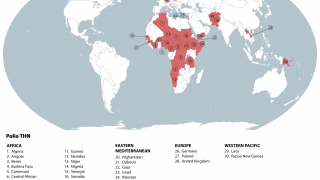
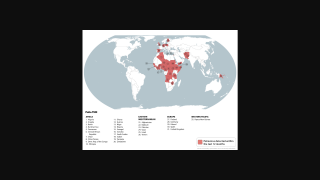
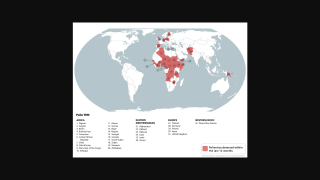
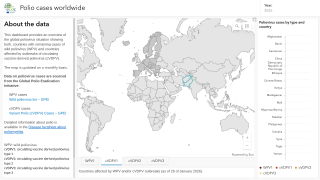
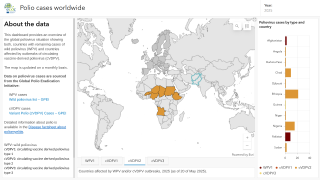
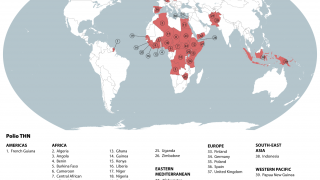
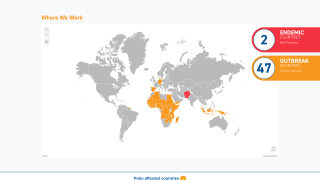
The WHO's 6th Report of the Polio Transition Independent Monitoring Board is posted at this link, and current polio outbreaks are listed by Precision Vax.
Our Trust Standards: Medical Advisory Committee