Zika Breaking News

Zika breaking news brought to you by Zika News.

Feb 24, 2025 • 10:46 am CST
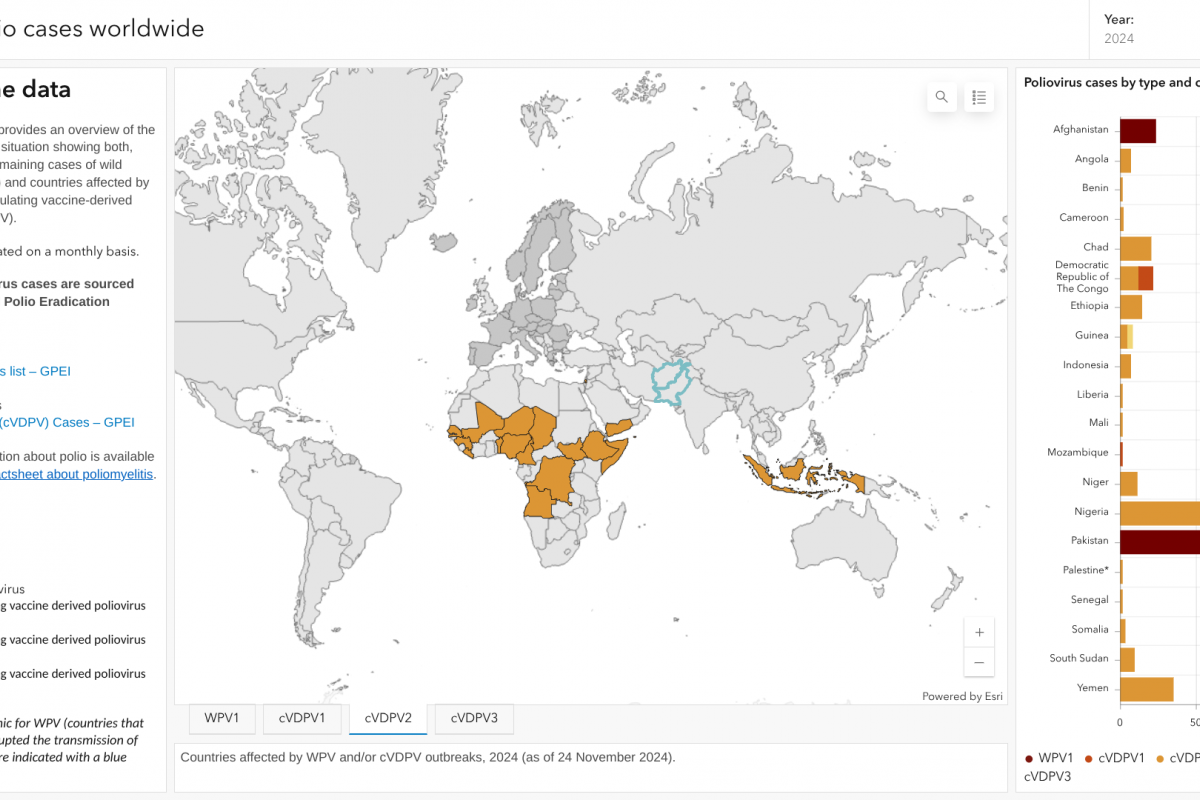
ECDC 2024

During the fourth Riyadh International Humanitarian Forum, the Kingdom of Saudi Arabia reaffirmed its $500 million pledge to the Global Polio Eradication Initiative (GPEI). 

This agreement will help the GPEI and its partners reach 370 million children with polio vaccines annually.

The funds were initially pledged in April 2024 at the first World Economic Forum Special Meeting held in Riyadh.

“The world is on the path to eradicating polio once and for all, and the Kingdom of Saudi Arabia is proud to be part of this global initiative,” said H.E. Dr. Abdullah al Rabeeah in a press release on February 24, 2025.

“The Kingdom’s contribution will go toward the important work of protecting the most vulnerable children of today so that the generations of tomorrow can live free from this preventable disease.”

Since the GPEI was founded in 1988, polio cases have fallen by over 99% due to decades of leadership from GPEI partners, generous donor support, and the commitment of affected countries.

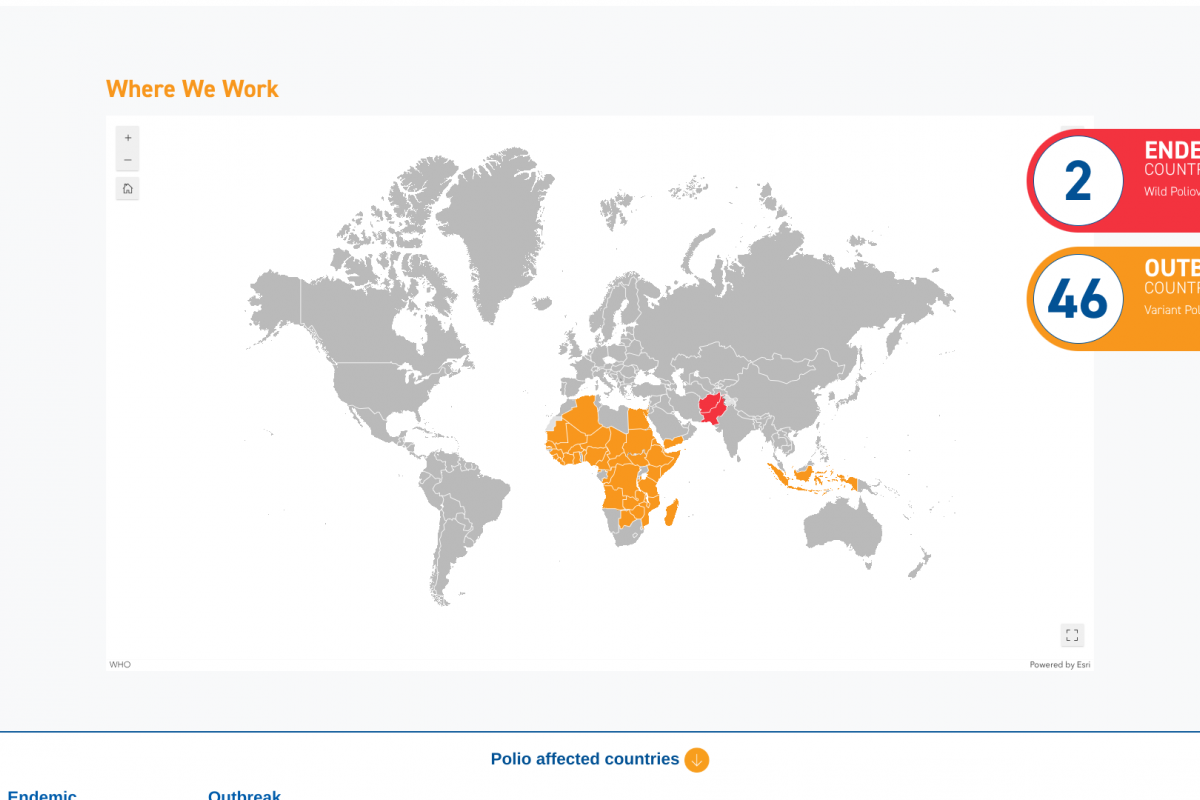
The World Health Organization recently confirmed during the 40th meeting of the IHR Emergency Committee for Polio that the spread of poliovirus remained a Public Health Emergency of International Concern.

To alert international travelers of this health risk, the U.S. CDC reissued an advisory revealing polio outbreaks and poliovirus detections in 39 countries. The CDC encourages anyone visiting polio-risk areas to be fully vaccinated in 2025.
Feb 24, 2025 • 5:06 am CST
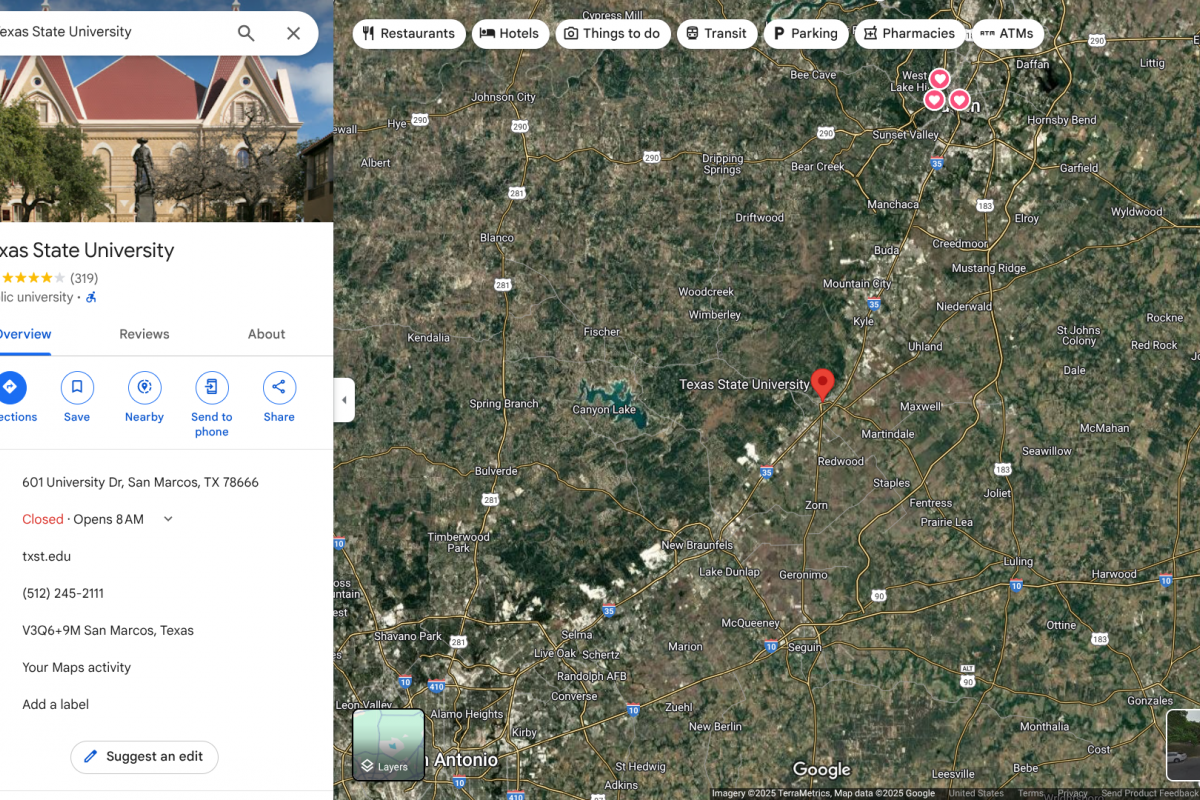
Google Maps 2025

Multiple counties in Texas reported an unusually high number of measles cases during the first two months of 2025. So far, 93 measles patients have been confirmed in Texas.

Recently, central Texas reported its initial case of 2025.

Health authorities notified the Hays County Health Department (HCHD) about the potential for residents to be exposed to someone who tested positive for measles. Confirmed with measles, the Gaines County (western Texas) resident visited San Marcos, Texas, on Friday, February 14, 2025.

HSCD wrote on February 23, 2025, that individuals on the campus of Texas State University (enrollment of 37,000) and those who visited a Twin Peaks Restaurant may be at risk of developing measles due to exposure to this individual.

HSCH wrote that the measles virus spreads quickly through the air when an infected person breathes, talks, coughs, or sneezes. The virus can stay in the air and on surfaces for two hours.

On February 15, 2025, the individual visited The University of Texas at San Antonio Main Campus. The San Antonio exposure sites include the River Walk area, a local restaurant, and a large travel plaza in New Braunfels, which is near San Marcos.

In collaboration with the Texas Department of State Health Services (DSHS), their respective local health authorities will notify individuals who may have been exposed to the measles virus.

HCHD stated that on February 23, 2025, DSHS and other local health agencies will work closely to investigate potential contacts. For more information, visit: https://www.hayscountytx.gov/current-public-health-situations.

In addition to this new alert, measles cases have been reported in western Texas (90) and Harris County (2) in 2025.

Since Texas State is located south of the University of Texas at Austin (enrollment of 50,000+) and north of San Antonio, these populations may also be at risk. However, as of February 24, 2025, DSHS has not issued an expanded health alert for these areas.

"As healthcare professionals, we are deeply concerned about the current measles outbreaks. We urge everyone to ensure their vaccinations are current to protect themselves and their communities from this highly contagious disease, V. Yvette Cheeks MSN, RN, NPE-C informed Vax-Before-Travel News.

Cheeks, the owner of The Immunization Clinic in Houston, Texas, added, "Please consult with your healthcare provider if you have any questions or need to schedule a vaccination. "

Furthermore, measles is a vaccine-preventable disease, with ample supply available at most travel clinics and pharmacies in Texas.

Feb 24, 2025 • 4:30 am CST
by Henning Westerkamp

The Pan American Health Organization (PAHO) and the Spanish Agency for International Development Cooperation recently formalized a memorandum of understanding to reinforce their shared commitment to improving public health across the Americas.

Announced on February 21, 2025, the memorandum covers various areas of cooperation aligned with the United Nations' Sustainable Development Goals, with a key focus on eliminating cervical cancer. Each year, cervical cancer claims the lives of approximately 40,000 women in the Americas.

PAHO Director Jarbas Barbosa emphasized the significance of this collaboration for the region.

“Spain’s support in the fight against cervical cancer and other public health areas is critical for strengthening the health systems. With AECID’s support, we can make progress toward the elimination of this cancer, which disproportionately impacts women in the most vulnerable situations,” said Dr. Barbosa in a press release.

PAHO is leading efforts to eliminate cervical cancer in the Americas, aligning its actions with the World Health Organization's 90-70-90 targets.

These aim for 90% of girls fully vaccinated with the HPV vaccine by age 15, 70% of women screened using a high-performance test by age 35 and 45, 90% with pre-cancer treatment, and 90% with invasive cancer managed.

In the Americas, the PAHO recommends vaccinating against human papillomavirus (HPV). However, only 48 countries have introduced an HPV vaccine, and coverage rates vary widely.

Few countries have reached 90% HPV vaccination coverage, while others remain below 10%.

The PAHO's Revolving Fund announced on February 7, 2025, that the general availability of the 9-valent HPV vaccine will be easier and more affordable for Latin American countries. Health agencies are debating HPV dosage protocols. 

The PAHO stated it is working to close these gaps, ensuring access to safe and affordable vaccines and diagnostic tools through its Regional Revolving Funds.

Feb 23, 2025 • 9:40 am CST
US CDC Feb. 2025

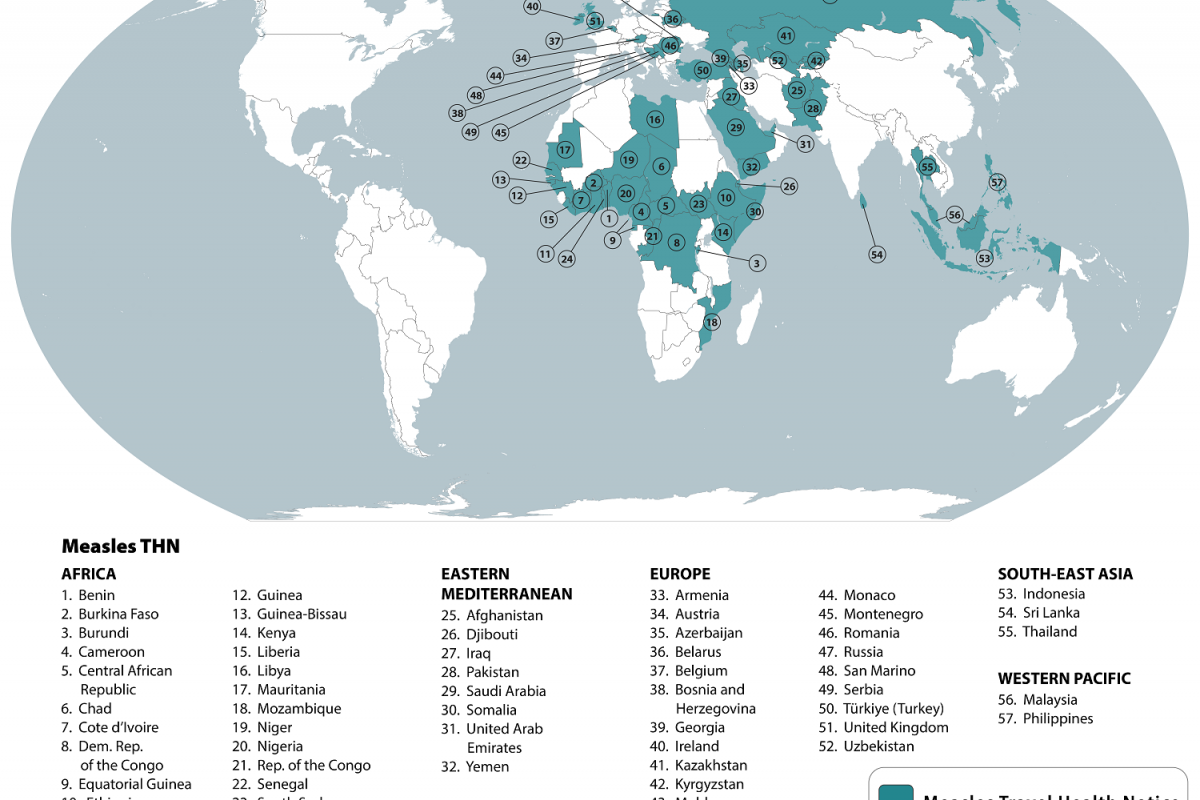
Over the past two years, the U.S. Centers for Disease Control and Prevention (CDC) has issued Travel Health Advisories focused on measles outbreaks.

These advisories highlight where there is an active health risk when people visit the highlighted countries.

On February 21, 2025, the CDC reissued a Level 1, Practice Usual Precautions, alert for 57 countries. This CDC list does not integrate the Region of the Americas, with numerous countries reporting 537 measles outbreaks this year.

This is an essential advisory since most measles cases imported into the United States occur in unvaccinated U.S. residents who become infected during international travel.

The CDC recently confirmed 93 measles cases in eight jurisdictions, which may be under-reporting active outbreaks in New Mexico and Texas.

The CDC says to reduce measles cases in the U.S., 'All international travelers should be fully vaccinated against measles with the measles-mumps-rubella (MMR) vaccine, including an early dose for infants.'

In 2025, MMR vaccinations are offered at most clinics and pharmacies in the U.S.

Feb 22, 2025 • 6:02 am CST
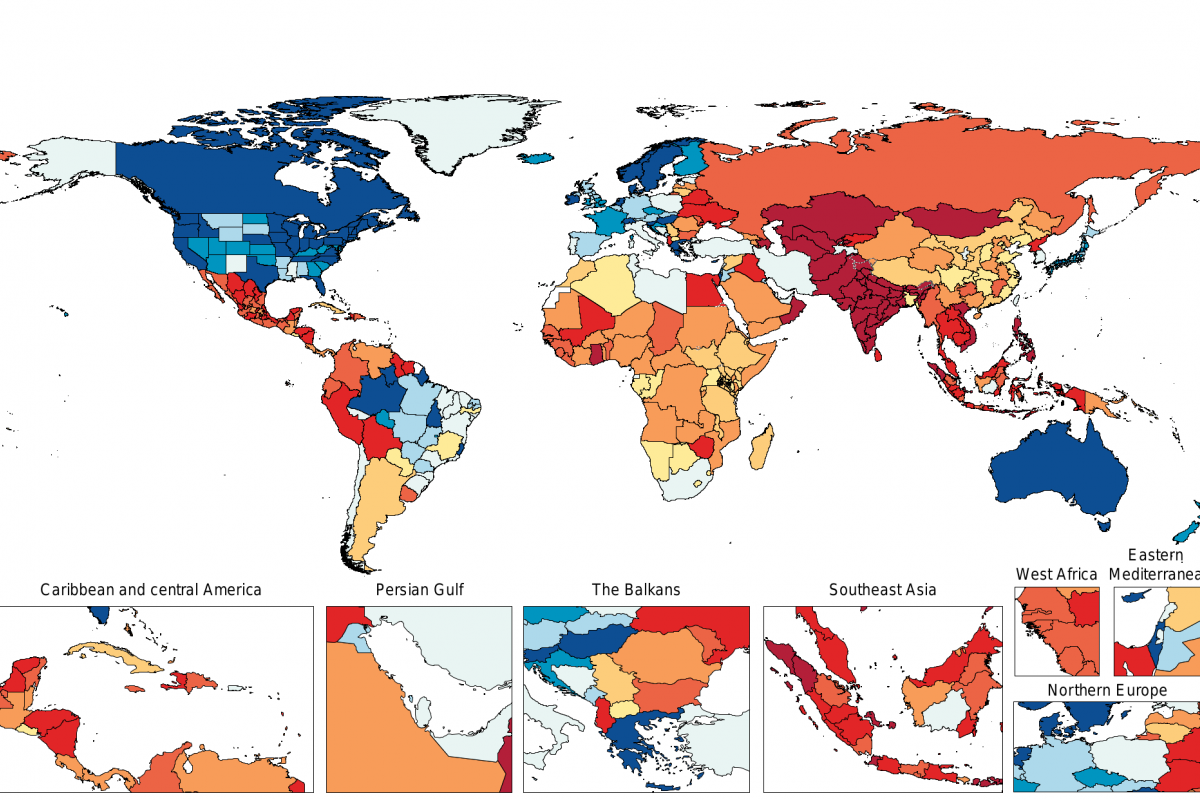
World Data.org

The World Health Organization (WHO) recently published a technical brief on encephalitis, a serious, life-threatening neurological condition characterized by brain inflammation.

On February 17, 2025, the WHO stated that different pathogens, such as herpes simplex virus (HSV), can cause encephalitis. 

Some pathogens, like the Japanese encephalitis virus (JEV), are spread by mosquitoes and ticks, but vaccination can prevent transmission.

As of 2025, JEV outbreaks are the leading cause of viral encephalitis in twenty-four countries in the WHO South-East Asia and Western Pacific Regions, exposing more than 3 billion people to infection risks.

For example, the WHO reported various JEV cases across Australia, including Queensland, New South Wales, South Australia, Victoria, the Australian Capital Territory, Tasmania, Western Australia, and the Northern Territory.

Encephalitis affects people across all age groups, has high mortality, and often leads to significant long-term complications (sequelae), including hearing loss, seizures, limb weakness, and difficulties with vision, speech, language, memory, and communication.

Globally, in 2021, encephalitis was the fourth leading cause of neurological health loss in children aged under 5 years and the 13th across all age groups.

"Encephalitis is a growing public health challenge, and by prioritizing it within global and national health agendas and strengthening collaboration, we can reduce its impact and save lives," said Dr Tarun Dua, Head of the Brain Health Unit, WHO, in a press statement.

The WHO technical brief, which forms part of the implementation of the broader Intersectoral global action plan on epilepsy and other neurological disorders, draws attention to the lack of access to essential care, especially in low-and middle-income countries. 

While no HSV vaccines are authorized, the U.S. FDA-approved JEV vaccine, IXIARO®, is available at clinics and pharmacies nationwide. According to the U.S. CDC, vaccination is recommended before visiting JEV outbreaks.

Feb 21, 2025 • 2:32 pm CST
from Pixabay 2025

After almost two years without reporting a measles case, the Texas Department of State Health Services (DSHS) today confirmed 92 measles cases in this year's outbreak.

Since the beginning of 2025, there have been two measles cases in Harris, 57 in Gaines, 20 in Terry, 6 in Dawson, 4 in Yokaum, 1 in Ector, and 1 in Lynn Counties.

Most of these patients are young, unvaccinated, or their vaccination status is unknown.

On February 21, 2025, the DSHS stated, 'Due to the highly contagious nature of this disease, additional cases are likely to occur in the outbreak area and the surrounding communities. DSHS is working with local health departments to investigate the outbreak.'

Nationwide, the U.S. CDC updated its reporting yesterday but only indicated 93 measles cases in 8 jurisdictions: Alaska, California, Georgia, New Jersey, New Mexico (9), New York City, Rhode Island, and Texas.

DSHS and the CDC strongly recommend most people get the MMR vaccine to prevent infection and severe disease.

Feb 21, 2025 • 1:01 pm CST
GPEI Feb. 2025

Health ministries worldwide recently met at the WHO Executive Board meeting in Geneva. They expressed serious concern about the increasing transmission of wild poliovirus in Asia's last two endemic countries: Pakistan and Afghanistan.

The total number of polio cases in Afghanistan for 2024 was 25, and Pakistan reported 74 cases in 2024.

These ministers noted that 'extraordinary measures were being taken in response.'

WHO Member States commended the implementation of new emergency operational approaches in both countries. 

These approaches include identifying the different operational reasons why children are not being reached, area by area; increasing co-administration of inactivated polio vaccine (IPV) alongside oral polio vaccine (OPV); boosting overall immunity levels in children; and improving access to more adequate sanitation infrastructures.

Member States expressed concern about the ongoing variant poliovirus outbreaks (circulating vaccine-derived polioviruses) and urged intensified response to stop these outbreaks by maximizing the impact of novel oral polio vaccine type 2 (nOPV2).

This triple-locked polio vaccine has been administered over 1 billion times recently.

Speaking on behalf of the Eastern Mediterranean Region, Regional Director Dr Hanan Balkhy commented in a media statement, “I assure you, on behalf of our Region and the leaders of both endemic countries, our commitment to eradicating this virus is stronger than ever. We must reach and vaccinate every child and keep up a robust search for poliovirus, to stop further spread."

In Europe, the unusually high number of poliovirus detections has reinforced the urgency of the wake-up call. From September through December 2024, vaccine-derived poliovirus type 2 was detected in wastewater systems of 14 cities in five European countries.

As of February 21, 2025, IPV vaccination is recommended for most people in the United States. Furthermore, a booster dose may be advised for international travelers visiting polio outbreak areas.

Feb 21, 2025 • 10:57 am CST
US CDC 2025

Dynavax Technologies Corporation today confirmed it continues developing a plague (rF1V) vaccine candidate adjuvanted with CpG 1018® in collaboration with, and fully funded by, the U.S. Department of Defense (DoD).

As of February 20, 2025, based on the results from a randomized, active-controlled Phase 2 clinical trial, Dynavax and the DoD executed a new agreement for approximately $30 million through the first half of 2027 to support additional clinical and manufacturing activities, including a Phase 2 clinical trial expected to initiate in the third quarter of 2025.

As previously announced, Dynavax and the DOD executed an earlier agreement providing approximately $22 million in funding to develop the rF1V vaccine.

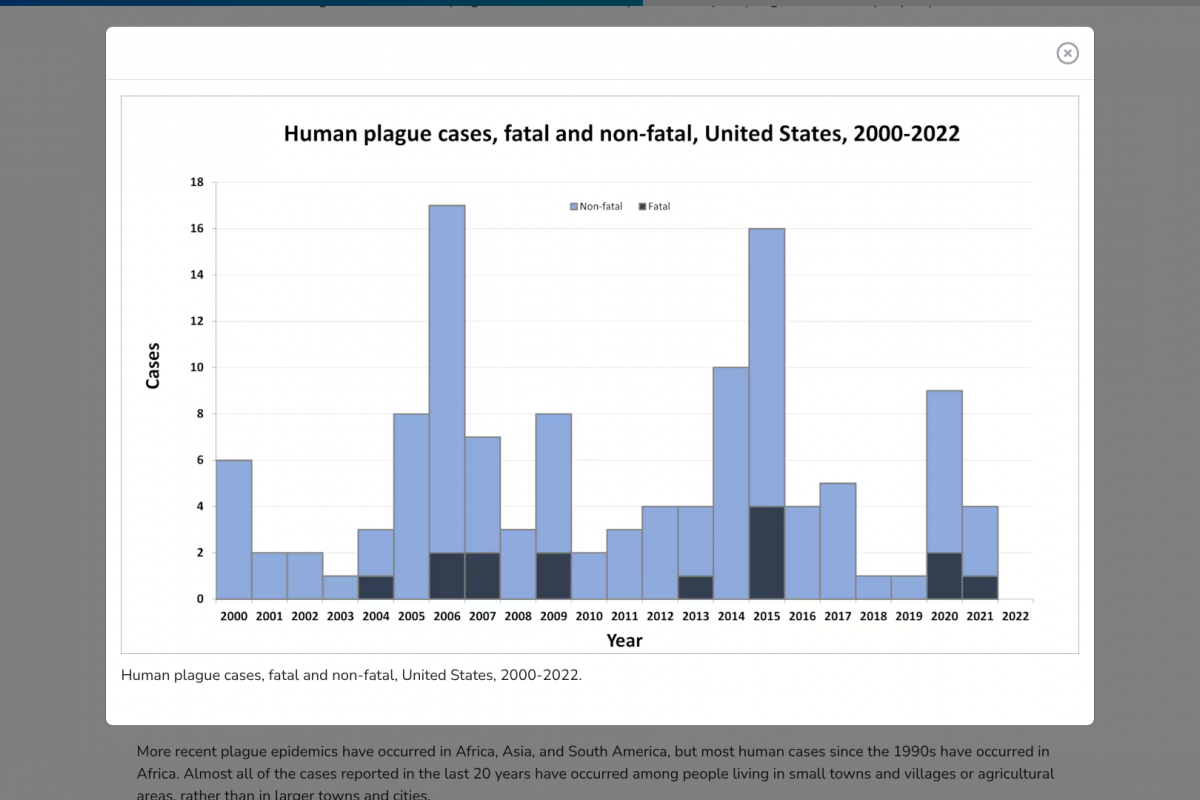
According to the U.S. CDC, Plague is a potentially deadly infectious disease caused by bacteria found in fleas and rodents or by handling an infected animal. It is caused by the bacterium Yersinia pestis. It is possible that Pneumonic plague bacteria could be released intentionally in a biological attack to sicken people.

Since the mid–20th century, plagues in the United States have typically occurred in the rural West. The CDC says cases in the eastern United States are among people who traveled from the west or have laboratory exposure.

More recent plague epidemics have occurred in Africa, Asia, and South America.

Feb 21, 2025 • 5:08 am CST
by Judy P.

Throughout the record-setting Dengue fever outbreak in the Region of the Americas in 2024, most international travelers were unprotected when visiting at-risk countries such as Brazil, Costa Rica, and even Miami Breach.

Furthermore, once infected with this mosquito-transmitted viral disease, patients could not access innovative therapies.

To accelerate the approval of Dengue treatments, the U.S. National Institutes of Health (NIH) is testing an experimental treatment.

The phase 2 clinical study will involve exposing volunteers to a weakened strain of dengue virus that causes a mild form of the disease and administering an investigational therapeutic at various doses to assess its safety and ability to lessen symptoms.

This NIH clinical trial will test the ability of AV-1, an investigational human monoclonal antibody (mAb) therapeutic developed by AbViro, to mitigate clinical symptoms when administered before and after dengue virus infection at Johns Hopkins Bloomberg School of Public Health Center for Immunization Research and the University of Vermont.

However, none of the volunteers will develop dengue fever or severe dengue during this study.

“When caring for a patient who is critically ill with dengue, healthcare providers have few options other than providing supportive care,” said NIAID Director Jeanne Marrazzo, M.D., M.P.H., in a press release on February 11, 2025.

“We must find safe and effective therapeutics to provide much-needed relief to people suffering from dengue.”

The researchers will use this information to determine how AV-1 affects the volunteers’ ability to recover from dengue compared to placebo and to determine the dosages at which AV-1 may be effective.

If AV-1 shows promising results in this clinical trial, researchers may pursue further clinical evaluations of its safety and efficacy against the dengue virus.

The results of a previously completed Phase 1 trial indicated that AV-1 is safe in humans, providing the basis for the new clinical trial to test its safety and efficacy.

Another Dengue mAb candidate, Dengushield (VIS513), is being evaluated in phase 2 clinical trials.

This mAb is a highly potent inhibitor of all four types of dengue viruses, both in vitro and in preclinical animal models. Dengushield was licensed to the Serum Institute of India Pvt. Ltd. for development.

Despite these potential innovations, during Spring Break 2025, preventing mosquito bites is the best tactic to avoid Dengue infection.


Feb 20, 2025 • 2:47 pm CST
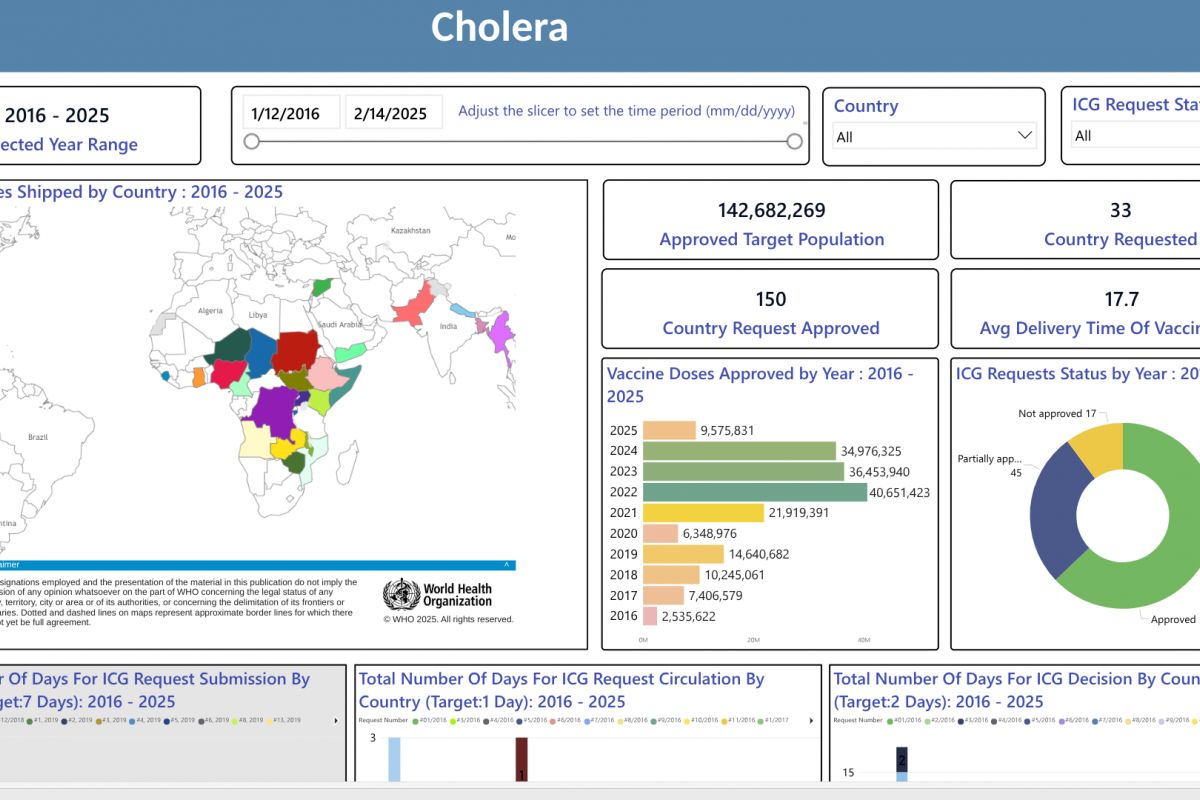
OCV Production Dashboard Feb. 2025

The World Health Organization (WHO) today announced two very positive trends related to the 7th cholera global outbreak.

On February 20, 2025, the WHO confirmed a 27% decrease in cholera cases since December 2024. A total of 34,799 new cholera and/or Acute Watery Diarrhoea cases were reported from 19 countries, territories, and areas across three WHO regions.

The period also saw a 33% decrease in related fatalities from the previous month.

This decrease was recorded despite a new cholera outbreak in Angola.

Additionally, the WHO reported that in January 2025, Oral Cholera Vaccine (OCV) production reached 6.2 million doses, a recent high point compared to December 2024, when 5.5 million doses were produced.

This progress follows introducing and prequalifying a new vaccine formulation and manufacturing process earlier in 2024.

However, the current OCV production has yet to meet growing global demand, and demand continues to exceed supply, says the WHO.

In the United States, OCVs will be offered at travel clinics and pharmacies in 2025.

Feb 20, 2025 • 2:18 pm CST
by Patrick Sommer

The U.S. CDC's Advisory Committee on Immunization Practices (ACIP) today announced it has postponed next week's vaccine review meeting. This ACIP meeting was scheduled from February 26 to 28, 2025.

The draft agenda had been posted in early February. 

As of February 20, 2025, the CDC's website stated, 'The ACIP workgroups met as scheduled this month and will present at the upcoming ACIP meeting.'

The next regularly scheduled ACIP meeting is in late June 2025.

The ACIP holds about three annual meetings, which are open to the public. At these meetings, scientists review scientific data and vote on vaccine recommendations. The ACIP recommendations are then passed on to the CDC's Director, who makes the final decisions.

Feb 20, 2025 • 11:42 am CST
from Pixabay 2025

The World Health Organization says streptococcus pneumoniae is a leading cause of vaccine-preventable deaths globally, and new, innovative vaccines are needed to curtail this disease.

To address this need, Vaxcyte, Inc. recently announced that the first study participants had been dosed in the second and final stage of the ongoing Phase 2 study of VAX-31 in healthy infants.

This clinical study evaluates the safety, tolerability, and immunogenicity of VAX-31, a 31-valent pneumococcal conjugate vaccine (PCV) candidate designed to prevent invasive pneumococcal disease (IPD) in healthy infants.

“PCVs have demonstrated the ability to deliver herd immunity to protect against devastating diseases caused by Streptococcus pneumoniae bacteria, and our technology has the potential to deliver best-in-class PCVs with broader coverage for both infants and adults,” said Jim Wassil, Executive Vice President, and Chief Operating Officer of Vaxcyte, in a press release on February 5, 2025.

“Based on the body of positive evidence from the VAX-31 and VAX-24 adult Phase 1/2 programs, we believe our carrier-sparing platform has the potential to set a new standard in disease coverage.”

The Company expects to share topline data from the primary three-dose immunization series of the study in mid-2026, followed by topline data from the booster dose approximately nine months later.

In children under five. Pneumococci also cause over 50% of all cases of bacterial meningitis in the U.S. And pneumococcal pneumonia is estimated to result in approximately 150,000 hospitalizations yearly. 

And Streptococcus pneumoniae is among the top antibiotic-resistant pathogens to be urgently addressed, and the U.S. CDC lists drug-resistant  Streptococcus pneumoniae as a “serious threat.”

This indicates the need for expanding PCV vaccinations is essential.

Feb 19, 2025 • 3:53 pm CST
USDA 2025

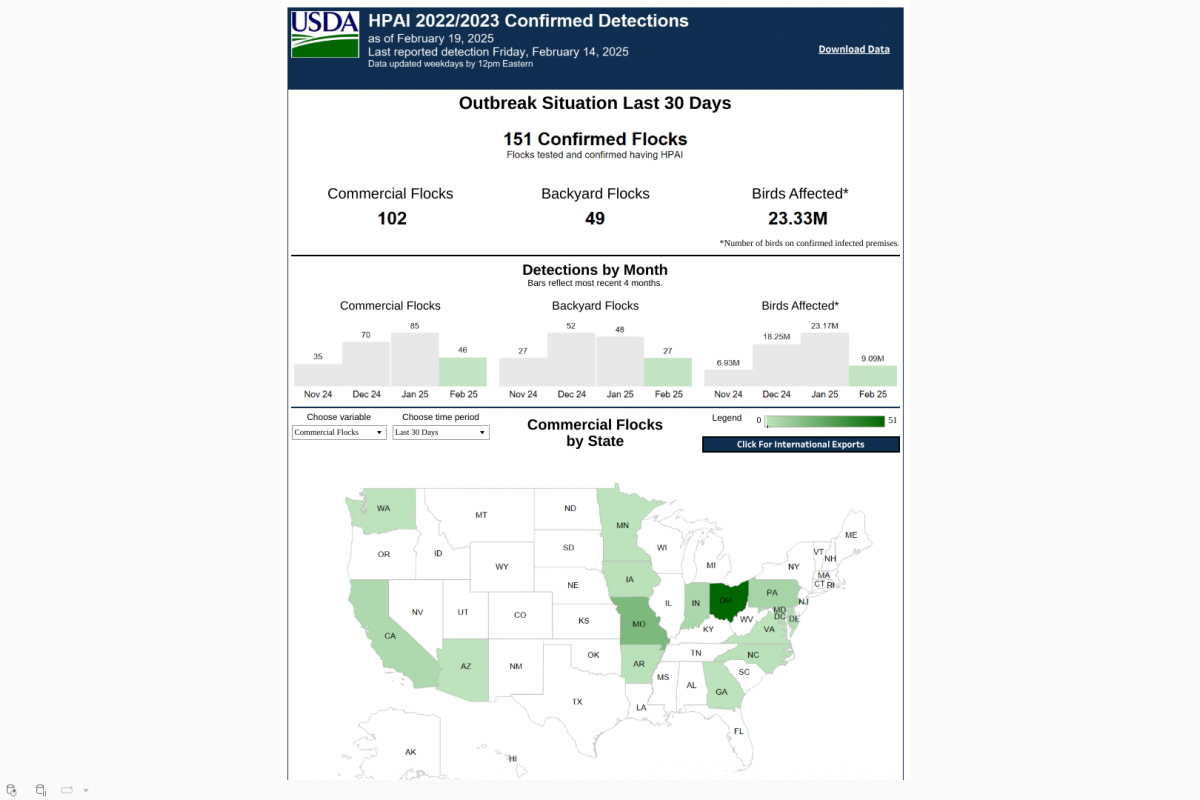
With the detections of the Eurasian H5 strain of highly pathogenic avian influenza (HPAI) in wild birds, domestic poultry, and mammals over the past few years, Canada took action today to prepare for a pandemic.

As of February 19, 2025, the Public Health Agency of Canada (PHAC) and its partners have secured an initial supply of 500,000 doses of GSK's human vaccine against HAPI infections – Arepanrix H5N1 A/American wigeon clade 2.3.4.4b.

This U.S. FDA-approved vaccine will be part of Canada's contingency planning. PHAC will provide vaccines to provinces and territories using an equitable and risk-based approach. Sixty percent of available doses will go to provinces and territories, and 40 percent will be kept in a federal stockpile.

It is common to detect avian influenza in wild birds, as viruses circulate freely in those populations without the birds appearing sick. While the current risk to the public remains low, individuals with higher-level exposure to infected animals are at increased risk for avian influenza.

Dr. Theresa Tam, Canada's Chief Public Health Officer, commented in a press release, "By making human vaccines against avian influenza  available for potential use in individuals at increased risk of exposure to avian influenza as part of our readiness, we are enhancing our capacity to protect people in Canada and respond  rapidly to emerging public health challenges."

The health agencies of the United States, the United Kingdom, Japan, Europe, and China have already approved and purchased avian influenza vaccines.

Feb 19, 2025 • 8:14 am CST
Google Maps 2025

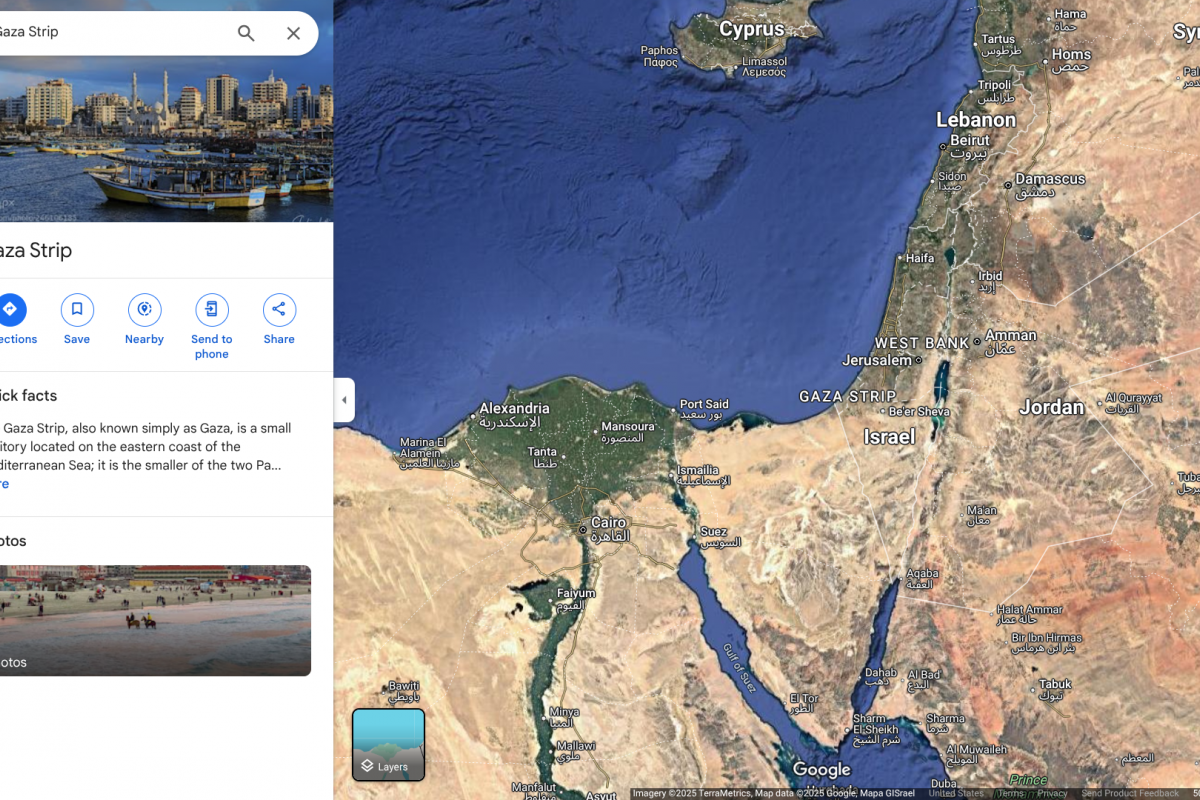
The continued detection of poliovirus in wastewater in 2025 signals the ongoing risk to children in the Gaza Strip. The virus poses a severe risk to children with low or no immunity throughout the region.

As poliovirus is found to remain in the environment, additional vaccination efforts are needed to strengthen population immunity.

Today, the World Health Organization (WHO) announced a third polio vaccination campaign to protect more children from this debilitating disease.

As of February 19, 2025, the WHO confirmed that over 591,000 children under 10 will receive the novel oral polio vaccine type 2 (nOPV2) in late February to protect them from polio.

Two previous vaccination rounds in the Gaza Strip were conducted in September and October 2024, and they reached over 95% of the target.

According to the WHO and the Global Polio Eradication Initiative, the nOPV2 vaccine, which has been 'triple-locked' using genetic engineering to prevent it from becoming harmful and producing a mutation, has been deployed over 1 billion times over the last few years.

To alert international travelers to this polio risk, the U.S. CDC updated its Level 2 Practice Enhanced Precautions, Global Polio Advisory, on January 14, 2025. The CDC says that before any trip to known poliovirus areas, you should ensure you are up to date on your polio vaccines.

In the United States, the single-antigen inactivated poliovirus vaccine has been available at clinics and pharmacies since 2000.

Feb 18, 2025 • 1:21 pm CST
Google Maps 2025

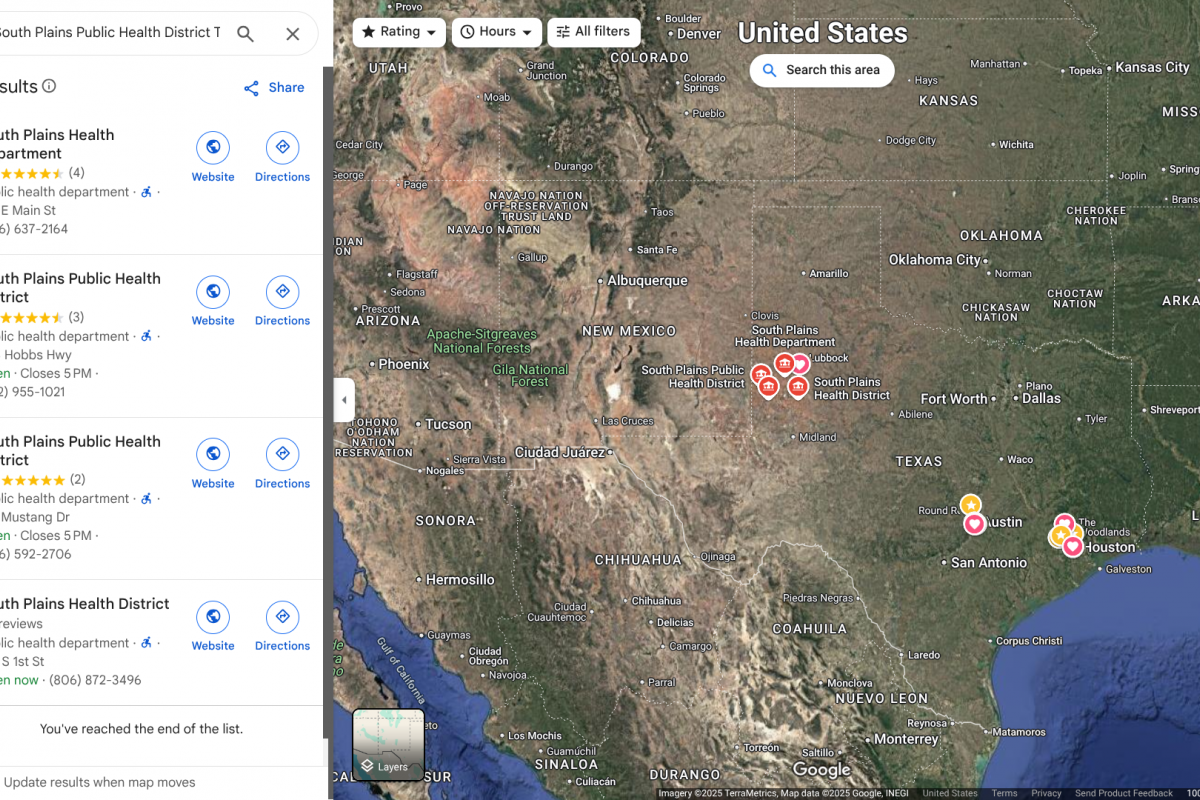
The Texas Department of State Health Services today is reporting an expansion of the measles outbreak in Texas.

As of February 18, 2025, the South Plains region has confirmed that 58 cases have been identified with symptom onset within the last three weeks. Fifty-four of these measles patients are unvaccinated or have unknown vaccination status.

Due to the highly contagious nature of this disease, additional outbreaks are likely to occur in Gaines County, Lubbock, Lynn, Terry, and Yoakum countries in western Texas.

DSHS released a media release stating it 'is working with South Plains Public Health District and Lubbock Public Health to investigate the outbreak.'

Just a few miles west of this Texas outbreak, the New Mexico Department of Health reported three residents tested positive for measles in February 2025.

Earlier in 2025, two measles cases were reported in the greater Houston area.

In 2024, the leading measles outbreaks in the U.S. were reported in Minnesota (70) and Illinois (67).

From a prevention perspective, the MMR vaccine has been found to be very effective against measles outbreaks. This vaccine is generally available at clinics and pharmacies throughout the United States.