Zika Breaking News

Zika breaking news brought to you by Zika News.

Feb 26, 2026 • 9:22 am CST
US CDC 2026

As millions of international travelers visit Malaysia in 2026, local health authorities are sounding the alarm over a significant rise in tuberculosis (TB) cases nationwide.

The Malaysian Ministry of Health (MOH) has reported a marked increase in TB infections in the early weeks of 2026, prompting updated advisories for visitors.

By mid-February 2026, the MOH recorded a total of 3,161 cases, representing a 10% rise compared to the same period in previous years.

In Kuala Lumpur and Putrajaya, 244 TB cases have been reported, approximately 7.7% of the national total.

For TB prevention, the Bacille Calmette-Guérin vaccine is not routinely given in countries with low incidence rates but may be recommended for high-risk travelers.

While TB is the primary public health concern this year, travelers should also be vigilant against endemic diseases such as dengue fever, malaria, and rabies.

Pre-travel vaccinations and preventive measures are crucial for mitigating health risks, according to guidance from the U.S. Centers for Disease Control and Prevention (CDC) and the World Health Organization.

Dengue fever remains a persistent threat, with outbreaks typically peaking during the rainy season, from October to February.

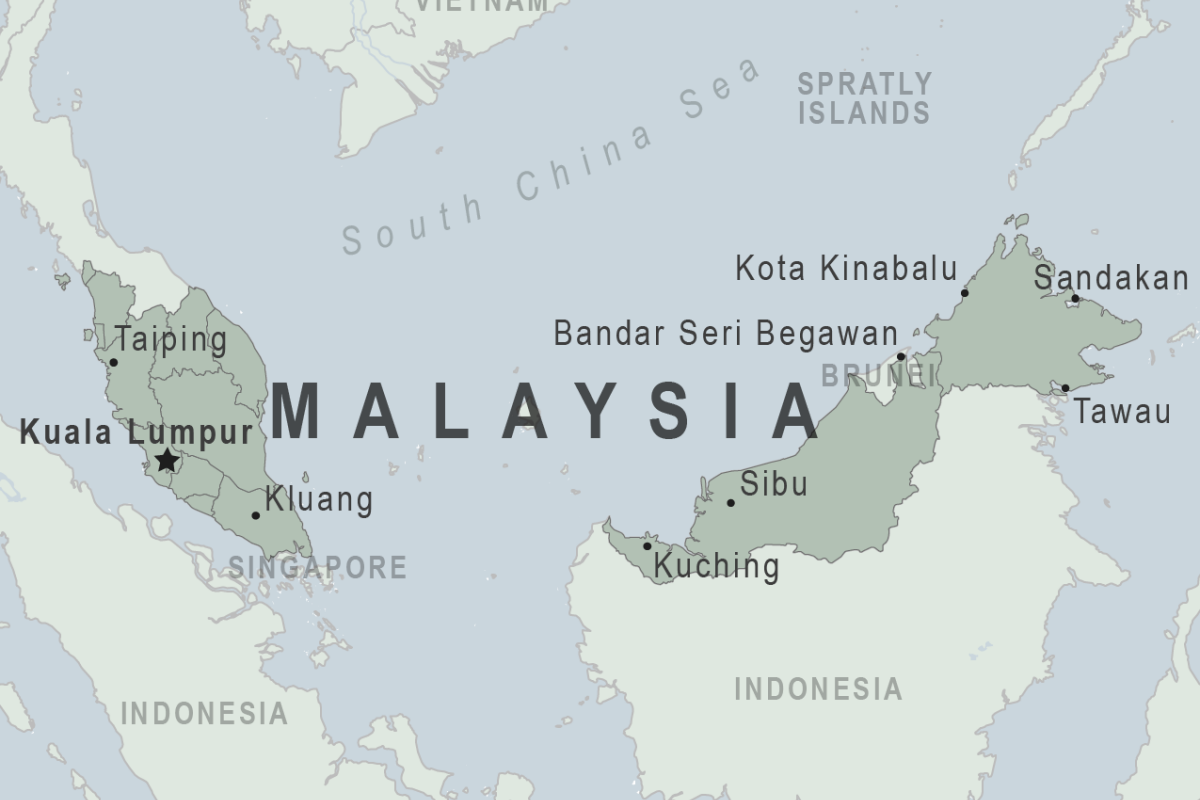
Malaria is prevalent in rural areas of Sabah and Sarawak on Borneo, although urban Peninsular Malaysia is generally considered low risk. Travelers to Borneo should consider taking antimalarial medications for added protection.

Over the last few months, an increased number of cases of rabies have been reported in humans in Sarawak, Malaysia. To prevent rabies, travelers should avoid wild animals and unfamiliar dogs and cats. Before traveling abroad, consult your healthcare provider about pre-exposure rabies vaccination.

With over 40 million international visitors arriving in Malaysia last year, the Ministry of Health advises everyone to take steps to stay healthy when visiting this Southeast Asian country. For the latest health updates, it is important to monitor information from the Malaysian Ministry of Health and CDC Travel Notices.

From a security perspective, the U.S. State Department's Level 2 - Exercise Increased Caution notice says Malaysia is generally a safe destination for travelers. However, visitors should exercise increased caution on islands and maritime areas off the coast of Eastern Sabah from Kudat in the north to Tawau in the south due to civil unrest.

The WHO emphasizes that safe travel requires proactive health planning and that ensuring vaccinations are administered well before departure is essential.

Feb 26, 2026 • 5:20 am CST
US CDC February 2027

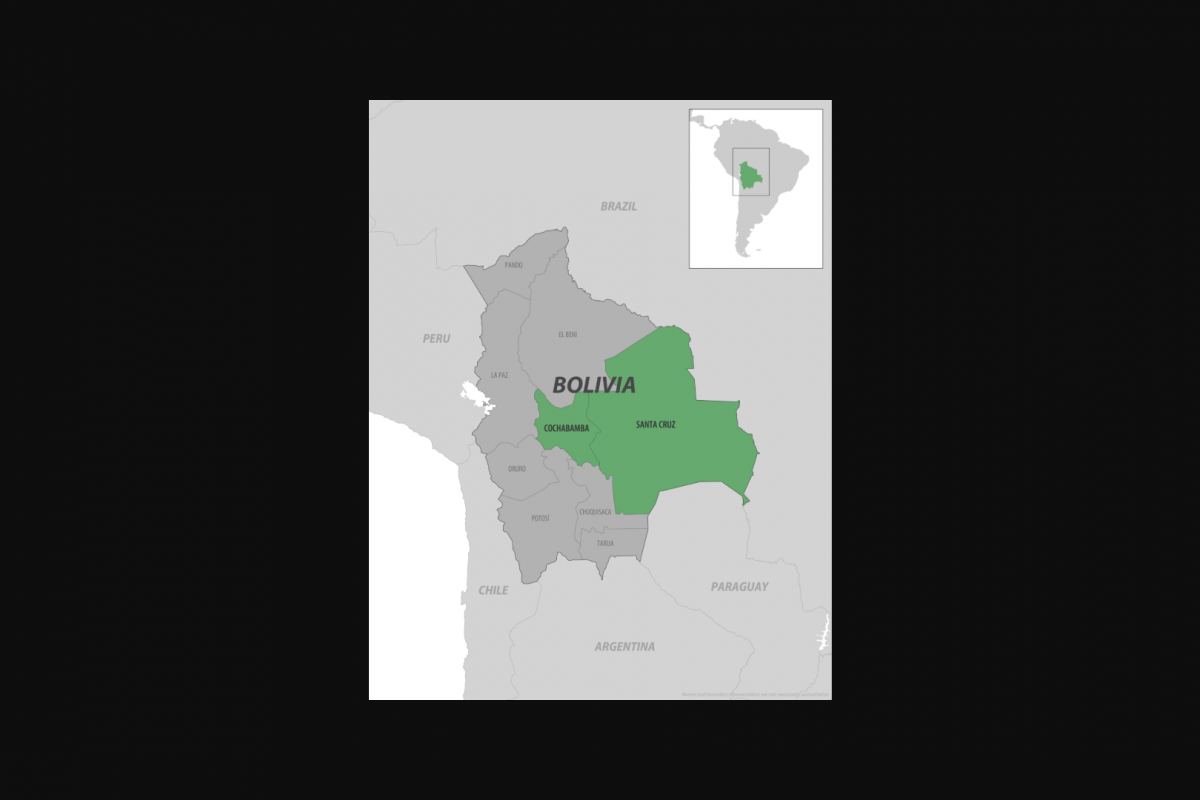
Bolivia is currently experiencing a significant rise in chikungunya cases, mainly driven by intense transmission in the Santa Cruz department.

This increase is part of a broader resurgence of the mosquito-borne virus across various regions of the Americas, as noted in an epidemiological alert issued by the Pan American Health Organization (PAHO) on February 26, 2026.

The outbreak in Bolivia has been linked to the identification of the East/Central/South African genotype of the virus.

According to the latest data from PAHO, Bolivia has recorded 5,518 chikungunya cases, including 3,976 confirmed cases. This represents a rapid increase over the past few days.

The department of Santa Cruz, in eastern Bolivia, has become the epicenter of this outbreak, with nearly 1,000 new cases, cumulative figures exceeding 3,000, and at least three cases documented there.

Other affected departments include Cochabamba (central Bolivia) and smaller numbers in Tarija, Beni, Chuquisaca, Pando, and others, indicating that outbreaks have recently spread across seven of Bolivia's nine departments.

In comparison, Bolivia reported 4,696 confirmed chikungunya cases and four deaths throughout the entirety of 2025. While fatalities are rare, the disease can lead to prolonged joint issues, particularly in vulnerable groups.

This rapid rise in cases has raised health concerns for the 1 million-plus visitors expected to arrive in Blovia this year.

The PAHO currently advises no travel restrictions for Bolivia.

The U.S. Centers for Disease Control and Prevention (CDC) issued a Level 2 – Practice Enhanced Precautions Travel Health Notice for chikungunya in Bolivia on February 11, 2026, specifically highlighting outbreaks in the Santa Cruz and Cochabamba departments.

The CDC suggests consulting a travel health provider about vaccination options before visiting and seeking medical care promptly if symptoms appear during or after travel, as the virus can cause long-term effects.

Feb 25, 2026 • 9:05 am CST
Afif Ramdhasuma

Cervical cancer continues to pose a significant public health challenge worldwide, including in India, where it results in over 42,000 deaths each year.

In response to this pressing health issue for women, India's Union Health Ministry is launching a free nationwide vaccination program against the Human Papillomavirus (HPV) to help prevent this largely vaccine-preventable disease.

Set to begin in late February 2026, this initiative aligns with global efforts led by the World Health Organization (WHO) to eliminate cervical cancer by 2030. In India, approximately 12 million girls will be eligible for vaccination each year.

Following WHO recommendations, the program will provide a single-dose regimen for adolescents, which has demonstrated strong immunity with efficacy rates exceeding 93% against persistent HPV infections. An optional second dose may be offered after 3 to 5 years if needed.

The vaccine supply is supported by Gavi, the Vaccine Alliance, which has secured millions of doses to ensure access across the Indian subcontinent. Vaccinations will be administered voluntarily and at no cost through government health facilities, including Ayushman Arogya Mandirs, community health centers, district hospitals, and medical colleges.

For this national program, India has selected Gardasil. This quadrivalent recombinant vaccine protects against four key HPV types: high-risk oncogenic strains 16 and 18, responsible for approximately 70% of cervical cancers globally, as well as low-risk types 6 and 11, which cause about 90% of genital warts.

Meanwhile, the locally produced Cervavac vaccine is still commercially available in India's private sector. Approved in 2022, it is India's first domestically produced quadrivalent HPV vaccine.

While India's selection of the older Gardasil vaccine prioritizes cost-effectiveness and core protection against the most prevalent cancer-causing strains in the region, the U.S. offers a nonavalent option that provides broader coverage.

The leading HPV vaccine in the U.S. is Gardasil 9, recommended by the Centers for Disease Control and Prevention (CDC) for routine immunization starting at ages 11-12. Gardasil 9 expands protection to nine HPV types, preventing up to 90% of cervical cancers and additional HPV-related conditions such as anal, oropharyngeal, and vulvar cancers.

Notably, the U.S. CDC updated its guidelines in January 2026 to recommend a single-dose schedule for children, reflecting emerging evidence of long-term efficacy from just one dose. 

The CDC recommends consulting healthcare providers for personalized advice on HPV vaccination.

Feb 24, 2026 • 12:18 pm CST
Enrique P.

Spain, a favorite destination for international travelers in 2026, is currently facing a concerning rise in mpox (monkeypox) cases within the European Union.

Health authorities have reported an increase in infections primarily linked to the more transmissible clade Ib variant of the monkeypox virus (MPXV).

According to the latest update from the European Centre for Disease Prevention and Control (ECDC) on February 18, 2026, Spain has confirmed 84 mpox cases in 2026.

Most of Spain's cases (36 out of 84) involve the MPXV clade Ib strain, which is known for its higher transmissibility compared to the clade II variant that was responsible for the global outbreak in 2022.

This ECDC data for week #8 makes Spain the hardest-hit country in the EU/EEA region, with a total of 255 cases reported across 10 countries during the same timeframe.

MPXV cases are distributed across multiple regions, indicating widespread community transmission rather than isolated clusters.

Specific city-level breakdowns in Spain for 2026 remain limited in public reports. Still, patterns point to urban centers, such as Madrid, which has been a primary hotspot, consistent with historical trends and the location of the initial autochthonous clade Ib case identified in October 2025.

Other regions with likely involvement include Catalonia (Barcelona) and Andalusia (Seville and Malaga), which have seen higher incidences in past mpox surges.

This rise in cases follows sporadic local transmissions reported in late 2025, including the first documented human-to-human transmission of clade Ib outside of Africa in December 2025.

The multi-regional spread underscores the need for nationwide vigilance, as transmissions occur mainly within sexual networks, particularly among men who have sex with men (MSM).

Local data highlights significant gaps in mpox protection. Among 72 mpox cases in MSM, the ECDC reports 66% were unvaccinated.

This low uptake reflects challenges in pre-exposure prophylaxis campaigns.

The MVA-BN (JYNNEOS) vaccine has proven effective in reducing risks, but waning immunity and incomplete coverage are contributing to the current resurgence.

As of late February 2026, the Spanish Ministry of Health, in coordination with the ECDC, has intensified efforts, including enhanced vaccination drives, contact tracing, and community engagement focused on MSM networks.

While the U.S. CDC has included Spain in Measles and Polio Travel Health Notices, it does not mention Mpox as a current risk for visitors.

Feb 24, 2026 • 5:42 am CST
Michelle Pitzel

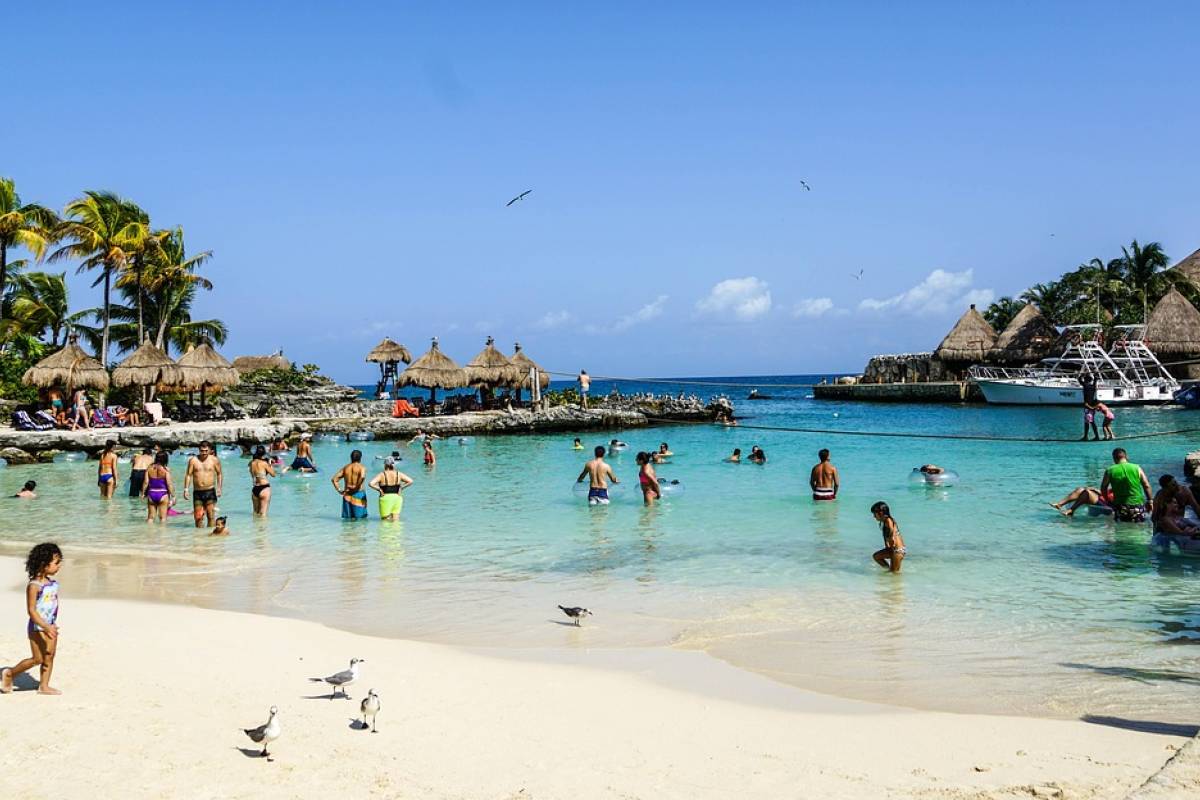
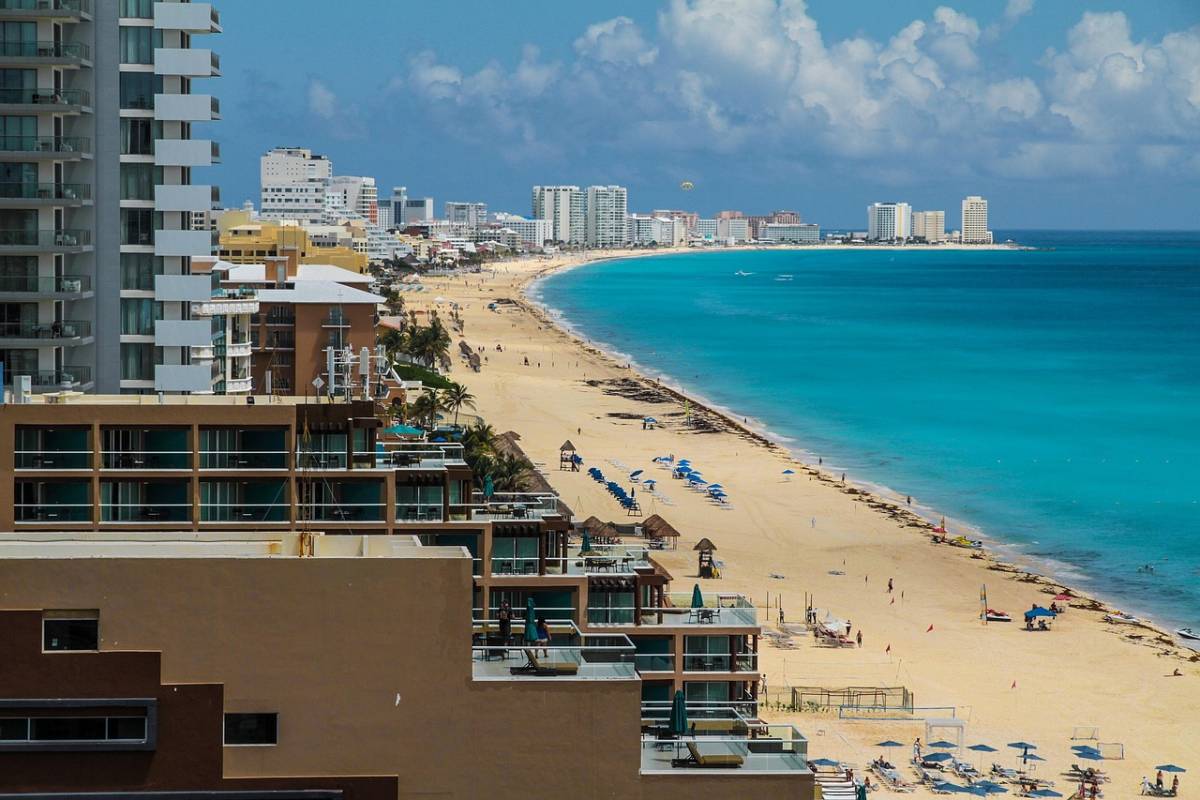
As the peak tourist season and spring break 2026 approach, health authorities urge travelers heading to the sunny beaches of Cancun and the Riviera Maya to take extra precautions against mosquito-borne illnesses.

Although overall dengue cases in the Americas have significantly decreased in early 2026 compared to recent years, local transmission of key viruses continues in popular resort areas like Quintana Roo.

According to the latest data from the Pan American Health Organization (PAHO) posted on February 24, 2026, the Americas reported 122,090 suspected dengue cases through the end of January 2026.

The PAHO data indicate Mexico has experienced relatively low activity so far this year, with only 185 confirmed cases and about 1,972 probable cases nationwide in the first weeks of 2026.

However, Quintana Roo ranks among the states with the highest dengue activity, reporting 294 probable infections this year.

Aedes mosquitoes spread dengue and remain endemic in coastal regions. Symptoms include high fever, severe headache, eye pain, joint and muscle aches, nausea, and rash. In severe cases, it can lead to life-threatening complications.

Additionally, there is an elevated risk of chikungunya, which is transmitted by the same mosquitoes.

PAHO has noted an increase in chikungunya cases across parts of the Americas since late 2025, with a re-emergence in some areas after years of low activity. Locally acquired chikungunya cases have been reported in Quintana Roo and nearby states in early 2026.

Chikungunya causes intense joint pain that can last for months, along with fever and rash.

Zika continues to circulate at low levels in Mexico, with the U.S. Centers for Disease Control and Prevention (CDC) categorizing it as an area with current or past transmission. While most Zika cases are mild, it poses a serious risk to pregnant women due to the potential for congenital disabilities, such as microcephaly.

The risk of malaria in Cancun and surrounding resort zones remains very low, and the CDC does not recommend routine prophylaxis for these urban and tourist areas.

And recently, cases of New World screwworm myiasis have been reported in Mexico.

The CDC, along with health authorities such as the UK's TravelHealthPro, the Government of Canada, recommends that all travelers to Mexico—including Cancun—ensure they are up to date on routine vaccinations before departure.

Additionally, travel vaccine clinics offer expert advice for those visiting high-risk areas.

Note: Recent U.S. Embassy alerts for Quintana Roo (including Cancun, Playa del Carmen, Tulum, and Cozumel) have recently focused on security issues, advising shelter-in-place in some cases. Check official sources for the latest safety updates.

Feb 23, 2026 • 4:19 pm CST
Pixabay 2026

The Norwegian Bliss, a cruise ship that operates from Seattle, has canceled scheduled stops in Puerto Vallarta, Mexico, due to escalating chaos in Jalisco that started yesterday.

This change affects its seven-day Mexican Riviera itinerary departing from Los Angeles. Passengers were informed by the captain shortly after departure that the ship would skip the planned Puerto Vallarta stop on February 25, 2026.

Norwegian Cruise Line confirmed the cancellation on February 23, 2026, stating that the ship would likely spend the day at sea.

The Norwegian Bliss, known for its size and entertainment options, operates Alaska cruises in the summer and Mexican itineraries in the winter, highlighting how quickly security situations can disrupt cruise schedules.

"The safety and well-being of our guests, crew, and the communities we visit are always a top priority. Due to ongoing security operations and a recent U.S. travel warning for certain areas in Mexico, the scheduled call to Puerto Vallarta has been canceled."

Media outlets have reported that other cruise lines, including Princess Cruises, have also canceled or rerouted stops in Puerto Vallarta. Still, ports like Cabo San Lucas and Mazatlán remain unaffected for now.

Additionally, cruise ships on Mexico's east coast have not announced voyage changes.

As of February 23, 2026, the U.S. CDC's Vessel Sanitation Program, which helps the cruise industry prevent and control public health issues, has not issued any statements about the situation in Mexico.

Feb 23, 2026 • 1:58 pm CST
Pixabay 2026

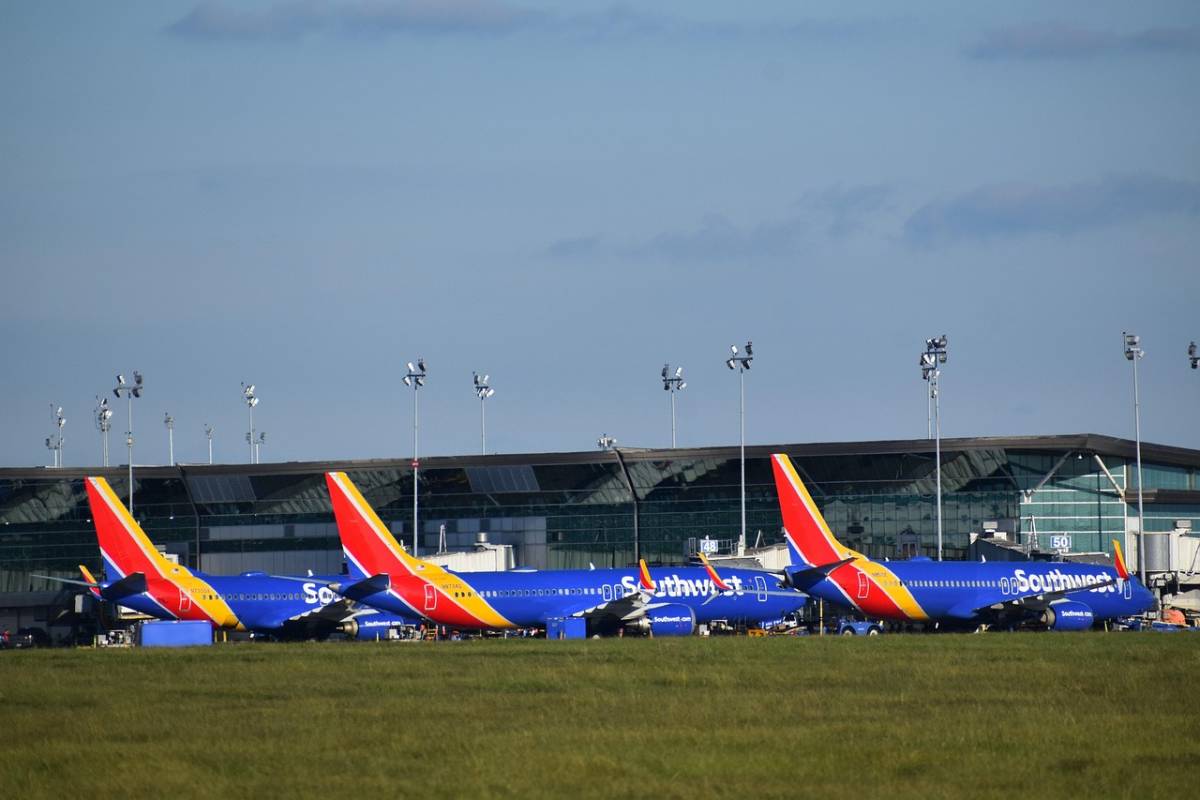
Southwest Airlines is facing significant operational disruptions on Monday, February 23, 2026, for select flights to Mexico due to ongoing civil unrest.

As of today, the airline has fully suspended operations to Puerto Vallarta (PVR), with no flights scheduled despite initially planning eight (four in each direction) from key hubs like Dallas Love Field.

The main impacts are concentrated on PVR and its surrounding areas.

Southwest's official travel advisory warns that there may be potential delays or cancellations for PVR services through Wednesday, February 25, 2026.

Flight tracking data from sources such as FlightAware indicates that Southwest has canceled approximately 75% of its PVR flights amid the unrest, following four confirmed cancellations on Sunday.

Other airlines, including American, Delta, and United, have also either halted or reduced their service to PVR and Guadalajara (GDL), with some reporting cancellation rates as high as 76% for flights to these destinations.

In contrast, flights to Cancun (CUN) from Southwest are not currently experiencing widespread cancellations or suspensions related to the unrest.

Although the U.S. Embassy has updated its security alert to include the Quintana Roo state—advising U.S. citizens in locations such as Cancun, Cozumel, Playa del Carmen, and Tulum to shelter in place due to potential road blockages and criminal activity—there have been no reported airport closures or extensive flight disruptions at Cancun International Airport.

Southwest continues to operate nonstop service to CUN from U.S. cities such as Houston Hobby, Dallas Love Field, and Chicago Midway, with real-time status indicating normal operations as of 1:41 pm CST.

However, some sources note Cancun as part of the broader list of affected areas, though without specific airline cancellations beyond general waivers offered by other carriers for flexibility.

Flights to other unaffected Mexican hubs, like Mexico City, also remain operational.

Southwest says it prioritizes passenger and employee safety and offers flexible options for affected passengers and employees. As of 2 pm today, the Southwest website had not posted an official statement regarding Mexico's civial unrest.

Previously, the U.S. State Department said travelers to any Mexican destination, including Cancun, should exercise caution and avoid affected areas.

The situation in Mexico continues to evolve rapidly, with authorities working to restore order, the U.S. government says.

Currently, no proof of vaccination is required to visit Cancun or other parts of Mexico.

Feb 23, 2026 • 12:00 pm CST
Texas DPS 2026

Amid escalating civial unrest in parts of Mexico, Texas Governor Greg Abbott has urged Texans currently in Mexico to heed urgent warnings from the U.S. Department of State.

As of February 23, 2026, the U.S. State Department's various advisories highlight ongoing security operations, road blockages, and criminal activity that have disrupted travel and daily life across multiple Mexican states, raising concerns about the safety of crossing the U.S.-Mexico border, particularly along the Texas border.

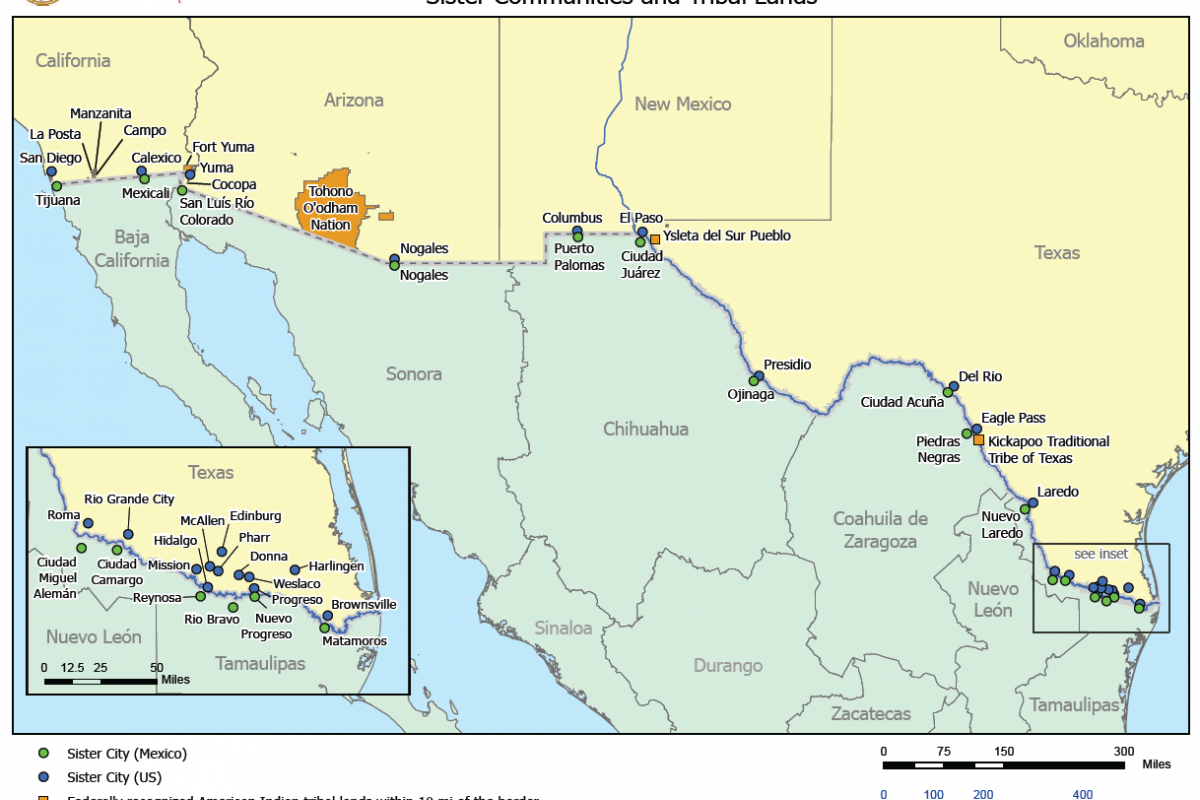
Four Mexican states share borders with the state of Texas: Tamaulipas, Nuevo León, Coahuila, and Chihuahua.

Governor Abbott emphasized that the safety of Texans is his top priority. "Texans' safety is my top priority, whether they are here at home or traveling abroad," he stated in a press release.

"I urge all Texans in Mexico to follow the guidance of U.S. officials, stay alert, and ensure they maintain contact with the U.S. Embassy or nearest U.S. Consulate."

"Situations on the ground can change quickly, and staying informed can save lives."

The Texas Department of Public Safety (DPS) is coordinating with the U.S. Department of State and the FBI to monitor developments and share information. Abbott has directed the DPS to enhance operations in Texas border regions in response to potential spillover risks from the cartel violence.

For those considering crossing the Mexico-Texas border today, via ports like Laredo, Eagle Pass, Brownsville, or El Paso, official guidance does not impose a blanket ban on crossings. However, the situation remains fluid as of 11 am CT on Monday.

Travelers to Mexico and those Americans already there are strongly encouraged to enroll in the Smart Traveler Enrollment Program to receive digital alerts.

U.S. citizens needing assistance can contact the U.S. Department of State at 1-888-407-4747 (from the U.S.) or 1-202-501-4444 (from abroad), or the Texas Fusion Center at 1-844-927-0521, and check for updates before any border travel.

Feb 23, 2026 • 8:18 am CST
Michal Jarmoluk

With just a few weeks left until Spring Break 2026 in the United States, one of Mexico's most popular tourist destinations is facing concerns among travelers.

On February 23, 2026, travelers at Cancun International Airport faced significant disruptions, with dozens of flights delayed or canceled, leaving hundreds stranded amid heightened security measures. Airport officials have confirmed that Cancun International Airport (CUN) remains operational, with no reported closures.

The chaos at CUN stems from broader regional instability, prompting urgent security warnings from the U.S. Embassy in the area.

The disruptions are linked to road blockages and criminal activity across multiple Mexican states, which have indirectly impacted airline operations by complicating crew movements and logistics.

According to the U.S. government, while the most severe flight cancellations have hit airports in Puerto Vallarta and Guadalajara—where roadblocks have led to the suspension of most services—Cancun has not been spared. Reinforced security presence at the airport has helped maintain functionality, but airlines are working to stabilize schedules as ripple effects continue throughout the day.

Compounding the travel woes, the U.S. Embassy in Mexico issued an updated security alert on February 22, 2026, urging American citizens in Cancun and other parts of Quintana Roo state—including Cozumel, Playa del Carmen, and Tulum—to shelter in place until further notice.

The alert cites ongoing security operations, road blockages, and heightened criminal activity as the primary concerns.

The State Department's travel advisory for Quintana Roo remains at Level 2: Exercise Increased Caution, warning of risks from civil unrest. The local U.S. embassy emphasized that while no airports have been closed nationwide, travelers should monitor local media, check road conditions, and keep family informed of their whereabouts.

In addition to security concerns, travelers to Cancun and the surrounding areas in Quintana Roo should be aware of ongoing risks from mosquito-borne illnesses, including dengue, chikungunya, and Zika. These diseases, transmitted primarily by Aedes mosquitoes, have seen varying levels of activity in Mexico over the past two years.

Dengue remains endemic in Mexico, with significant fluctuations in case numbers. In 2025, Mexico reported approximately 141,421 totalcases, resulting in 85 deaths nationwide.

Quintana Roo and neighboring states such as Veracruz and Sonora accounted for a notable share of cases last year.

As of early 2026 (through epidemiological week 4), Mexico has seen low activity, with 185 confirmed cases and 1,972 probable cases reported in the first two weeks alone.

This is an 83% decrease compared to the same period in 2025, but experts warn of potential seasonal increases as the year progresses.

Chikungunya transmission in Mexico has been sporadic and low in recent years. In 2025, only a handful of cases were documented nationwide, with reports indicating just four confirmed infections, primarily in southern states like Quintana Roo, Chiapas, and Yucatan.

The Pan American Health Organization (PAHO) notes that Zika virus activity in Mexico has declined sharply since the 2015-2016 epidemic. In 2025, only four confirmed cases were reported nationwide, a significant drop from 30 in 2024.

The PAHO says Zika poses particular risks to pregnant women due to potential birth defects.

The U.S. CDC and PAHO emphasize mosquito bite prevention as the primary defense against dengue, chikungunya, and Zika, given the lack of widespread vaccines for all three.

While the World Health Organization recommends the second-generation Qdenga vaccine, it is unavailable in the USA. 

However, chikungunya vaccines are available and may be considered for travelers planning extended stays (e.g., 6 months or more) in areas with elevated risk, such as Quintana Roo.

Travelers with underlying health conditions and who are undervaccinated should seek pre-travel medical advice from a travel vaccine expert.

As the safety and health situations in Mexico evolve, travelers are urged to prioritize safety and heed official guidance from both Mexican authorities, the U.S. Embassy, the PAHO, and the CDC.

Feb 23, 2026 • 5:30 am CST
US State Department 2026

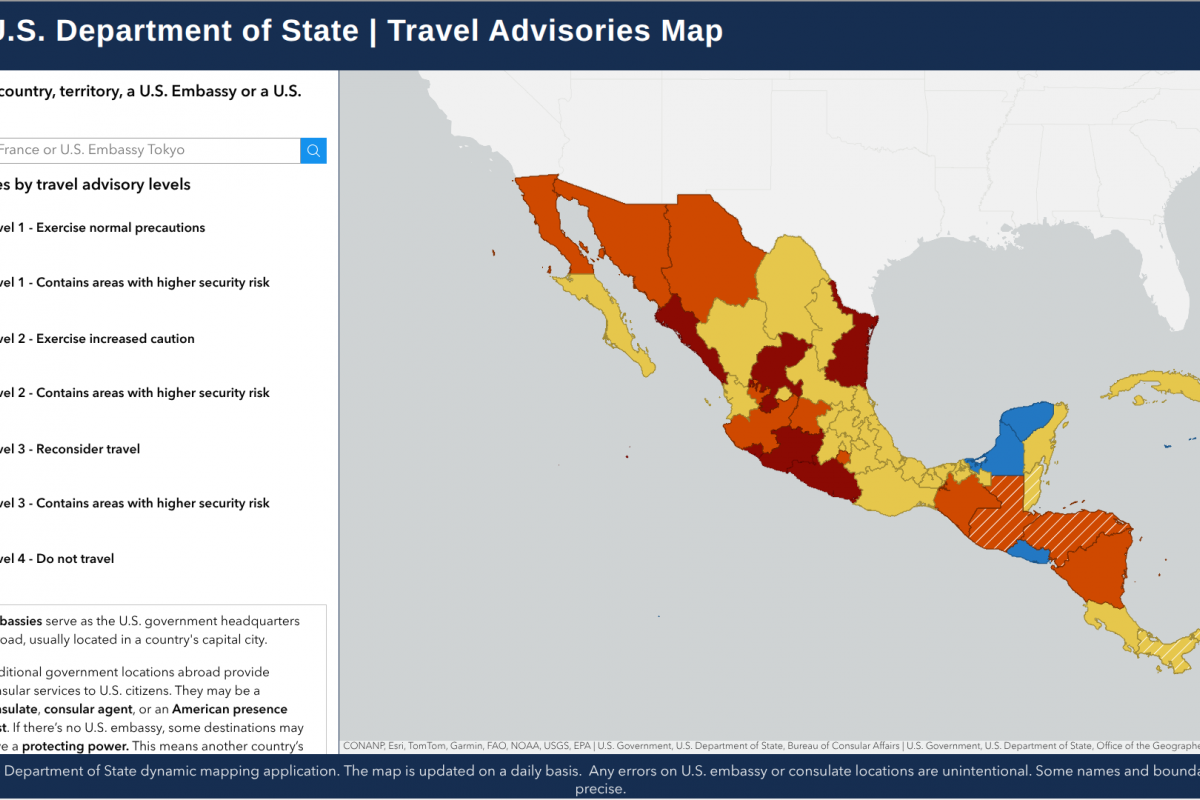
According to the U.S. Embassy and Consulates in Mexico, due to ongoing security operations, road blockages, and criminal activity, U.S. citizens in several locations in Mexico are advised to shelter in place.

As of February 23, 2026, Security Alert – Update 3 says U.S. government staff in Guadalajara (Jalisco), Puerto Vallarta (Jalisco/Nayarit), Ciudad Guzmán (Jalisco), Cancun (Quintana Roo), Playa del Carmen (Quintana Roo), Cozumel (Quintana Roo), Reynosa (Tamaulipas), Tijuana (Baja California), and Michoacán will shelter in place and work remotely on February 23.

Furthermore, U.S. citizens are encouraged to do the same.

Additionally, all U.S. government staff at the Consulate General in Monterrey have been instructed to remain within the Monterrey metropolitan area and advised not to travel to Mazatlán until Wednesday, February 25, 2026.

Regarding air travel, roadblocks have impacted airline operations, with most domestic and international flights cancelled in both Guadalajara and Puerto Vallarta.

All ride shares are suspended in Puerto Vallarta. Some businesses have suspended operations. And Mexican authorities announced that operations on toll roads in Puebla, Guerrero, Tamaulipas, Nayarit, San Luis Potosi, Tijuana, Queretaro, Veracruz, and Mazatlan will be temporarily curtailed due to blockades that have affected motorists.

These are a few of the actions the U.S. Department of States says people should take: Seek shelter and minimize unnecessary movements, Avoid areas around law enforcement activity, Check @CAPUFE on X for the status of road closures, Monitor local media for updates, Follow the directions of local authorities and in case of emergency, call 911, and Keep family and friends advised of your location and well-being via phone, text, and social media.

Seperately, Texas Governor Greg Abbott urged Texans currently in Mexico, as well as those with family members or friends traveling there, to closely follow warnings from the U.S. Department of State. "Texans' safety is my top priority, whether they are here at home or traveling abroad," said Governor Abbott in a press release.

"I urge all Texans in Mexico to follow the guidance of U.S. officials, stay alert, and ensure they are in contact with the U.S. Embassy or nearest U.S. Consulate. Situations on the ground can change quickly, and staying informed can save lives," added Abbott.

Since August 12, 2025, the State Department has issued Level 4 - Do not travel notices for several Mexican states. 

Currently, the U.S. government recommends that you visit your health provider at least 1 month before traveling to Mexico to update your vaccinations.

Feb 22, 2026 • 4:39 pm CST
Google Maps 2026

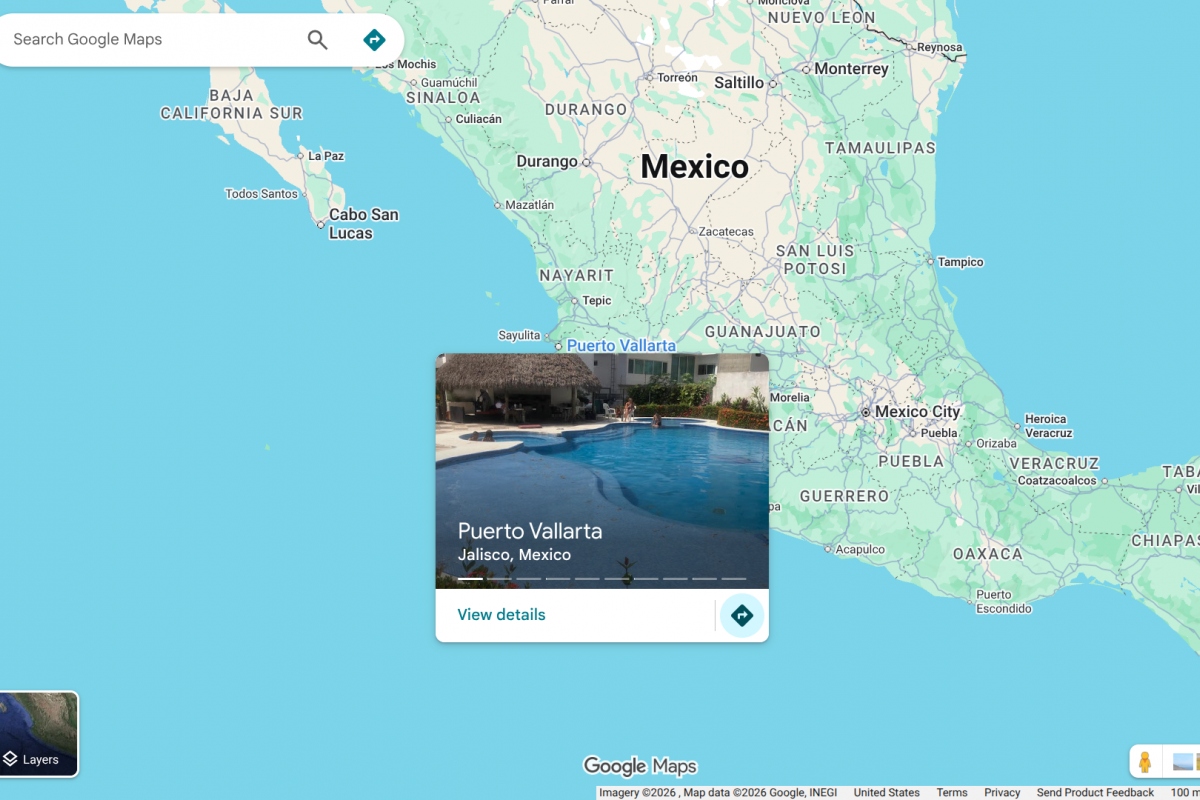
Puerto Vallarta, a popular beach resort in Mexico that welcomed over six million visitors in 2025, has recently experienced unrest.

Authorities in Puerto Vallarta declared a Code Red alert, advising both residents and tourists to stay indoors.

In response, the U.S. State Department and Global Affairs Canada have issued shelter-in-place travel advisories for Jalisco and nearby regions. As of late February 22, 2026, no tourists or civilians appear to be directly affected by the civil unrest.

However, Puerto Vallarta International Airport has seen multiple flight cancellations, impacting airlines such as Air Canada and WestJet.

While Puerto Vallarta is generally considered safer than other Mexican states, visitors are advised to monitor airline updates, official advisories, and local news, as the situation remains fluid.

The State Department recommends that Americans in Mexico register for the Smart Traveler Enrollment Program, a free service that provides digital alerts in case of an emergency.

According to the U.S. CDC's Travel Health Notices, cases of New World screwworm myiasis, measles, dengue, chikungunya, and malaria have been reported in various Mexican states in early 2026. The CDC suggests prospective travelers to Mexico speak with a travel vaccine advisor about immunization options before departing abroad.

Feb 22, 2026 • 5:51 am CST
Google Maps 2026

With the global resurgence of the highly contagious measles virus, Southeast Asia is being affected by infected international travelers, including the city-state of the Republic of Singapore. In early 2026, Singapore's Communicable Diseases Agency (CDA) reported a significant increase in measles cases.

Despite historically high vaccination rates, measles remains a significant public health concern in Singapore.

By mid-February 2026, the CDA had recorded 13 confirmed measles cases for the year, including 11 in January alone, surpassing the 11 cases reported for the entire 2024 and nearing the 27 cases seen in 2025.

The CDA emphasized that all of the January cases involved individuals who were not fully vaccinated with the measles, mumps, and rubella (MMR) vaccine.

The vaccine has been compulsory for children since 1985, with the two-dose MMR regimen introduced in 1998.

While Singapore's robust public health system and high baseline coverage have so far limited widespread outbreaks among the six million residents, officials warn that sustained vigilance, including prompt reporting of suspected cases and strong adherence to vaccination, is essential to prevent outbreaks from escalating in our interconnected world.

As of February 22, 2026, proof of measles vaccination is not required for international visitors arriving in Singapore.

Feb 21, 2026 • 5:52 pm CST
Pixabay 2026

Researchers at Stony Brook University have developed an oral vaccine candidate based on a genetically modified, attenuated strain of Listeria monocytogenes. This vaccine stimulates powerful anti-tumor immune responses directly in the gut.

Led by immunologist Brian Sheridan, PhD, the research shows that the vaccine generates tumor-specific CD8+ T cells in the gastrointestinal tract.

In mouse models of colorectal cancer, the oral vaccine significantly improved tumor control, especially when combined with immune checkpoint inhibitors. This combination increases the infiltration of cancer-killing T cells into tumors.

Published on February 5, 2026, in the Journal for ImmunoTherapy of Cancer, the study presents a potential new strategy to overcome immunotherapy resistance in colorectal cancer, which is one of the leading causes of cancer-related deaths worldwide.

"The clinical significance of our laboratory findings is underscored by the vaccine performance in treating established tumors," says Dr. Sheridan. "While this vaccine alone initially curtailed local tumor growth, its true potential was revealed when combined with existing immune checkpoint inhibitors."

"This combination therapy led to profound tumor control in the model and suggests that the vaccine can effectively 'turn on' the immune system in tumors that were previously resistant to standard immune therapy," he explained in a press release.

Furthermore, the method demonstrated that oral immunization combined with immune checkpoint inhibitors induced the accumulation of tumor-specific CD8 T cells within the tumor microenvironment. These specialized immune cells remain stationed in the gut and provide immediate and long-lasting protection against cancer cells, a response not achieved by vaccination or immune checkpoint inhibitors alone. 

While the results are promising in preclinical models, human trials will be necessary to assess safety and efficacy.

Feb 21, 2026 • 5:14 am CST
US CDC 2026

Seasonal influenza activity remains elevated across much of the United States, though trends vary regionally, with some areas seeing declines in influenza A and rises in influenza B cases.

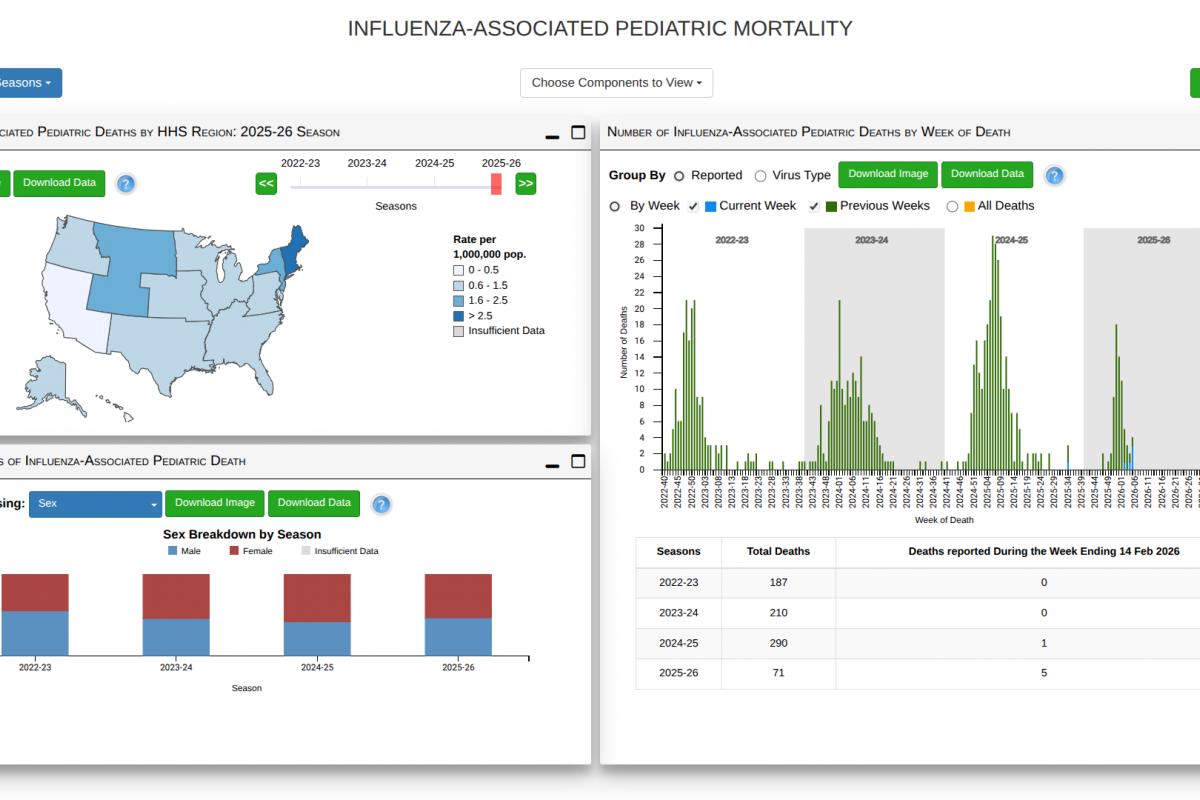
Unfortunately, the U.S. Centers for Disease Control and Prevention (CDC) has reported six new influenza-associated pediatric deaths in its FluView surveillance update for Week 6 of 2026.

This data highlights the ongoing serious risks posed by the virus to children.

Of the reported deaths on February 14, 2026, five occurred during the current 2025-2026 flu season, bringing the total number of pediatric fatalities this season to 71. These deaths happened during Weeks 2, 4, and 5 (ending January 17, January 31, and February 7, 2026).

Four deaths were linked to influenza A viruses, three of which were subtyped as A(H3N2).

Additionally, one death from the previous 2024-2025 season was reported this week, associated with influenza A(H1N1), bringing that season's final pediatric death total to 290.

Following an update to the U.S. childhood immunization schedule issued by the CDC on January 5, 2026, the annual influenza vaccine for children is now recommended based on shared clinical decision-making between parents or guardians and healthcare providers, rather than as a routine recommendation for all children aged 6 months and older.

Among the children eligible for vaccination and with known vaccination status, approximately 90% of the reported pediatric deaths this season occurred in those who were not fully vaccinated against influenza.

Health officials stress that this approach allows families to consider individual risk factors—such as age, underlying medical conditions, and community flu activity—when deciding whether to vaccinate. The CDC continues to emphasize that flu vaccination remains a crucial prevention tool during ongoing virus circulation.

Vaccination coverage data from the previous 2024-2025 season highlights ongoing challenges: only 50.2% of U.S. children aged 6 months through 17 years received at least one dose of the flu vaccine—the lowest coverage in the past 15 seasons.

As of early February 2026, interim coverage for the current 2025-2026 season stands at approximately 47.5%, similar to the same point last season.

The CDC urges parents to speak with their child's healthcare provider promptly about flu vaccination and to seek early antiviral treatment if flu symptoms develop in high-risk children.

As of February 21, 2026, flu shots remain available at clinics and pharmacies throughout the USA. However, the nasal flu shot is sold out for this season.

Feb 20, 2026 • 3:06 pm CST
by Dian A. Yudianto

As the 2025-2026 influenza season progresses to its later stages, FluMist® —the only nasal spray flu vaccine in the United States—has officially sold out.

The sell-out of FluMist reflects typical end-of-season patterns, as it has a shorter shelf life compared to injectable flu vaccines.

FluMist, a live attenuated influenza vaccine (LAIV), does not require needles and is approved for healthy individuals aged 2 to 49.

According to AstraZeneca's FluMist website, the flu shot is "no longer available to order for the 2025-2026 flu season."

Users are encouraged to sign up for notifications ahead of the next influenza season.

As of February 20, 2026, AstraZeneca has not disclosed exact dose numbers for FluMist, as product-specific distribution and administration data are typically reported after the season ends. In other countries, FluMist® is known as Fluenz® Tetra.

Historically, FluMist has accounted for a smaller market share than injectable alternatives.

A key highlight of this season was the launch of FluMist Home in August 2025, which allowed for self- or caregiver administration.

This direct-to-consumer service enabled eligible individuals to order the vaccine online through a medical screening process, with home delivery in 34 states, covering approximately 80% of the eligible population.

Meanwhile, as the flu season continues to peak in some states, injectable vaccines remain available from healthcare providers and pharmacies across the USA. For the latest updates, visit cdc.gov/flu, flumist.com, or consult your healthcare provider.