Vaccine News

Vaccine news brought to you by Precision Vaccinations.

Jul 26, 2025 • 11:46 am CDT
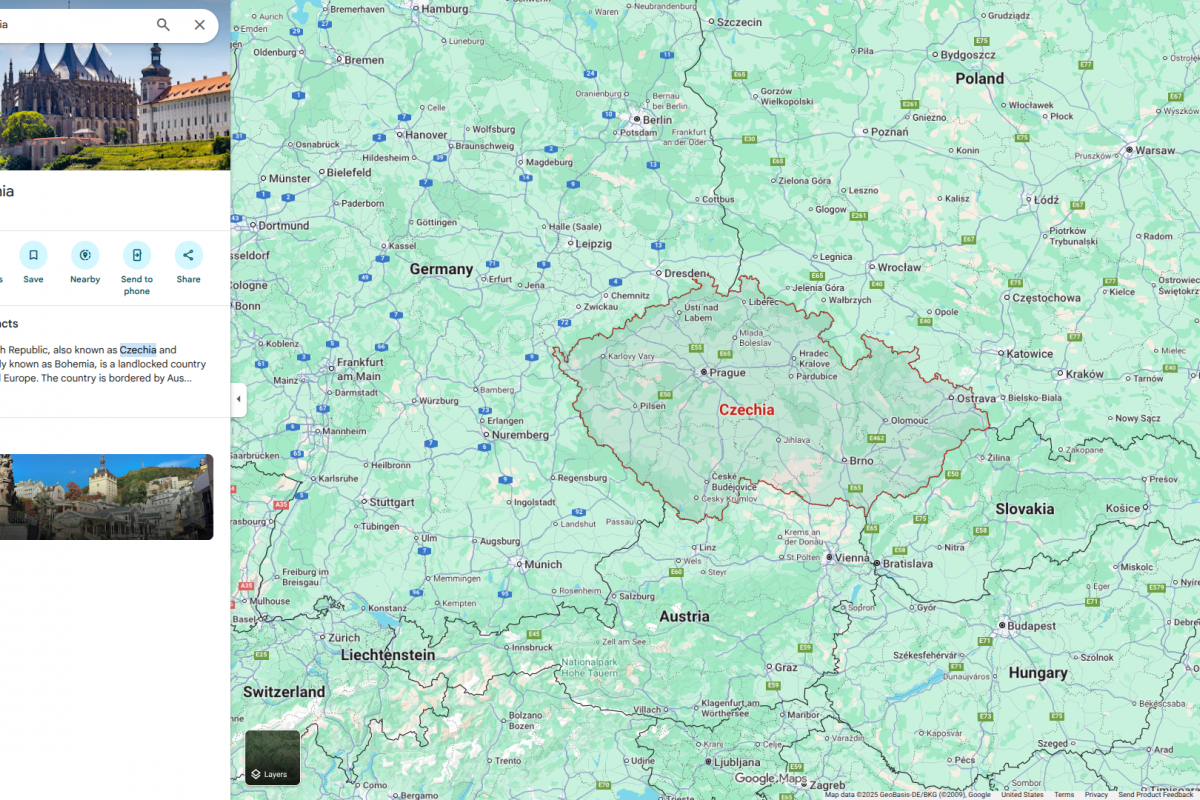
Google Maps July 26, 2025

The Centre for Health Protection (CHP) of the Department of Health in the People's Republic of China recently announced that the outbreak of Chikungunya fever (CF) has accelerated approximately 119 km north of the Hong Kong Special Administrative Region of China.

In July this year, an outbreak of CF occurred in the Shunde District of Foshan City, Guangdong Province, triggered by imported cases.

As of July 24, 2025, the CHP reported 3,645 confirmed cases in Foshan. The majority of cases (3,317) were reported in Shunde District.

All cases have been mild, with no severe or fatal cases reported to date.

Furthermore, there have been no confirmed cases of CF in Hong Kong, a city with over 7 million residents, since 2020.

'Although Aedes aegypti, the primary vector for spreading CF, is not found in Hong Kong, Aedes albopictus is another vector that can transmit CF. Imported cases of CF can lead to local transmission if mosquitoes bite them during the communicable period,' wrote the CHP.

Regarding Macao, located south of Guangdong Province on China's eastern coast, the first and second confirmed cases this year were recorded in mid-July. These patients travelled to Shunde and Nanhai, respectively, during the incubation period and were classified as imported cases.

Dr Tsui added in a press release that CF can easily lead to large-scale outbreaks in environments with severe mosquito infestations, placing a burden on the healthcare system. Therefore, CF should not be taken lightly.

The CHP currently recommends that the public use DEET-containing insect repellents or other effective active ingredients properly to prevent mosquito bites effectively.

While two Chikungunya vaccines are approved for use in the United States and are recommended when visiting outbreak areas, they are not offered in China.

Jul 26, 2025 • 7:54 am CDT
PAHO July 26, 2025

As millions of international travelers visit countries in South America, a mosquito-transmitted killer is devastating the Republic of Colombia in 2025.

As of July 23, 2025, the country has confirmed 103 cases of Yellow fever, resulting in 37 deaths, a staggering 36% fatality rate that underscores the virus's lethal potential.

The Pan American Health Organization (PAHO) previously sounded the alarm with a regional alert, warning that Yellow fever continues to pose a grave threat across the Americas.

While the disease is preventable through vaccination, gaps in immunization have allowed it to surge in Colombia's rural and forested areas.

At the epicenter of the crisis are the municipalities of Cunday and Rioblanco in the Tolima Department, which is unusual, given their high altitude.

Tolima's rural terrain has historically been a breeding ground for the virus, but officials are determined to contain it.

Katherine Rengifo, Tolima's Secretary of Health, highlighted the establishment of a Unified Command Post, personally led by the governor, to oversee containment efforts.

"Every time there is an unvaccinated resident of Tolima or a visitor, there is a risk of transmission," Rengifo warned in a press release.

"All efforts by the Departmental Government, the Ministry of Health, the National Institute of Health, and the Superintendency are focused on containing this outbreak and, above all, preventing its urbanization, which is the greatest risk we face."

"Urbanization, the spread of yellow fever into densely populated cities via the Aedes aegypti mosquito, could ignite a public health catastrophe, potentially overwhelming healthcare systems and leading to widespread panic."

To date, Tolima has rolled out over 728,000 doses of the yellow fever vaccine, achieving 57% coverage in a region that, until recently, lacked a robust immunization program.

This rapid scale-up is a testament to the collaborative push involving national and local health entities.

Unfortunately, the spotlight turned to Villarrica and Cunday, where teams are enforcing an "epidemiological lockdown"—a targeted approach combining surveillance, mosquito control, and mass vaccination drives.

Rengifo emphasized that the goal is to reach 95% vaccination rates to create a protective shield around vulnerable populations.

"The vaccine is free, safe, and saves lives," Rengifo added.

While Colombia's battle against yellow fever is far from over, the PAHO's latest data indicate that five other countries continue to report cases and fatalities in 2025.

Throughout the Americas, 134 fatal cases have been confirmed this year. 

In addition to the PAHO's warning, the U.S. CDC has issued a Travel Health Advisory for the Americas, recommending Yellow fever vaccination for specific areas, such as in Colombia.

In the United States, the YF-VAX vaccine is expected to be commercially available at travel clinics and pharmacies in late July 2025.

Jul 25, 2025 • 4:29 pm CDT
The Lancet

In a significant stride toward combating one of the world's deadliest diseases, which is spread by mosquitoes, a large-scale, cluster-randomized clinical trial has demonstrated that mass administration of ivermectin, a drug used to treat parasitic infections, can substantially reduce malaria transmission.

Published in the New England Journal of Medicine on July 23, 2025, results from the BOHEMIA trial, the most extensive study of its kind, found that ivermectin led to a 26% decrease in new malaria infections among children when combined with standard bed nets.

Regina Rabinovich, BOHEMIA principal investigator and director of ISGlobal's Malaria Elimination Initiative, commented in a press release, "This research has the potential to shape the future of malaria prevention, particularly in endemic areas where existing tools are failing."

This finding, along with a study published in 2019, offers a promising approach against a parasite that continues to evade traditional control measures impacting the health of millions of people, primarily in Africa and South America.

In addition to reducing malaria transmission, the BOHEMIA team observed a significant reduction in the prevalence of skin infestations, such as scabies and head lice, in the ivermectin group in Mozambique. Furthermore, the Kenya community reported a substantial decrease in bed bugs.

According to the press release, the study's findings have been reviewed by the WHO Vector Control Advisory Group, which concluded that the study had demonstrated impact and recommended further studies.

The U.S. Centers for Disease Control and Prevention Algorithm for the Diagnosis and Management of Malaria guides the recommended steps to treat malaria patients. Recommendations for antimalarial drugs to prevent malaria vary by country of travel and can be found in the CDC's Yellow Book, specifically in the chapter on Malaria Prevention Information.

As of July 25, 2025, international travelers in the United States, such as those in Florida, have been diagnosed with malaria upon returning from Africa.

Malaria cases are on the rise in southern Africa, including Botswana, eSwatini, Namibia, and Zimbabwe.

Additionally, malaria vaccines have been approved for use in Africa; however, they are not available in the United States as of 2025.

Jul 25, 2025 • 3:10 pm CDT
by Herbert Aust

During the winter of 2024-2025, cases of a highly contagious stomach bug characterized by sudden vomiting and diarrhea surged. Nicknamed the "Ferrari of viruses" for its rapid spread, norovirus is also known for its ability to quickly infect cruise ships.

The U.S. Centers for Disease Control and Prevention (CDC) cruise ship inspections for illness are on pace to set new records in 2025.

As of July 2025, the CDC's Vessel Sanitation Program had reported 18 gastrointestinal illnesses on cruise ships this year, most classified as norovirus.

A University of Surrey–led research team identified cruise ship dining areas as priorities for preventing norovirus outbreaks.

However, according to those who study it, the virus hasn't received the attention it deserves, wrote Kate Schweitzer in an article published by JAMA on July 25, 2025.

From a prevention perspective, scientists have taken several approaches to developing a norovirus vaccine. Unfortunately, no candidate vaccine has been approved yet.

Schweitzer's unedited article is posted at this JAMA link.

Jul 25, 2025 • 8:44 am CDT
US CDC July 25, 2025

Since Lyme disease was initially confirmed in Connecticut decades ago, it has become one of the most widespread vector-borne illnesses in the world, including the United States.

Over the years, this long-lasting disease has impacted countless outdoor-loving adventurers from the northeast, and it is now also found in the Midwest, in states such as Michigan.

To help identify at-risk areas, the U.S. Centers for Disease Control and Prevention (CDC) published the Tick Bite Data Tracker. As of July 25, 2025, this digital app displays case data from emergency room visits.

While cases have peaked in May each year, Lyme disease cases continue to be reported until winter.

To enhance the diagnosing of Lyme disease infection, a recent episode of the Mayo Clinic's Tomorrow's Cure explores how researchers are advancing diagnostic tools to detect Lyme disease.

The episode features two leading experts, at Massachusetts General Hospital, and Harvard Medical School. They discuss the latest advancements and the ongoing efforts to control Lyme disease better.

From a prevention perspective, the CDC advises avoiding tick bites while Lyme disease vaccine candidates complete clinic trials.


Jul 24, 2025 • 1:21 pm CDT
ECDC July 2025

Since the beginning of 2025, three European countries have reported human cases of West Nile virus infections: Greece, Romania, and Italy.

According to Italy's National Institute of Health, 10 confirmed human cases of West Nile virus have been reported since the beginning of 2025.

As of July 20, 2025, seven of these mosquito-transmitted cases had been reported from the Lazio region, specifically from Latina, Italy's second most populous region, with over 5 million residents.

Throughout 2024, twenty WNV-related deaths were recorded in Italy.

In the United States, 1,466 WVN cases were reported in 2024, with over 1,000 cases involving the nervous system. Most WNV cases are reported in the southwest states.

As of July 24, 2025, WNV vaccine candidates continue to be tested in clinical research for prevention purposes. However, none have been approved for use in humans.

Jul 24, 2025 • 8:35 am CDT
Public Health France, July 23, 2025

In conjunction with the Regional Health Agencies (ARS) and mosquito control operators, Public Health France recently updated that indigenous (local) transmissions of the Chikungunya virus have been identified in mainland France.

As of July 22, 2025, 38 Chikungunya cases have been confirmed in the Provence-Alpes-Côte d'Azur, Corsica, Occitanie, and Auvergne-Rhône-Alpes regions, which were already affected in previous years, and for the first time in the Grand Est and Nouvelle-Aquitaine regions.

Public Health France reiterates that the number of transmission hotspots illustrates the significant risk of indigenous transmission of these viruses in mainland France. Additional cases are likely to be identified, including those outside the usual transmission areas.

Additionally, since May 1, 2025, 833 imported cases of Chikungunya have been confirmed; many of these travelers had visited the French departments of Réunion and Mayotte.

Currently, the U.S. CDC's Level 2 - Practice Enhanced Precautions, Chikungunya Travel Health Advisory does not include southern France. However, the CDC recommends vaccination for many travelers before visiting areas with Chikungunya outbreaks.

According to recent research, preventing Chikungunya infections is essential.

Published in the Journal of Infectious Diseases on June 16, 2025, this study provides the first evidence that the chikungunya virus directly infects chondrocytes, the cells responsible for producing cartilage and may contribute to chronic musculoskeletal diseases by affecting the function of cartilage cells.

In the United States, as in Europe, two Chikungunya vaccines have been approved and are commercially available.


Jul 23, 2025 • 1:24 pm CDT
Google Maps July 23, 2025

The ARS Auvergne-Rhône-Alpes states that most dengue cases reported in mainland France involve international travelers who were infected with the mosquito-transmitted virus while visiting a tropical region.

If people return to France infected, dengue symptoms occur on average within 4 to 7 days after the infective bite. These are considered imported cases.

However, recent reports suggest that a local outbreak may occur in July 2025.

Approximately 50 kilometers southwest of Lyon, France, Saint-Chamond, in the Auvergne-Rhône-Alpes region, has confirmed a second locally acquired case of Dengue as of July 15, 2025.

'At this stage, it is not possible to establish a link with the first indigenous case identified in Saint-Chamond, as the investigations are still ongoing,' wrote ARS Auvergne-Rhône-Alpes.

An entomological survey conducted on July 18, 2025, confirmed the presence of tiger mosquitoes in areas frequented by the infected person and informed residents of an adulticide treatment. These mosquitoes carry dengue viruses.

Around one hundred homes in the affected area have been informed.

As of July 23, 2025, Sante Publique France reported a total of four locally acquired cases of Dengue for 2025.

In 2024, France reported 82 locally transmitted cases of dengue fever. Outbreaks were identified in the Provence-Alpes-Côte d'Azur, Occitanie, and Auvergne-Rhône-Alpes regions.

The World Health Organization has classified Dengue as a grade 3 emergency, with an estimated 4 billion people at risk in approximately 110 countries, including areas within the United States, such as Florida and Puerto Rico. 

While numerous countries offer Dengue vaccinations, only Puerto Rico continues to provide a first-generation vaccine to children.

Note: This article was updated on July 24, 2025.

Jul 23, 2025 • 12:18 pm CDT
Google Maps 2025

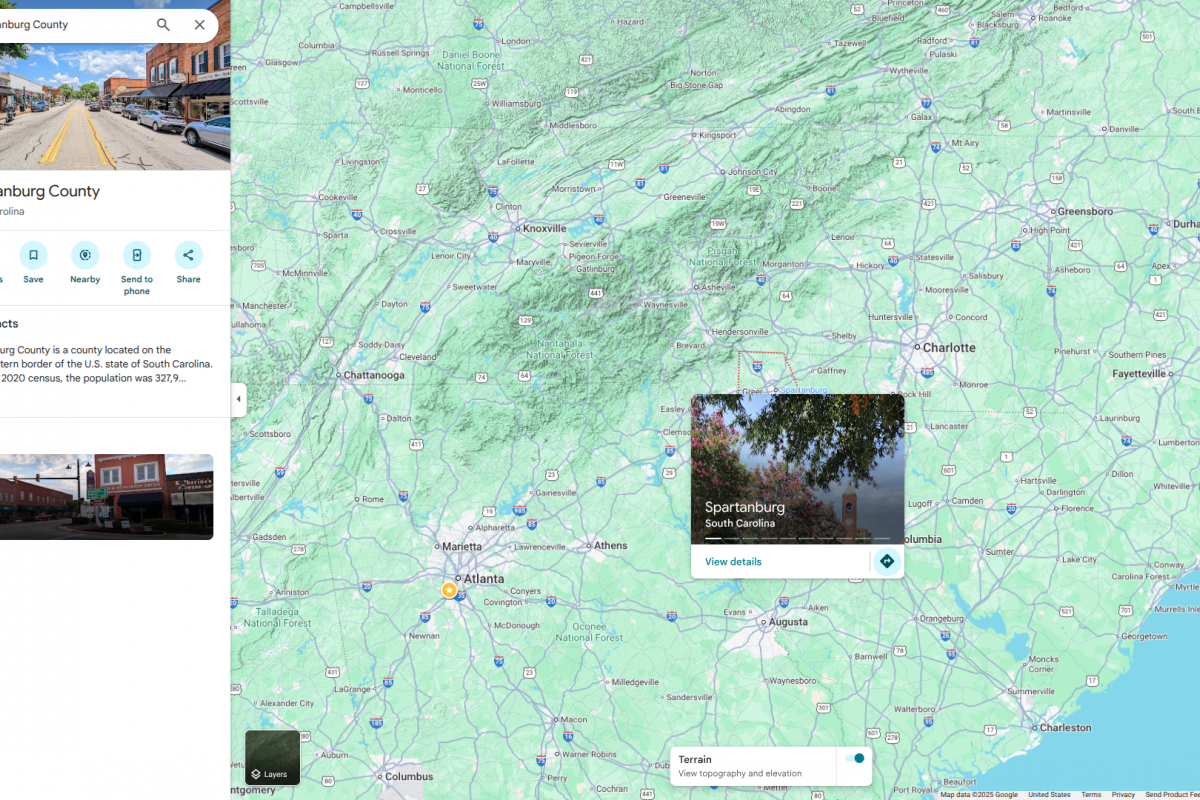
The South Carolina Department of Public Health (DPH) recently confirmed that a cat and a fox have tested positive for rabies in separate incidents that impacted people. 

As of July 17, 2025, rabies is most commonly found in South Carolina (S.C.) wildlife, including raccoons, skunks, foxes, and bats.

However, most rabies cases in the United States are associated with bat bites, not dog bites.

In Greenville County, the cat that tested positive for rabies was found near Holland Ford and Beech Springs roads in Pelzer, S.C.

In 2024, six of the 81 confirmed rabies cases in S.C. were in Greenville County, which has a population exceeding 500,000.

In Marion County, the fox that tested positive for rabies was found near the intersection of Sandhill and Ellis roads in Marion. One person was exposed and has been referred to their healthcare provider. This fox is the third animal to test positive for rabies in that county in 2025.

There have been 45 cases of rabid animals in S.C. in 2025.

Since 2002, S.C. has averaged approximately 144 positive cases a year.

Terri McCollister, DPH, Rabies Program manager, commented in a press release, “Any mammal can carry and transmit the rabies virus to people or pets. Therefore, give wild and stray animals plenty of space.”

According to the DPH, rabies is a treatable and vaccine-preventable disease. Rabies information for local Public Health offices is available at dph.sc.gov/RabiesContacts. For more information on rabies, visit  dph.sc.gov/rabies or cdc.gov/rabies.

Jul 23, 2025 • 4:57 am CDT
US CDC July 22, 2026

The WHO Director-General recently determined that the upsurge of mpox cases in Africa continues to meet the criteria of a public health emergency of international concern and issued temporary recommendations to States Parties as of July 10, 2025.

The first human case of mpox was recorded in 1970 in the Democratic Republic of the Congo, which has subsequently spread to other central and western African countries. 

According to the U.S. Centers for Disease Control and Prevention (CDC), outbreaks of clade II mpox have been reported in Liberia and Sierra Leone, where mpox is endemic.

The CDC's updated Level 2 - Practice Enhanced Precautions, Travel Health Advisory states that, unlike the ongoing global clade II mpox outbreak, which began in May 2022, these outbreaks have affected males and females approximately equally. 

Furthermore, person-to-person transmission has occurred during this outbreak, including through sexual or other intimate contact.

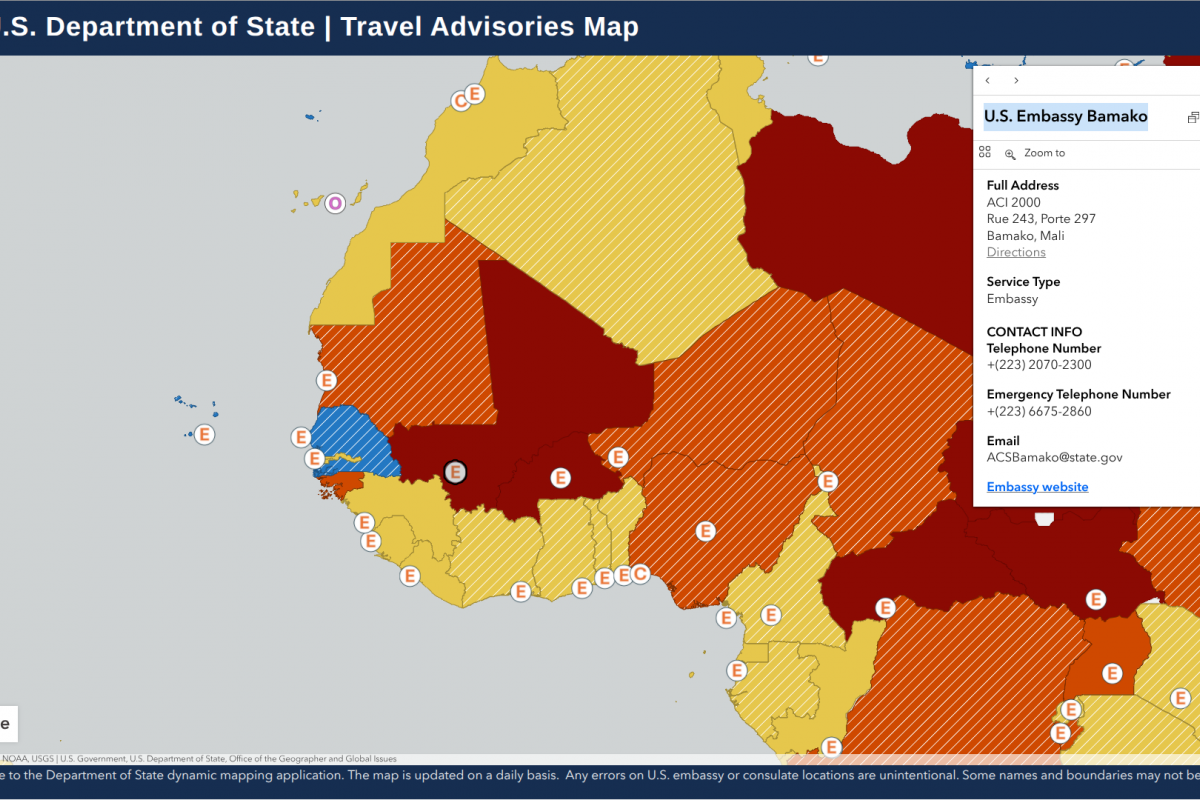
Previously, the Ministry of Health in Cameroon confirmed the first case of mpox (Clade I) in a child from Ayos district, as of July 9, 2025.

The CDC recommends mpox vaccination (JYNNEOS®, MVA-BN®, IMVAMUNE®) for travelers to Liberia and Sierra Leone.

This advice is essential as millions of international travelers are visiting Africa.

According to the World Tourism Barometer from UN Tourism, Africa attracted approximately 74 million tourists in 2024.

Jul 23, 2025 • 4:38 am CDT
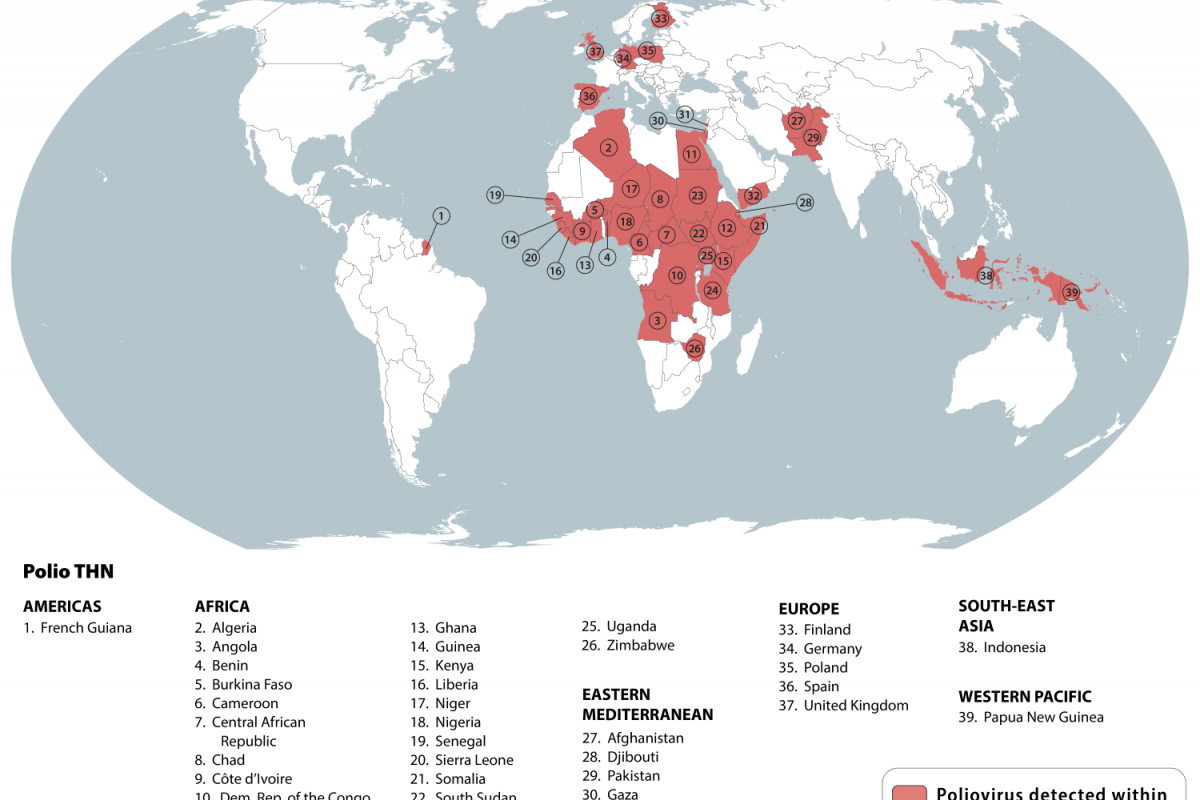
Maps 2025

Local media (ANI) reported that the Afghanistan Ministry of Public Health recently launched a polio vaccination campaign targeting 7.3 million children across 19 provinces of Afghanistan.

Healthcare providers have emphasized the crucial role of public awareness and ongoing investment in eradicating polio. Dr. Mojtaba Sufi, a health expert in the Islamic Emirate of Afghanistan, reiterated in a news article, "The only effective way to prevent polio is through vaccination, and the international community provides these vaccines.

This new vaccination campaign is essential as Afghanistan is affected by ongoing endemic wild poliovirus (WPV) transmission. 

The total number of WPV1 cases in 2025 is two, which compares to 2024 when 25 cases were confirmed.

As of July 23, 2025, the U.S. CDC and the WHO's International Travel and Health recommend that all travellers to polio-affected areas be fully vaccinated against polio. Residents (and visitors staying for more than 4 weeks) from areas infected with poliovirus, such as Afghanistan, should receive an additional dose of oral or inactivated polio vaccine within 4 weeks to 12 months after travel.

Additionally, a booster dose may be recommended for specific travelers.

Currently, the CDC lists 41 countries as being at risk for poliovirus.

Jul 23, 2025 • 4:13 am CDT
Florida Dept of Health July 2025

As the respiratory syncytial virus (RSV) season expands in the state of Florida, the most significant US real-world study of a single-dose long-acting antibody designed to help prevent RSV lower respiratory tract disease in infants successfully met both of its co-primary endpoints.

The full results from the "Effectiveness of nirsevimab against RSV and RSV-related events in infants" study have been published in PEDIATRICS®, an official journal of the American Academy of Pediatrics, on July 22, 2025.

Ayman Chit, Head of North America Medical, Vaccines, Sanofi, commented in a press release, "These results support BEYFORTUS (nirsevimab) as a groundbreaking advancement in infant RSV disease prevention."

"With more than 40 real-world evidence studies to date, this latest study further strengthens the well-established body of data that shows that BEYFORTUS protects against RSV disease to help safeguard the health of all babies, regardless of whether they are born before or during the RSV season."

According to the Florida Department of Health, RSV is a common respiratory virus that typically causes mild, cold-like symptoms. Young children and older adults, especially those with certain underlying health conditions, are at higher risk for severe illness from RSV.

Florida’s RSV season is longer than that of the rest of the nation and exhibits distinct regional patterns. For this reason, the state is broken up into five RSV regions, each with its own RSV season.

Jul 22, 2025 • 3:57 pm CDT
by Veronika Andrews Andrews

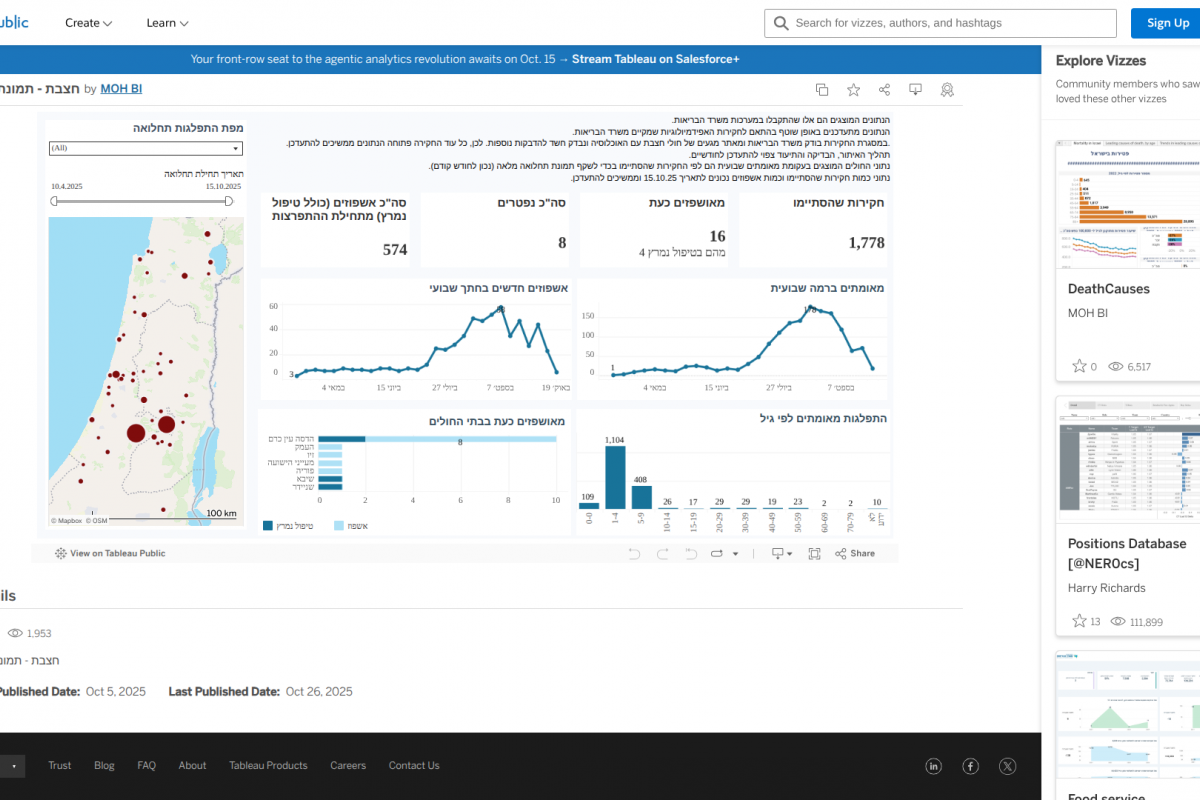
Austin Public Health (APH) announced yesterday that its wastewater surveillance in Travis County has detected the presence of the measles virus collected during the first week of July 2025.

As of July 21, 2025, this detection may indicate an undetected case or cases of measles in the local community that exceeds 1 million residents.

Furthermore, Austin adds another 50,000 college students each year during August and hosts over 100,000 football fans most weekends in the Fall.

So far in 2025, only two measles cases have been confirmed among Travis County residents, both of which were linked to exposure during international travel.

However, the State of Texas has reported numerous measles cases in western counties, as well as in Dallas and Houston counties.

Measles is highly contagious and is spread through the air when an infected person coughs or sneezes. The disease can actively linger in the air and on surfaces for up to two hours. If someone breathes contaminated air or touches infected surfaces and then their eyes, nose, or mouth, they can become infected.

APH says if one person has measles, 9 out of 10 unvaccinated people nearby will become infected if they are not protected.

APH offers the MMR vaccine for uninsured and underinsured Austinites at its Shots for Tots and Big Shots clinics.

Jul 22, 2025 • 8:29 am CDT
Health Canada 2025

With an unexpected number of chikungunya outbreaks reported in the Region of the Americas in 2025, Canada is taking action to ensure an ample supply of vaccines available.

In the past 20 years, the mosquito-transmitted chikungunya virus has emerged across many popular travel destinations.

Bavarian Nordic A/S announced today that Health Canada has accepted for review the Company's application for licensure of the single-dose, virus-like particle (VLP) chikungunya vaccine candidate, CHIKV VLP, for immunization to prevent disease caused by chikungunya virus infection in individuals 12 years of age and older.

The Directorate's acceptance of the application screening confirms that the New Drug Submission is complete, initiating a standard review procedure that may support approval of the vaccine in the first half of 2026.

Paul Chaplin, President and CEO of Bavarian Nordic, stated in a press release on July 22, 2025, "Pending approval, this vaccine will further strengthen our offering for Canadians seeking protection against serious diseases when traveling the world."

The VLP vaccine was approved by the U.S. Food and Drug Administration, the European Commission, and the United Kingdom in May 2025 under the trade name VIMKUNYA®.

In the U.S., VIMKUNYA is commercially available at clinics and pharmacies.

Jul 22, 2025 • 7:08 am CDT
Google Maps July 22, 2025

The Mississippi State Department of Health (MSDH) recently issued a health alert confirming an increase in pertussis (whooping cough) cases in the state.

As of July 10, 2025, 80 cases have been reported so far this year. This total is an increase from 2024, when the MSDH reported 49 cases.

As of July 22, 2025, no related fatalities have been reported.

Most (76%) of this year's cases have occurred in children less than 18 years of age. Of the 73 age-eligible cases for pertussis vaccination, 28 were not vaccinated.

While cases have been reported statewide, 40% were identified in northeast Mississippi.

According to the U.S. CDC, reported cases of pertussis have increased across the United States. Preliminary data show that more than six times as many cases were reported in 2024 compared to 2023. 

The CDC states that there's no distinct seasonal pattern to pertussis; however, past trends suggest that cases may increase in the summer and fall.

Pertussis is transmitted from person to person through respiratory droplets or contact with airborne droplets. Patients are considered infectious from the onset of symptoms until three weeks after the start of high-pitched coughing fits, or until they have completed five days of antibiotics.

Vaccination, one of the safest and most effective ways to protect against pertussis, is recommended for everyone. Two types of combination vaccines include protection against pertussis, as well as diphtheria and tetanus: DTaP and Tdap.

DTaP is recommended for younger children, while Tdap is recommended for older children, pregnant women, and adults.

Recommended treatment includes antibiotics within three weeks of cough onset in people 1 year of age and older, and within six weeks of cough onset in infants younger than 1 year old and pregnant women.

MSDH offers vaccinations to children and uninsured adults at county health departments. To make an appointment, visit msdh.ms.gov/pertussis or call (855) 767-0170.