Coronavirus Breaking News

The coronavirus disease COVID-19 is currently reaching pandemic levels in various countries.

Jan 21, 2026 • 4:53 pm CST
MIA 2026

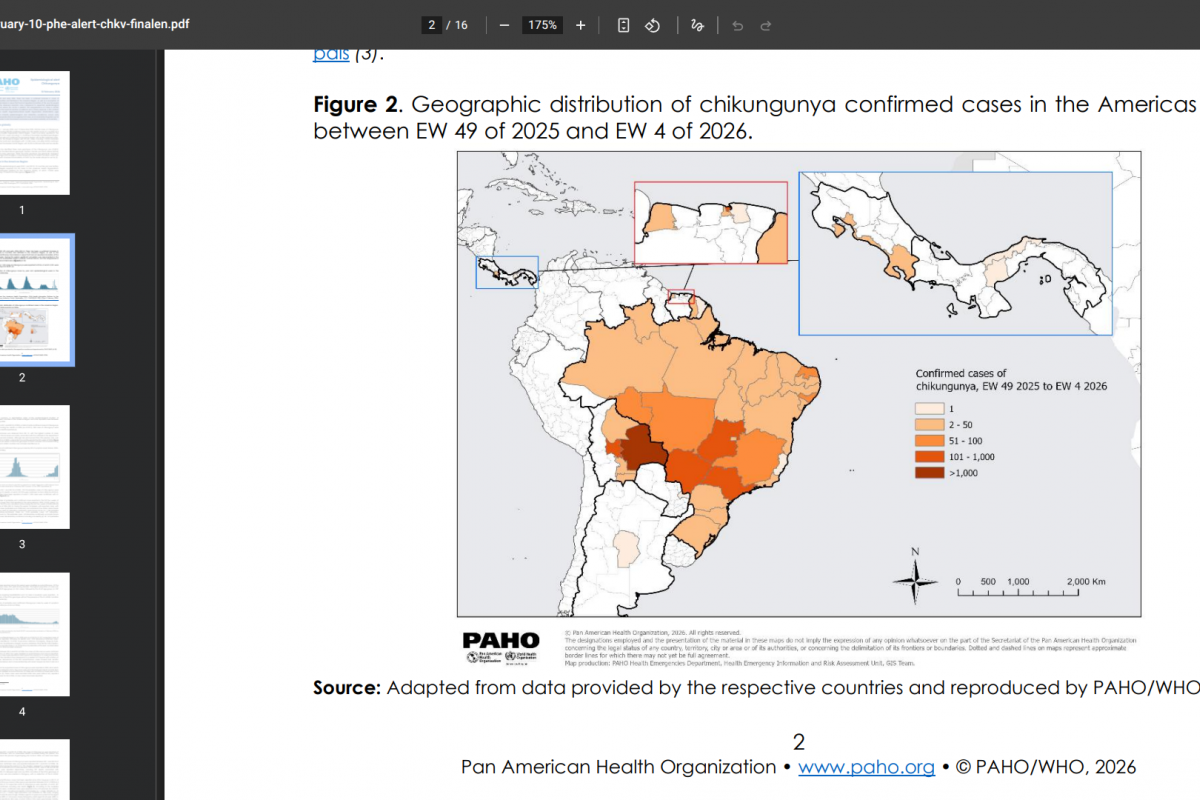
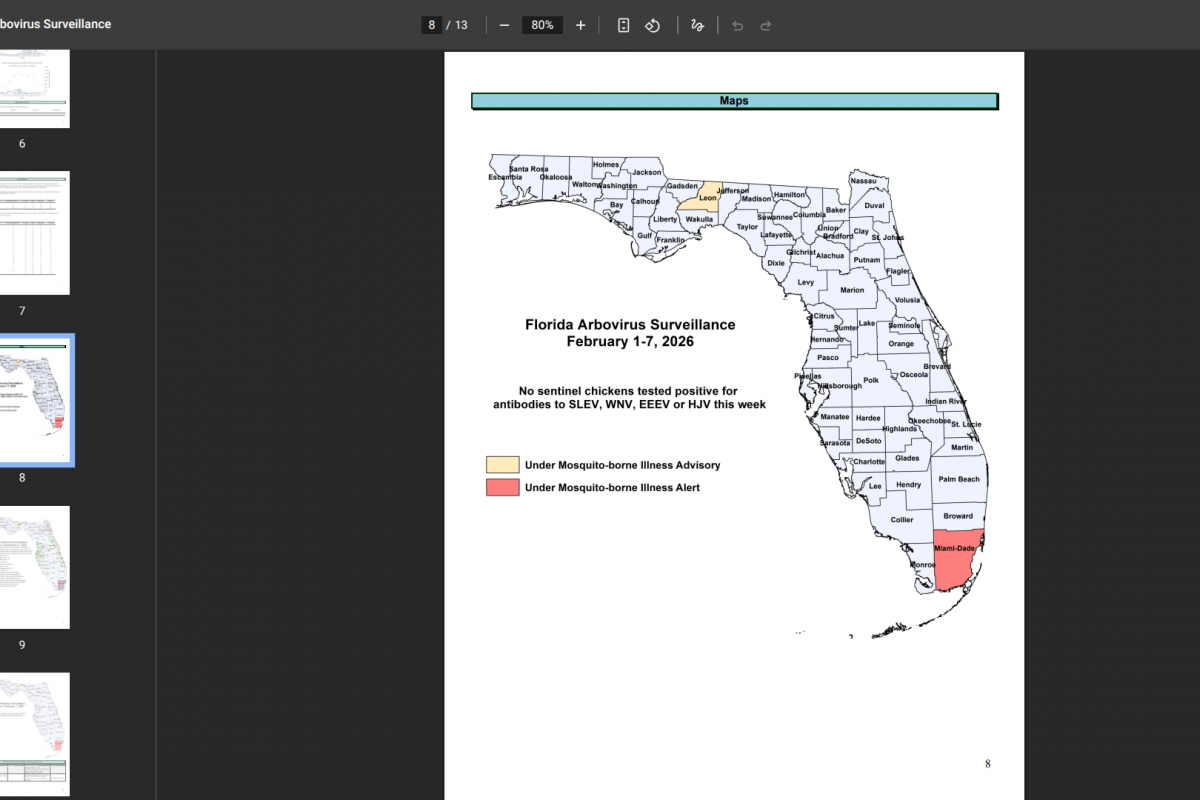
Florida health authorities have confirmed the first locally acquired case of chikungunya in 2026, occurring in Miami-Dade County.

This incident underscores the ongoing risks posed by this mosquito-borne virus, particularly given the significant number of travel-related cases.

For example, just a few days ago, thousands of travelers visited Miami-Dade to attend the NCAA football championship game.

As of January 17, 2026, the Florida Department of Health (DOH) reported 16 cases of chikungunya associated with travel. In the previous year, the state recorded 328 cases, with Miami-Dade County accounting for 214, significantly surpassing all other areas.

The vast majority (316) of Florida's travel-related cases originated from travelers returning from Cuba, where the virus has surged dramatically.

Cuba has reported more than 50,000 chikungunya cases in 2025, with all 15 provinces affected.

Nationally, the U.S. Centers for Disease Control and Prevention (CDC) has seen more than 400 chikungunya cases in 2025, with all but the two locally acquired instances linked to travel.

The CDC says the chikungunya virus, transmitted primarily by Aedes mosquitoes, causes symptoms in most infected individuals within 3–7 days of a bite. Common signs include high fever and severe joint pain, often debilitating. While the majority recover within a week, some experience persistent or chronic joint pain lasting months or even years.

As of January 21, 2026, there is no specific antiviral treatment for chikungunya.

However, a chikungunya vaccine has been approved by the U.S. FDA and is commercially available at travel clinics across the United States and in various other countries.

The CDC urges travelers to consult healthcare providers or travel medicine specialists before trips to affected destinations, use insect repellents, wear protective clothing, and eliminate standing water to reduce mosquito breeding.

Visitors to and residents in areas like South Florida should also maintain vigilance against local vectors, especially given the presence of competent Aedes mosquitoes.

Jan 21, 2026 • 1:34 pm CST
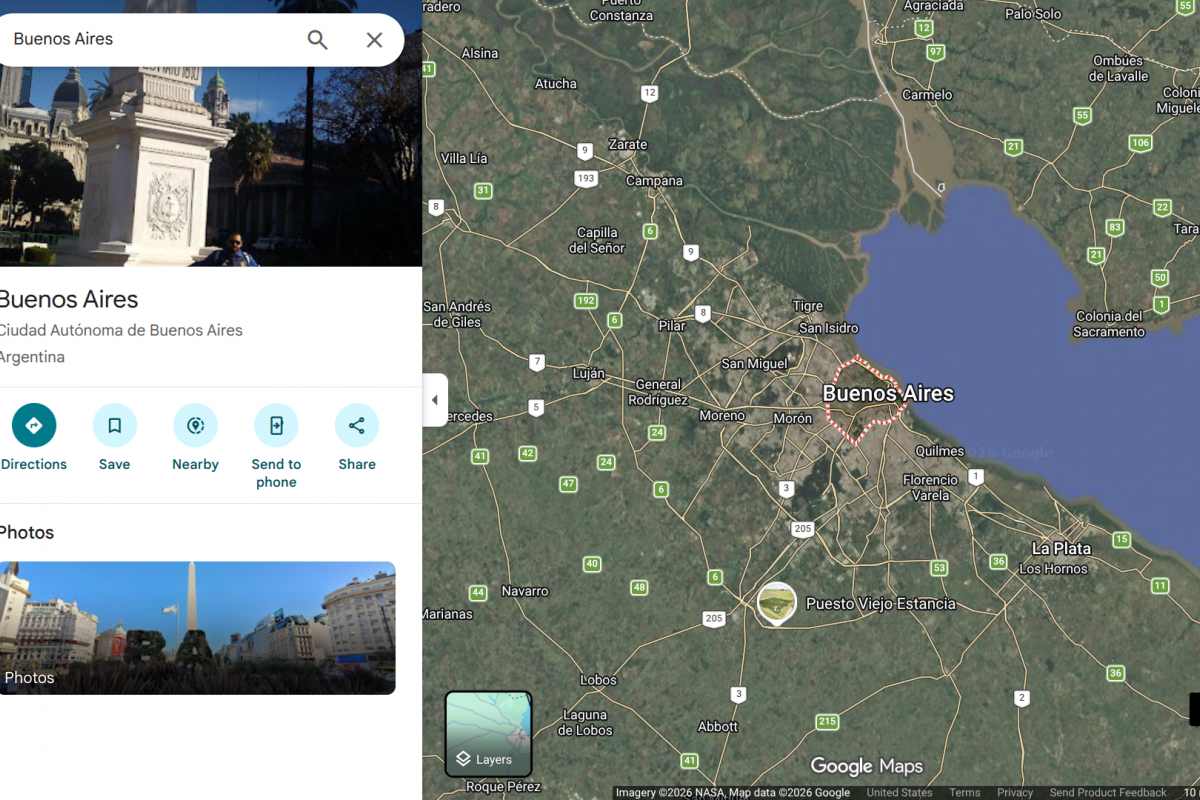
Google Maps 2026

Researchers at The University of Texas at El Paso (UTEP) have discovered unusually high levels of parasitic infection in the insects that transmit Chagas disease along the U.S.-Mexico border.

The kissing bugs were collected near homes and natural areas, raising concerns about the potential for local transmission of the disease in the Southwestern United States.

Led by Dr. Rosa Maldonado, a professor of biological sciences, the research team found that the infection prevalence in kissing bugs has significantly increased, from 63.3% in a study conducted in 2021 to 88.5% in the current study.

This alarming trend indicates that T. cruzi infections, which cause Chagas disease, are on the rise. It remains alongside dengue fever as one of the neglected diseases with the highest burden in the Americas. 

"The infection prevalence in kissing bugs has risen significantly, indicating a marked upward trend for T. cruzi infections," Dr. Maldonado mentioned in a press release on January 6, 2026.

For this study, researchers collected kissing bugs from various locations, including El Paso County, Texas, and southern New Mexico, as well as from Franklin Mountains State Park, Central El Paso, and Canutillo.

The findings from this study suggest that Chagas disease is becoming an increasing public health issue in the Southwest. In this region, the disease was previously confined primarily to Latin America.

However, in 2025, Texas reported 22 human cases of Chagas disease, both imported and locally acquired.

Chagas disease is caused by the parasite Trypanosoma cruzi (T. cruzi) and is primarily spread by blood-feeding insects known as kissing bugs. This debilitating illness affects approximately 6 million people worldwide and can persist for decades in its chronic phase, often without symptoms.

However, it can lead to severe heart and gastrointestinal complications over time.

Previously, on March 20, 2025, researchers at UTEP successfully tested a faster, more sensitive, and more reliable method for diagnosing Chagas disease.

Furthermore, according to the World Health Organization, no approved vaccine exists to prevent Chagas disease. However, vaccine development is ongoing in 2026.

The current study, published in the journal Epidemiology & Infection, was conducted in collaboration with Dr. Priscila S. G. Farani, an assistant professor in UTEP's School of Pharmacy.

Jan 20, 2026 • 12:37 pm CST
US CDC 2026

The Taiwan Centers for Disease Control (TCDC) continues to report a significant increase in acute viral hepatitis A (HepA) cases.

The surge that began in spring 2025 has led to the highest number of reported cases in nearly a decade and remains unabated as of January 20, 2026.

Official surveillance data from the Taiwan National Infectious Disease Statistics System show that there were a total of 484 confirmed acute HepA cases for the entire year of 2025.

Demographic data from this period reveal that approximately 82.8% of cases occurred in males, with the highest proportion (36.2%) among adults aged 30-39 years. Additionally, 40% of the cases in 2025 were linked to sexual contact.

In the early weeks of 2026, an additional 22 cases have already been recorded, with individuals aged 20-29 accounting for about 28% of these cases.

Historical outbreaks show HepA cases concentrated in northern Taiwan, spreading southward over time.

The TCDC has emphasized that hepatitis A antibody prevalence in Taiwan remains notably low, particularly among younger and middle-aged adults. This leaves large segments of the population vulnerable and contributes to the continued spread of the virus, which spreads through the fecal-oral route, often via contaminated food or water, or through close contact with infected individuals.

For real-time statistics and official guidance, please refer to the Taiwan National Infectious Disease Statistics System or the CDC website. It is crucial to maintain vigilance regarding hygiene, safe practices, and vaccination to mitigate this ongoing increase in cases.

According to the U.S. CDC, unvaccinated travelers aged 1 year or older traveling to Taiwan should speak with a healthcare provider about pre-trip vaccinations. Travelers allergic to a vaccine component should receive a single dose of immune globulin, which provides adequate protection for up to 2 months, depending on the dosage given.

Unvaccinated travelers who are over 40 years old, are immunocompromised, or have chronic medical conditions planning to depart for a risk area in less than 2 weeks should receive the initial dose of vaccine and, at the same appointment, receive immune globulin, says the U.S. CDC.

These HepA immunization services are offered at travel clinics in the United States in 2026.

Jan 19, 2026 • 11:29 am CST
Clemson University 2026

Clemson University officials were recently informed by the South Carolina Department of Public Health (DPH) of a confirmed case of measles in an individual affiliated with the University.

As of January 17, 2026, the individual has isolated per DPH requirements, and DPH is conducting contact tracing with individuals who may have been exposed and outlining isolation and quarantine protocols.

DPH will provide email notifications to any individuals identified as possible contacts who may need to quarantine. A person infected with measles is contagious for 4 days before and after the rash begins. Isolation of an actively infectious case lasts until four full days after the onset of the rash, and DPH determines the dates of isolation.

If a person without documented immunity receives a dose of the MMR vaccine within 72 hours after the last exposure, they do not have to quarantine. 

According to the most recent data from Student Health Services, nearly 98% of main campus Clemson students have provided proof of immunity. Recent data indicated that about 30,000 students and staff were affiliated with the University in 2026.

Statewide, South Carolina is experiencing a significant measles outbreak, with the total reaching 558 cases as of January 19, 2026, centered in Spartanburg County and extending into North Carolina in cities such as Asheville

Jan 19, 2026 • 9:26 am CST
US CDC 2026

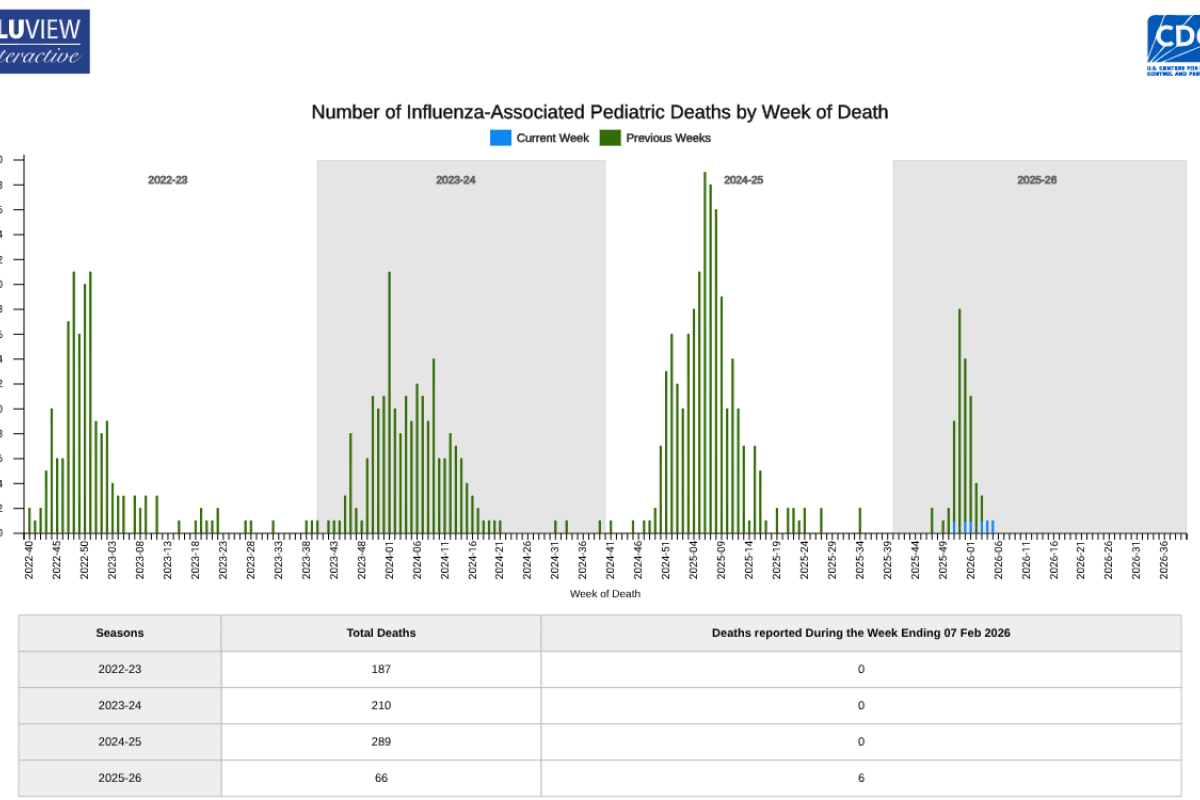
As the 2025-2026 influenza season continues, recent data from the U.S. Centers for Disease Control and Prevention (CDC) indicate a significant decrease in flu activity nationwide.

The CDC's assessment framework classifies the current flu season as moderate across all age groups. Typically, flu seasons in the United States peak between December and February, sometimes extending into March or later.

According to the CDC's latest FluView report for the week ending January 10, 2026, the number of confirmed positive influenza tests dropped by approximately 31% compared to the previous week.

This decline marks the most significant drop observed in this season so far.

The flu test positivity rate dropped to approximately 24.7% for the week ending January 3, down from 32.9% the previous week. However, experts caution that this could partially reflect reduced healthcare visits during the holidays rather than an actual peak.

Influenza A(H3N2) viruses are the most frequently reported influenza viruses so far this season.

These data mark a shift from earlier reports, such as the week ending December 27, 2025, when activity was still increasing throughout the USA.

The CDC also reported on January 19, 2026, that about 130 million flu shots had been distributed to clinics and pharmacies this flu season. Furthermore, these healthcare providers continue to recommend and offer flu shot services.


Jan 19, 2026 • 8:50 am CST
Google Maps January 19, 2026

Indian health officials in western Madhya Pradesh recently implemented emergency measures in response to a localized outbreak of Guillain-Barré Syndrome (GBS), a rare autoimmune neurological disorder.

As of January 18, 2026, The Hindu reports indicate that there are at least 14 to 18 cases of GBS (confirmed and suspected), many of which are among children and adolescents.

Two people have died in 2026, and others were on life support, with some cases requiring ICU treatment.

Additional cases have been reported in adults, including a recent diagnosis in Neemuch city.

In response to the outbreak, two rounds of door-to-door screenings have been conducted by Health Department teams, ASHA workers, and Anganwadi staff to identify potential new cases early.

During early January 2026, Deputy Chief Minister Rajendra Shukla, who oversees health, visited the area to inspect preparations and directed that the government cover the treatment costs, including critical medications and injections.

Financial aid is also being provided to some families through the Red Cross Society.

GBS is often triggered by preceding infections, such as Campylobacter jejuni (which can result from contaminated food or water), respiratory viruses, or other pathogens; however, the exact cause of this current cluster is still under investigation.

Past GBS clusters in India have occasionally been linked to water quality issues or acute diarrheal diseases.

In 2025, Pune, Maharashtra, reported over 200 cases and 23 deaths linked to contaminated water sources.

For international travelers to India, including Madhya Pradesh, major health authorities such as the U.S. CDC have not issued specific travel health advisories related to this GBS outbreak. Standard travel vaccinations (hepatitis A, typhoid, and rabies, if at risk) are still recommended for travel to India in 2026.

Currently, there is no vaccine available to prevent Guillain-Barré Syndrome.

Jan 16, 2026 • 9:22 am CST
US CDC 2026

Since 1980, the Pan American Health Organization has been collecting epidemiological data on the incidence of dengue. Following significant dengue fever outbreaks in South America during 2024 and 2025, researchers are investigating the root cause. 

For example, Peru has experienced severe national dengue outbreaks.

In 2010 and 2011, the Loreto region of Peru experienced an unprecedented dengue outbreak. In 2025, Peru reported over 270,000 cases and 261 deaths, which set records without a known clinical explanation.

A retrospective study (Volume 19, Issue 1) published by ScienceDirect in January 2026 offers new insights into the circulation patterns of dengue virus (DENV) serotypes in the Amazonas region of northeastern Peru from 2021 to 2025.

The research identifies DENV-2 as the dominant serotype driving major outbreaks in this Amazonian area while also revealing unexpected protective effects from prior infections against severe disease manifestations.

Furthermore, DENV-1 and DENV-3 circulated less frequently during the study period.

No direct association was found between specific serotypes and clinical classification, severity, or overall incidence rates.

Notably, prior dengue infection was significantly associated with a reduced likelihood of developing warning signs of severe dengue (p = 0.032), suggesting partial cross-protection during secondary infections.

"These results emphasize the critical role of DENV-2 in driving major dengue surges in Amazonas, while also highlighting how previous exposure to the virus may offer some protection against more severe symptoms," noted the lead researchers.

"This underscores the importance of sustained molecular surveillance to track DENV serotype shifts and inform targeted public health responses."

The findings from the Amazonas region align with broader trends in the Americas, where infection with one serotype does not confer complete immunity to others, and secondary infections can sometimes lead to severe forms of the disease.

This is essential information, as millions of international travelers visit Peru, many of whom visit Machu Picchu. 

Regarding which dengue vaccine offers the broadest protection, only one provides equivalent tetravalent protection against all four dengue virus serotypes (DENV-1, DENV-2, DENV-3, and DENV-4). However, the single-dose Butantan-DV vaccine is only available in Brazil.

According to a 2025 survey, most people in Peru are interested in access to a next-generation dengue vaccine.

Jan 16, 2026 • 6:32 am CST
Pixabay 2026

Since October 2025, several European countries have observed increases in influenza positivity rates among patients tested in community laboratories, beginning as early as week 41 of 2025.

According to a Rapid Communication published in Eurosurveillance (Volume 31, Issue 2), in France, the 2025/26 flu season is characterized by high circulation of influenza A(H3N2) viruses from subclade K, alongside co-circulation of A(H1N1)pdm09 subclade D.3.1.1.

 As of January 15, 2026, an early assessment of influenza vaccine effectiveness (VE) against laboratory-confirmed influenza using data from community laboratory surveillance through the first week of January 2026.

The overall interim VE estimate for individuals vaccinated from 15 days to 3 months before testing was 36.4% (95% CI: 29.7–42.5). Among the population aged ≥ 65 years, the point estimate was lower, peaking at 27.7% and overlapping with the 95% CI (16.7–37.3). 

These researchers concluded that despite a partial vaccine mismatch this season, interim analyses indicate a statistically significant vaccine VE across all age groups.

In the context of sustained influenza circulation in Europe, it is strongly recommended to reinforce vaccination uptake in the coming weeks.

This new data supports the U.S. CDC's recommendation that most visitors to France get an annual flu shot about two weeks before traveling abroad in 2026. Various flu shots are offered at travel clinics in the USA.

Jan 16, 2026 • 5:50 am CST
Delhi Statistical Hand Book 2025

The Delhi Statistical Handbook 2025, published on January 8, 2026, by the Directorate of Economics & Statistics and the Office of the Chief Registrar of the Government of NCT of Delhi, reveals a concerning increase in respiratory-related fatalities in recent years.

The updated handbook highlights the growing health burden from conditions such as asthma, pneumonia, and chronic obstructive pulmonary disease, which are risks for residents and visitors in 2026.

In 2024, Delhi recorded 9,211 deaths from respiratory diseases, an increase from 8,801 in 2023 and 7,432 in 2022.

Additionally, overall mortality in the capital rose to 139,480 deaths in 2024, up from 132,391 in 2023.

Local health experts attribute the severe air pollution in Delhi to factors including vehicular emissions, industrial activity, construction dust, and seasonal stubble burning.

These advocates call for immediate measures, such as improved public transport, stricter regulations, and enhanced regional cooperation, to prevent further loss of life in or around Delhi.

According to data from India's Ministry of Tourism, Delhi remains a very popular destination. There were about 39 million domestic visitors and around 1.8 million international visitors in 2023.

As of January 16, 2026, the U.S. Centers for Disease Control and Prevention (CDC) has not issued a Travel Health Notice focused on Delhi's air pollution. But the CDC has identified several health risks and vaccination recommendations for travelers to India.

The CDC advises future visitors to India speak with a travel vaccine expert about immunization options.

Jan 15, 2026 • 4:44 pm CST
US CDC

A new large-scale study analyzing healthcare claims data from 2016 to 2022 has revealed that Lyme disease (LD) imposes a substantial economic burden, with direct medical costs significantly higher for patients with disseminated disease compared to those with localized infections.

This new research, published in JAMA Network Open on January 14, 2026, identified over 70,000 Lyme disease cases and employed multiple analytical approaches to estimate costs, all adjusted to 2022 dollars.

Key findings highlight the mean LD-specific direct medical cost per episode at $2,227.

Furthermore, costs varied dramatically by disease stage:

  • Localized, early-stage disease: $695 per episode compared with $695,
  • Disseminated disease: $6,833 per episode,
  • In a self-control approach, patients incurred an average of $3,304 higher all-cause costs in the 6 months following diagnosis than in the prior 6 months,
  • Case-control comparisons showed differences ranging from $4,098 to $5,571 in projected 6-month total all-cause costs after multivariable adjustment for baseline characteristics.

According to these researchers, these estimates were generally higher than those from prior studies, potentially due to longer episode durations allowed in this analysis, the use of standardized insurance-allowed amounts, and inclusion of diverse insurance types and all age groups.

These findings emphasize the need for enhanced prevention strategies, prompt diagnosis, and awareness to mitigate escalating healthcare expenditures. Early intervention could substantially reduce the disproportionate costs driven by disseminated disease, these researchers added.

The U.S. CDC says Lyme disease remains the most common vector-borne illness in the United States, with an estimated 476,000 people diagnosed and treated annually. In 2025, most LD cases were reported in the northern states in the east and the Midwest.

From a disease prevention option, one Lyme disease vaccine candidate (VLA15) is progressing in phase 3 clinical trials. However, the approval date for this innovative vaccine has not yet been announced.

Jan 15, 2026 • 12:25 pm CST
US CDC 2026

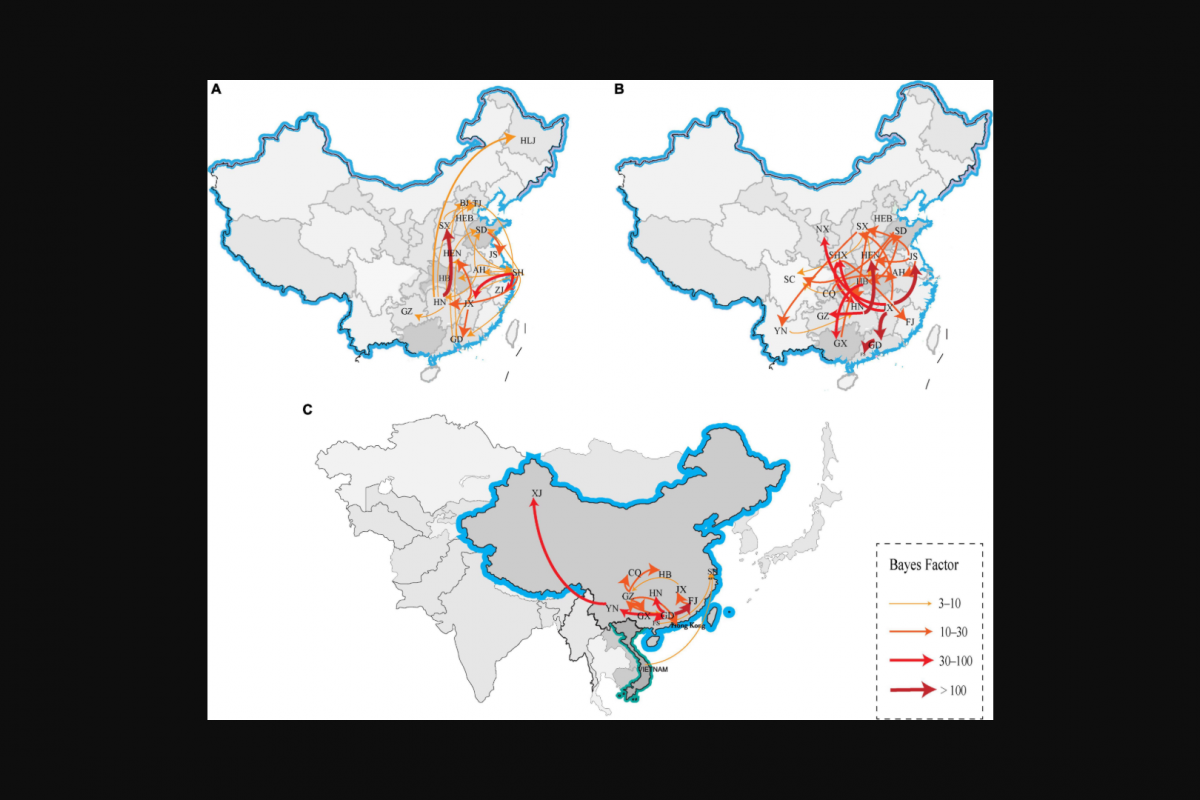
The Centre for Health Protection (CHP) of the Department of Health in Hong Kong announced today that no new cases of chikungunya fever (CF) have been reported.

The total number of confirmed CF cases in 2025 remains at 82.

As of January 14, 2026, the CHP's press release confirmed that 11 of these cases were local infections, while the others were imported from various areas.

Local cases of CF were reported following visits to the Tsing Yi Nature Trails and surrounding areas near Hong Kong in November last year, prompting the closure of the trails until further notice.

However, since the confirmation of the previous local case on December 10, 2025, no additional local cases have been reported.

Relevant government departments are conducting extensive efforts to control and prevent mosquito populations along the trails.

The CHP urges the public to refrain from entering the area to minimize the risk of contracting CF and to avoid exposure to the chemicals being used in the mosquito control operations.

While the U.S. Centers for Disease Control and Prevention (CDC) has not issued a Travel Health Advisory for Hong Kong, it did publish a Level 2 advisory in 2025, which has since been removed.

When departing from the United States for Hong Kong or any at-risk destination in 2026, chikungunya vaccination services are offered at travel health clinics located in most cities.

Jan 15, 2026 • 11:58 am CST
US Dept of State 2026

The U.S. Department of State has issued its highest-level warning, Level 4: Do Not Travel, for 22 destinations due to life-threatening risks. These locations are subject to ongoing security assessments, and the reasons for the warnings vary by destination.

As of mid-January 2026, the State Department lists the following countries and areas under this critical advisory: Afghanistan, Belarus, Burkina Faso, Burma, Central African Republic, Gaza, Haiti, Iran, Iraq, Lebanon, Libya, Mali, Niger, North Korea, Russia, Somalia, South Sudan, Sudan, Syria, Ukraine, Venezuela, and Yemen.

These advisories, including reissuances in early January 2026, emphasize that U.S. citizens should avoid travel to these areas entirely.

In many of these areas, the U.S. government has very limited or no ability to assist American citizens during emergencies.

For U.S. citizens already present in Level 4 destinations, the Department strongly urges departure as soon as safe travel options become available, as the government's capacity to provide emergency support, including evacuations, remains constrained in these high-risk environments.

The State Department recommendations for all international travelers include enrolling in the free Smart Traveler Enrollment Program to receive real-time updates, alerts, and emergency assistance from the nearest U.S. embassy or consulate.

Seperately, as of January 15, 2026, the UK's Foreign travel advice offers similar information, including entry requirements, safety and security, health risks, and legal differences.

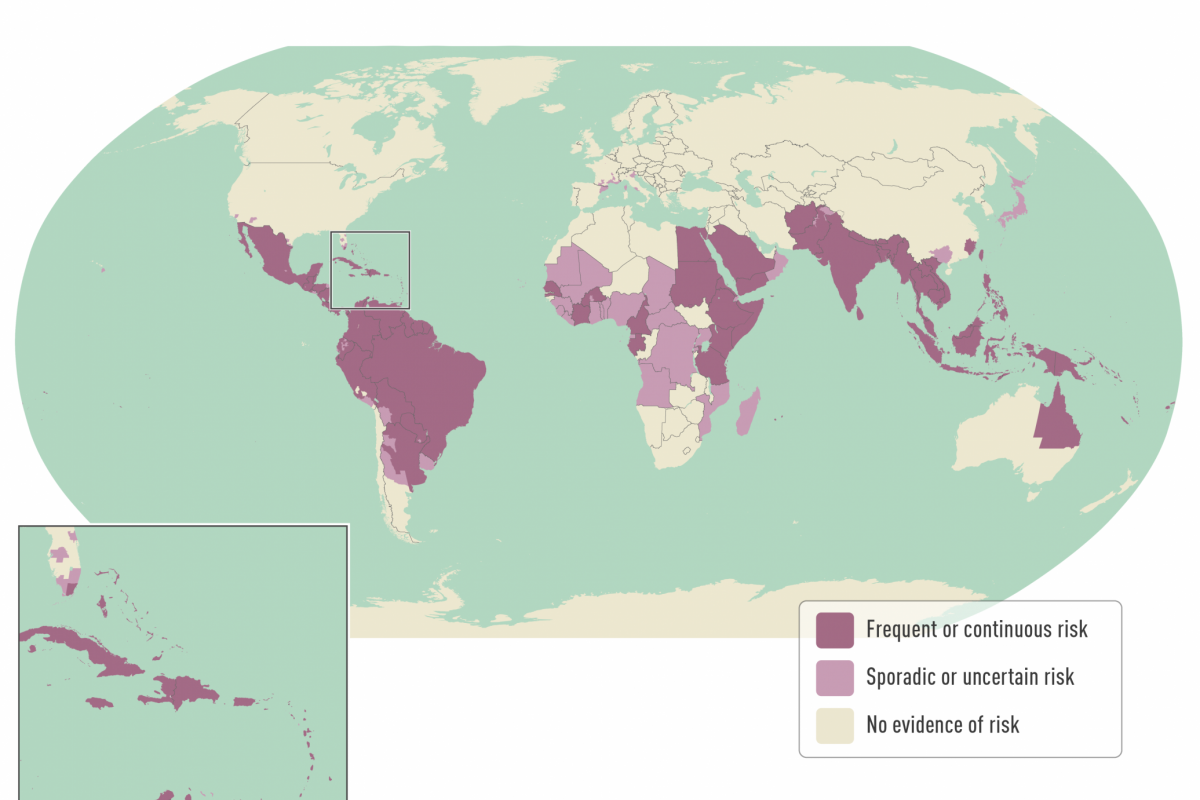
While the advisories focus on security threats rather than health risks, international travelers should cross-reference the U.S. Centers for Disease Control and Prevention Travel Health Notices and the UK Travel Health Pro for any vaccine-preventable disease outbreaks, such as chikungunya, dengue, yellow fever, or zika, which may overlap in some tropical regions

Jan 15, 2026 • 8:53 am CST
Springer Nature

The U.S. Centers for Disease Control and Prevention (CDC) is hosting today a Clinician Outreach and Communication Activity (COCA) Call titled "From Cave to Clinic: Managing Histoplasmosis in Returning Travelers."

On January 15, 2026, COCA Call presenters will share current evidence on the epidemiology of travel-associated histoplasmosis, with a focus on cave-associated outbreaks, for travelers visiting Central and South America.

Histoplasma, a fungal infection that primarily impacts people's lungs, is endemic, especially in Latin America and the Caribbean, and is often found in the Ohio and Mississippi River valleys in the U.S.

The CDC's MMWR stated in May 2025 that people may be at increased risk for Histoplasma exposure when engaging in adventure activities such as cave exploration, ecotourism, or other activities that disturb contaminated soil or aerosolize fungal spores.

The CDC highlighted a histoplasmosis outbreak among 12 family members returning from the Central American country of the Republic of Costa Rica after visiting Venado Caves. The same bat-inhabited cave in Costa Rica associated with this 2024 histoplasmosis outbreak was linked to a 1998–1999 outbreak among 51 persons.

Histoplasmosis is a fungal infection caused by the dimorphic fungus Histoplasma, which is found in soil. It also spreads through bird and bat droppings that mix into the soil. Illness can range from asymptomatic or mild respiratory disease to severe acute pulmonary or disseminated disease, especially in immunocompromised individuals.

On January 5, 2025, the CDC wrote that clinicians and healthcare providers are encouraged to join this free webinar to stay informed on emerging risks, particularly following recent outbreaks linked to bat-inhabited caves.

International travelers interested in cave exploration may also attend this digital session.

For more information and to register, visit the COCA Call page at: https://www.cdc.gov/coca/hcp/trainings/from-cave-to-clinic-managing-hist...

Note: an earlier version of this COCA announcement was posted.

Jan 14, 2026 • 10:04 am CST
US CDC January 13, 2026

The U.S. Centers for Disease Control and Prevention (CDC) today issued a Level 2 Travel Health Notice, advising travelers to practice enhanced precautions due to the ongoing clade II Mpox outbreak in Liberia.

As of early November 2025, the West African country of Liberia has reported 2,447 suspected cases of Mpox since the outbreak began in September 2024. The virus is transmitted between clade IIa and clade IIb strains, with local human-to-human spread observed.

There are also cross-border links to neighboring countries such as Sierra Leone.

This CDC travel advisory, effective as of January 14, 2026, emphasizes the transmission of clade II Mpox from person to person, including through sexual and other intimate contact. The CDC has noted that both males and females are affected approximately equally.

To combat the outbreak, the Liberian Ministry of Health, in collaboration with partners such as the World Health Organization and the Africa CDC, has implemented enhanced response measures. These measures include a nationwide vaccination campaign to administer 42,720 vaccine doses to high-risk groups by the end of January 2026.

The CDC advises travelers to Liberia to review this notice and consider getting vaccinated against Mpox (JYNNEOS®) if they plan to engage in activities that may increase their risk.

Last year, approximately 80,000 international tourists visited Liberia.

This U.S. FDA-approved vaccine is offered at various travel clinics throughout the USA.

Jan 14, 2026 • 8:52 am CST
Google Maps 2026

North Carolina health officials have confirmed three cases of measles in Buncombe County, which is home to the city of Asheville, a leading tourist destination. This marks the first confirmed instances of measles in the area in decades.

The North Carolina Department of Health and Human Services (NCDHHS) and Buncombe County Health and Human Services announced these cases on January 6, 2026. The cases involve three siblings who recently traveled to Spartanburg County, South Carolina, where a rapidly expanding measles outbreak has been occurring since late 2025.

These children began to show symptoms approximately one to two weeks after visiting the measles outbreak area, which is about 100 miles away.

Additionally, a potential public exposure occurred when the infected children visited the Mission Hospital Emergency Department waiting room (509 Biltmore Ave., Asheville, NC 28801) between 2:00 a.m. and 6:30 a.m. on January 4, 2026.

About two dozen potentially exposed individuals have been contacted by health officials.

Furthermore, anyone who was present during that time and has not been reached should call Buncombe County Public Health at 828-250-6100 for guidance.

And measles vaccines are readily available at primary care providers, pharmacies, and the Buncombe County Immunization Clinic located at 40 Coxe Ave., Asheville.

Across North Carolina, five confirmed measles cases have been reported since late December 2025, including additional cases in Polk and Rutherford counties.

According to NCDHHS, as of January 14, 2026, all but one of these NC cases are linked to travel from the South Carolina outbreak.

The outbreak in Spartanburg County has surged dramatically.

As of January 13, 2026, the South Carolina Department of Public Health reported 434 cases, with a significant increase of 124 new cases in just a few days. Most cases involve unvaccinated children.

Throughout 2025, measles outbreaks were identified in Texas, Utah, and other states. As well as record-setting outbreaks in Canada and Mexico.

Numerious health agencies recommend ensuring you are immune to measles before visiting an outbreak area in 2026.