Seventh Human Case of H10N3 Detected
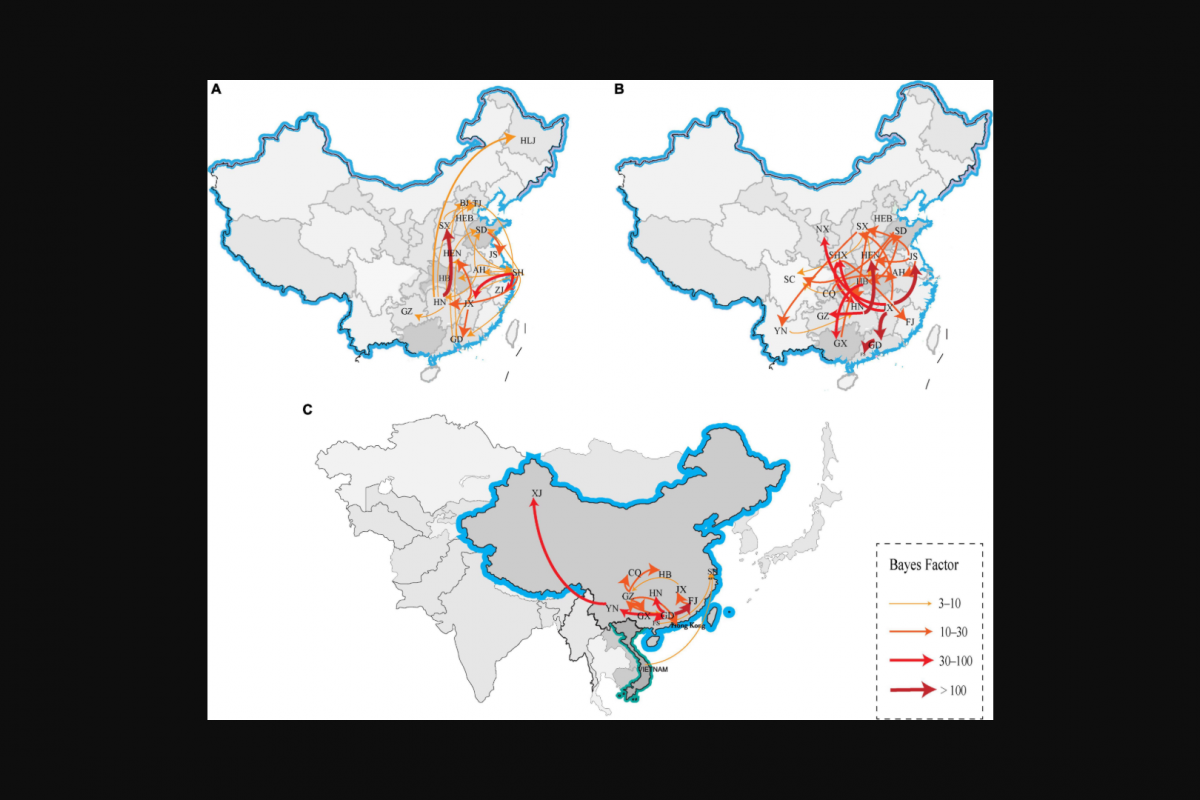
Hong Kong's Centre for Health Protection (CHP) reported two new human cases of H9N2 avian influenza infection from mainland China, with symptom onset in late December 2025 and mid-January 2026.
The announcement, published on February 10, 2026 (Week 6), highlighted ongoing sporadic detections of the low-pathogenic bird flu virus in humans.
These cases in Hubei, Guangxi, and Jiangsu provinces coincided with the reporting of an additional human infection involving avian influenza A(H10N3) in a 34-year-old man from Guangdong Province, whose symptoms also began on December 29, 2025.
If confirmed, this would mark only the seventh known human case of H10N3 globally.
According to CHP data, 20 H9N2 cases have been reported in China over the past six months.
Unlike highly pathogenic strains like H5N1, H9N2 has not shown sustained human-to-human transmission.
In the entire year of 2025, mainland China recorded 29 H9N2 cases, which marks a significant increase compared to previous years (11 cases in 2024).
While global human H9N2 infections remain relatively low, they have risen in recent years, primarily in China, with occasional reports from neighboring regions.
Since the first confirmed human case in 1998 (Hong Kong), officials stress that although H9N2 infections are uncommon in humans, continued surveillance is essential because the virus circulates in poultry and can reassort with other influenza strains.
H9N2 is a low-pathogenic avian influenza virus commonly found in poultry, particularly in live bird markets across parts of Asia. Human infections are generally mild, resembling the seasonal flu, with symptoms such as fever, cough, and sore throat; most patients recover fully without severe complications.
Another virus subtype is notable for causing severe illness in people, despite being classified as low pathogenic in birds. As previously reported, between March 2013 and September 2019, a total of 1,568 human cases of avian influenza A(H7N9) have been reported globally.
As of February 12, 2026, the CHP and the World Health Organization (WHO) (January 2026) say the overall public health risk from these cases is assessed as low. The WHO does not advise special traveller screening at points of entry or restrictions about the current situation of influenza viruses at the human-animal interface
Furthermore, these agencies say vaccination options are currently limited.
Our Trust Standards: Medical Advisory Committee