Six Additional New World Screwworm Infections in People
The Mexican Ministry of Health has confirmed six new human cases of myiasis caused by the New World screwworm (NWS, Cochliomyia hominivorax), bringing the total number of reported human cases to 141 across eight states.
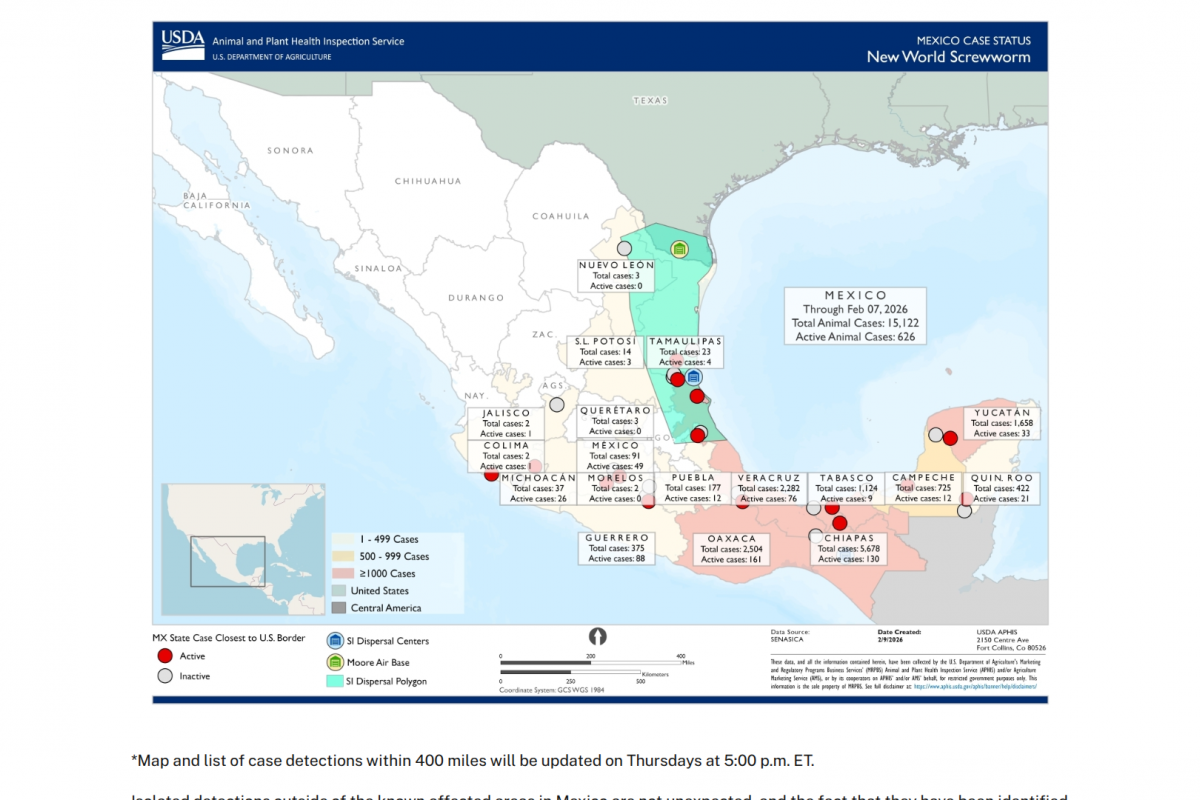
According to Epidemiologic Surveillance Report #4, the majority of cases—103—have been reported in Chiapas, where environmental conditions have facilitated ongoing transmission.
While human cases are relatively uncommon compared to infections in animals, as of February 9, 2026, over 600 cases have been reported in livestock and other animals nationwide, highlighting the broader impact of this serious health risk.
The NWS is a parasitic fly native to parts of the Americas. It lays its eggs in open wounds or on the mucous membranes of warm-blooded animals, including humans. The eggs hatch into larvae that burrow into living tissue, feeding on flesh and causing severe damage, pain, and potential secondary infections.
If left untreated, infestations can lead to serious complications and, in rare cases, may be fatal.
International health authorities are actively monitoring the situation through enhanced surveillance efforts.
Currently, the U.S. government is involved in regional initiatives that include sterile insect technique programs aimed at reducing fly populations and preventing further northward spread.
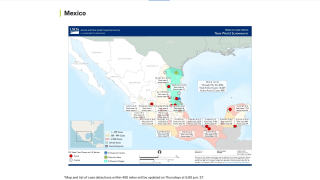
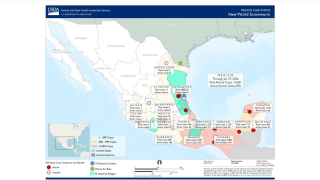
Animal cases (primarily in livestock) have been detected close to the Texas border, raising concerns about potential northward spread:
Tamaulipas has reported 8 active animal cases, and Nuevo León has had confirmed animal cases, including one in Sabinas Hidalgo, less than 70 miles from the Texas border.
Officials emphasize that the risk to the general public remains low with proper hygiene and wound care; however, vigilance is essential in endemic and outbreak areas.
As of February 12, 2026, no vaccines are available to protect people from this health risk.
Our Trust Standards: Medical Advisory Committee