Chikungunya Virus Genotypes Causing Outbreaks in the Americas
The Pan American Health Organization (PAHO) issued an epidemiological alert on February 10, 2026, warning of a sustained rise in chikungunya cases across parts of the Americas.
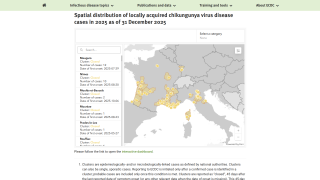
The alert highlights increased transmission from late 2025 through early 2026, including the resumption of local transmission in territories that had not reported the virus for several years, including the United States.
While rarely fatal, the illness can cause debilitating long-term effects.
According to PAHO's alert, as of epidemiological week (EW) 4 in 2026, a total of 7,150 chikungunya cases had been reported, with 2,351 confirmed and 1 death recorded.
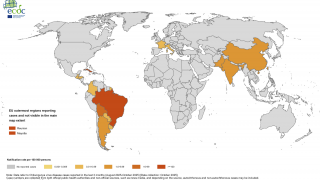
This uptick follows a broader regional trend: in 2025, the Americas reported 313,132 cases (113,926 confirmed, including 170 deaths) across 18 countries and one territory.
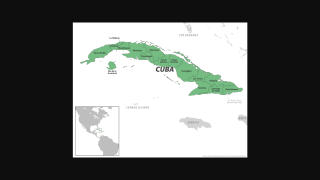
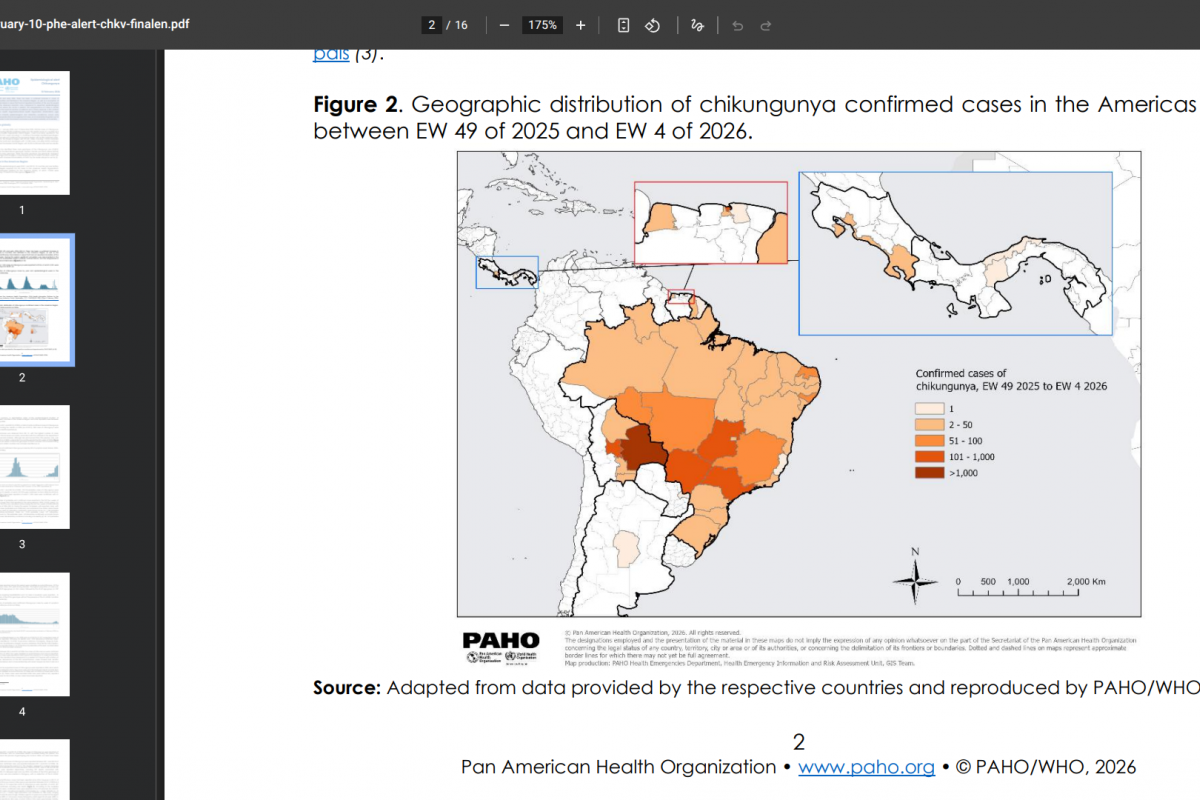
Notable activity occurred in Brazil's central-western and southeastern regions, southern Bolivia, and the re-emergence in the Guiana Shield area (including Guyana, French Guiana, and Suriname after nearly a decade without reports.
The PAHO noted that while dynamics may reflect cyclical epidemiology, the reappearance in previously quiet territories underscores the urgency for heightened vigilance.
Genomic analysis shows three main global genotypes of the chikungunya virus: West African, East/Central/South African, and Asian. Specifically, the Indian Ocean lineage, which features the E1-A226V mutation, enhances transmissibility, contributing to wider spread in some contexts.
Chikungunya is a viral disease transmitted primarily by Aedes aegypti and Aedes albopictus mosquitoes, the same vectors responsible for Dengue and Zika infections, which have also been reported in 2026.
In a positive development for prevention, approved chikungunya vaccines are expected to be available in 2026. These include virus-like particle options, such as the VIMKUNYA vaccine.
This vaccine is recommended for people visiting areas with chikungunya outbreaks and is commercially offered at certified travel clinics throughout the U.S.
Our Trust Standards: Medical Advisory Committee