Coronavirus Breaking News

The coronavirus disease COVID-19 is currently reaching pandemic levels in various countries.

Feb 12, 2026 • 11:07 am CST
Pixabay 2026

With international travel forecast to increase again in 2026, a group of innovative vaccines is showing positive trends.

Bavarian Nordic A/S today announced its preliminary, unaudited financial results for 2025, highlighting strong demand for its travel vaccines.

On February 12, 2026, the company confirmed that its Travel Health business exceeded its latest financial guidance, reporting a 30% increase compared to 2024.

The demand for its existing rabies and Tick-Borne Encephalitis vaccines continued to grow, with increases of 34% and 20%, respectively.

Additionally, the first-year sales of the chikungunya vaccine (VIMKUNYA®) reached DKK 85 million (approximately $13.4 million).

While the mosquito-transmitted chikungunya virus has affected over 100 countries since its emergence, the state of Florida is reporting numerious travel-related cases and even an unusual local case in early 2026.

These increases exceed the global international travel activity, which only increased by 4% from 2024 to 2025, according to data from UN Tourism.

Paul Chaplin, President and CEO of Bavarian Nordic, commented in a press release, "We are encouraged by these extraordinary results."

We remain, however, the leading provider to governments of mpox and smallpox vaccines to support their public health responses, whether during outbreaks or for long-term stockpiling, and we continue to build strong partnerships to expand the base business."

The unedited company press release is found at this link.


Feb 12, 2026 • 4:52 am CST
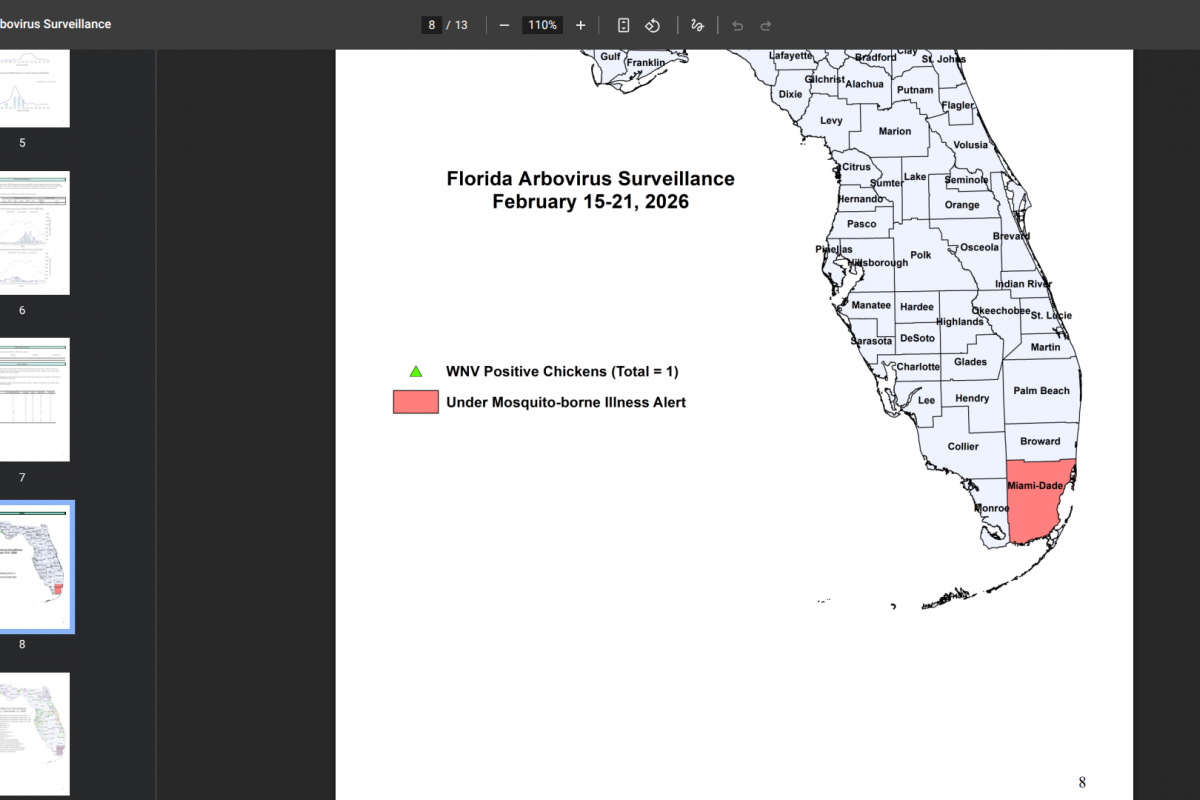
Florida DOH February 2026

Health officials in Florida are monitoring a significant increase in chikungunya fever cases, predominantly linked to travel from Cuba, where the mosquito-transmitted virus was associated with more than 50,000 cases in 2025.

According to week #5 data from the Florida Department of Health (DOH), the state recorded a high number of travel-associated cases this year.

As of early February 2026, health officials have reported 16 cases with onset in 2026 among individuals with a recent travel history from Cuba. The most affected counties include Miami-Dade (10 cases) and Palm Beach (2 cases).

In 2025, Florida reported 370 travel-associated chikungunya cases. Of these, 357 were linked to travel to Cuba.

Furthermore, the DOH reported a rare but notable case of locally acquired chikungunya fever in Miami-Dade County, with symptom onset in December 2025.

This marks the first instance of local transmission in Florida since 2014, when 12 cases were reported.

Local transmission in Florida indicates the virus was passed from an infected traveler to a resident through mosquitoes within the state, raising concerns about the potential establishment of the virus in areas with competent mosquito vectors in 2026.

As of February 12, 2026, the U.S.CDC maintains a Level 2 Travel Health Notice ("Practice Enhanced Precautions") for chikungunya in Cuba, advising travelers to use insect repellent, wear long sleeves and pants, and take other measures to prevent mosquito bites.

Additionally, the CDC advises travelers visiting chikungunya-endemic areas to speak with a vaccine expert about the 2026 immunization option.

Feb 12, 2026 • 4:34 am CST
Virology

Hong Kong's Centre for Health Protection (CHP) reported two new human cases of H9N2 avian influenza infection from mainland China, with symptom onset in late December 2025 and mid-January 2026.

The announcement, published on February 10, 2026 (Week 6), highlighted ongoing sporadic detections of the low-pathogenic bird flu virus in humans.

These cases in Hubei, Guangxi, and Jiangsu provinces coincided with the reporting of an additional human infection involving avian influenza A(H10N3) in a 34-year-old man from Guangdong Province, whose symptoms also began on December 29, 2025.

If confirmed, this would mark only the seventh known human case of H10N3 globally.

According to CHP data, 20 H9N2 cases have been reported in China over the past six months.

Unlike highly pathogenic strains like H5N1, H9N2 has not shown sustained human-to-human transmission.

In the entire year of 2025, mainland China recorded 29 H9N2 cases, which marks a significant increase compared to previous years (11 cases in 2024). 

While global human H9N2 infections remain relatively low, they have risen in recent years, primarily in China, with occasional reports from neighboring regions.

Since the first confirmed human case in 1998 (Hong Kong), officials stress that although H9N2 infections are uncommon in humans, continued surveillance is essential because the virus circulates in poultry and can reassort with other influenza strains.

H9N2 is a low-pathogenic avian influenza virus commonly found in poultry, particularly in live bird markets across parts of Asia. Human infections are generally mild, resembling the seasonal flu, with symptoms such as fever, cough, and sore throat; most patients recover fully without severe complications.

Another virus subtype is notable for causing severe illness in people, despite being classified as low pathogenic in birds. As previously reported, between March 2013 and September 2019, a total of 1,568 human cases of avian influenza A(H7N9) have been reported globally.

As of February 12, 2026, the CHP and the World Health Organization (WHO) (January 2026) say the overall public health risk from these cases is assessed as low. The WHO does not advise special traveller screening at points of entry or restrictions about the current situation of influenza viruses at the human-animal interface

Furthermore, these agencies say vaccination options are currently limited.

Feb 12, 2026 • 4:13 am CST
USDA 2026

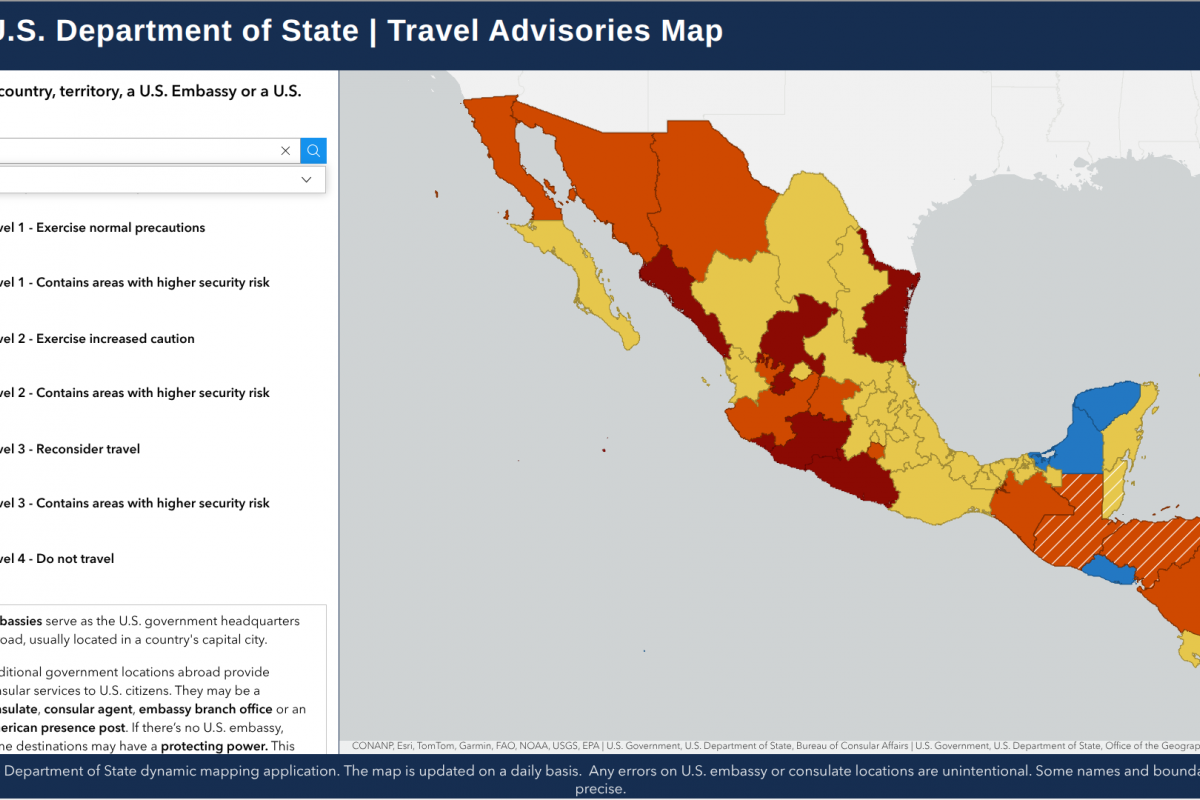
The Mexican Ministry of Health has confirmed six new human cases of myiasis caused by the New World screwworm (NWS, Cochliomyia hominivorax), bringing the total number of reported human cases to 141 across eight states.

According to Epidemiologic Surveillance Report #4, the majority of cases—103—have been reported in Chiapas, where environmental conditions have facilitated ongoing transmission.

While human cases are relatively uncommon compared to infections in animals, as of February 9, 2026, over 600 cases have been reported in livestock and other animals nationwide, highlighting the broader impact of this serious health risk.

The NWS is a parasitic fly native to parts of the Americas. It lays its eggs in open wounds or on the mucous membranes of warm-blooded animals, including humans. The eggs hatch into larvae that burrow into living tissue, feeding on flesh and causing severe damage, pain, and potential secondary infections.

If left untreated, infestations can lead to serious complications and, in rare cases, may be fatal.

International health authorities are actively monitoring the situation through enhanced surveillance efforts.

Currently, the U.S. government is involved in regional initiatives that include sterile insect technique programs aimed at reducing fly populations and preventing further northward spread.

Animal cases (primarily in livestock) have been detected close to the Texas border, raising concerns about potential northward spread:

Tamaulipas has reported 8 active animal cases, and Nuevo León has had confirmed animal cases, including one in Sabinas Hidalgo, less than 70 miles from the Texas border.

Officials emphasize that the risk to the general public remains low with proper hygiene and wound care; however, vigilance is essential in endemic and outbreak areas.

As of February 12, 2026, no vaccines are available to protect people from this health risk.

Feb 10, 2026 • 12:17 pm CST
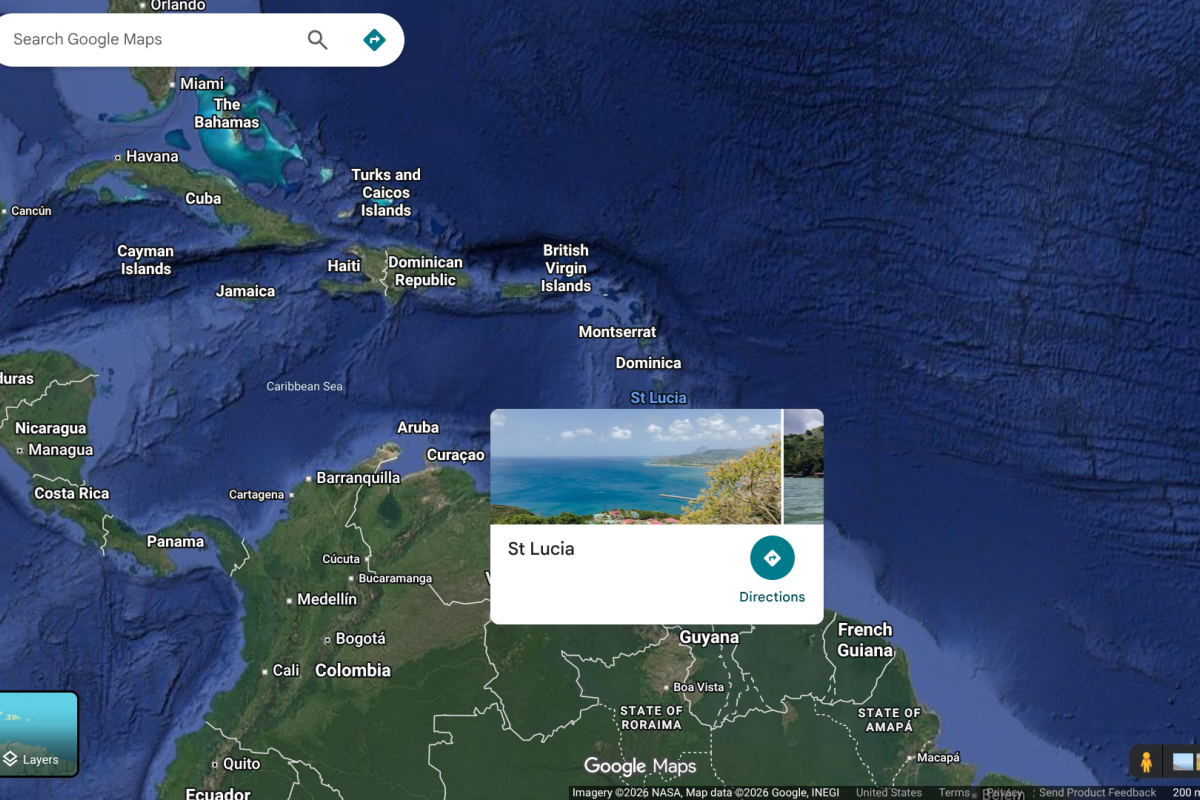
Google Maps February 2026

According to the Argentine Ministry of Health, there has been an increase in hantavirus cases in early 2026, particularly affecting the Central Region of the country.

This region, which includes provinces such as Buenos Aires, Entre Ríos, and Santa Fe, has consistently reported the highest number of cases in recent seasons.

As of February 2, 2026, national health authorities confirmed a total of 14 cases in the new year, with 7 in Buenos Aires Province, 5 in Salta, 1 in Entre Ríos, and 1 in Río Negro.

The current epidemiological season (from week 27 of 2025 to the present) has shown heightened activity. Argentina has recorded approximately 70 confirmed cases, resulting in 20 deaths, which gives a case fatality rate (CFR) of around 34.5% — the highest rate seen in the past seven years.

The Ministry of Health emphasizes the importance of preventive measures, including avoiding contact with rodents, ensuring proper ventilation in enclosed spaces before entering, using protective gear when cleaning rodent-infested areas, and securely storing food items.

Currently, there is no vaccine for hantavirus. Still, clinical research is focused on DNA and mRNA candidates, with a Phase 2 study evaluating HTNV/PUUV DNA vaccines and new MVA-Hanta trials testing a modified vaccinia Ankara vector. 

Furthermore, treatment is primarily supportive.

Early diagnosis within the critical 48-hour window after the onset of symptoms is essential for improving outcomes. Symptoms typically begin with flu-like signs and can progress to severe respiratory distress.

International organizations, including the Pan American Health Organization, are closely monitoring the situation in this South American country.

Feb 10, 2026 • 9:34 am CST
Facebook February 2026

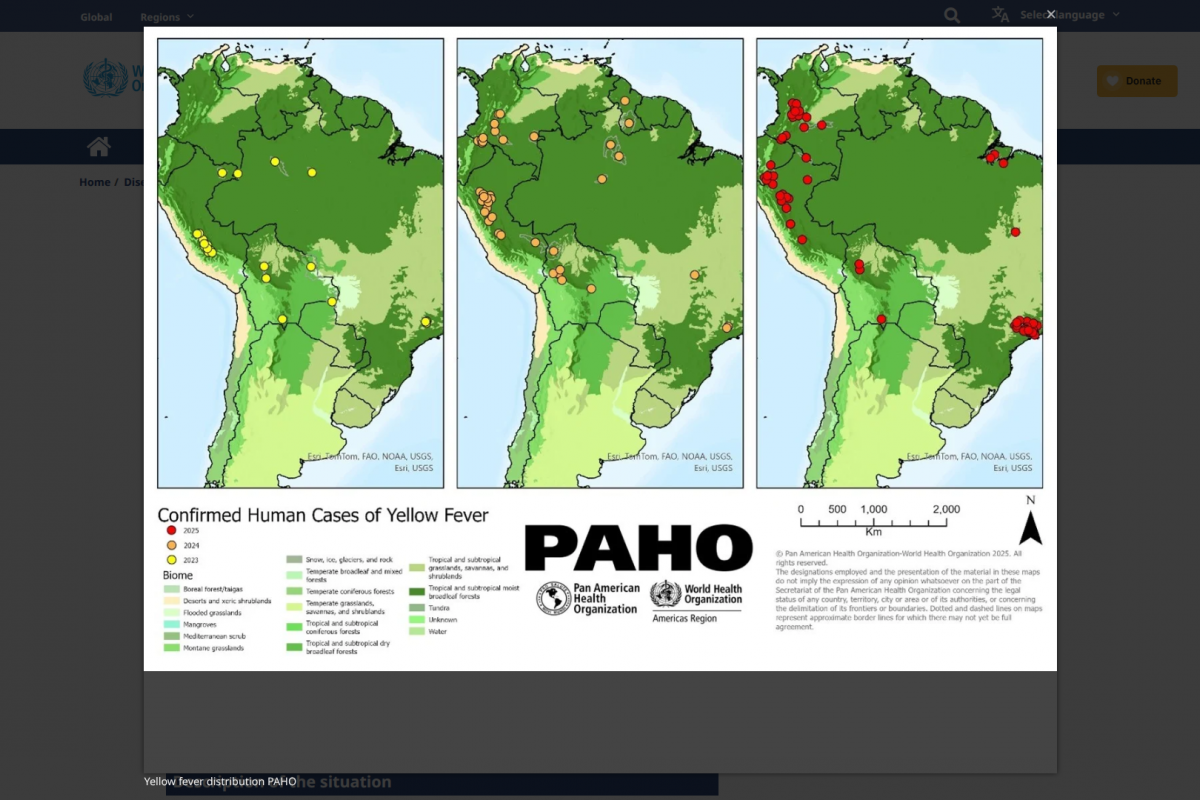
The yellow fever outbreak in the Republic of Colombia has intensified, with the latest data showing a continued rise in cases and fatalities in 2026.

As of February 8, 2026, Colombia's Ministry of Health confirmed 168 yellow fever cases, including 76 deaths, according to a Facebook post.

This new data represents an increase from earlier reports in late January 2026, when the cumulative total stood at 161 cases and 73 deaths.

Located on the northwestern coast of South America, the department of Tolima remains the epicenter, historically low-risk but now accounting for the majority of infections (previously reported at over 130 cases and dozens of deaths in the region alone).

Other Colombian departments include Caldas, Caquetá, Cauca, Guaviare, Huila, Meta, Nariño, Putumayo, and Vaupés.

The outbreak, which originated in late 2024 and escalated significantly through 2025, has been marked by a persistently high case-fatality rate, often exceeding 40-70% in various reporting periods, largely due to low vaccination coverage among affected populations in forested or rural areas where the mosquito-transmitted virus circulates.

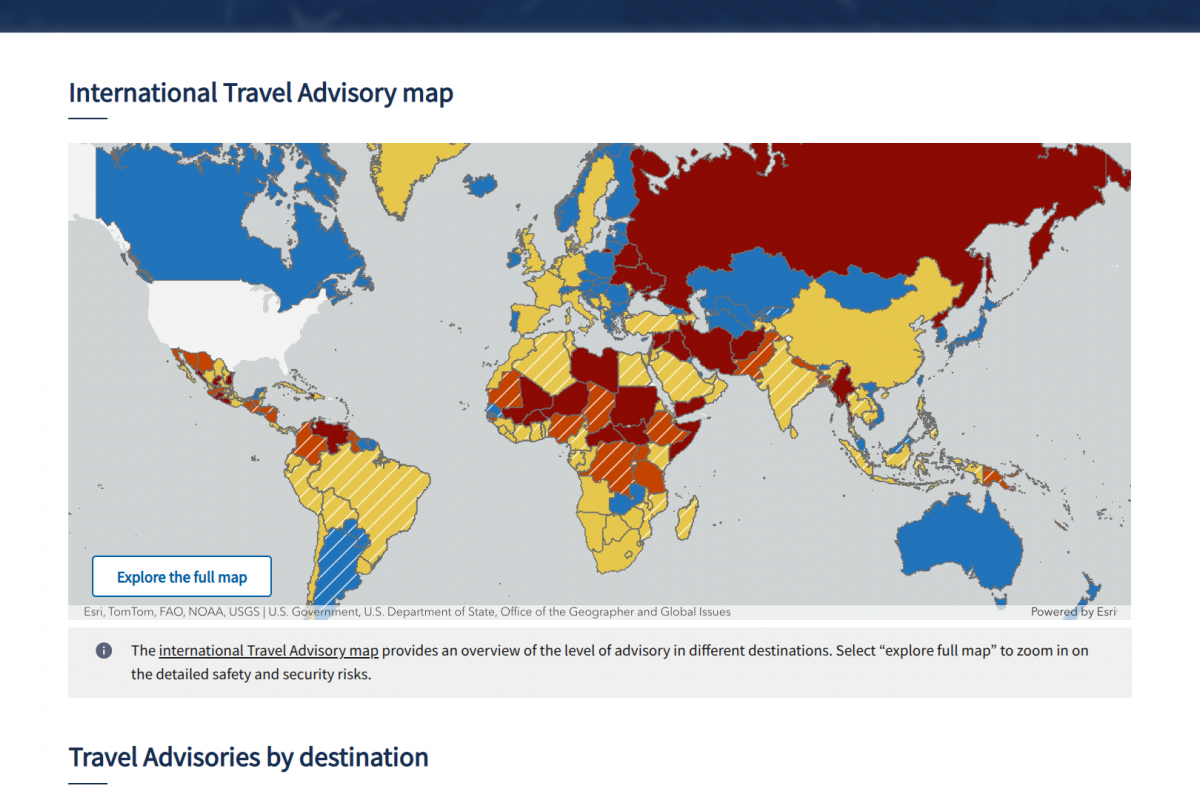
With millions of travelers departing for Colombia from the U.S. each year, the Centers for Disease Control and Prevention's Travel Health Notice, Level 2, continues to recommend yellow fever vaccination for travelers to risk areas in Colombia at elevations generally below 2,300 meters, excluding major cities like Bogotá, Barranquilla, Cali, Cartagena, and Medellín.

Numerious health authorities urge residents and visitors in or traveling to endemic zones to get vaccinated at least 10 days before exposure, use mosquito protection, and seek immediate medical care if symptoms such as fever, headache, muscle pain, nausea, or jaundice appear. 

When departing from the United States for Colombia, travel vaccination clinics offer the YF-Vax vaccine.

Feb 9, 2026 • 11:56 am CST
University post Faceboob 2026

Florida's Ave Maria University recently published an updated report regarding the on-campus measles outbreak. As of the afternoon of February 6, 2026, two students remain in the contagious period since their rash appeared and are currently in quarantine.

According to the university, "We have had one new case since February 4 and will continue to provide regular updates as they become available."

Local media sources and clinic reports indicate that at least 20 students have been diagnosed with measles, with the Mater Dei Clinic confirming 20 positive cases as of early February, and the last new positive case reported on February 2, 2026.

Some reports note an additional 14 cases pending testing in Collier County.

The university stated on its website, "We continue to provide care for all students regardless of test results and are closely monitoring the situation in coordination with the Florida Department of Health (DOH). To support routine student care, a second on-campus clinic has been established in addition to the Padre Pio Campus Health Clinic."

"We are deeply committed to the care, safety, and medical and spiritual support of every student."

The DOH is expected to release updated official statewide numbers on February 12, 2026.

The DOH notes that individuals with a prior history of measles infection or those who have received the full series of the measles, mumps, and rubella (MMR) immunization are 98% protected and are unlikely to contract measles.

Notably, reports indicate that approximately 98% of Ave Maria University's student population is vaccinated against measles (exceeding CDC recommendations for herd immunity). Yet, the outbreak has occurred primarily among vaccinated individuals, highlighting that while highly effective, the vaccine is not 100% protective in all cases or large exposures.

Florida's overall kindergarten MMR vaccination rates are reported at around 88.8% for the 2024–2025 school year.

Individuals who may have been exposed, or who are interested in preventive options, may contact DOH-Collier. Pre and post-exposure options will be available for all ages, Monday through Friday, at the Naples and Immokalee locations.

As of February 9, 2026, following DOH guidance, campus operations continue uninterrupted, including in-person classes, Masses and confessions, dining services, and non-curricular activities. Ave Maria University remains dedicated to providing comprehensive support services to meet our students' health, academic, and spiritual needs.

Feb 9, 2026 • 9:04 am CST
US CDC February 2026

The Hong Kong Special Administrative Region Government, through its Travel Health Service under the Centre for Health Protection (CHP), has cautioned residents to exercise care regarding Dengue fever when traveling abroad this year.

The advisory emphasizes that the disease is endemic in over 100 countries, particularly in Southeast Asia and the Western Pacific—popular destinations for Hong Kong travelers.

In an update posted on February 5, 2026, the Travel Health Service reiterated that Dengue remains a persistent threat in many tropical and subtropical regions.

As of early 2026, there have been six reported imported cases of Dengue.

In 2025, Hong Kong recorded 59 imported Dengue cases.

The countries that contributed the most cases last year include the Philippines (12 cases), Indonesia (11 cases), India (9 cases), and Thailand (9 cases).

Notably, there were no local transmissions reported last year.

Regionally, Dengue remains a challenge. As per cumulative figures from 2025, with partial data from 2026, Indonesia reported 148,922 cases, with 403 recorded in early 2026; Vietnam had 184,903 cases in 2025; and India reported 120,729 cases during the last year.

Travelers returning from areas where Dengue is prevalent should seek medical attention promptly if they feel unwell and inform their doctors about their travel history. Additionally, CHP says those planning to travel to these regions should take the necessary precautions against this mosquito-borne disease.

Seperately, the U.S. CDC recently stated, 'it has identified a higher-than-expected number of Dengue cases among returning U.S. travelers from certain countries in recent months.'

As of early 2026, there is currently no locally registered Dengue vaccine available for general use in Hong Kong, according to the Centre for Health Protection and the Department of Health.

However, in nearby dengue-endemic countries that are popular with Hong Kong travelers, the second-generation vaccine QDENGA® is available in various settings, including private clinics, national programs, and public health initiatives.

In the United States, QDENGA is unavailable in 2026, but the first generation is available in Puerto Rico, where Dengue has become endemic.

Detailed information on the latest Dengue fever situation in Hong Kong, as well as neighbouring and overseas countries and areas, is available on the Centre for Health Protection's website.

Feb 7, 2026 • 4:29 pm CST
PAHO February 2026

The Pan American Health Organization (PAHO) is urgently calling for coordinated action by Member States in Region #3 in response to a significant resurgence of measles in the Region of the Americas, including the United States.

While most Americans are focusing on measles outbreaks in Florida and South Carolina in February 2026, six countries are affected: Bolivia (10 cases), Canada (67 cases), Chile (1 case), Guatemala (41 cases), Mexico (740 cases), and Uruguay (1 case).

"Measles elimination in the Americas was a historic achievement, but recent events (in Canada and Mexico) demonstrate that this progress is fragile and can be reversed without consistently high vaccination coverage," stated the PAHO Director in a report issued on February 3, 2026.

"Coordinated action now can save lives, prevent further outbreaks, and ensure the health security of the region."

The PAHO emphasizes that measles is a highly contagious yet entirely preventable disease through vaccination. The current surge in cases highlights significant gaps in routine immunization.

To alert international travelers to this serious health risk in 2026, the U.S. CDC continues to issue a Level 1 Travel Health Notice, which identifies numerious countries facing measles outbreaks.

The dramatic increase in cases during 2025 and into early 2026 serves as a warning sign of vulnerabilities in vaccination coverage, says the PAHO.

As of February 7, 2026, measles vaccination services are offered to international travelers at local clinics.

Feb 7, 2026 • 3:21 pm CST
Pixabay 2026

Over the past two decades, coronaviruses (CoV) have caused three significant disease outbreaks: severe acute respiratory syndrome (SARS), Middle East respiratory syndrome (MERS), and coronavirus disease 2019.

Diseases such as MERS continue to cause severe outcomes. There have been a total of 19 MERS-CoV cases reported worldwide since the beginning of 2025, including four fatalities.

To address these diseases with a single vaccine, a candidate designed to provide broad protection against coronaviruses has entered clinical testing.

The vaccine, named GBP511, is built on a self-assembling nanoparticle technology developed by researchers at UW Medicine and the Institute for Protein Design. The South Korean pharmaceutical company SK bioscience is conducting human clinical trials for this vaccine.

GBP511 builds on technology validated through SKYCovione, a vaccine that became the world's first computer-designed medicine to achieve regulatory approval.

In preclinical studies, GBP511 has shown the ability to protect animals from related viruses not directly targeted by the vaccine.

"The beauty of this approach is that by presenting the immune system with multiple related antigens at once, we can train it to recognize features that are conserved across the entire sarbecovirus family," explained David Veesler, a professor of biochemistry at UW Medicine and a Howard Hughes Medical Institute Investigator, who led the preclinical studies, in a press release on February 3, 2026.

He added, "That's exactly what you need to prepare for unpredictable future threats."

The international Phase 1/2 trial began enrolling participants in January 2026 and will assess safety and immune responses in approximately 368 healthy adults in Perth, Western Australia. The study's results are expected by 2028.

The Coalition for Epidemic Preparedness Innovations has supported the GBP511 program with approximately $65 million in funding. 

Feb 7, 2026 • 5:19 am CST
Tropical Medicine and Infectious Disease

The Ministry of Health and Family Welfare of Bangladesh, in collaboration with the World Health Organization (WHO), announced today a laboratory-confirmed case of Nipah virus (NiV) infection in the Rajshahi Division of northwestern Bangladesh.

As of February 3, 2026, a middle-aged woman from Naogaon District had been experiencing symptoms including fever, headache, muscle cramps, loss of appetite, weakness, and vomiting since late January 2026, when the NiV infection was confirmed. The patient had no travel history outside the area but reported repeatedly consuming raw date palm sap in early January 2026, a known transmission route for the virus due to contamination from fruit bats.

On February 6, 2026, the WHO stated that there are currently no specific treatments or vaccines approved for Nipah, making prevention through public awareness and good hygiene practices essential.

Fortunately, NiV vaccine candidates are being tested in clinical research in 2026.

Since 1998, NiV outbreaks across Bangladesh, India, Malaysia, the Philippines, and Singapore experienced very high fatality rates, ranging from 40% to 75%.

Furthermore, the WHO assessed the overall public health risk posed by this NiV event as low at the national, regional, and global levels. The risk of international disease spread is also considered low, and no travel or trade restrictions are recommended.

Feb 6, 2026 • 1:57 pm CST
Johns Hopkins University February 2026

An unexpected measles outbreak at Ave Maria University in Collier County, Florida, has intensified, with at least 20 students now confirmed to have contracted the highly contagious viral infection.

As of February 6, 2026, three of these Florida students have been hospitalized due to complications from the illness.

Located northeast of Naples, the school officials stated on their website that they continue to provide care for all students, regardless of test results, and are closely monitoring the situation. In addition to the Padre Pio Campus Health Clinic, a second on-campus clinic has been established to support routine student care.

This outbreak represents the first significant measles activity in Collier County in nearly a decade, as there have been no reported cases during that time.

Alarmingly, university officials have noted that approximately 98% of the student population is vaccinated against measles, which exceeds the U.S. CDC recommendations.

The CDC reports data from 2025-2026, indicating that about 3% to 4% of total reported breakthrough measles cases in the U.S. occurred among people who had received 2 doses.

According to the Florida Department of Health (DOH), there were around 10 confirmed measles cases in southeast Florida (Broward County) in early 2024.

As of early February, the Florida DOH in Collier County is providing additional resources to monitor for suspected measles cases and to minimize further transmission.

Unfortunately, in a potentially related matter, further north in Florida, the administration of St. Petersburg Catholic High School confirmed on Friday, February 4, 2026, that a student has a confirmed case of measles.

The DOH says measles vaccination services are offered at public and commercial locations throughout Florida.

Feb 6, 2026 • 12:15 pm CST
US CDC February 2026

The U.S. Centers for Disease Control and Prevention (CDC) is continuing to monitor elevated levels of seasonal influenza activity across the nation, as detailed in the FluView surveillance report #4.

The CDC's in-season severity assessment framework classified the 2025-2026 flu season as moderate across all ages.

As of February 6, 2026, the CDC reports that influenza activity remains high nationally, although some areas are seeing stabilization or a decline in flu cases.

Most regions are reporting stable or decreasing overall flu activity.

However, influenza activity is still on the rise, with high infection rates driven by an influenza A(H3N2) strain in HHS Region 10, which includes the Pacific Northwest states: Alaska, Idaho, Oregon, and Washington.

The CDC emphasizes that getting vaccinated is a crucial preventive measure, even late in the current flu season, as it significantly reduces the risk of severe illness, hospitalization, and death.

The CDC strongly advises those who have not yet been vaccinated to do so as soon as possible. Various flu vaccines are still available at local clinics throughout the USA.

Approximately 134 million doses of influenza vaccine have been distributed in the United States this season.

For the most up-to-date information, including interactive maps and detailed regional data, please visit the CDC's FluView portal at cdc.gov/fluview.

Feb 5, 2026 • 12:48 pm CST
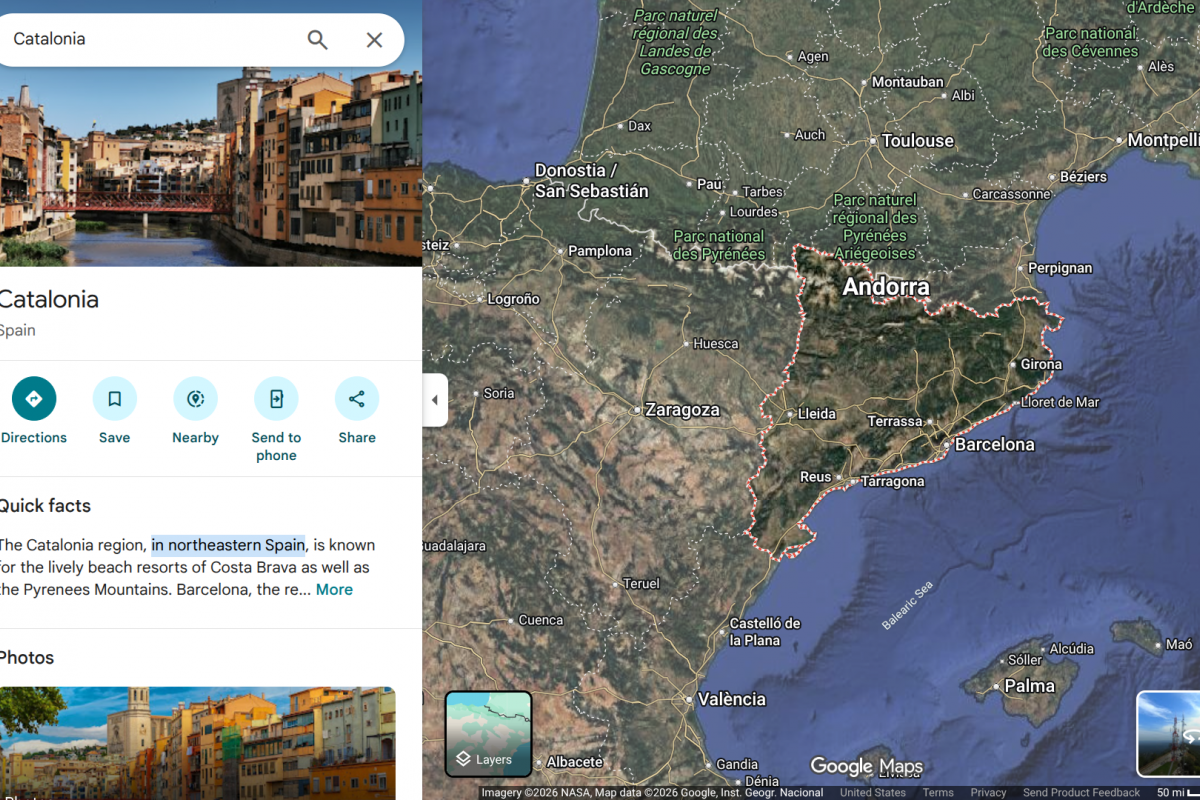
Google Maps 2026

As the February 2026 vaccination plans are being formed, the UK Health Security Agency (UKHSA) has issued an important reminder for travelers heading to Cape Verde to take extra precautions against gastrointestinal infections when visiting the West African archipelago.

As of February 5, 2026, recent UKHSA data indicate a significant cluster of Shigella sonnei cases, a bacterial cause of severe dysentery-like illness, along with multiple clusters of non-typhoidal Salmonella infections strongly linked to recent travel to Cape Verde.

Since October 1, 2025, the UKHSA has confirmed 158 cases of Shigella sonnei in travelers returning to England, Scotland, and Wales. Of the 118 cases where international travel was reported, 112 (94.9%).

Many travelers to Cape Verde have visited the Santa Maria area on Sal Island and the Boa Vista area, popular resorts known for their beaches.

The UKHSA says this strain of Shigella sonnei shows no genomic resistance to the common antimicrobials typically used to treat traveler's diarrhea, which could facilitate treatment if an infection occurs.

Additionally, 32 cases were linked to travel to Cape Verde during the same period.

Investigations into the outbreaks are ongoing and involve international health partners. Cases have also been reported in other European countries, particularly from September to November 2025.

Shigella and Salmonella are primarily transmitted through contaminated food and water, poor hygiene practices, and person-to-person contact. The risk of infection is especially heightened in resort settings.

Symptoms typically appear within a few days, and while most people recover within a week with supportive care (with hydration being crucial), severe cases can lead to dehydration, hospitalization, or complications. This is particularly concerning for vulnerable groups such as young children, the elderly, and individuals with weakened immune systems.

The UKHSA emphasizes that while Cape Verde is a popular travel destination, increased vigilance can help prevent illness and ensure a safe holiday. Travelers who experience symptoms upon returning should seek medical advice and inform their doctor about their travel history.

From a prevention standpoint, no Shigella vaccine has received regulatory approval from any health authority as of February 2026.

However, the Shigella4V (S4V or S4V2) vaccine candidate received U.S. FDA Fast Track designation in 2024. Phase 2 studies (including in infants) are underway, but no Phase 3 completion or approval has been achieved yet.

Feb 5, 2026 • 9:03 am CST
Pixabay 2026

In a recent update from the U.S. Centers for Disease Control and Prevention (CDC), details were released about a gastrointestinal illness (GI) outbreak aboard the Regent Seven Seas cruise ship, Seven Seas Mariner.

The CDC reported this incident on February 2, 2026, which affected a small percentage of passengers and crew, underscoring the ongoing challenges of maintaining health standards on luxury cruises in the travel environment.

According to the CDC's Vessel Sanitation Program (VSP), the final case counts showed that 21 of 631 passengers (3.3%) reported illness, and 6 of 458 crew members (1.3%).

The predominant symptom among those affected was diarrhea, and the specific causative agent remained unknown despite testing.

In response to the outbreak, Regent Seven Seas and the ship's crew implemented several measures as outlined in the CDC report. These included enhancing cleaning and disinfection procedures in accordance with their established outbreak prevention and response plan. Stool specimens were collected from affected individuals for laboratory testing, and ill passengers and crew members were isolated to prevent further spread.

The cruise line consulted directly with VSP officials to enhance sanitation protocols and improve case reporting.

Regent Seven Seas has consistently received high scores from the VSP, often exceeding 95 out of 100 in routine inspections. This strong track record may have helped in the swift containment of the recent outbreak.

The CDC says GI outbreaks are common in close-quarters environments, such as cruise ships, and are often linked to norovirus or other pathogens. However, the relatively low infection rate in this case indicates that the situation was effectively managed.

In 2025, there were 23 reported outbreaks, of which 17 were attributed to norovirus. This virus is the most common cause of confirmed GI outbreaks on cruise ships because it spreads easily in tight spaces.

For those planning cruise ship voyages in 2026, Vax-Before-Travel.com reports that no vaccine is currently available for norovirus.