Eastern London Remains Poliovirus Risk
Recent detections of poliovirus in London's wastewater have led the U.S. Centers for Disease Control and Prevention (CDC) to update its global travel health notice to include the United Kingdom.
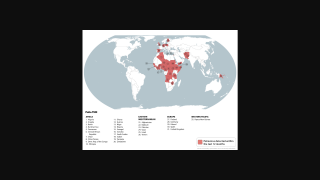
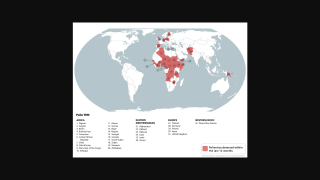
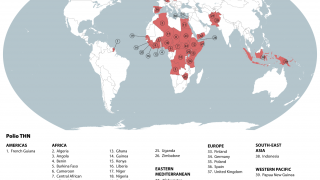
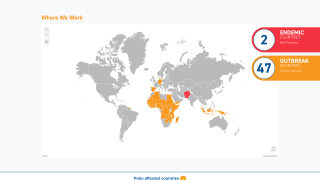
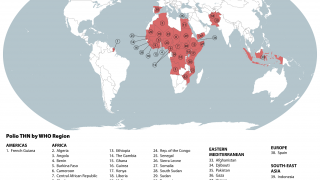
This CDC advisory, classified as Level 2 – Practice Enhanced Precautions, was issued on March 3, 2026, and highlights the ongoing risk of poliovirus circulation in over 30 countries, where environmental surveillance has found traces of the virus in sewage samples.
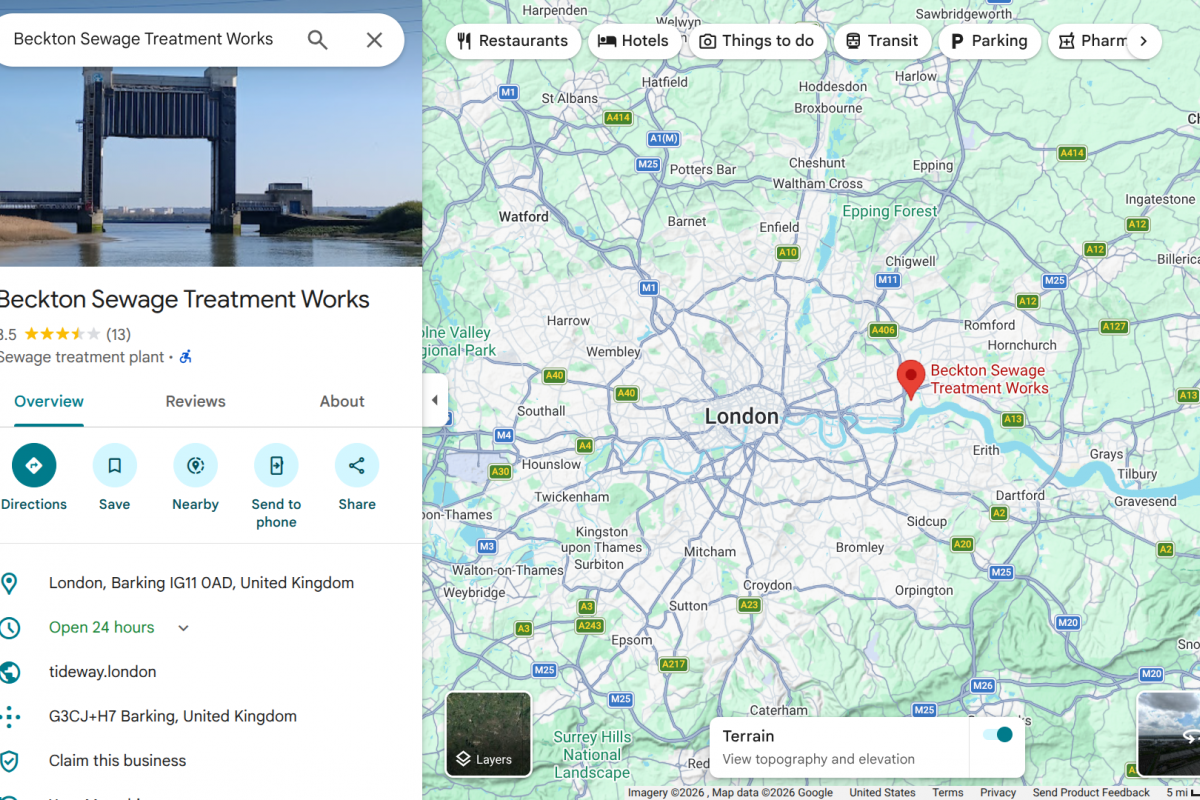
In the UK, detections have primarily been concentrated around the Beckton Sewage Treatment Works, which serves millions of residents in northern and eastern London. According to the UK Health Security Agency (UKHSA), a circulating vaccine-derived poliovirus type 2 (cVDPV2) was identified in an environmental sample collected around January 28, 2026.
Investigations into the source of the cVDPV2 detections in London are ongoing and may be linked to international arrivals.
This indicates a continued presence of poliovirus in the UK's wastewater system, following earlier discoveries in late 2024 in locations such as East Worthing, Leeds, and London's Beckton and Crossness treatment plants.
Notably, similar UKHSA detections in London's sewage began in 2022.
While no cases of paralytic polio have been reported in the UK since 1984, these environmental detections suggest potential silent transmission in communities with low vaccination rates. Health officials emphasize the importance of maintaining high vaccination coverage to prevent any resurgence of the virus.
Vaccine-derived poliovirus occurs when the weakened live virus used in oral polio vaccines (OPV) mutates and regains the ability to spread in under-immunized populations. Although the UK switched to the inactivated polio vaccine (IPV) in 2004, which does not carry this risk, global travel and migration can introduce strains from regions where OPV is still used.
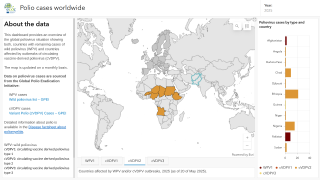
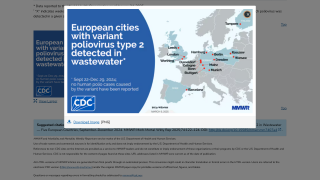
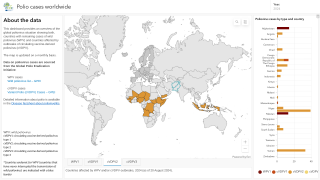
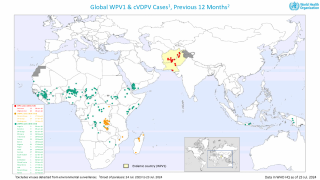
The updated CDC advisory includes endemic hotspots like Afghanistan, Pakistan, and Nigeria, as well as non-endemic countries such as the UK, Germany, Finland, and Spain, where wastewater detections have been reported. CDC experts highlight that wastewater surveillance acts as an early warning system, enabling public health officials to intervene before outbreaks occur.
The notice states, "Some international destinations have circulating poliovirus," urging travelers to ensure they are up to date on their polio vaccines before any international trip.
The CDC advises clinicians to prioritize completing the IPV series for individuals who are unvaccinated or incompletely vaccinated and planning to travel. They emphasize that polio can lead to lifelong paralysis or death in rare cases.
The CDC also recommends a single lifetime IPV booster dose for adults who have completed the full routine polio vaccine series before visiting affected areas.
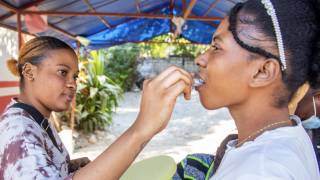
In numerious countries, the novel OPV (nOPV2) vaccine has been administered over 2 billion times in the past few years.
With global efforts intensifying, there is hope that these early alerts will keep the UK and other nations one step ahead of the virus, according to the CDC.
Our Trust Standards: Medical Advisory Committee