Canada Also Issues Chikungunya Outbreak Alerts
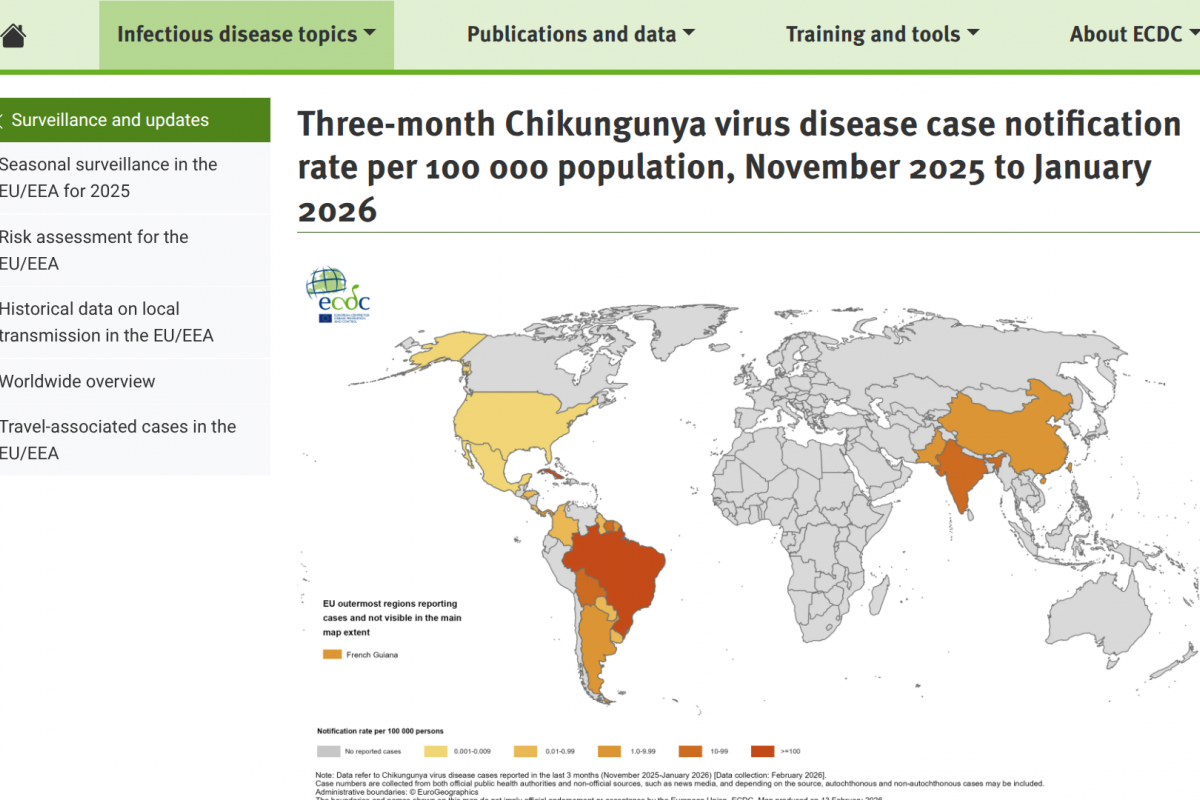
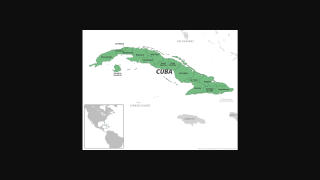
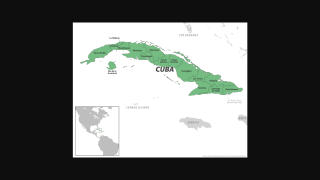
The Public Health Agency of Canada (PHAC) recently aligned its travel health guidance with that of the U.S. Centers for Disease Control and Prevention (CDC), issuing Level 2 travel notices for Bolivia, Cuba, Seychelles, Sri Lanka, and Suriname due to increased chikungunya virus activity.
As of February 19, 2026, these Level 2 advisories, which call for enhanced precautions, address the higher-than-expected transmission rates of the mosquito-borne illness in these destinations.
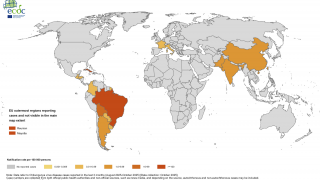
These advisories follow an epidemiological alert issued by the Pan American Health Organization (PAHO) on February 10, 2026, which warned of a sustained increase in chikungunya cases across various parts of the Americas since late 2025 and into early 2026.
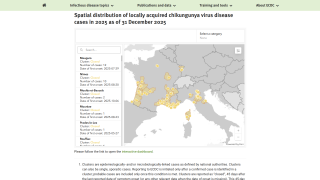
The alert highlights the re-emergence of local transmission in areas that had been free of the virus for several years, including regions of the Guiana Shield and parts of Florida.
Chikungunya, primarily spread by infected mosquitoes, causes symptoms such as sudden fever, severe joint pain, muscle aches, headaches, nausea, fatigue, and rashes. While rarely fatal, the disease can cause prolonged joint discomfort in some individuals.
In December 2013, the virus was detected for the first time in the Americas Region.
According to PAHO data and related reports, by early 2026 (specifically epidemiological week 4, around late January to early February), 7,150 chikungunya cases had been reported regionally, including 2,351 confirmed cases and 1 death.
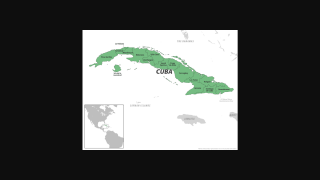
Cuba reported a significant number of suspected cases early in the year, with updates indicating that 1,457 were suspected as of late January.
The PHAC and the CDC recommend that travelers to these countries take necessary precautions, such as avoiding mosquito bites. They note that vaccination against chikungunya is available at travel clinics as of February 2026.
Our Trust Standards: Medical Advisory Committee