Vaccine News

Vaccine news brought to you by Precision Vaccinations.

Sep 26, 2025 • 12:53 pm CDT
Hosny Salah

With numerous travelers returning from African countries infected with malaria, access to treatment has become limited in the United Kingdom.

Neon Healthcare recently advised the UK's NaTHNaC that 250mg mefloquine (Lariam) antimalarial tablets are currently out of stock in the UK and will not be available until January 2026.

As of September 18, 2025, clinics and pharmacies with remaining supplies of mefloquine should prioritise travellers with imminent travel for whom mefloquine is the first choice of antimalarial. This includes pregnant travellers visiting high-risk malaria regions such as Sub-Saharan Africa.

The UK Malaria Expert Advisory Group's Malaria prevention guidelines for travellers from the UK provides detailed advice and guidance for health professionals advising travellers, and is the first port of call for queries.

As of September 26, 2025, this antimalarial shortage has not impacted travel clinics and pharmacies in the United States.


Sep 26, 2025 • 12:39 pm CDT
Maps 2025


In August 2025, the New York State Health Department reported a small number of travel-associated Chikungunya Fever cases diagnosed in international travelers to countries such as France, with no identified local mosquito-borne transmission. 

New York advised healthcare providers on procedures for testing and reporting suspected cases of Chikungunya.

In related news, a Long Island resident recently tested positive for Chikungunya, marking what could be the first locally acquired case ever reported in New York state.

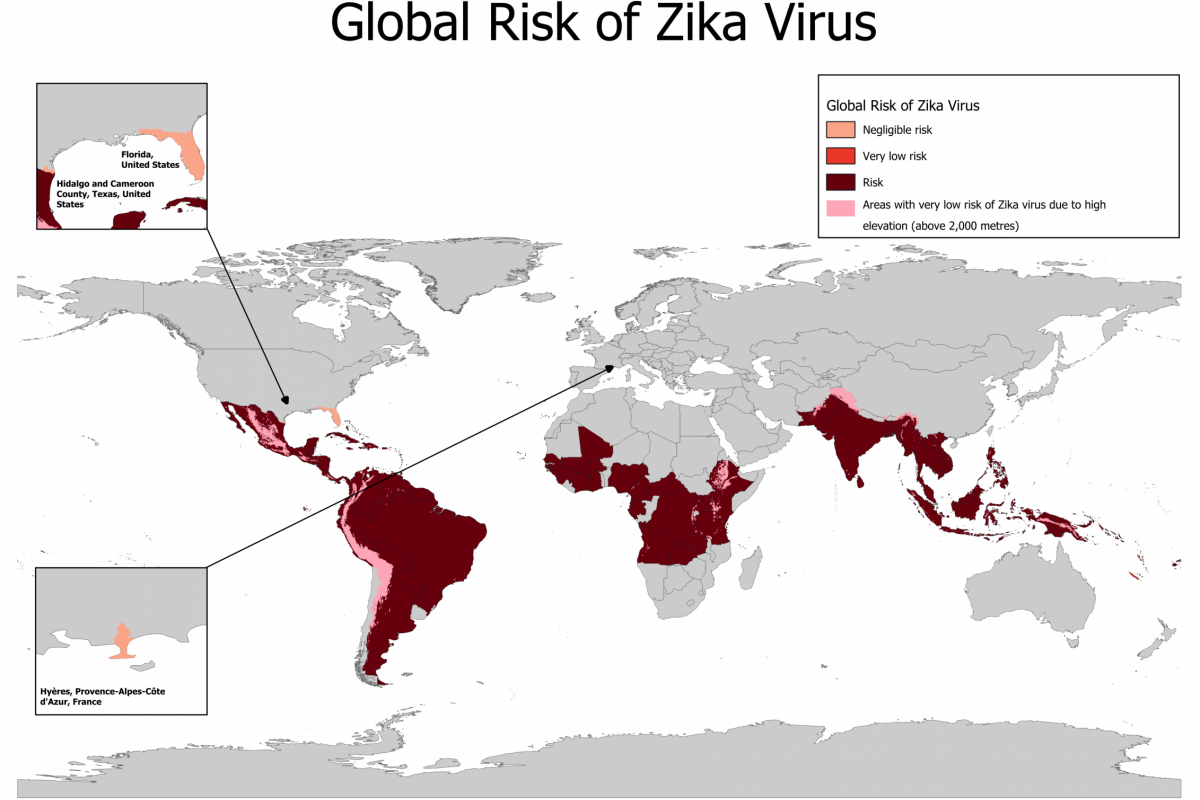
NY residents are encouraged to take preventive measures, such as avoiding mosquito bites, and to consult their healthcare provider before traveling to areas with a high risk of mosquito-borne diseases, which include dengue, malaria, and Zika.

On September 25, 2025, local media reported that Aedes aegypti mosquitoes, the primary ones responsible for Chikungunya virus transmission, are not naturally found in New York.

Currently, approved Chikungunya vaccination services are offered at travel clinics and pharmacies in New York.

Sep 25, 2025 • 11:45 am CDT
Google Maps 2025

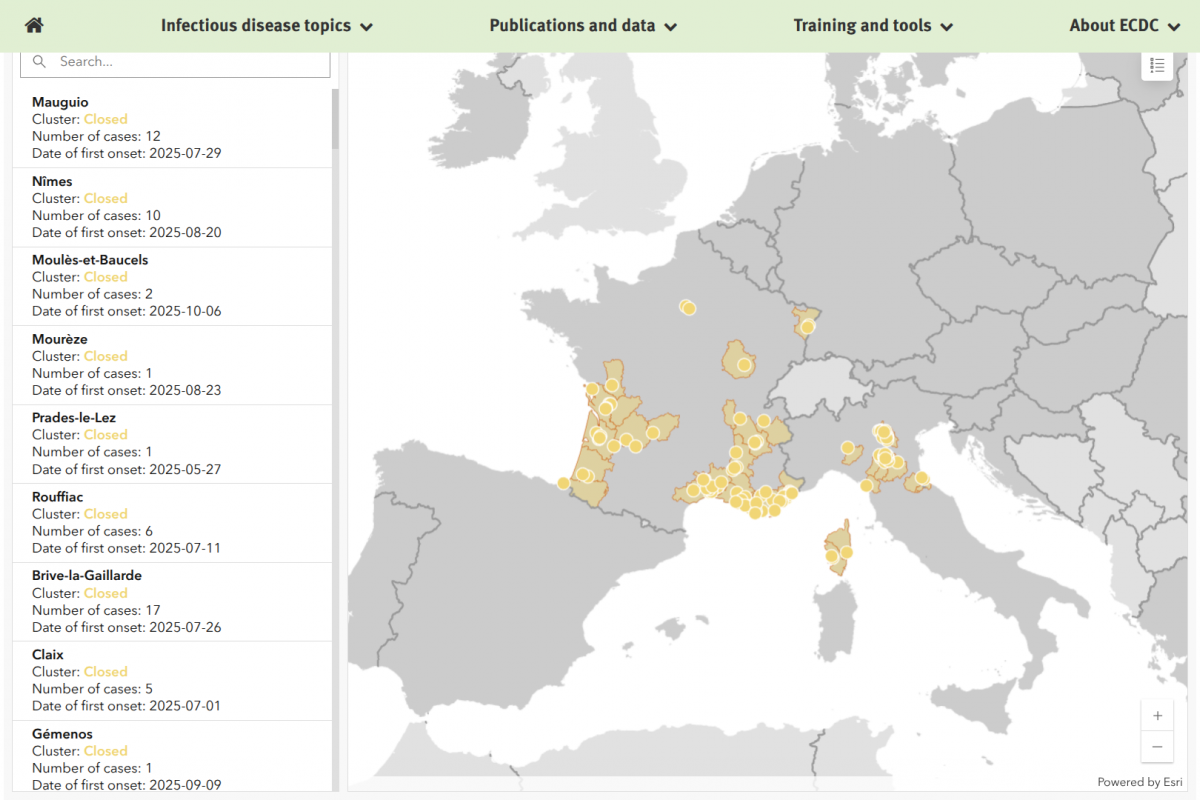
Public Health France reported (Semaine 39-2025) today that a total of 570 locally acquired cases of Chikungunya Fever have been reported since the beginning of 2025.

The Paca region, a favorite tourist destination, is the most affected by the indigenous circulation of the Chikungunya virus.

As of September 25, 2025, mosquito-transmitted cases have been reported from Provence-Alpes-Côte d'Azur, Corsica, Occitanie, Auvergne-Rhône-Alpes, Île-de-France, Grand Est, Bourgogne-Franche-Comté, and Nouvelle-Aquitaine.

Additionally, the Ministry confirmed 993 imported cases of Chikungunya, many of whom had visited the French Departments of Mayotte and Réunion.

In total, the ongoing Chikungunya outbreak in France may set new records for the country.

As an option to prevent this disease, approved vaccines are offered in France, throughout Europe, and at travel clinics and pharmacies in the United States.


Sep 25, 2025 • 4:40 am CDT
Elmer L. Geissler

While most rabies cases in the United States are from a bite by an infected bat, a broad investigation was begun in Coffee County, Alabama, after a horse was confirmed positive for Rabies. This viral disease is almost always fatal if untreated.

The owner, family members, and a neighbor who was exposed have begun Rabies post-exposure treatment.

The horse's owners reported noticing scratch marks on her nose, and she began rubbing and showing irritation in that area. The ill horse stopped eating, symptoms worsened over the 72 hours before her death, and she became violent and started attacking and biting herself.

The owners assumed the scratches came from a fox or raccoon that she had approached. Other unvaccinated horses on the property are being observed for a period of time.  

Dr. Dee W. Jones, Alabama State Public Health Veterinarian, said in a press release on September 24, 2025, "Rabies is not as common in horses as in wildlife and domestic animals, but it is not rare. Rabies vaccines are available for horses and other livestock if recommended by a veterinarian. I encourage all horse owners to make Rabies a part of their annual vaccination, even though it is not legally required like in dogs and cats."

Vaccinating animals reduces the risk of rabies infection should exposure occur; thus, vaccinations protect animals, as well as their owners and caretakers.

Rabies prevention is multifaceted. It involves people taking precautions with wildlife, ensuring their pets are up to date on rabies vaccinations, and consistently reporting any animal bites or other exposures to their medical provider and the state health department.

Sep 24, 2025 • 2:41 pm CDT
Google Maps 2025

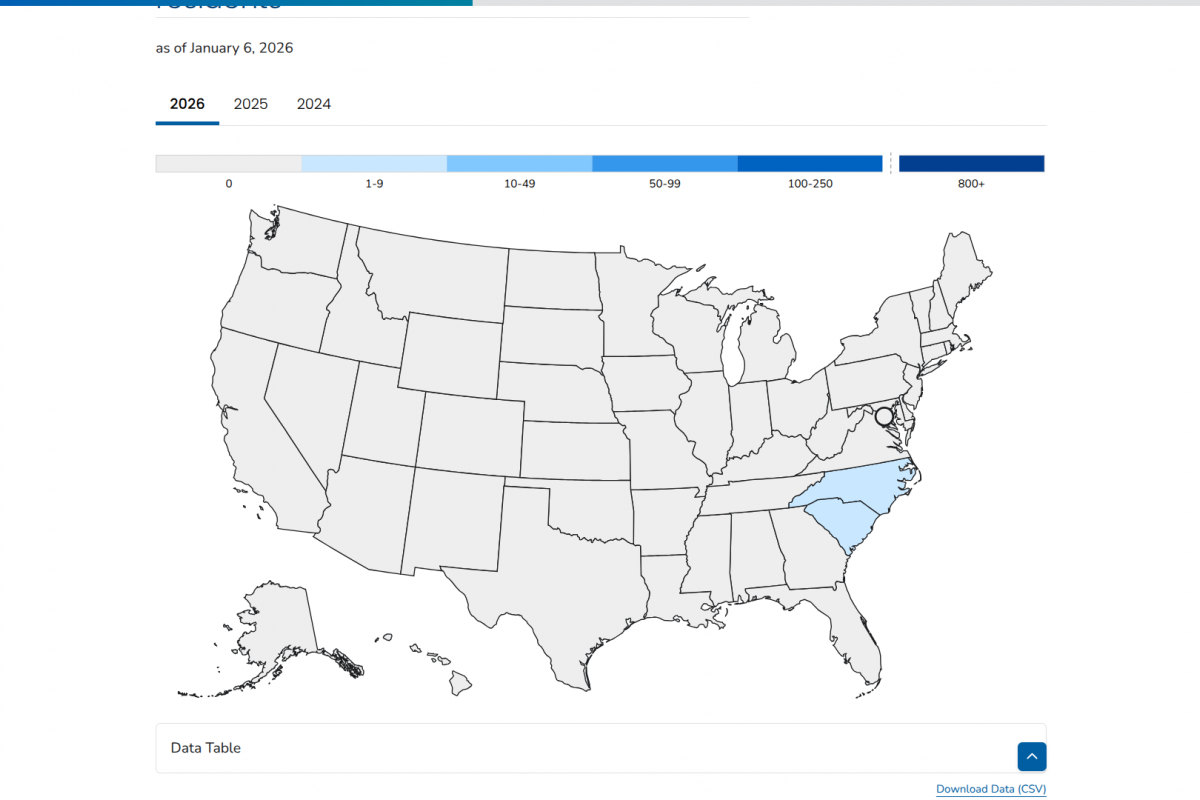
The New Mexico Department of Health (NMDOH) today reported a case of plague from Bernalillo County, the second case of the year.

The 77-year-old man was hospitalized in Albuquerque and has since been discharged.

NMDOH stated in a media release on September 24, 2025, that there have been no deaths from plague in 2025.

Since 2000, an average of two human plague cases have been reported per year in New Mexico.

According to the U.S. CDC, an average of seven human plague cases are reported each year in the United States.

Plague is a bacterial disease primarily affecting rodents and is typically transmitted to humans through the bites of infected fleas, but can also be transmitted by direct contact with infected animals, including rodents, wildlife, and pets.

"The bacterium that causes plague can be found in wild rodents and their fleas throughout New Mexico," commented Dr. Erin Phipps, state public health veterinarian for the NMDOH.

"Keeping pets on the flea control product recommended by your veterinarian helps protect them and your family."

Symptoms of plague in humans include sudden onset of fever, chills, headache, and weakness. In most cases, there is a painful swelling of the lymph node in the groin, armpit, or neck.

Symptoms of plague in cats and dogs include fever, lethargy, and loss of appetite. There may be a swelling in the lymph node under the jaw.

See your doctor about any unexplained illness you may have involving sudden and severe fever.

With prompt diagnosis and appropriate antibiotic treatment, the fatality rate in people and pets can be significantly reduced. Physicians who suspect plague should promptly report to the NMDOH.

Plague vaccines have been used since the late 19th century; however, their availability remains limited in 2025.

Sep 24, 2025 • 2:22 pm CDT
Maps 2025

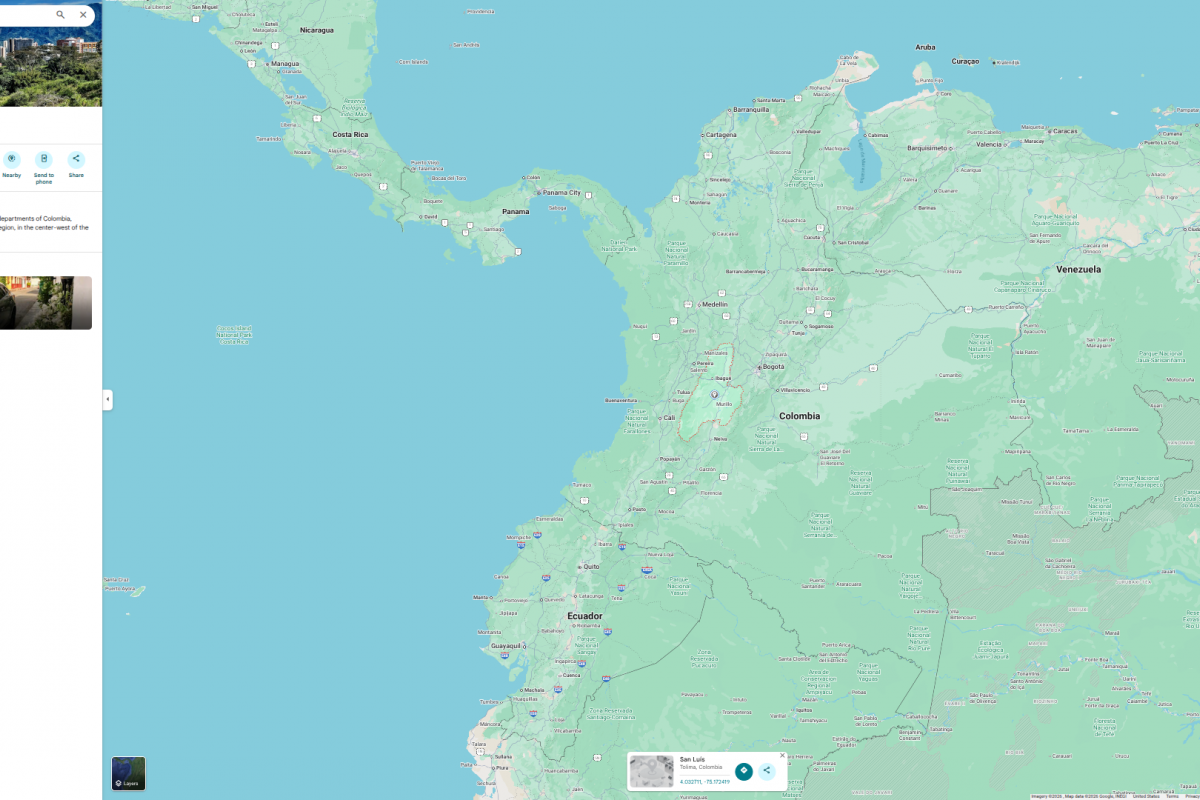
On September 23, 2025, a Facebook post reported a total of 134 confirmed yellow fever cases (resulting in 58 deaths) in the Republic of Colombia for 2025.

The majority of cases have been reported in the Tolima Department, with 114 cases and 43 deaths.

This department is located west of Bogota, Colombia's capital city.

Other yellow fever cases have been reported in Huila, Cauca, Nariño, Putumayo, Caldas, Meta, Vaupés, and Guaviare y Caquetá.

Published in early September, the U.S. CDC's Level 2 Travel Health Notice stated some of these cases have been reported in new areas that border areas where vaccination has historically been recommended (see map). Travelers to these newly affected areas are now recommended to get vaccinated.

A booster dose may be given to sure travelers or those who received their last dose of yellow fever vaccine at least 10 years previously and will be in a higher-risk setting, such as areas in Colombia where cases have been reported.

In the United States, yellow fever vaccines are commercially offered at travel clinics and pharmacies.

Sep 23, 2025 • 12:42 pm CDT
Google Maps 2025

Madison County Public Health (MCPH) recently announced its first recorded human case of eastern equine encephalitis (EEE) in Madison County, New York.

On September 22, 2025, MCPH stated in a press release that it had been notified of a confirmed case in a Madison County resident by the Wadsworth Center and is currently investigating. The individual is currently hospitalized for EEE infection.

This disease is often fatal (30%), and many patients who survive EEE experience neurologic impairment.

"Temperatures are getting cooler, and although we are seeing a significant decrease in mosquitoes, they remain not only a nuisance, but a potential health threat. Residents should continue to take steps to prevent mosquito bites to reduce the risk of mosquito-borne disease infection," MCPH Director Eric Faisst stated.

In July 2025, the New York State Department of Health notified MCPH of a mosquito pool that tested positive for EEE. From 1971 through 2024, 12 individuals in New York were diagnosed with EEEV; seven of them died.

About one year ago, a Ulster County resident died following an EEE infection.

This is concerning news since Madison County is located adjacent to Syracuse, New York, which has a population of over 600,000.

EEE is a rare but severe viral disease spread by infected mosquitoes that can affect people and horses. People of all ages are susceptible to infection. While most people bitten by an infected mosquito will not develop symptoms, severe cases may begin with the sudden onset of headache, high fever, chills, and vomiting.

There is no commercially available human vaccine or treatment for EEE. The best protection is to prevent mosquito bites, says MCPH.

Sep 22, 2025 • 1:11 pm CDT
US CDC August 2025

The World Health Organization (WHO) recently published its 58th situation report on the multi-country outbreak of mpox, detailing the global epidemiological situation and providing an update on the continuing emergency in Africa, where over 90% of cases have been confirmed. Both clades of the monkeypox virus (MPXV) continue to circulate.

As of September 19, 2025, the WHO reported 59 countries across all WHO regions reported a total of 3,780 confirmed cases, including 15 deaths (case fatality ratio 0.4%) in August.

The Eastern Mediterranean and European regions reported an increase in cases in August compared to July 2025.

Nineteen countries in Africa have reported active mpox transmission in the past six weeks.

Clade IIb MPXV continues to be mostly reported in West Africa, Central African countries report both clade Ia and clade Ib MPXV, and East African countries report clade Ib MPXV.

Even though the WHO has downgraded the global Mpox situation, it continues to provide guidance and technical support to countries on targeted vaccination strategies. WHO is supporting countries on planning for the use of dose-sparing options (single dose or intradermal fractional dosing) of MVA-BN vaccine.

More than 1.1 million MVA-BN vaccine doses have been administered.

Mpox vaccination activities have started in 11 countries with the MVA-BN vaccine (Angola, Côte d'Ivoire, the Central African Republic, Democratic Republic of the Congo, Kenya, Liberia, Nigeria, Rwanda, Sierra Leone, South Africa, and Uganda). Most countries are implementing a single-dose strategy targeting population groups at high risk of exposure to the human-to-human transmitted virus.

The U.S. CDC recently stated that clade II mpox has become endemic in Liberia and Sierra Leone.

To ensure the United States has an ample supply of vaccines, Emergent BioSolutions Inc. recently announced a $56 million contract to supply ACAM2000® (Smallpox and Mpox (Vaccinia) Vaccine, Live) to the U.S. government.

Deliveries are expected to begin in September.

In the United States, the MVA-BN (JYNNEOS) vaccine remains available at health clinics as of September 22, 2025.

Sep 22, 2025 • 11:41 am CDT
Google Maps 2025

An unprecedented situation arose during the summer of 2025, with the first locally acquired cases of Chikungunya virus disease detected as early as June, notably affecting the Grand Est region for the very first time.

Since the beginning of 2025, France has reported 480 cases of Chikungunya virus infection.

In mid-September 2025, the French Health Ministry reported 97 new locally acquired cases of Chikungunya in thirty-eight active clusters. The largest cluster is located in Antibes and consists of 87 cases. 

This area of France's Mediterranean coast is a popular vacation destination, located between Cannes and Nice.

The European Centre for Disease Prevention and Control (ECDC) stated on September 12, 2025, that Chikungunya is not endemic in mainland Europe, with the majority of cases being travel-related.

However, when environmental conditions are favourable, in areas where the Aedes aegypti mosquito is established, viraemic travel-related cases may lead to local transmission of the virus, as demonstrated by the sporadic events of chikungunya virus transmission since 2007. 

For more information on locally acquired Chikungunya cases in Europe, refer to the ECDC's seasonal surveillance report.

In addition to avoiding mosquito bites, the French and U.S. governments have approved vaccines for use in areas with Chikungunya outbreaks.

As of September 22, 2025, the U.S. CDC advises international travelers to speak with a travel vaccine expert regarding immunization options before traveling abroad.

Sep 22, 2025 • 4:51 am CDT
Google Maps Sept 2025

The European Centre for Disease Prevention and Control (ECDC) recently reported that health authorities in Bangkok, Thailand, issued an alert regarding human rabies cases following the detection of sick animals in some regions of the city.

From 2024 to the first quarter of 2025, a total of eight human deaths from rabies were reported in the Kingdom of Thailand.

The ECDC wrote on September 19, 2025, the alert included recommendations included if a person has been bitten or scratched by a dog, cat, bat or other mammal in an area where rabies virus is circulating, they are advised to seek medical help immediately, as the timely prophylaxis in the event of exposure to a potentially infected animal is of utmost importance and knowledge of the epidemiological situation is vital to decide on appropriate post-exposure measures.

Treatment consists of local wound care, vaccination, and passive immunisation with immunoglobulin, if indicated.

To be effective, treatment has to be administered as soon as possible after exposure.

On September 22, 2025, the Public Health Veterinary Office, in collaboration with the Prawet District Office, the Wat Pak Bo Public Health Service Center 22, and public health volunteers, conducted a rabies vaccination campaign.

The ECDC wrote that the probability of infection for travellers in Thailand's endemic areas is very low if basic preventive measures are followed, such as avoiding contact with wild and domestic animals, including pets.

In 2024, Bangkok welcomed approximately 30 million international visitors.

Those planning outdoor activities in high-risk zones or remote areas should receive an individual risk assessment and be offered pre-exposure rabies vaccination, if appropriate.

The U.S. CDC writes that rabies vaccines are typically available throughout most of Thailand.

However, please consult with a travel vaccine provider to determine whether you should receive pre-exposure vaccination before travel.

In the United States, most rabies cases are associated with bat bites, rather than those caused by dogs or cats.

Sep 20, 2025 • 5:59 am CDT
US CDC 2025

The China CDC recently published its Notifiable Infectious Diseases Report, which highlights various disease cases and related fatalities.

As of September 19, 2025 (10.46234/ccdcw2025.203), several vaccine-preventable diseases that international travelers should be aware of before departing for China were disclosed.

According to the UK TravelHealthPro, when planning a trip to China in 2025, travelers should be up to date with routine vaccination courses and boosters as recommended in the UK.

These vaccinations include, for example, the measles-mumps-rubella vaccine and the diphtheria-tetanus-polio vaccine.

Those who may be at increased risk of an infectious disease due to their work, lifestyle choices, or specific underlying health problems should be up to date with additional recommended vaccines.

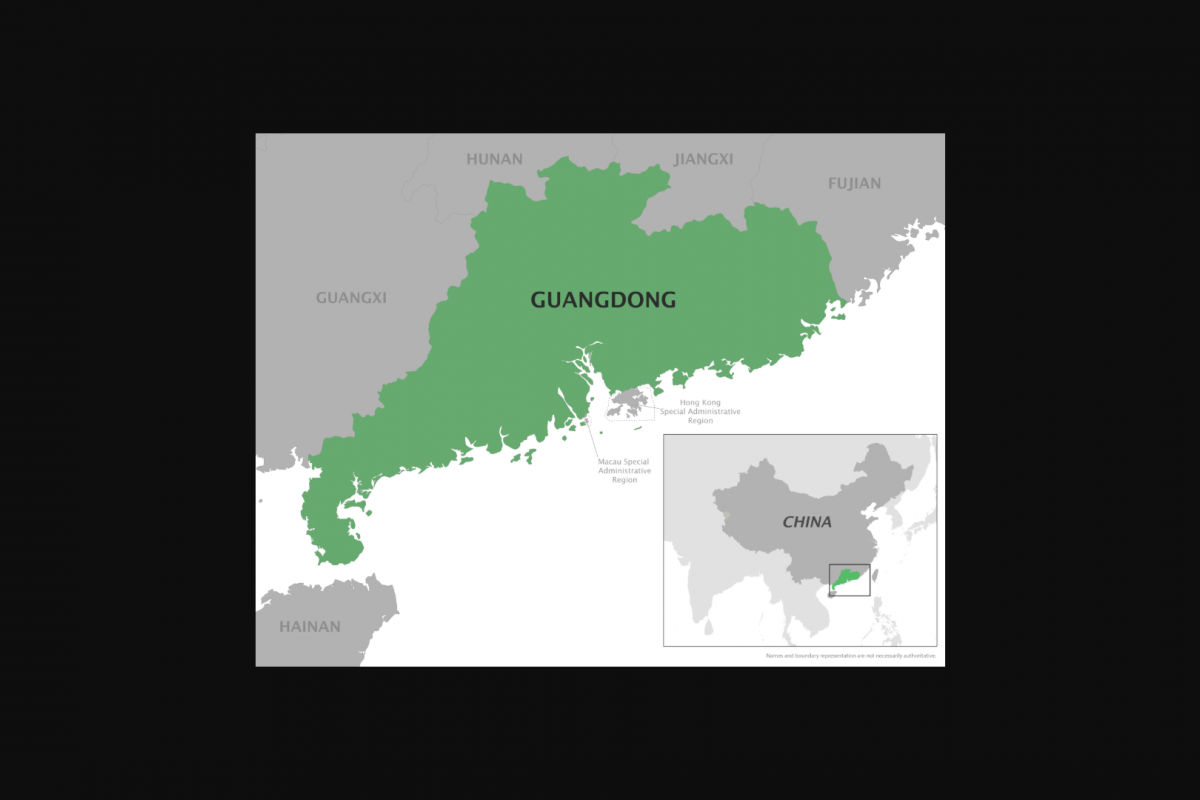
Seperately, the U.S. Centers for Disease Control and Prevention (CDC) recently published a Level 2 - Practice Enhanced Precautions, Travel Health Notice focused on a Chikungunya fever (CF) outbreak in southeastern China.

Chikungunya is a viral infection spread by mosquitoes. It causes a flu-like illness and can lead to severe joint and muscle pains, which may persist for months or even years. But it is rarely fatal.

China's CDC reported its first imported case of CF in 2008. Between 2010 and 2019, local outbreaks resulting from imported instances were documented in Guangdong, Zhejiang, and Yunnan provinces.

During the summer of 2025, Foshan City, Guangdong Province, reported a cluster of CF cases.

In addition to avoiding mosquito bites, the CDC recommends vaccination as a preventive measure for Chikungunya for some travelers to countries in Asia and the Pacific Ocean. 

Vaccination may be considered for individuals aged 12 years and over who are traveling to regions with a current Chikungunya outbreak.

For detailed vaccination advice, the CDC and the UK recommend that travelers schedule an appointment with their healthcare professional at least four to six weeks before departure for China.

However, even if time is short, an appointment is still worthwhile, say these health agencies. 

Sep 19, 2025 • 2:30 pm CDT
Google Maps 2025

The US Centers for Disease Control and Prevention (CDC) updated its Level 1, Practice Usual Precautions, Travel Health Advisory regarding the ongoing spread of the Oropouche virus in the Region of the Americas.

As of September 18, 2025, the CDC is reporting cases of Oropouche in Brazil, Cuba, Panama, and Peru.

For example, the Panama Ministry of Health reported that 10 human cases of locally acquired Oropouche virus disease had been detected in various districts of the Veraguas region, including Santiago, La Pena, Atalaya, and Rodrigo Luque.

Between January and the end of July 2025, about 501 cases, including one death, were reported in Panama by the Pan American Health Organization.

In the United States, states such as Florida reported 103 cases of Oropouche fever in 2024 in people who traveled to Cuba. The Florida counties reporting cases were led by Miami-Dade (61).

The CDC states that travelers to affected areas should take steps to prevent bug bites, infected midges, and mosquitoes.

This virus can also be transmitted from a pregnant woman to her fetus. Recent scientific reports have found evidence of Oropouche virus and viral RNA in patients' bodily fluids, including semen and vaginal fluids.

Currently, there are no Oropouche vaccines available for disease prevention in 2025.

Sep 19, 2025 • 12:16 pm CDT
WHO 2025

The International Health Regulations National Focal Point (IHR NFP) for Bangladesh recently notified the World Health Organization (WHO) of four confirmed fatal cases of Nipah virus (NiV) infection.

As of September 18, 2025, Bangladesh has documented 347 NiV cases through its Nipah surveillance system, which was established to detect and respond to outbreaks promptly, with a case fatality rate of 71.7%.

The WHO reported that between January and August 29, 2025, three geographical divisions in Bangladesh —namely, Barisal, Dhaka, and Rajshahi —reported these NiV patients.

Since the first recognized outbreak in Bangladesh in 2001, human NiV infections have been detected almost every year, says the WHO.

The Ministry of Health and Family Welfare in Bangladesh has implemented several public health measures with support from the WHO. The WHO assesses the overall public health risk posed by NiV at the national and regional levels to be moderate; the risk of international disease spread is considered low.

Human NiV infection is an epidemic-prone disease that can cause severe disease in humans and animals, with a high mortality rate, and outbreaks primarily occur in South and South-East Asia.

Recently, in India, NiV-related fatalities were reported.

As of August 6, 2025, Kerala State health officials have reported four cases to the WHO since mid-May, two of which have been fatal.

Since 2018, Kerala has experienced nine outbreaks of the Nipah virus, which is part of a pattern of recurring spillovers.

The WHO states there are currently no specific drugs or vaccines for NiV infection; intensive supportive care is recommended to treat severe respiratory and neurologic complications.

In 2023, the Coalition for Epidemic Preparedness Innovations invested $$100 million in four Nipah vaccine candidates.

Recently, the U.S. government announced a project to support the development of a Nipah monoclonal antibody, which is currently undergoing Phase 1 clinical trial testing in India and Bangladesh.

Sep 19, 2025 • 10:48 am CDT
US CDC 2025

The U.S. Centers for Disease Control and Prevention (CDC) today issued Health Alert Network Health Advisory CDCHAN-00524 focused on the 16th outbreak of Ebola virus disease (EVD) in the Democratic Republic of the Congo (DRC).

Currently, no suspected, probable, or confirmed EVD cases related to this EVD outbreak have been reported in the United States or outside of the Bulape and Mweka health zones within the Kasai Province, DRC.

The CDC stated on September 18, 2025, that the risk of spread to the United States is currently considered low.

As a precaution, this Health Advisory summarizes CDC recommendations for U.S. public health departments, clinical laboratories, and healthcare workers about potential EVD case identification, testing, and biosafety considerations in clinical laboratories.

An Ebola vaccine (ERVEBO®) is approved for preventing Zaire Ebola virus disease; it should only be given to patients who meet specific criteria.

Two approved treatments are currently available to treat Ebola virus infection: Inmazeb™ and Ebanga™.

To alert international travelers, on September 8, 2025, the CDC issued a Level 1, Travel Health Notice, for people traveling to the DRC.

The CDC recommends that all travelers to the affected health zones in DRC avoid contact with ill people during travel and monitor themselves for symptoms of EVD while in the outbreak area and for 21 days after leaving.

Travelers who develop symptoms during this time should self-isolate and contact their local health authorities or a healthcare provider.

At this time, the CDC is not recommending additional assessments or monitoring of travelers arriving from the DRC by jurisdictional health departments, unless specified in the existing guidance provided.

Sep 19, 2025 • 8:46 am CDT
Google Maps 2025

The Los Angeles County Department of Public Health (LACDPH) has identified human West Nile virus (WNV) cases in Los Angeles County for the 2025 season.

Four people were hospitalized with WNV illness beginning in late July 2025 through late August and are recovering.

LACDPH has identified WNV cases in the Antelope Valley, San Fernando Valley, and central Los Angeles areas.

Public Health reports human cases of WNV every year in LA County, averaging 56 cases per year over the last five years.

This announcement does not include cases in Long Beach and Pasadena.

WNV spreads through the bite of an infected mosquito. About three-quarters of reported cases have had severe disease, and approximately 10% of patients with severe WNV die from complications.

Although not all mosquitoes carry this virus, the type of mosquito that spreads this virus is found throughout Los Angeles County.

"Detecting West Nile virus in our district is a reminder that this virus has been present in California — and right here in our community — for over 20 years. It's part of our local environment and continues to reappear year after year. With the recent rains and more in the forecast, conditions are ideal for mosquitoes to breed," said Brenna Bates-Grubb, Community Outreach Specialist, Antelope Valley Mosquito and Vector Control District, in a press release on September 17, 2025.

"We urge everyone to take simple steps to protect themselves and their families: use EPA-approved mosquito repellent, keep swimming pools clean and maintained, drain any standing water around your home, and check for sources like buckets, plant saucers, or clogged gutters that can fill with rainwater. It only takes a small amount of water for mosquitoes to breed."

There is no specific treatment for West Nile virus disease, and no vaccine is available to prevent infection. Currently, WNV vaccine candidates are being evaluated for their effectiveness.

Additionally, LA County states that Dengue is a disease caused by a virus that is transmitted to people mainly through the bites of infected mosquitoes. LA has reported 36 locally transmitted Dengue cases in 2025, which is more than the 14 cases confirmed last year.

Similar to WNV, no Dengue vaccine is available in LA in 2025.

Although millions of travelers visit this area of California, as of September 19, 2025, the U.S. CDC has not issued a Travel Health Advisory specifically focused on LA County.