59 Hantavirus Pulmonary Syndrome Fatalities in the Americas
The Pan American Health Organization (PAHO) recently reported a concerning increase in cases of hantavirus pulmonary syndrome (HPS) in the Americas, with eight countries confirming a total of 229 confirmed cases and 59 fatalities, a regional case fatality rate of 25.7%.
During 2025, the affected countries include Argentina, Brazil, Bolivia, Chile, Panama, Paraguay, the United States, and Uruguay.
Compared to historical averages, Bolivia and Paraguay have seen sharp rises in incidence.
Paraguay's increase is linked to an outbreak involving occupational exposure.
Meanwhile, Argentina continues to report the highest number of cases in the region.
HPS was first recognized in 1993 and has since been identified throughout the United States.
As of late 2025, the U.S. CDC hasn't released comprehensive totals, but the Southwestern states remain a hotspot.
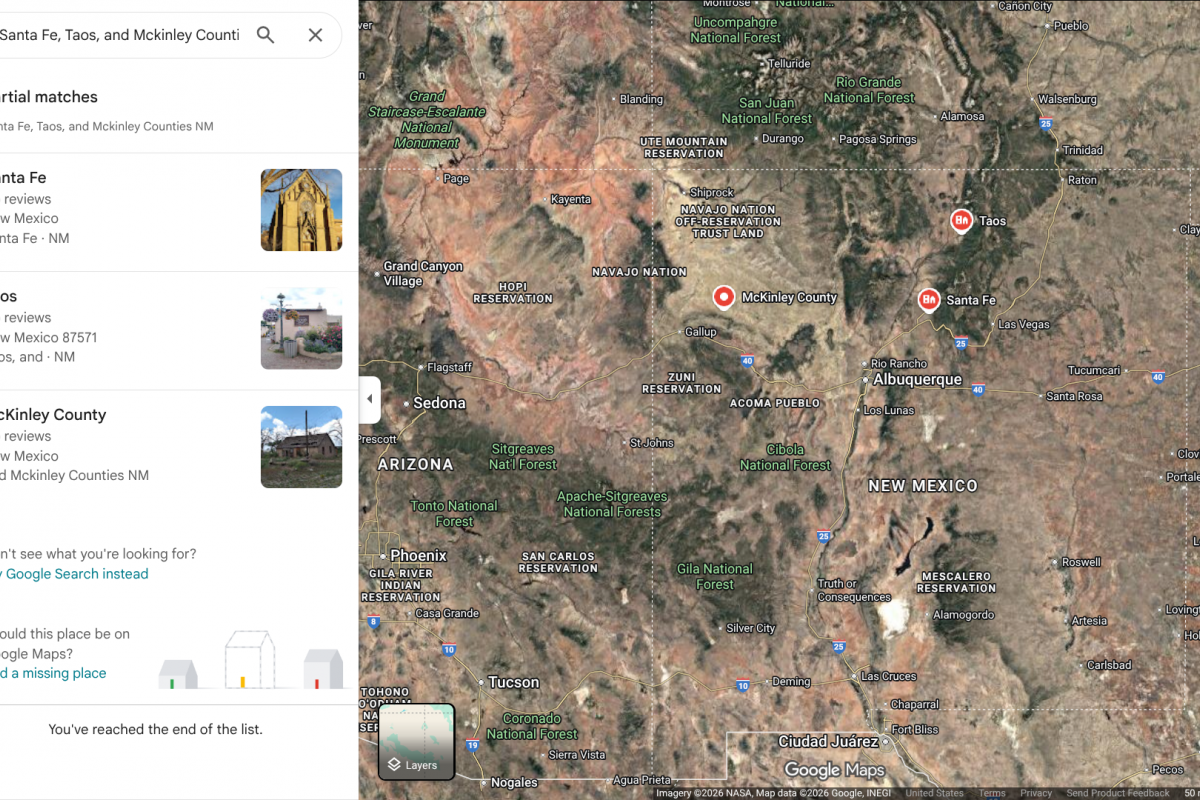
Reports show sporadic HPS cases, notably 7 in New Mexico (Santa Fe, Taos, McKinley, and Bernalillo counties) and a few in other states, including Arizona, Colorado, Nevada, Washington, and Wisconsin.
HPS is primarily a zoonotic respiratory disease transmitted through contact with infected rodents or their excreta. Furthermore, humans can contract the disease when they breathe in aerosolized virus. Rare person-to-person transmission has been documented in the Southern Cone, associated with the Andes virus strain, says the PAHO.
Rodent control in and around the home remains the primary strategy for preventing Hantavirus infection.
As of January 2, 2026, no vaccine is currently available.
Our Trust Standards: Medical Advisory Committee