Brazil's 1,801 Confirmed Zika Cases Led the Americas
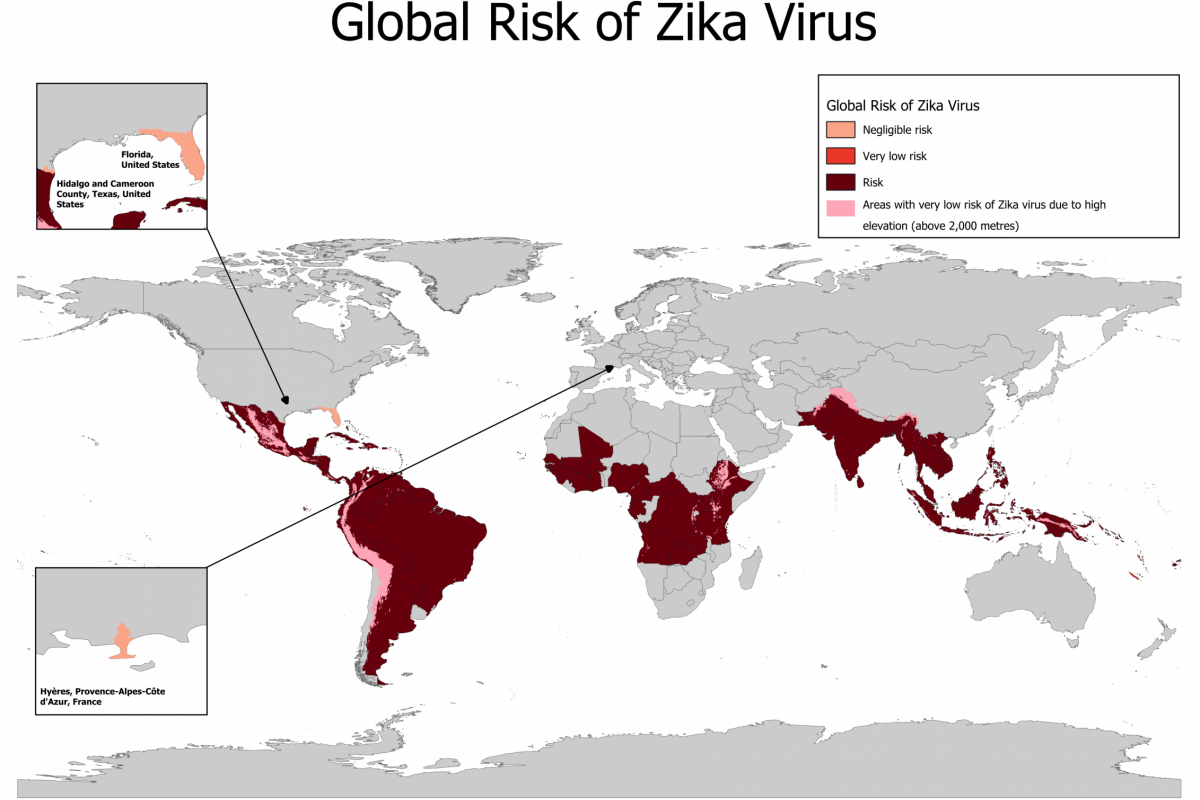
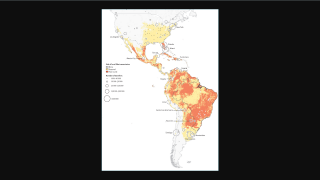
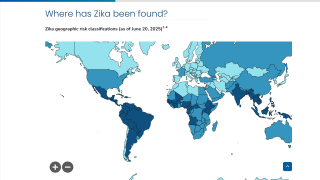
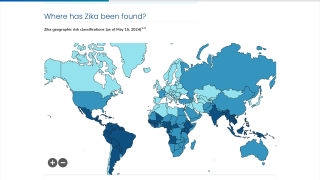
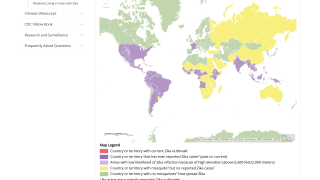
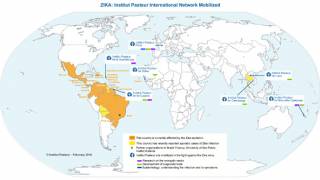
The Zika virus, once a major global health emergency, continues to circulate in the Americas, with the Pan American Health Organization (PAHO) confirming local transmission in 52 countries and territories since 2015.
While case numbers have fluctuated in recent years, the Federative Republic of Brazil remains the epicenter, historically reporting the highest number of confirmed cases in the Americas region.
Recent data highlight Brazil's ongoing battle with the mosquito-borne illness.
Brazil recorded 1,801 confirmed Zika cases, maintaining its lead in the Americas.
As of January 2, 2025, PAHO data indicate that Brazil has significantly reduced its number of confirmed Zika cases, with 2,067 cases reported in 2024 and 3,997 in 2023.
Many Zika outbreaks are concentrated in major Brazilian cities, including Rio de Janeiro, a metropolis of millions and a top destination for international travelers. As the city gears up for Carnaval 2026, scheduled from February 13 to 21, concerns about mosquito-borne diseases linger.
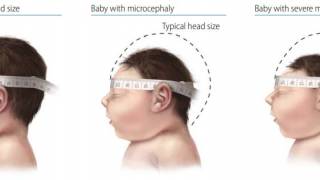
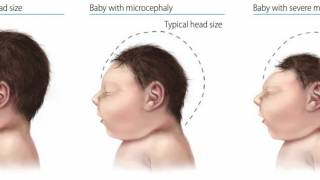
PAHO emphasizes that most Zika infections are mild or asymptomatic, but the virus poses serious risks to pregnant women, potentially causing congenital Zika syndrome in newborns. Travelers, especially those planning pregnancies, are advised to take precautions.
With no locally acquired Zika cases in the continental U.S. since 2019, the U.S. Centers for Disease Control and Prevention (CDC) Yellow Book states that international travelers with suspected Zika infection should be tested with real-time polymerase chain reaction or an NS1 antigen test.
This CDC advice is being followed in Hawai'i.
The Hawaiʻi Department of Health announced on May 27, 2025, that it is investigating two travel-related Zika cases.
And in U.S. territories, the CDC says Zika-spreading mosquitoes are found throughout Puerto Rico, where the Department of Health reported 16 cases in 2024, down from 43 in 2023.
From a disease prevention perspective, the CDC says no Zika vaccine candidate has been approved.
However, clinical trials are active in 2026.
Our Trust Standards: Medical Advisory Committee