Coronavirus Breaking News

The coronavirus disease COVID-19 is currently reaching pandemic levels in various countries.

Jan 3, 2025 • 6:57 am CST
US CDC - India - Chikungunya Outbreaks 2025

India has recently increased in popularity as a destination for United States travelers. Last year, the U.S. National Travel and Tourism Office tanked India as the second most popular international travelers destination.

While tourism has increased, so has the number of Chikungunya virus outbreaks in India.

On December 19, 2024, the U.S. CDC reported an outbreak of Chikungunya in India's Maharashtra and Telangana states.

According to India's National Center for Vector-Borne Diseases Control, 192,343 CHIKV cases were reported in 2024. Those infected with this mosquito-transmitted disease develop some symptoms and many report long-term symptoms.

Pune's National Institute of Virology has indicated that Chikungunya virus variants are causing more cases and lingering symptoms in 2024.

A study published on October 19, 2024, determined that the incidence of post-chikungunya chronic rheumatism and fatigue and the impact on quality of life and chronic fatigue in adults seven years after infections were significant.

These experts have identified Chikungunya's "Indian Ocean lineage," first identified in 2006, as the primary cause of the recent surge in cases and lingering symptoms. This novel lineage has also spread globally.

"India's ongoing Chikungunya outbreak is a good reminder for international travelers about this often forgotten mosquito illness and the importance of vaccination. Infection can lead to long-term health issues such as chronic joint pain, and people 65 years and older are especially at risk for complications," Jeri Beales, MSN, RN, informed Vax-Before-Travel.

"The approved vaccine is given as a single dose, and studies show it is highly effective for at least several years after receiving. The U.S. CDC does not recommend every traveler to India get the vaccine. It is only approved for people 18 years and older in the U.S., so be sure to talk to your local travel clinic or physician," added Beales, who leads Destination Health Clinic, a Boston, Massachusets area travel health provider specializing in health education and vaccination for international travelers.

Since 2013, the Asian genotype has led to Chikungyna outbreaks in the Region of the Americas, which will continue in 2026. 

Last year, the Pan American Health Organization reported over 421,018 Chikungunya cases and 211 related deaths in the Americas.

The CDC's Level 2—Practice Enhanced Precautions Travel Health Advisory recommends the FDA-approved Chikungunya vaccine for certain visitors and long-term residents in India and other areas reporting outbreaks.

As of January 2025, Valneva SE's IXCHIQ® (VLA1553) vaccine is offered at many travel clinics and pharmacies in the U.S.

Jan 2, 2025 • 6:09 am CST
US TSA 2025

According to local media reports, India is establishing 13 new quarantine centers at major international airports to isolate travelers with infectious disease symptoms that could potentially trigger an outbreak.

On January 1, 2024, SeaandJob reported, "The program focuses on strengthening health system capacities at all levels—primary, secondary, and tertiary—and enhancing preparedness for effectively managing current and future pandemics or health emergencies."

In the United States, international airports have become essential screening centers for disease risks.

For example, in October 2024, the U.S. Government initiated health screening for air travelers arriving from the Republic of Rwanda during its recent Marbug disease outbreak.

In 2025, the U.S. CDC will continue publishing Travel Health Advisories Assessments, including guidance for cruise ships. This will enable international travelers to confirm travel vaccine recommendations by country.

Additionally. the Transportation Security Administration is prepared to screen holiday travelers during the end-of-year travel period. The TSA adjusts processes and procedures to meet the evolving threat and achieve the highest transportation security levels. Because of this, you may notice changes in our procedures occasionally.

Dec 31, 2024 • 11:39 am CST
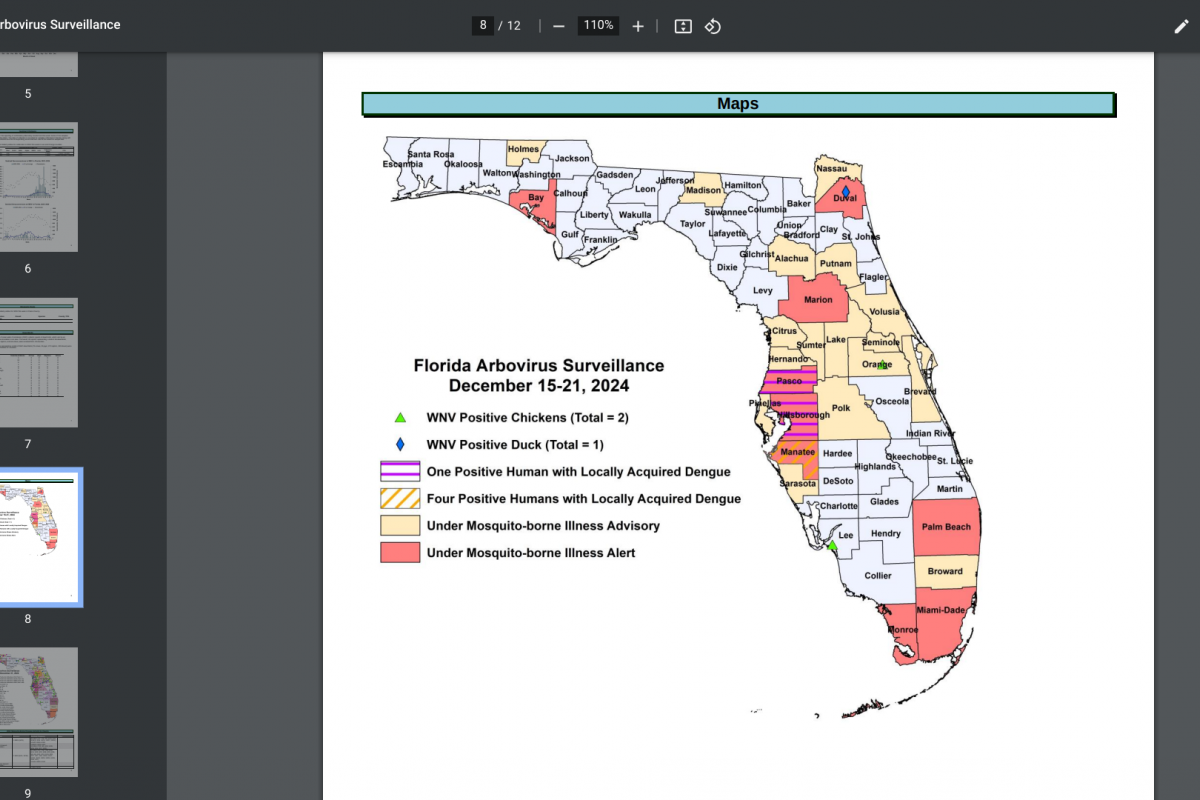
Florida Arbovirus Reports Dec. 2024

In the Region of the Americas, 2024 has been marked as the worst year ever for dengue virus infections, 12.8 million, and related fatalities, 7,855.

From a country perspective, the United States has experienced a significant impact, with dengue cases increasing by approximately 43%. According to the U.S. CDC, 8,863 dengue cases were reported as of mid-December 2024, compared to 6,164 cases in 2023.

Within the U.S., the Florida Department of Health recently reported some unsettling news.

As of late December 2024, 911 travel-associated dengue cases had been reported, mainly by visitors to Brazil (61), Cuba (506), and Puerto Rico (41). Additionally, 85 locally acquired dengue cases were reported from ten counties, led by Miami-Dade (47).

In 2023, 609 travel-associated dengue cases were reported, and 186 humans contracted dengue while in Florida.

With international travel expected to increase in 2025, this CDC data suggests that more international visitors may unintentionally introduce one of the four dengue viruses in Florida next year.

Furthermore, since mosquitoes transmit dengue, locally acquired infections will likely increase next year.

From a disease prevention perspective, there is hope that access to dengue vaccines may improve in 2025 as approved vaccines increase production and vaccine candidates seek approvals.

Dec 31, 2024 • 5:17 am CST
Costa Rica Ministry of Health Dec. 2024

The Costa Rican Ministry of Health published a notice in December 2024 regarding changes to yellow fever certificate requirements for travelers, effective January 11, 2025.

The countries that are now considered at risk and for which yellow fever vaccination against yellow fever is required are the following: Bolivia, Brazil, Colombia, Ecuador, Guyana, French Guiana, Paraguay, Peru, Suriname, Venezuela, and Trinidad and Tobago. Additionally, countries in Africa have been added to Costa Rica's list.

When visiting Costa Rica, a yellow fever vaccination (YF-VAX or Stamaril) certificate may be required at the airport. Foreigners who arrive in Costa Rica and do not present the International Certificate of Vaccination against Yellow Fever to the immigration authority will not be allowed to enter the territory.

As of December 31, 2024, the YF vaccine is not part of the mandatory vaccination schedule, so it must be purchased at private pharmacies.

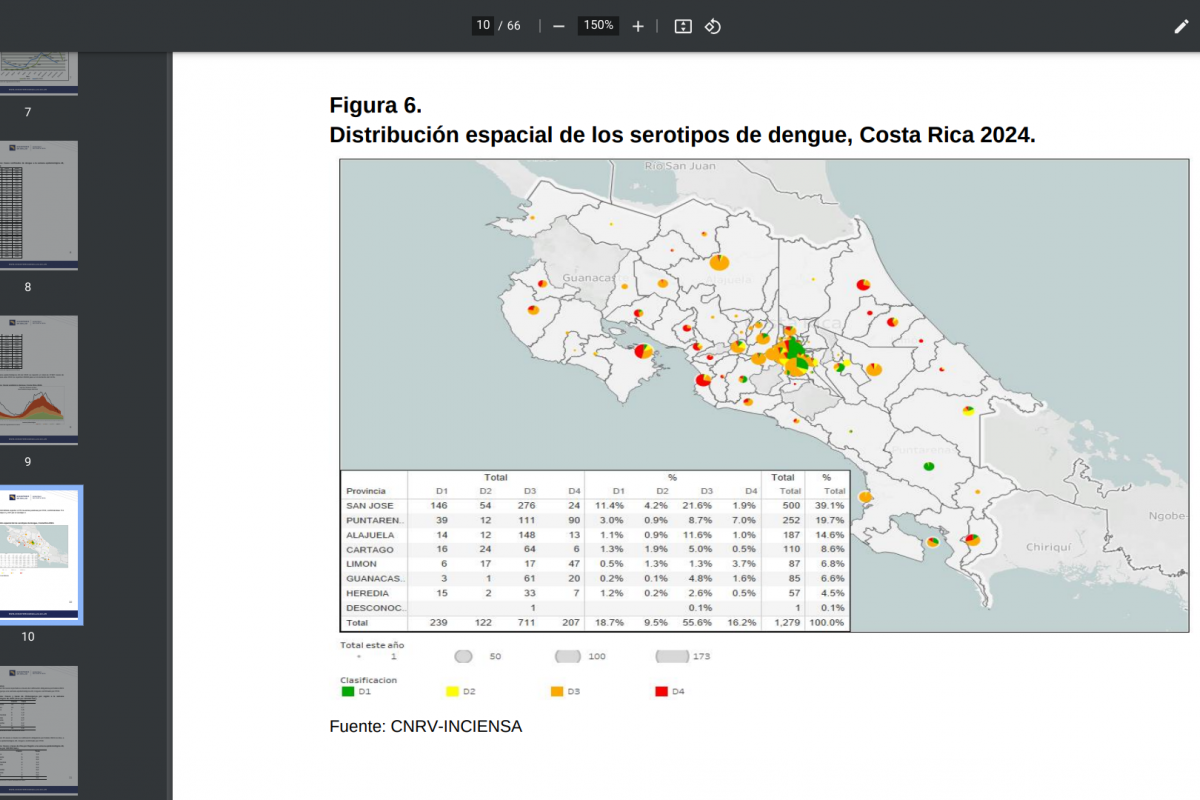
In addition to YF, Costa Rica has reported Chikungunya (45), Dengue, and Zika (25) cases in 2024.

Most of this year's Dengue cases (30,000) have been detected near San Jose in the mountains, not at Costa Rica's beaches.

Previously, in early December 2024, the U.S. State Department issued a Level 2: Exercise Increased Caution, Travel Advisory, for the Republic of Costa Rica. This U.S. advisory says visitors to Costa Rica should exercise increased caution due to various civil unrest targeting tourists.

Last year, about 2.4 million people visited Costa Rica, many traveling from the United States.

Dec 31, 2024 • 4:51 am CST
WHO Malaria Report 2024

As 2024 draws to a close, the World Health Organization (WHO) published an in-depth update on malaria burden and trends at global, regional, and country levels. As of December 19, 2024, the WHO reported malaria outbreaks remain a formidable public health challenge.

In 2023 alone, there were an estimated 597,000 malaria-related fatalities and 263 million new cases, an increase of 11 million cases over 2022.

The WHO wrote, 'Given current trends, progress towards critical targets of the WHO global malaria strategy is off track.'

As the WHO Director-General stated: "No one should die of malaria.... An expanded package of lifesaving tools now offers better protection against the disease, but stepped-up investments and action in high-burden African countries are needed to curb the threat."

The WHO African Region continues to be most impacted, accounting for an estimated 94% of global cases, led by Nigeria and the Democratic Republic of the Congo.

When visiting these countries, the WHO recommends international travelers speak with a travel vaccine expert one month before departure. In November 2024, the WHO published a revised version of the consolidated Guidelines for malaria with an updated vaccine recommendation.

While malaria vaccines are available in Africa, they are unavailable in the USA in 2024.

In the U.S., most malaria cases are travel-related.

The U.S. Centers for Disease Control and Prevention reported that as of the week ending November 23, 2024 (#47), 1,772 malaria cases had been confirmed in 2024, mostly among international travelers arriving in New York City (232), Texas, Miami, Florida, and Los Angeles, California. In 2023, there were 2,013 travel-related malaria cases in the U.S. 

Dec 31, 2024 • 4:05 am CST
from Pixabay 2024

A recent study published by the JAMA Network measured antibody response to Respiratory syncytial virus (RSV) vaccinations in immunocompromised individuals.

This Research Letter, published on December 30, 2024, disclosed a heterogeneous antibody response to RSV vaccines among immunocompromised persons.

In contrast to universal seroconversion and preF IgG fold rises greater than 10 in immunocompetent persons, approximately 40% of immunocompromised participants did not seroconvert or achieve a conservative neutralization threshold postvaccination.

Better neutralization was seen among RSVA-AS01E (AREXVY™) recipients, suggesting possible augmentation by the vaccine adjuvant.

These researchers wrote, 'Low antibody titers may indicate a role for additional vaccine doses to enhance immune response among immunocompromised persons.

As of December 31, 2024, various RSV vaccines are offered at local pharmacies, and monoclonal antibody passive immunization is approved.


Dec 30, 2024 • 12:46 pm CST
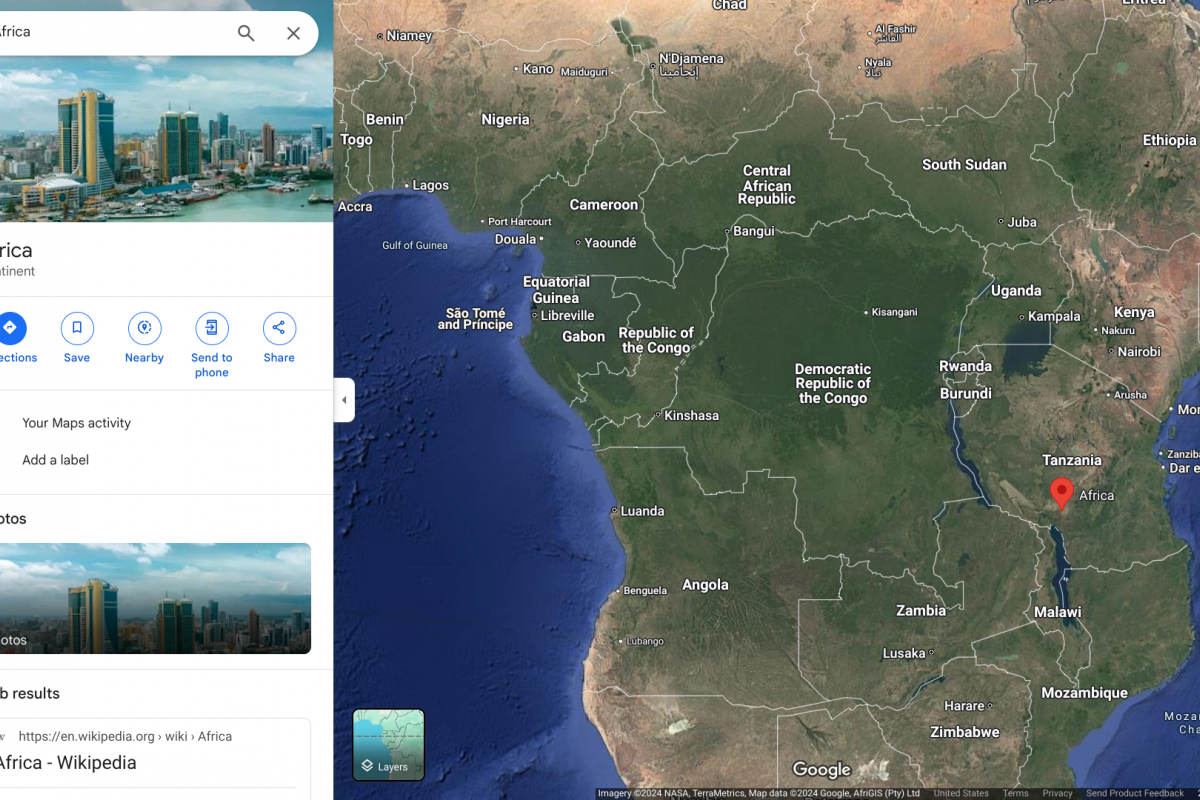
Google Maps - CDC THN Mpox Outbreak map Dec. 30, 2024

The U.S. Centers for Disease Control and Prevention (CDC) today announced active person-to-person transmission of mpox clade 1 in Burundi, Central African Republic, Democratic Republic of the Congo, Kenya, the Republic of the Congo, Rwanda, and Uganda.

As of December 30, 2024, the CDC's Level 2 Travel Health Advisory says person-to-person transmission has occurred through various means during this mpox outbreak. Historically, clade I have been associated with a higher percentage of people with mpox developing severe illness or dying, compared to clade II. 

The mpox clade II outbreak began in the United States in late May 2022.

As of November 2024, there have been 2,455 confirmed clade II mpox cases this year, which has exceeded the 1,407 confirmed cases in 2023.

Furthermore, the CDC says mpox vaccination is recommended for certain people traveling to countries with ongoing person-to-person transmission of clade I mpox.

In the U.S., the JYNNEOS® (MVA-BN, IMVANEX®, IMVAMUNE®) Smallpox and Mpox Vaccine has been approved by the U.S. FDA since September 2019. Other mpox vaccines and vaccine candidates are actively seeking regulatory approvals in 2025.

Dec 30, 2024 • 5:52 am CST
PAHO Dec. 30, 2024

While the Region of the Americas experienced the most significant Dengue virus outbreak in 2024, with over 12.8 million cases and 7,855 related fatalities, effective vaccines have become available in many countries.

However, safety concerns about dengue vaccines focus on the potential for enhanced disease after vaccine-induced seroconversion and subsequent infection.

On December 28, 2024, in a Brief Report, clinical researchers present a fatal case of severe dengue in an unvaccinated traveler without known prior dengue virus infection but longitudinal serologic and molecular evidence for secondary infection.

In the context of this Dengue case and vaccination guidance for travelers, they discuss pre-vaccination screening and potential implications for travelers to regions with ongoing outbreaks and emphasize the importance of serostatus-independent vaccines.

As of December 30, 2024, Dengvaxia® and Qdenga® vaccines are not offered in the U.S.

Dec 28, 2024 • 2:08 pm CST
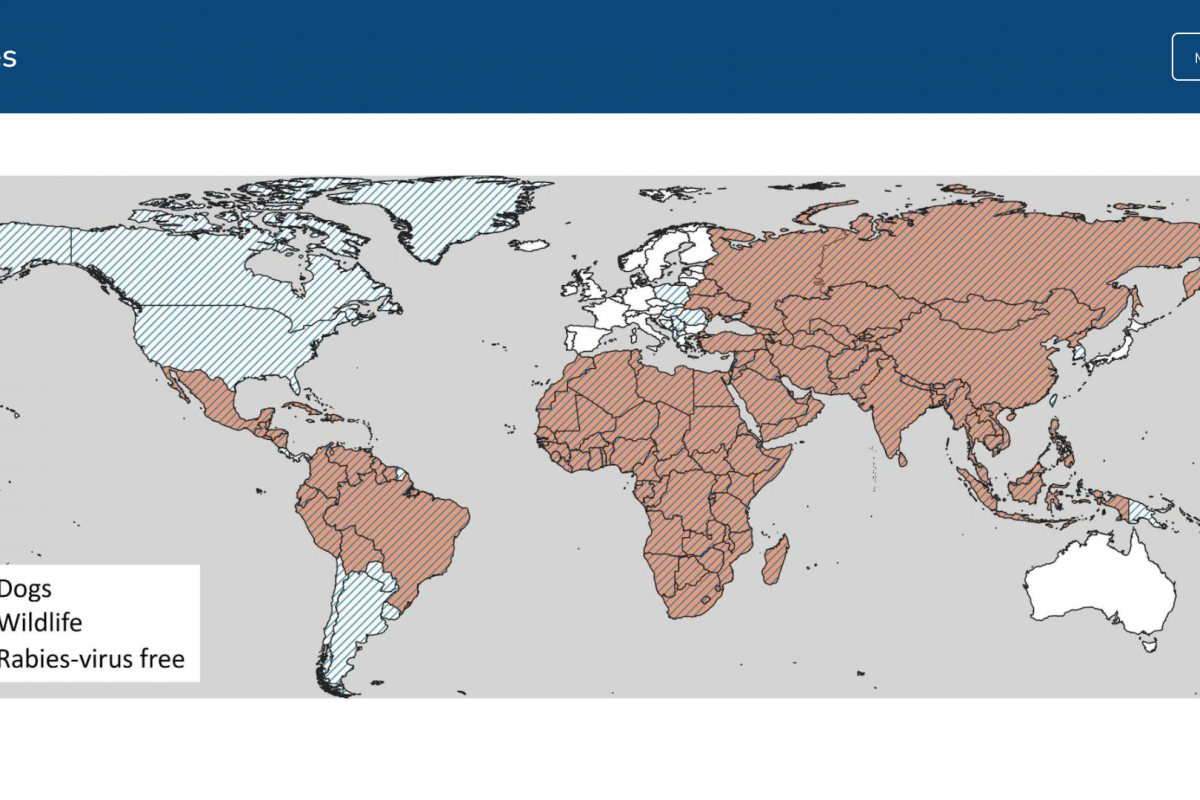
US CDC type of rabies death worldwide

The Kentucky Department for Public Health (KDPH) recently reported a resident of northern Kentucky has died after being infected with the rabies virus.

As of December 28, 2024, KDPH stated transmission of the rabies virus from person to person is rare. In 1999, skunks accounted for 21 of Kentucky's 35 confirmed rabies cases. 

State Public Health Veterinarian Kelly Giesbrecht, DVM, MPH, is the primary consultant in Kentucky for Rabies and other zoonotic diseases.

Rabies is an infectious viral disease that affects the nervous system and kills about 70,000 people worldwide each year.

. People get Rabies from the bite of an infected or rabid animal. Wild mammals like raccoons, skunks, foxes, coyotes, or bats can have and transmit Rabies.

According to the U.S. CDC, bats, not dogs, are the leading source of rabies infection in the United States.

In late November 2024, the Fresno County Department of Public Health announced a rabies death involving a county resident who was suspected to have been bitten by a bat in Merced County, located east of San Jose.

Furthermore, Rabies is a vaccine-preventable disease, with various U.S. FDA-approved vaccines available in 2024.

Dec 28, 2024 • 9:39 am CST
Walgreens Flu Index

The Walgreens Flu Index recently identified the top 10 areas in the United States with influenza activity.

As of December 21, 2024, these unfortunate leaders are located in the southern section of the central U.S.:

  1. Birmingham (Anniston and Tuscaloosa), Ala.,
  2. Beaumont-Port Arthur, Texas,
  3. Harlingen-Weslaco-Brownsville-McAllen, Texas,
  4. Monroe, La.-El Dorado, Ark.,
  5. Huntsville-Decatur (Florence), Ala.,
  6. Knoxville, Tenn.,
  7. New Orleans, La.,
  8. Jackson, Miss.,
  9. Nashville, Tenn.
  10. Shreveport, La.

Walgreens's Flu Index is compiled using retail prescription data for antiviral medications used to treat influenza across Walgreens locations nationwide. The Flu Index illustrates which populations are experiencing the highest incidence of flu.

Seperately, the U.S. CDC published Key Updates for Week 51, ending December 21, 2024. 

Nationally, the percentage of influenza positivity, the percentage of emergency department visits for flu, the rate of outpatient visits for respiratory illness, and influenza-associated hospitalizations increased this week compared to last week.

And 5 pediatric deaths associated with seasonal influenza virus infection were reported this week, bringing the 2024-2025 flu season total to nine pediatric deaths. Last flu season, 206 pediatric deaths were related to influenza.

This flu season, there is an ample supply of influenza vaccines at local pharmacies; over 92 million flu shots have been distributed in the U.S., targeting the 2024-2025 flu season.

Dec 28, 2024 • 9:21 am CST
CDPH Nov. 2024

According to data from the California Department of Public Health, the number of Valley fever cases will set new records in 2024.

As of the end of November, 11,076 valley fever cases had been confirmed statewide, a 20% increase compared to 2023.

Kern County is California's hot spot for the disease again, accounting for 3,768 reported cases.

Home to the city of Bakersfield, Kern County spans the southern end of the Central Valley and is home to less than 1 million people.

Other impacted counties include Los Angeles, Riverside, Fresno, Kings, Merced, San Francisco, San Joaquin, San Luis Obispo, Santa Barbara, and Stanislaus.

Historically, Valley fever has also spread in the states of Arizona, Nevada, and New Mexico.

According to the U.S. CDC, Valley fever, also known as coccidioidomycosis, is a lung infection caused by a fungus found in soil. Usually, people who get sick with Valley fever get better independently, but some people will need antifungal medication.

As of December 28, 2024, scientists continue working on a preventive vaccine, but the CDC has not recommended a Valley fever vaccine.

Dec 28, 2024 • 5:17 am CST
Google Maps Dec. 28, 2024

The Victorian Department of Health recently announced that Australia's surveillance program detected vaccine-derived poliovirus type 2 (VDPV2) in pre-treated sewage from the Western Treatment Plant in Melbourne.

Melbourne has over 5 million residents and is the host city of the Australian Open 2025, which hundreds of thousands of tennis fans attend.

The poliovirus detection (Advisory number: 241224) on December 2, 2024, is likely linked to an individual who received a live polio vaccine and shed the virus in Victoria. Victoria's Chief Health Officer, Dr. Clare Looker, wrote on December 23, 2024, that Australia remains polio-free, as this wastewater detection is not a wild-type poliovirus case.

However, the U.S. CDC says the detection of poliovirus in wastewater cannot be used to determine the total number of infected persons in a community or the portion of the infected population. The minimum number of infected individuals that can be reliably detected through wastewater testing is not known.

To alert the international community, the World Health Organization (WHO) confirmed in December 2024 that the spread of the poliovirus remained a Public Health Emergency of International Concern. In 2022, the United States was added to the WHO's list of polio-identified countries. 

Over the past few years, more than 1 billion 'triple-locked' nOPV2 vaccines have been administered to prevent virus mutations.

In the United States, the inactivated polio vaccine is offered.

"Most travelers to Australia don't need many travel vaccines, but with poliovirus detected in sewage in Melbourne, a once-in-a-lifetime booster dose of polio vaccine would be prudent before departure," commented Beverly Schaefer, travel vaccine expert at Katterman's Sand Point Pharmacy, Seattle, WA.

The U.S. CDC suggests that international travelers speak with a travel vaccine expert about Japanese encephalitis, which is mainly a concern in the Murray River and the Outer Torres Strait Islands area. All international travelers should also be vaccinated against measles with the MMR vaccine.

Dec 27, 2024 • 1:38 pm CST
WHO Dec. 27, 2024

The World Health Organization (WHO) today published an updated Disease Outbreak News regarding an undiagnosed disease in the Democratic Republic of the Congo (DRC), which was published on December 8, 2024.

As of December 27, 2024, the WHO identified this condition as an acute respiratory infection complicated by malaria.

Recent laboratory results from 430 samples indicated positive results for malaria and several common respiratory viruses, including Influenza A (H1N1, pdm09), rhinoviruses, human coronaviruses, parainfluenza viruses, and human adenoviruses.

These findings suggest a combination of common and seasonal viral respiratory infections and falciparum malaria, compounded by acute malnutrition, which has led to a rise in severe infections and deaths, disproportionately affecting young children.

This led to a significant increase in reported cases, with 891 cases documented as of December 16. However, the number of deaths reported weekly (48 deaths during this period) has remained relatively stable.

The DRC's health ministry had reported a fatality rate of 6.2%. Young children represent 64.3% of all reported cases.

The WHO wrote that this event highlights the significant burden of common infectious diseases, such as acute respiratory infections and malaria, particularly in vulnerable populations.

Additionally, the WHO recommends the programmatic use of malaria vaccines for children living in malaria-endemic areas.

The WHO and the European Medicines Agency recommend Mosquirix™ (RTS,S/AS01) and R21 / Matrix-M™ vaccines for travelers visiting malaria-endemic countries.

As of December 27, 2024, seventeen African countries are deploying malaria vaccines unavailable in the U.S.

Dec 26, 2024 • 1:15 pm CST
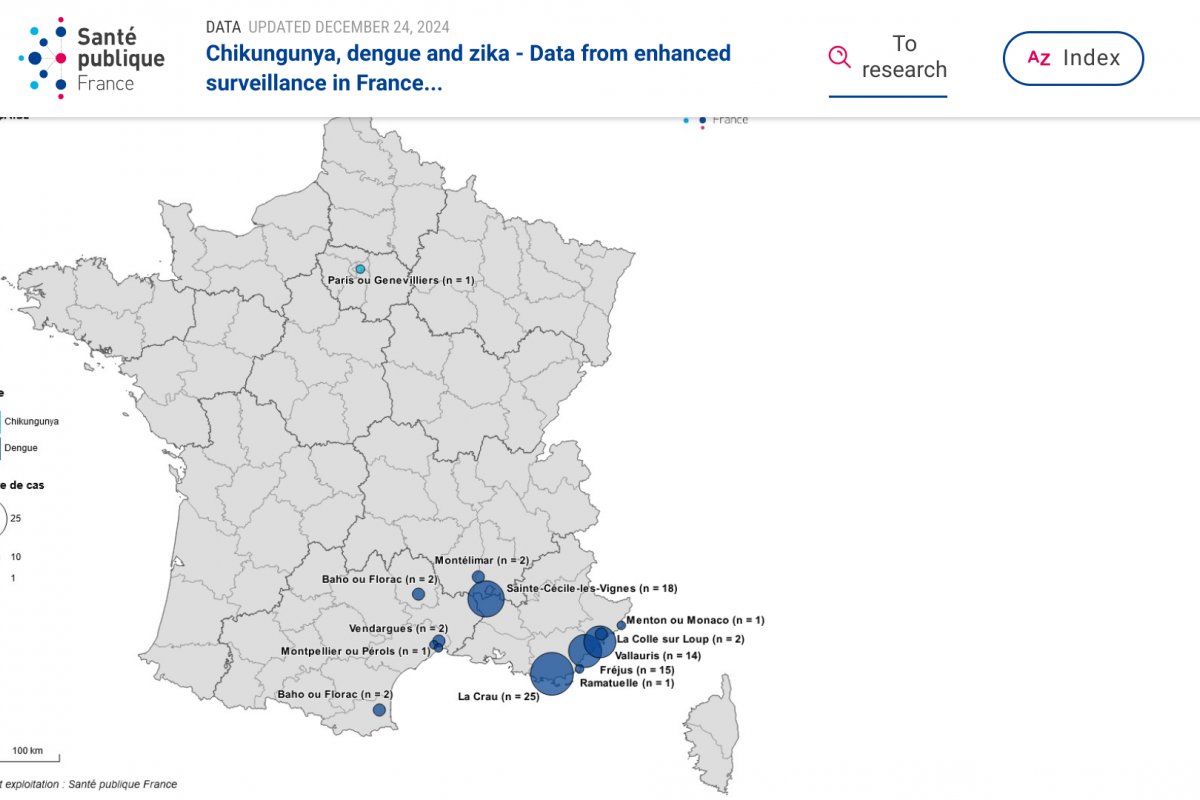
France MOH - Dec. 24, 2024

According to Regional Health Agencies (ARS), France has reported the highest number of indigenous (local) dengue cases in 2024 since the implementation of enhanced surveillance in 2006.

As of December 24, 2024, the ARS assessment for this 2024 season shows 11 outbreaks of local dengue transmission totaling 83 cases, mainly occurring in Provence-Alpes-Côte d'Azur (Marseille, 1.9 million pop.) and Occitanie.

As of December 17, 2024, 4,694 imported dengue cases had been reported this year, the highest annual number ever. Epidemiological investigations identified imported dengue cases from travelers returning to France from Guyana, Reunion, and Indonesia. 

ARS also reported one Indigenous case of chikungunya for the first time in Ile de France.

Entomological and epidemiological investigations were immediately implemented for each disease outbreak, accompanied by vector control actions.

From a disease prevention perspective, France offers various chikunguna and dengue vaccines.

For travelers departing from the U.S., Valneva SE's IXCHIQ® chikungunya vaccine is offered at numerous travel clinics and pharmacies.

Dec 25, 2024 • 7:08 am CST
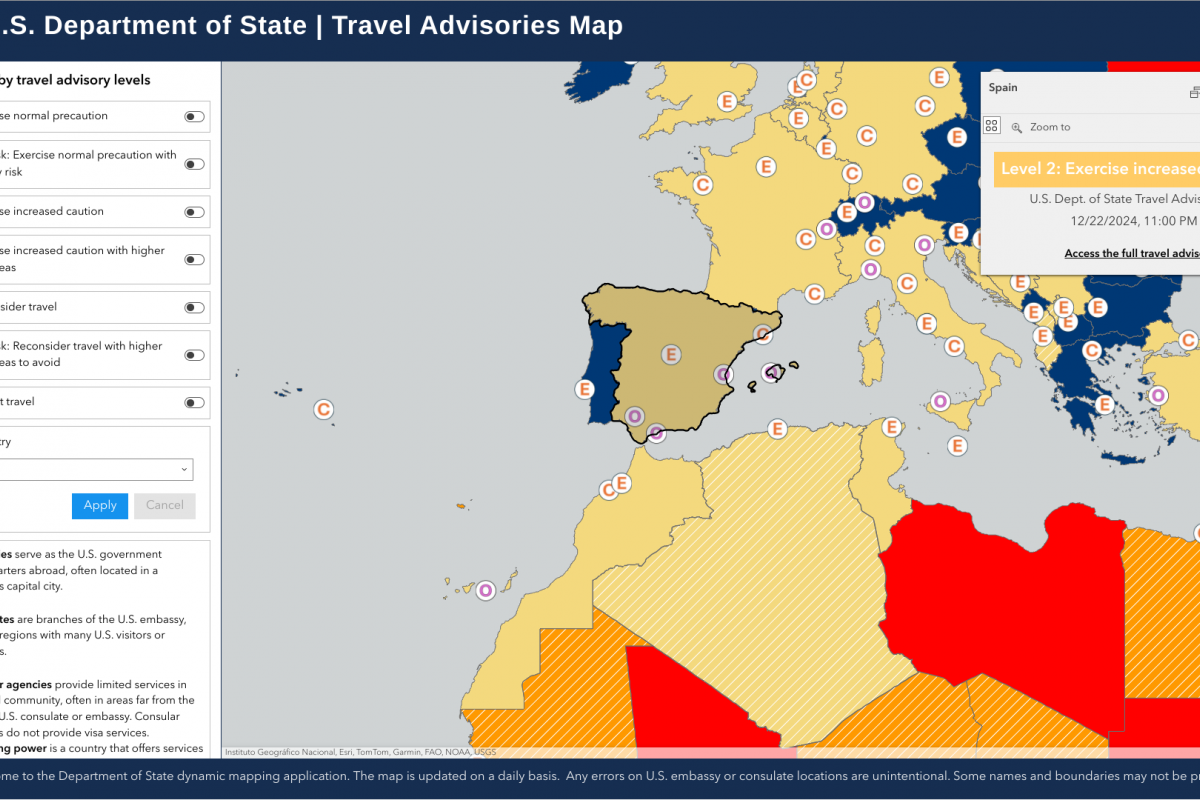
State Dept 2024

The U.S. Department of State recently reaffirmed its Level 2: Exercise Increased Caution for the Kingdom of Spain.

On December 23, 2024, the State Department stated visitors to Spain should exercise increased due to civil unrest. Furthermore, demonstrations are common and may occur in response to political or economic issues, on politically significant holidays, and during international events.

International travelers visiting Spain should enroll in the Smart Traveler Enrollment Program to receive digital alerts, which makes locating you in an emergency easier.

When in Spain, U.S. citizens can visit the U.S. Embassy at Calle Serrano, 75, 28006 Madrid.

From a health perspective, the U.S. CDC and the UK say visitors should check the list of vaccines and medicines needed at least a month before visiting Spain. For example, the ECDC reported locally acquired dengue cases in Spain in 2024.

Dengue is an Aedes-borne disease established in Spain's Catalonia region. 

Colin Johnston, Senior Medical Entomologist at UKHSA, informed local media, "The increasing number of dengue (8) and malaria cases that we are seeing now in the UK are travel-related."

As of December 25, 2024, Dengue is a vaccine-preventable disease.