Coronavirus Breaking News

The coronavirus disease COVID-19 is currently reaching pandemic levels in various countries.

Jun 9, 2025 • 7:40 am CDT
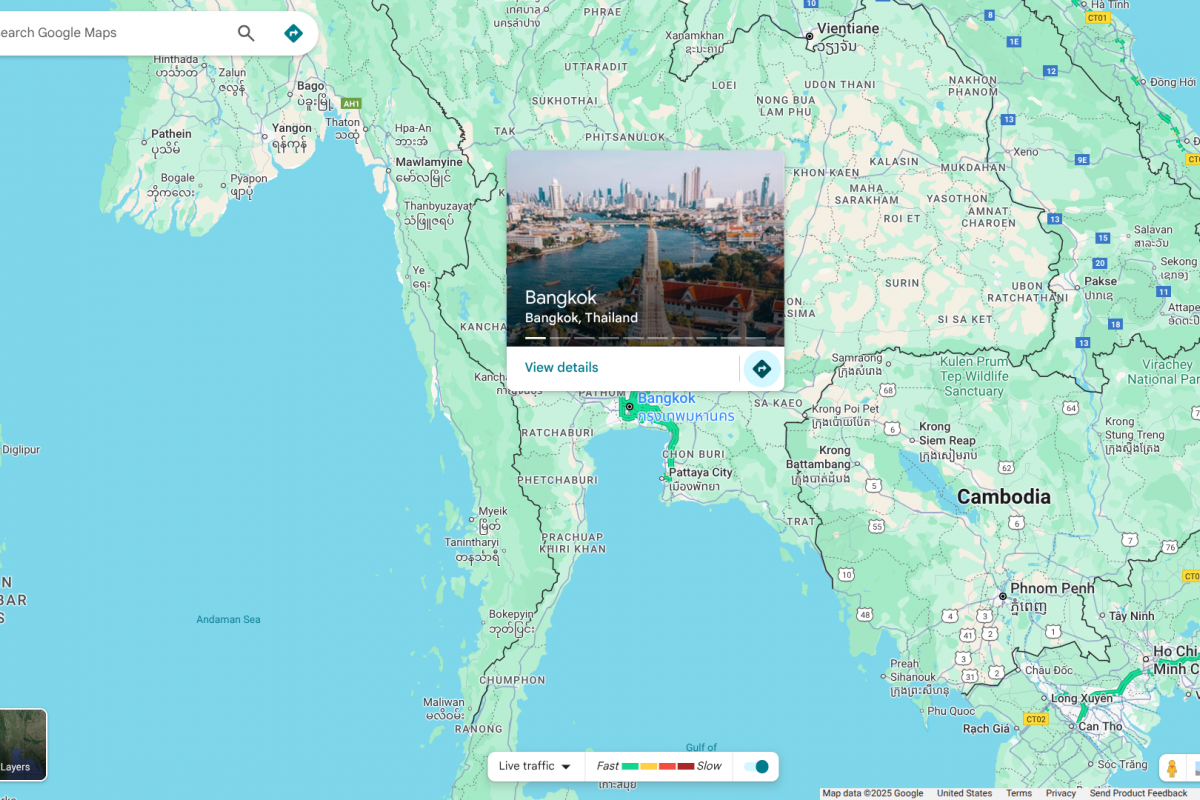
Google Maps June 2025

According to data released by the Ministry of Health & Family Welfare and Department of Health & Family Welfare in India, Kerala remains the most affected state during the resurgence of COVID-19 in 2025.

As of June 8, 2025, COVID-19 cases have also been reported in Gujarat, West Bengal, and Delhi.

Local media reported 358 new infections, bringing India's active case tally above the 6,400 milestone this year. Since January 2025, about 65 COVID-19-related deaths have been reported in India.

The Ministry posted on X today, 'India demonstrated remarkable solidarity by sending over 30 crore vaccine doses to 101 countries. This means every second country received a Made-in-India COVID vaccine, showcasing India's commitment to global health and vaccine equity.'

Jun 8, 2025 • 12:41 pm CDT
Canada Health June 2025

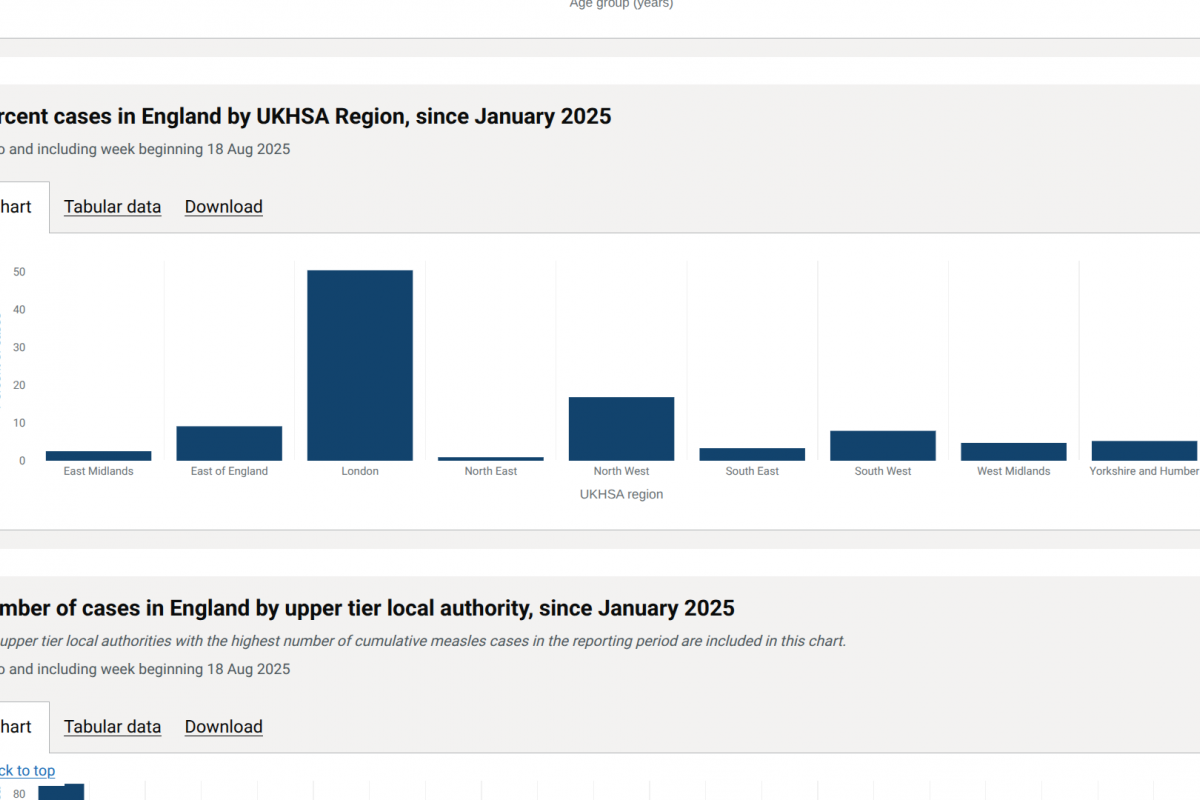
A multijurisdictional measles outbreak has occurred in Canada, beginning in New Brunswick in October 2024. This year, it has spread in Ontario (1,949), and related cases have been reported in Alberta, British Columbia, Manitoba, the Northwest Territories, Nova Scotia, Prince Edward Island, Quebec, and Saskatchewan.

Canada Health's Measles and Rubella Weekly Monitoring Report states that, of the 2,755 measles cases (2,429 confirmed, 326 probable) reported in 2025, 1,867 cases are linked to this outbreak as of June 2, 2025.

At the end of May 2025, only 244 new measles cases were reported in one week, indicating a continued decline of this outbreak.

The government says, 'If you're infected with the measles virus, you can spread it to others. This is possible from 4 days before the onset of the rash to 4 days after the rash begins. Isolate at home and call a health care provider immediately. They will advise you on what to do.'

As of June 8, 2025, measles vaccination services are offered throughout Canada.


Jun 6, 2025 • 2:39 pm CDT
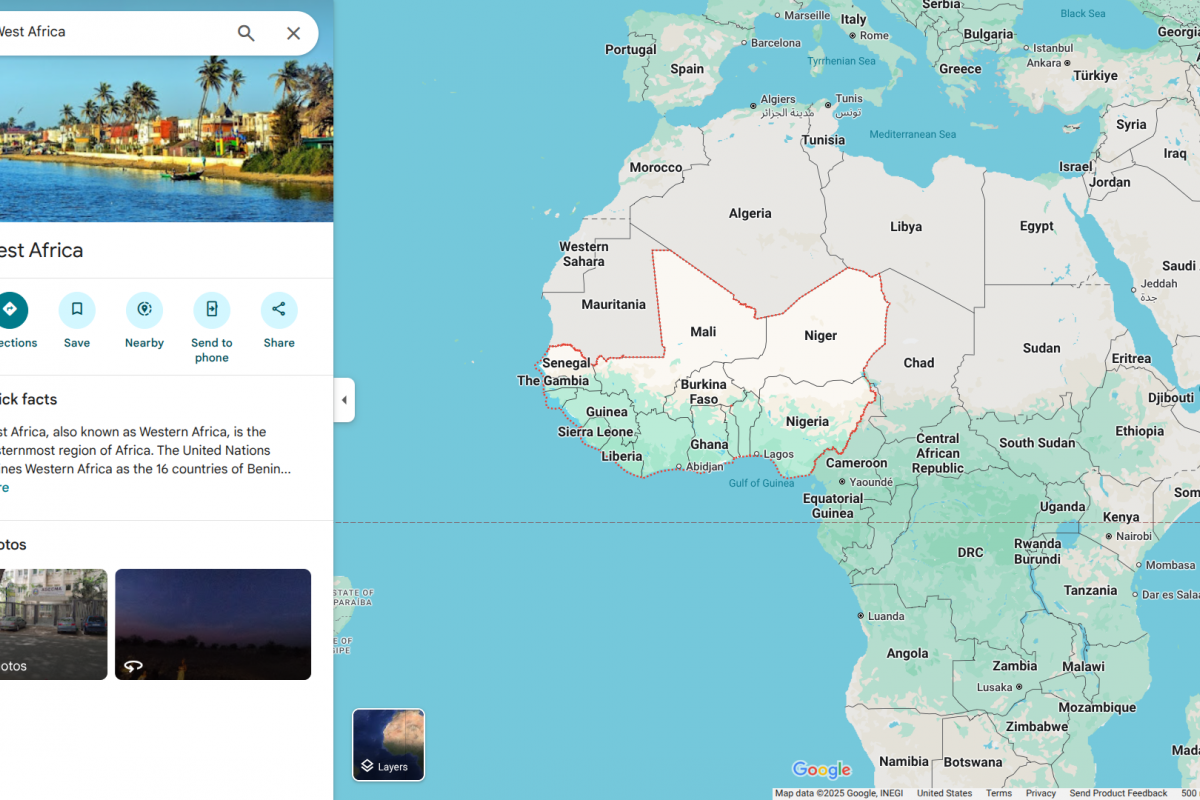
Google Maps June 6, 2025

While about half of the world’s population is at risk of malaria, the African Region accounts for about 95% of all cases.

However, this mosquito-transmitted disease has been detected in various unusual locations in 2025.

In the Western Pacific region, which includes Australia, Papua New Guinea (PNG), New Zealand, Vanuatu, and the Solomon Islands, malaria cases have been reported.

Malaria in Australia is commonly recorded in returned international travellers, with about 100 imported cases recorded in Queensland each year. But so have locally acquired cases.

For example, Queensland Health recently reported a second locally acquired malaria case in a Torres Strait LGA resident.

As of June 2, 2025, investigations into this malaria case are ongoing.

In 2025, 71 malaria notifications were reported, of which 97% were related to international travel, predominantly with PNG and the Solomon Islands.

The last locally acquired malaria outbreak in the Torres Strait was in 2023, with five cases detected in northern Torres Strait Islands.

From a disease prevention perspective, neither malaria vaccine is offered in Australia as of June 6, 2025.

Jun 5, 2025 • 5:50 am CDT
Google Maps June 5, 2025

According to a Case Report published by the Journal of Infection and Chemotherapy (Volume 31) in June 2025, Japanese encephalitis (JE) has emerged in a previously non-reported area in Japan, suggesting that the number of JE patients may be underestimated in Japan.

This report describes three cases of JE in a single hospital in Narita over three years.

These researchers suggest that physicians in Japan should consider JE as a differential diagnosis in 2025 when encountering cases of encephalitis or meningitis with unknown etiology during the warm season, even in areas where JE has not been previously reported.

This prefecture is located a few miles east of Tokyo, a city with over 35 million residents.

JE is an infection of the brain caused by the Japanese encephalitis virus, which is spread to people through the bite of an infected mosquito or close contact with livestock, such as birds, goats, and pigs.

In Japan, JE used to be endemic, and more than 1000 JE patients had been reported before the 1960s.

However, the introduction of the JE vaccine in 1954 and its widespread use in childhood vaccination from 1967 dramatically reduced the disease burden. As of 2022, only one case had been reported in Chiba and Ibaraki prefectures, respectively, in the past 10 years, and both cases occurred in areas famous for pig farming, far from Narita City.

As of June 5, 2025, the U.S. CDC recommends JE vaccination for specific people visiting Japan.

The CDC recommends vaccination for travelers who are moving to an area with JE, spend long periods in areas with JE present, or frequently travel to those areas in Japan.

JE vaccination is not recommended for travelers planning short-term trips to urban areas or those traveling to places with no clear JE season. 

When departing for Japan or any other JE outbreak area, such as Australia, Valneva SE's IXIARO® (JESPECT®) vaccine is commercially offered at travel clinics and pharmacies in 2025.

Jun 5, 2025 • 4:54 am CDT
Google Maps June 5, 2025

With a population of 2.8 million, Jamaica remains a popular tourist destination in June 2025. Last year, this Caribbean Island destination welcomed over 4 million visitors by air and sea.

A short two-hour flight from Miami, Florida, brings tourists to vast resorts and warm waters.

While the U.S. Department of State recently reduced its Level 3 travel advisory for Jamaica, it still advises Americans to exercise caution while visiting in June 2025.

As of May 29, 2025, the State Department's periodic review indicates that civil unrest in Jamaica has decreased since 2024; however, it remains statistically high throughout the country. 

Tourist areas typically experience lower rates of crime compared to other parts of the country. Still, the homicide rate reported by the Government of Jamaica is among the highest in the Western Hemisphere.

From a local health perspective, U.S. citizens should not expect the same level of healthcare services in Jamaica. This concern includes slower emergency service response times and reduced availability of care for illnesses or injuries.

Private hospitals typically require payment upfront before admitting patients and may not have the necessary resources to provide specialized care. 

The U.S. Embassy in Jamaica previously stated 'Be aware that U.S. Medicare/Medicaid does not apply overseas. Most hospitals and doctors overseas do not accept U.S. health insurance. U.S. citizens with medical emergencies can face bills in the tens of thousands of dollars, with air ambulance service to the United States.'

We highly recommend that you purchase insurance before traveling, writes the Embassy, which is located at 142 Old Hope Road, Kingston 6.

Seperately, the U.S. CDC advises visitors to take actions to protect themselves from diseases such as measles and chikungunya.

Furthermore, the Pan American Health Organization has been working since 2003 to control and prevent dengue. The disease remains a substantial concern throughout the Americas, but only 165 cases have been reported in Jamaica this year.

The CDC recommends checking the vaccines and medicines list and visiting your doctor at least a month before your trip to Jamaica. 

Jun 4, 2025 • 2:54 pm CDT
US CDC 2025

Since late May 2025, France's overseas department of Mayotte has experienced a significant outbreak of the mosquito-transmitted Chikungunya virus throughout the island. 

As of June 2, 2025, Public Health France reports a total of 560 confirmed cases of chikungunya recorded during this phase of the ORSEC arbovirus plan.

From a location perspective, there has been a persistent concentration of cases in the municipalities of Mamoudzou, Pamandzi, and Dzaoudzi.

These are Mayotte's first locally transmitted cases of chikungunya since the 2005–2006 outbreak, which resulted in approximately 7,300 cases. 

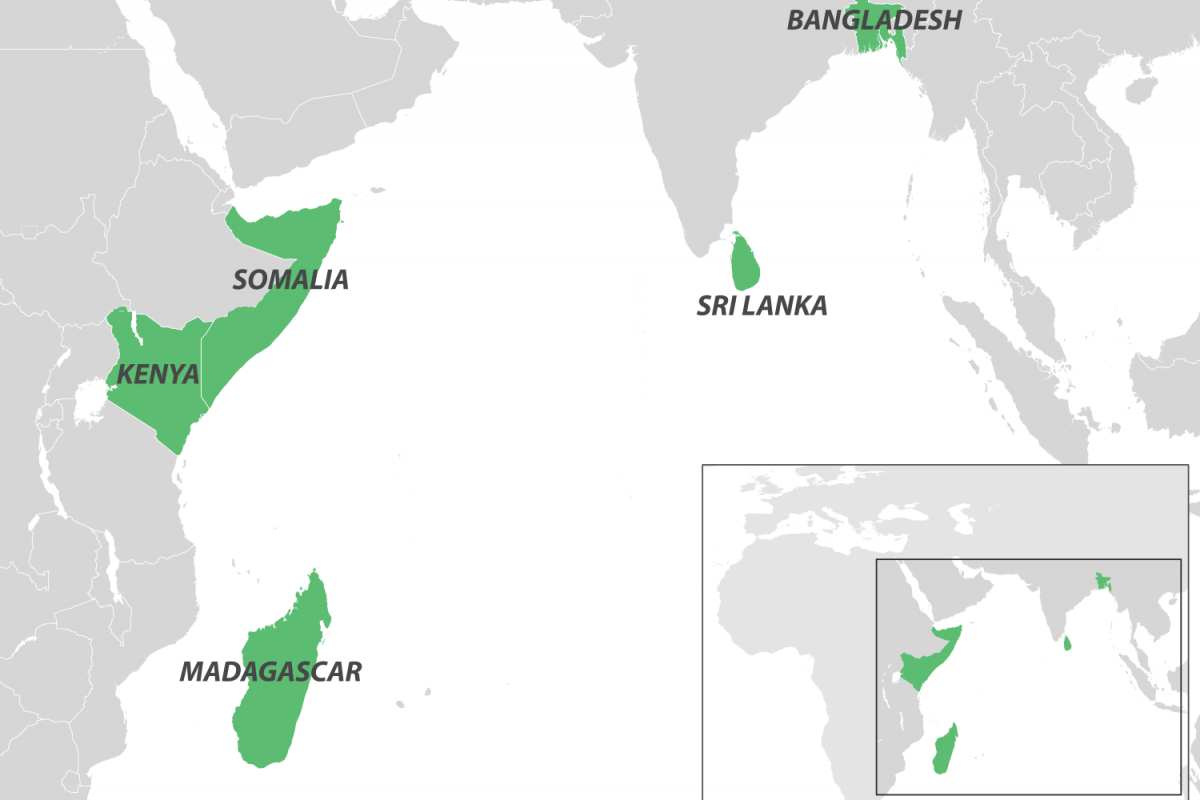
According to the World Health Organization (WHO), Chikungunya outbreaks have been documented on islands within and countries bordering the Indian and Pacific Oceans, such as Mauritius, Réunion, Somalia, and Sri Lanka, in 2025.

Public health response measures have included targeted vaccination efforts with Valneva SE's IXCHIQ® vaccine, the first approved monovalent, single-dose, live-attenuated vaccine.

While the WHO states that no measures related to international traffic and trade are warranted at this time, the U.S. CDC has updated its information to a Level 2 - Practice Enhanced Precautions, Travel Health Advisory.

The CDC recommends vaccination for travelers visiting an area with a chikungunya outbreak. Furthermore, if you are pregnant, consider reconsidering travel to the affected areas, particularly if you are nearing the delivery of your baby. Mothers infected around the time of delivery can pass the virus to their baby before or during delivery. 

In addition to chikungunya, another mosquito-transmitted disease has been spreading on Mayotte. The circulation of dengue fever on the island has reached 21 confirmed cases since the beginning of 2025.

Before visiting Mayotte in June 2025, the CDC recommends consulting with a travel vaccine specialist to discuss immunization options.

Jun 4, 2025 • 5:34 am CDT
Pixabay 2025

ImmunityBio, Inc. recently announced that the U.S. Food and Drug Administration (FDA) has granted Expanded Access authorization for the use of its Cancer BioShield™ platform, anchored by ANKTIVA®, to treat lymphopenia in adult patients with refractory or relapsed solid tumors independent of tumor type who have progressed after first-line standard-of-care treatment, chemotherapy, radiation, or immunotherapy.

On June 2, 2025, ImmunityBio stated 'while oncologists and patients have long had therapies such as EPOGEN® and NEUPOGEN® to manage chemotherapy- and radiation-induced anemia and neutropenia, no comparable option has been available for lymphopenia.'

To date no treatment exists for lymphopenia, a depletion of critical lymphocytes responsible for immunogenic cell death, specifically natural killer (NK) cells, killer CD8+ T cells and CD4+ with memory T cells.

Treatment-induced lymphopenia is a debilitating consequence of chemotherapy, radiation, specific immunotherapies, and steroids. This treatment-acquired immunodeficiency not only increases susceptibility to infections but also deprives the body’s immune system to fight residual or recurrent cancer, accelerating metastasis and disease progression, and contributing to early mortality.

Countless publications over the last two decades have reported lymphopenia as a highly predictive biomarker of poor prognosis across all tumor types.1-6 Despite its significant clinical impact, the pharmaceutical industry has largely overlooked lymphopenia as a disease in its own right, and no approved therapies have existed to directly address it, until the approval of ANKTIVA in the treatment of BCG-unresponsive bladder cancer with the mechanism of action of an IL-15 superagonist proliferating key lymphocytes.

Dr. Patrick Soon-Shiong, Founder, Executive Chairman, and Global Chief Scientific and Medical Officer of ImmunityBio, commented in a related press release, “This FDA authorization allows all patients with solid tumors suffering from immune collapse following first-line therapy of chemo, radiation, or immunotherapy to access ANKTIVA."

"The survival benefit we observed at ASCO 2025 in 3rd to 6th line advanced metastatic pancreatic cancer confirms that restoring lymphocyte levels—rather than depleting them—can change the course of disease.”

As of June 4, 2025, ANKTIVA is available at participating cancer centers in the United States and other countries, such as the Kingdom of Saudi Arabia.

Jun 4, 2025 • 5:20 am CDT
PAHO 2025

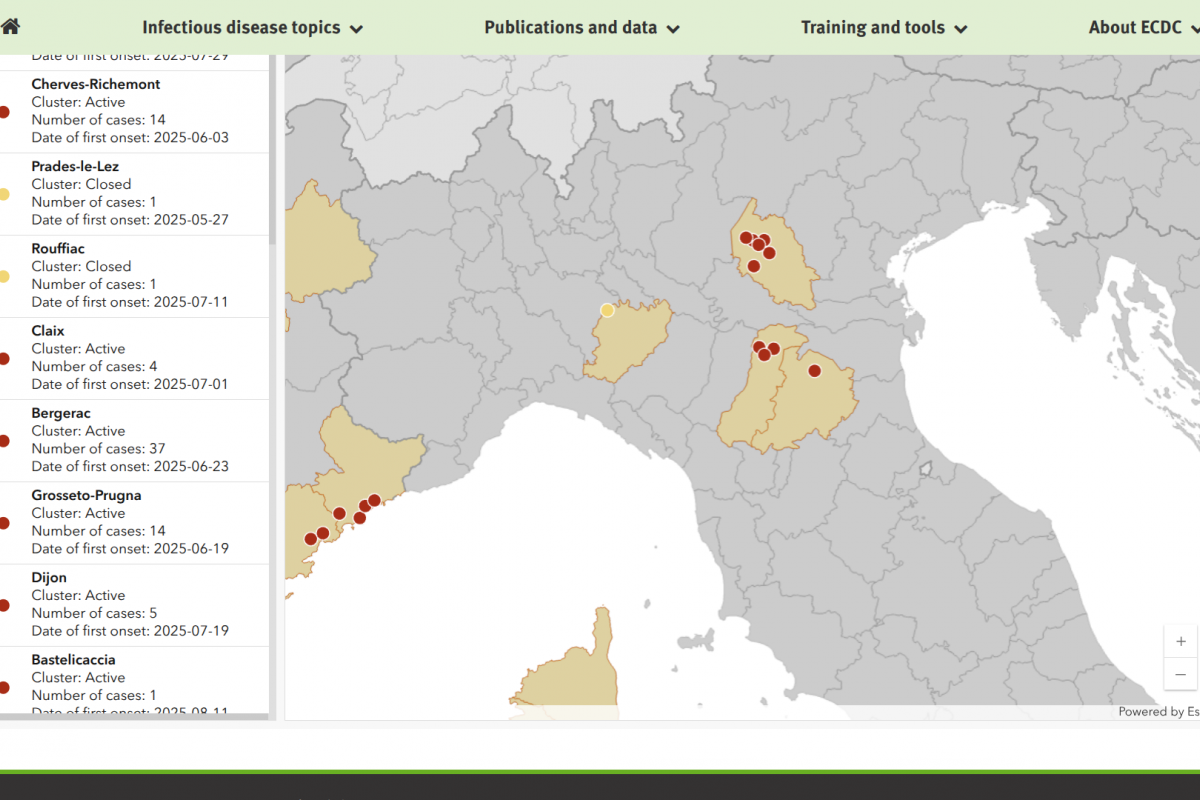
With measles cases being reported in many countries this year, the U.S. Centers for Disease Control and Prevention (CDC) issued a Travel Health Advisory highlighting updated vaccination guidance regarding this highly contagious respiratory illness.

As of May 28, 2025, the CDC states that international travelers are at risk of contracting measles if they have not been fully vaccinated at least two weeks before departure or have not had measles in the past.

Therefore, the CDC recommends that 'all international travelers should be fully vaccinated against measles with the measles-mumps-rubella (MMR) vaccine, according to the CDC's measles vaccination recommendations for international travel. 

This is essential guidance since most people who bring measles into the United States are unvaccinated U.S. residents who get infected during international travel.

Currently, significant measles outbreaks have been confirmed in the Region of the Americas, including Canada (2,755 cases), Mexico, and Texas.

While the Texas measles outbreak has significantly slowed, the outbreak in Ottawa, Canada, continues to expand, with 1,949 cases reported.

As of June 4, 2025, various measles-containing vaccines are available at health clinics and pharmacies in the United States.

Jun 3, 2025 • 12:40 pm CDT
by Fernando Zhiminaicela

The Republic of Ecuador has been exposed to a wide range of zoonotic pathogens that have a significant impact on the population's health and the overall economy.

Recent disease outbreaks, such as yellow fever, rabies, hantavirus, and highly pathogenic avian influenza A(H5N1), have disrupted the health system of this South American country.

For example, the number of yellow fever cases reported in South America so far in 2025 represents a threefold increase compared to the cases reported in 2024.

Since the beginning of 2025 and as of early May, four confirmed fatal cases of yellow fever have been reported in Ecuador, from the provinces of Morona Santiago (one fatal case) and Zamora Chinchipe (three fatal cases).

These conditions led Ecuador to establish priority surveillance, prevention, and control strategies for potential outbreaks of animal-borne diseases.

In response to these conditions, with technical support from the Pan American Health Organization/World Health Organization, specialists from the Ecuador Ministry of Public Health, and others announced on June 2, 2025, they are working to prioritize zoonotic and emerging diseases to obtain a list that would provide the country with clarity in the implementation of surveillance and control tasks for these pathologies. 

To alert international visitors, the U.S. CDC has included Ecuador in various disease outbreak alerts. 

The CDC recommends yellow fever vaccination for travelers aged 9 months or older traveling to areas below 7,550 feet in elevation, east of the Andes Mountains, in the provinces of Morona-Santiago, Napo, Orellana, Pastaza, Sucumbíos, Tungurahua, and Zamora-Chinchipe.

As of June 3, 2025, the YF-Vax vaccine is generally not recommended for travel to areas with an elevation below 7,550 ft.

The vaccine is required for most travelers arriving from Brazil, the Democratic Republic of the Congo, or Uganda, including those with 12-hour airport transits or layovers in any of these countries. But not those arriving from the U.S.

Located on South America's Pacific Ocean, Ecuador also includes the Galápagos Province, about 600 miles west of the mainland.

This travel vaccine, along with others, is commercially offered at clinics and pharmacies in the U.S.

Jun 3, 2025 • 10:05 am CDT
DEN June 3, 2025

The Colorado Department of Public Health (CDPH) and Environment, along with El Paso County Public Health, have recently confirmed six measles cases that passed through Denver International Airport, which set an all-time passenger record in 2024, serving 82,358,744 passengers.

In May 2025, measles was confirmed in two unvaccinated residents of El Paso County. These adults are unrelated, but were at Denver around the same time on May 14, 2025.

Both individuals are recovering at home.

In addition, a third Colorado passenger on Turkish Airlines who arrived in Denver on May 13, 2025, has been confirmed positive for measles. The vaccinated adult from Arapahoe County is recovering at home. No public exposures have been identified in connection with this case.

According to a CDPH press release on June 1, 2025, this brings the total number of cases associated with an out-of-state traveler who flew while infectious to six: four passengers on the flight (three Colorado residents and one out-of-state resident) and two El Paso County residents who were at the airport during the exposure period.

Separately, the U.S. CDC published a Global Measles Outbreak Travel Health Advisory on May 28, 2025.

Measles is highly contagious and can sometimes lead to serious health problems, but it is a vaccine-preventable disease. The measles, mumps, and rubella (MMR) vaccine provides strong protection and is generally available at health clinics and pharmacies in the U.S.

Jun 2, 2025 • 12:58 pm CDT
Google Maps June 2, 2025

Since April 2024, the Ministry of Health (MOH) of the Republic of Costa Rica has reported an outbreak of Bordetella pertussis (whooping cough) in the Tibas district of San Jose, which has a population of over 70,000 residents.

As of June 2, 2025, the MOH remains on alert for whooping cough cases in local schools, which are primarily transmitted through respiratory droplets from coughing or sneezing, and have an incubation period ranging from 4 to 21 days.

On May 20, 2025, a case of whooping cough was confirmed in a teacher at a school in Golfito and a resident of the Corredores canton. There are now 14 confirmed cases in home isolation, in good general health, and receiving treatment and monitoring from the inter-institutional team.

Following the initial diagnosis, 79 direct contacts were identified, including 72 students, six teachers, and one cleaning staff member. Of these, 31 people presented symptoms.

The MOH recommends that the local population comply with the national vaccination schedule: the Pentavalent vaccine at 2, 4, 6, and 15 months, the Tetravalent vaccine at 4 years old, and the vaccine for pregnant women, indicated from the 20th week of pregnancy.

About 18 years ago, Costa Rico declared a whooping cough emergency and launched a nationwide vaccination program.

While the U.S. CDC advises individuals planning to visit Costa Rica in June 2025 to stay up to date with routine vaccinations, the agency also highlights the presence of Chikungunya and measles in Costa Rica.

These travel vaccines are commercially offered at clinics and pharmacies in the U.S. and should be administered about one month before departure abroad. 

Jun 2, 2025 • 5:03 am CDT
Google Maps June 2, 2025

After six years without reporting a Zika virus case, the Hawaiʻi Department of Health (DOH) is investigating travel-related cases involving two individuals.

On May 27, 2025, the DOH announced that vector control teams are responding and will continue operations in areas where individuals have spent time, including the Waialua/Haleʻiwa area on the island of Oʻahu.

While Hawaiʻi has mosquito species capable of transmitting Zika, but the virus is not established in the state. As of June 2025, no locally acquired cases have been documented in Hawaiʻi.

The most recent travel-related Zika case in Hawaiʻi was reported in 2019. Travel-associated cases were more frequently reported in Hawai‘i during 2015-2019 when Zika was circulating globally, peaking at 25 cases in 2017.

Over the last few years, there has been a significant increase in Zika cases reported in the Americas, including in Puerto Rico. During 2025, over 12,600 cases have already been reported.

The DOH says Zika can also be transmitted through sex from a person who has Zika. The virus has been found in semen, vaginal fluids, saliva, urine and breast milk.

While most people recover from this mosquito-transmitted disease, pregnant women and their unborn children may become infected, leading to serious health issues. 

A study published in January 2025 found that the mortality rates among 11.4 million children born with a severe Zika virus infection were higher. Young children with congenital Zika syndrome (CZS) had a 13-fold higher risk of death compared with those without CZS.

This study found a cause-specific mortality hazard ratio of 30.28.

As of June 2, 2025, the U.S. Food and Drug Administration has not approved a vaccine that prevents Zika.

The U.S. CDC says, regardless of where you live or visit, if mosquitoes are active in your area, wear long clothing and use insect repellent to reduce the risk of bites. Additionally, travelers returning from an area with a risk of Zika should take steps to prevent mosquito bites for three weeks after their return.

Jun 2, 2025 • 4:21 am CDT
US CDC

Since being discovered in Lyme, Connecticut, decades ago, Lyme disease has expanded west in the United States, causing significant health risks to people when outdoors.

For example, the Michigan Department of Health and Human Services (MDHHS) recently confirmed Lyme disease is now the most common tick-borne disease in Michigan, and anaplasmosis is increasing across the state.

Lyme disease cases in Michigan have increased by 168% over the last five years.

Michigan recorded 1,215 cases in 2024, as compared to 452 cases in 2020.

Anaplasmosis cases in Michigan have increased by almost fivefold over the last five years, with 82 cases reported in 2024 compared to 17 in 2020.

"Preventing tick bites is the best way to prevent tick-borne diseases, including Lyme disease and anaplasmosis," said Dr. Natasha Bagdasarian, MDHHS's chief medical executive, in a media release on May 21, 2025.

"If you find a tick attached to your body, promptly remove it. Monitor your health, and if you experience fever, rash, muscle or joint aches, or other symptoms, or if you suspect a tick has been attached for more than 24 hours, consult with your medical provider."

As of June 2, 2025, the U.S. Food and Drug Administration has not approved a vaccine for the prevention of Lyme disease. However, an innovative vaccine candidate (VLA15) is progressing in late-stage clinical research.

VLA15 is a multivalent recombinant protein vaccine targeting Borrelia's outer surface protein A (OspA). It is designed for prophylactic, active immunization against Lyme disease. The first data readout of the Phase 3 clinical trial is expected by the end of 2025.

Jun 1, 2025 • 12:51 pm CDT
by Jeanette Atherton

Through the initial five months of 2025, Zika virus (ZIKV) outbreaks continue as a significant, measurable public health concern worldwide.

In the Region of the Americas, over 12,600 Zika patients have been identified as of June 1, 2025.

Last year, 42,127 ZIka cases and two related fatalities were reported in the Americas in 2024, led by Argentina, Brazil, Bolivia, Colombia.

Foremost among public health leaders' focus is when a pregnant woman becomes infected with this mosquito-transmitted virus. While pregnant, ZIKV can induce severe defects of the fetal brain and, eventually, microcephaly in the infant.

To better understand this health risk, an Ohio State University (OSU) study published in the Proceedings of the National Academy of Sciences on May 23, 2025, reveals the biological secret to the Zika virus's infectious success.

These researchers found that Zika utilizes the host cells' own "self-care" system to clear away useless molecules, thereby suppressing the host proteins that the virus has employed to enter those cells in the first place. 

They wrote in a press release on May 27, 2025, 'While these cell surface proteins are valuable for viral entry, they also have roles in producing an antiviral response. Before that can happen, the virus manipulates a process cells use to keep themselves healthy to lower the proteins' activity, clearing the way for unfettered viral infection.'

'Though other viruses, such as HIV, are known to silence host receptors that let them into cells, Zika is unusual for having at least three of its proteins that can get the job done,' said Shan-Lu Liu, senior author the study and a virology professor in the Department of Veterinary Biosciences at OSU.

"That's the most interesting part: It's amazing that not only one, but several Zika proteins can do this."

"We looked at two Zika virus strains and examined three physiologically relevant cell types. With both strains, we observed downregulation in all three cell types. It looks like this is an important mechanism," added Liu.

Although further research is needed to confirm this, there is a possibility that this mechanism is relevant to the Ebola virus, which utilizes the TIM-1 protein to access host cells, or to other pathogens in the same flavivirus family, including Zika, West Nile, yellow fever, and dengue viruses. 

"The bottom line is this speaks to the co-evolution of viral-host interactions. The more important a host factor is to a virus, the more a virus is going to do to take control of it," Liu said. "Understanding these mechanisms is an important part of being prepared for emerging or reemerging viruses that cause infectious diseases."

As of June 2025, there are no Zika preventive vaccines available, and the U.S. CDC recommends pregnant women avoid visiting areas reporting Zika outbreaks.

Over the last few years, Zika cases have been reported in Puerto Rico, Costa Rica, and other tourist favorite destinations.

May 31, 2025 • 12:42 pm CDT
US CDC May 30, 2025

With the summer of 2025 cruise ship season getting underway, many passengers are seeking access to a norovirus preventive vaccine.

As of May 14, 2025, the U.S. CDC's Vessel Sanitation Program had reported 17 gastrointestinal (GI) illnesses on cruise ships this year, with over ten classified as norovirus outbreaks, and others still under investigation.

This CDC data compares with 18 GI outbreaks in all of 2024 and just 14 in 2023.

While norovirus vaccine research has been previously unsuccessful, one oral vaccine has published positive news.

Vaxart, Inc. recently announced the publication of complete data from a Phase 2b challenge study of its first-generation oral pill norovirus vaccine candidate. 

This study measured safety, efficacy against infection and symptomatic disease, as well as viral shedding.

Additionally, a machine learning analysis identified statistically significant correlates of protection, which will be incorporated into the development of Vaxart’s second-generation norovirus vaccine candidate.

“Challenge studies provide unique opportunities to identify correlates of protection that can be used to predict vaccine efficacy and support vaccine development,” said James F. Cummings, MD, Chief Medical Officer at Vaxart, in a press release.

“The application of machine learning approaches to the complete data from the Phase 2b challenge study of our first-generation oral pill norovirus vaccine candidate identified two such correlates, functional serum blocking antibody and fecal IgA."

"Evaluation of these endpoints will help inform our understanding and provide an early read on the potential efficacy profile of our second-generation norovirus vaccine candidate as it advances through clinical development."

The single-center, double-blinded Phase 2b challenge study enrolled 165 healthy adults, who were randomized 1:1 to receive Vaxart’s monovalent oral pill vaccine candidate targeting the norovirus GI.1 genotype or placebo. Four weeks after vaccination, subjects were challenged with GI.1 norovirus. The primary objective of the study was to determine the efficacy of the vaccine against norovirus infection and norovirus gastroenteritis (NVG) following gastrointestinal (GI) infection.1 NV challenge.

Secondary objectives were to assess the safety and tolerability of the vaccine candidate. The ability of the vaccine candidate to modify disease severity, the quantity and duration of norovirus shedding, and a set of immunogenicity parameters was also quantified. The primary efficacy endpoints were the proportion of participants showing evidence of NVG, a composite endpoint defined as meeting one or more definitions for acute gastroenteritis and a positive norovirus infection, and the norovirus infection itself.

Key findings from the study include the vaccine was immunogenic and protected against norovirus infection, with a 30% relative reduction for the vaccine group compared with placebo (p=0.003); The vaccine group had a lower incidence of norovirus gastroenteritis (21% relative reduction), but was not statistically different (p=0.178); The vaccine significantly increased serum IgA, IgG, norovirus-blocking antibodies, and antibody-secreting cells (p<0.001 for all endpoints). The vaccine stimulated mucosal-homing B cells and significantly increased norovirus-specific antibodies in saliva, nasal lining fluid, and the intestine.

Steven Lo, Chief Executive Officer of Vaxart, added, “The initiation of the Phase 1 clinical trial comparing our first- and second-generation norovirus vaccine candidates is a key step toward this important goal."

"The Phase 2 challenge study published today for our first-generation norovirus candidate supports our oral pill norovirus vaccine approach, and the preclinical data we have generated to date support our view that our second-generation candidate has the potential to provide improved immunogenicity and protection.”

As of May 30, 3035, the CDC has not recommended any norovirus vaccine.