Should Pregnant Women Bypass Oropouche Outbreaks

The Pan American Health Organization (PAHO) has released a new epidemiological update regarding the ongoing spread of Oropouche fever across the Americas.
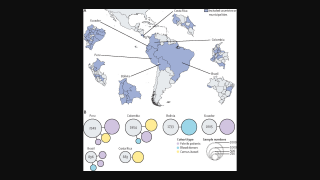
Since late 2023, and as of August 13, 2025, there have been 12,786 confirmed Oropouche cases reported across 11 countries—seven experiencing local transmission and four with imported cases—indicating a growing spread of this virus, primarily transmitted by the Culicoides paraensis midge.
During 2025, the confirmed cases are distributed as follows: Brazil (11,888 cases), Panama (501), Peru (330), Cuba (28), Colombia (26), Venezuela (5), and Guyana (1).
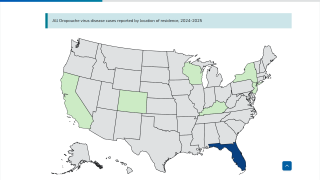
Imported cases have been identified in Uruguay (3), Chile (2), Canada (1), and the United States (1).
In 2024, the region recorded a total of 16,239 cases across 11 countries and one territory, including four deaths.
This year, Brazil has faced the most significant burden, with cases reported in 20 states—particularly in Espírito Santo (6,322) and Rio de Janeiro (2,497). The country has also documented five deaths, along with cases of neurological complications and fetal deaths that are currently under investigation.
According to the PAHO, Oropouche fever typically causes high fever, severe headaches, and muscle and joint pain, with most patients recovering within two to three weeks. However, up to 60% of patients may experience relapses.
The virus's spread to non-endemic areas, such as urban regions in Cuba, is driven by factors that increase the midge population.
The PAHO and the U.S. CDC emphasize the importance of stronger epidemiological surveillance and vector control measures to combat the disease, which currently has no vaccine or specific antiviral treatment available.
Additionally, Oropouche virus has been found in semen, but it is unknown if it can be spread through sex.
In rare instances, the disease can lead to meningitis or encephalitis, and there are concerns about potential fetal risks in pregnant women.
The CDC says, 'Pregnant women should reconsider non-essential travel to Espírito Santo, Brazil, or Darién Province, Panama.'
Our Trust Standards: Medical Advisory Committee