After Three West Nile Virus Cases, Chicago Sprays to Reduce Mosquitoes

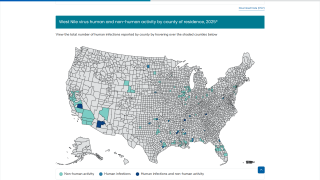
The Chicago Department of Public Health (CDPH) recently confirmed the first three human cases of West Nile virus (WNV) this year. The Illinois Department of Public Health previously confirmed the first human case of WNV in the state on June 24, 2025.
The patients, whose symptoms began in late July or early August, reside on the Northwest and South sides.
WNV is the most common cause of mosquito-borne disease in Chicago.
CDPH has a robust mosquito control program, which includes treating over 80,000 catch basins in Chicago with larvicide to kill immature mosquitoes, collecting and testing mosquitoes for WNV, and spraying in specific geographic areas to kill adult mosquitoes if needed.
Licensed mosquito abatement technicians are dispensing an ultra-low-volume spray from trucks.
CDPH has sprayed insecticide in nine different community areas over the last several weeks and will be spraying to kill adult mosquitoes in seven communities in mid-August 2025 (Forest Glen, Norwood Park, Mount Greenwood, Beverly, East Garfield Park, Near West Side, and North Lawndale).
"We are seeing a higher proportion of mosquitoes testing positive for West Nile virus than usual this year," said CDPH Commissioner Olusimbo 'Simbo' Ige, MD, MPH, in a press release on August 12, 2025.
"The best way to protect yourself from West Nile virus is to avoid mosquito bites and take measures to stop them from breeding around your home."
CDPH says WNV is typically spread to humans via the bite of an infected mosquito and is not generally spread from person to person. While most people infected with WNV do not feel sick, about 1 in 5 people develop a fever and flu-like symptoms.
Severe illness can occur in about 1 in 150 people and is most likely in people over age 60. Because there are no specific medications to treat WNV in people, the most effective method to prevent infection is to avoid mosquito bites.
In Europe, six countries have recently reported WNV cases.
As of August 14, 2025, there are no approved WNV vaccines available in the United States.
Our Trust Standards: Medical Advisory Committee