Chikungunya Vaccine Delivers 95% Seroresponse After Four Years

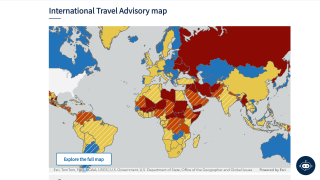
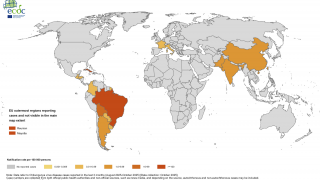
Since the beginning of 2025, over 317,000 Chikungunya virus disease cases and 135 related fatalities have been reported in 16 countries/territories in the Americas, Africa, Asia, and Europe.
To help reduce the impact of these mosquito-transmitted Chikungunya outbreaks, various countries have recently approved vaccines.
Regarding the long-term benefits, one vaccine manufacturer has presented very positive study results.
France-based Valneva SE today reported positive antibody persistence data four years after vaccination with a single dose of its chikungunya vaccine IXCHIQ®. The results confirm a strong and long-lasting antibody persistence across all age groups investigated.
Among the 254 healthy adults still followed in the clinical trial, 95% maintained neutralizing antibody titers well above the seroresponse threshold four years after the single-dose vaccination. The persistence of antibodies in older adults (aged 65+) was comparable to that in younger adults (18-64 years of age) in terms of geometric mean titers and seroresponse rates.
According to the trial protocol, antibody persistence is planned to be collected up to ten years after vaccination.
This study (VLA1553-303) has received funding support from the Coalition for Epidemic Preparedness Innovations and the European Union's Horizon Europe program. It has also collected long-term safety data up to two years, including Adverse Events of Special Interest from the preceding trial and any new-onset Serious Adverse Events.
No safety concerns were reported or identified.
Juan Carlos Jaramillo, M.D., Chief Medical Officer of Valneva, commented in a press release on September 30, 2025, "We are very encouraged by these four-year data, which further reinforce IXCHIQ® 's unique profile and its ability to generate a robust, durable antibody response in both younger and older adults with just a single dose."
"Whether you are a traveler, live in an endemic area, or face an outbreak situation, the prospect of long-term protection from a mosquito-borne disease with a single vaccination is highly valuable, especially in Low- and Middle-Income Countries where vaccine access is often limited."
Chikungunya is a mosquito-borne viral disease spread by the bites of infected Aedes mosquitoes which causes fever, severe joint and muscle pain, headache, nausea, fatigue and rash.
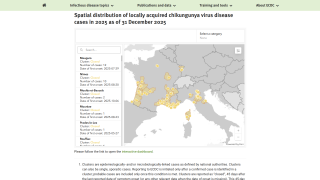
Since the re-emergence of the virus, the European Centre for Disease Prevention and Control has reported that Chikungunya has now been identified in over 110 countries. Between 2013 and 2023, more than 3.7 million cases were reported in the Americas.
Our Trust Standards: Medical Advisory Committee