Travel Vaccine Breaking News

Travel vaccine breaking news brought to you by Vax Before Travel.

Oct 27, 2023 • 4:21 pm CDT
CDC pneumonia, influenza, and COVID-19 weekly summary October 27, 2023

The U.S. National Center for Health Statistics (NCHS) Mortality Surveillance reported on October 27, 2023, that most respiratory disease deaths last week were related to pneumonia, not COVID-19 or influenza.

During week #42, the NCHS reported 1,379 pneumonia deaths, compared with 637 COVID-19 and 20 influenza.

While these diseases have U.S. FDA-approved vaccines available in 2023, preventing pneumonia deaths is more complicated, as viruses, bacteria, and fungi can all cause pneumonia.

According to the U.S. CDC, pneumonia is an infection of the lungs that can cause mild to severe illness in people of all ages.

Globally, pneumonia claimed the lives of 2.5 million people, including 672,000 children, in 2019 alone.

Vaccines can help prevent most pneumonia cases caused by pneumococcus bacteria, SARS-CoV-2, or influenza viruses.

These immunizations include

  • COVID-19
  • Haemophilus influenzae type b
  • Influenza
  • Measles
  • Pertussis
  • Pneumococcal
  • Respiratory syncytial virus
  • Varicella

According to the CDC, these immunizations are safe and may be coadministered. But side effects can occur which are usually mild and go away on their own within a few days.

These vaccines are generally available at health clinics and pharmacies in the U.S.

Note: The NCHS data presented on October 27, 2023, are preliminary and may change as more data are received and processed.

Medical Review by
Oct 27, 2023 • 1:26 pm CDT
from Pixabay

Moderna, Inc. recently announced that the first participant has been dosed in a Phase 3 study of the Company's combination vaccine candidate against influenza and COVID-19 (mRNA-1083) in the U.S.

As of October 24, 2023, the Phase 3 study is expected to enroll approximately 8,000 adults and will evaluate the immunogenicity, safety, and reactogenicity of mRNA‐1083 as compared with active control, co‐administered licensed influenza and SAR‐CoV‐2 vaccines in two independent age‐group sub‐study cohorts.

The mRNA-1083 candidate selected to advance to Phase 3 achieved hemagglutination inhibition antibody titers similar to or greater than those of both licensed quadrivalent influenza vaccines and SARS-CoV-2 neutralizing antibody titers similar to those of the Spikevax bivalent booster in the Phase 1/2 study.

mRNA‐1083 has the potential to efficiently reduce the overall burden of acute viral respiratory diseases by providing simultaneous protection against influenza and SARS‐CoV‐2 viruses in a single injection.

mRNA‐1083 offers greater convenience and has the potential to lead to increased compliance with vaccine recommendations.

This approach could benefit public health by synergistically increasing coverage rates against influenza and SARS‐CoV‐2 viruses.

The Company continues to target a potential initial regulatory approval for the combination vaccine in 2025.

Medical Review by
Oct 27, 2023 • 1:10 pm CDT
by Ben Kerckx

Araclon Biotech recently announced encouraging final results from its Phase 2 clinical trial of ABvac40, an active vaccine against the Aβ40 peptide, for treating patients with early-stage Alzheimer's disease (AD).

The results show that ABvac40 had a favorable safety profile, elicited a robust immune response against Aβ40, and demonstrated some potential cognitive benefits in early-stage AD patients.

The vaccine candidate met the primary endpoints and showed differences between the vaccine- and placebo-treated groups in some secondary exploratory endpoints.

ABvac40 is uniquely designed to target the C-terminal end of the Aβ40 peptide.

Thus, it is believed to prevent harmful reactions and avoid immune triggers responsible for meningoencephalitis, a complication observed in earlier AD vaccines.

Emerging research suggests that Αβ40 plays a role in cerebral amyloid angiopathy, a highly prevalent condition among the growing number of AD patients.

Notably, although the clinical trial was not powered for finding efficacy on neuropsychological scales, the ABvac40-treated group exhibited as much as a 38% reduction in disease progression, as reflected by the Mini-Mental State Examination score, suggesting ABvac40's potential efficacy in addressing the cognitive decline associated with AD.

Other neuropsychological tests, such as the Repeatable Battery for the Assessment of Neuropsychological Status and the Trial Making Test, showed favorable results on ABvac40 compared to the placebo group.

Global or functional scales did not show differences between the ABvac40 and placebo groups. In addition, volumetric magnetic resonance imaging showed a lesser increase in whole-brain atrophy in the ABvac40 group compared to the placebo group.

"We are pleased to report final positive results from the Phase 2 study of ABvac40, including a robust immune response with some significant reduction in disease progression, all with a favorable safety profile," said Jose Terencio, Ph.D., Araclon chief executive officer and vice president of Grifols Innovation and New Technologies, in a press release on October 25, 2023.

"Previous vaccines in development for AD faced setbacks due to harmful meningoencephalitis side effects."

"The results reported for ABvac40 to date validate its clinical potential, positioning it as a promising therapeutic candidate for early AD treatment. We look forward to evaluating the next steps for this program."

As of October 27, 2023, the U.S. FDA has not approved a vaccine targeting AD.

Medical Review by
Oct 26, 2023 • 11:25 am CDT
from Pixabay

Pfizer Inc. and BioNTech SE today announced positive topline results from a Phase 1/2 clinical study evaluating the safety, tolerability, and immunogenicity of mRNA-based combination vaccine candidates for influenza and COVID-19 among healthy adults.

The data from the trial showed that the companies' lead formulations demonstrated robust immune responses to influenza A, influenza B, and SARS-CoV-2 strains.

The topline results of the ongoing trial demonstrated that the combination formulations evaluated had a safety profile consistent with the safety profile of the companies' COVID-19 vaccine.

In the Phase 1/2 clinical trial, the vaccine candidates were compared to a licensed influenza vaccine and the companies' Omicron BA.4/BA.5-adapted bivalent COVID-19 vaccine given at the same visit.

A pivotal Phase 3 trial evaluating these lead formulations is expected to be initiated in the coming months.

"Studies of confirmed viral infections suggest that COVID-19 adopts a seasonal pattern with peaks in fall and winter, similar to other respiratory diseases. Co-infections and consecutive respiratory infection during this period can further increase the risk of severe illness," said Prof. Ugur Sahin, MD, CEO and Co-founder of BioNTech, in a press release on October 26, 2023. 

"Combination vaccines have the potential to become a mainstay of routine vaccination against respiratory diseases, especially for the vaccination of populations with a higher risk of severe illness."

Immunogenicity results induced by lead formulations in the companies' phase 1/2 trial showed point estimates for Geometric Mean Titer (GMT) ratios consistent with the criteria applied to regulatory-approved vaccines against the respective influenza and SARS-CoV-2 strains.

Point estimates for GMT ratios for all matched influenza vaccine strains with lead formulations were >1 relative to a licensed Quadrivalent Influenza Vaccine given concomitantly with the Pfizer-BioNTech COVID-19 vaccine.

Pfizer and BioNTech previously announced that their mRNA-based combination vaccine candidate for influenza and COVID-19 received Fast Track Designation from the U.S. Food and Drug Administration.

For the 2023-2024 flu season in the U.S., 136.94 million influenza vaccine doses had been distributed as of October 14, 2023.

Medical Review by
Oct 26, 2023 • 10:02 am CDT
by Consulta Fit

Bavarian Nordic A/S today announced the U.S. Centers for Disease Control and Prevention’s (CDC) Advisory Committee on Immunization Practices (ACIP) voted in favor of recommending the routine use of JYNNEOS® (MVA-BN®), the Company’s U.S. FDA-approved mpox / smallpox vaccine.

Specifically, the ACIP voted to recommend that individuals 18 years and older with certain risk factors receive the two-dose JYNNEOS regimen, a live, nonreplicating vaccine. 

Previously, the ACIP had recommended JYNNEOS for individuals at risk during a mpox outbreak.

This represents the second national recommendation for Bavarian Nordic’s mpox vaccine in adult risk groups following a similar endorsement by the Standing Committee for Vaccination in Germany in 2022.

More recently, the European AIDS Clinical Society also recommended using the vaccine for adults infected with HIV or on pre-exposure prophylaxis treatment, which may support additional national recommendations for future vaccine use.

“Since the outbreak of mpox last year (May 2022), Bavarian Nordic has supplied millions of doses of our vaccine to more than 70 countries worldwide,” said Paul Chaplin, President and CEO of Bavarian Nordic, in a press release on October 25, 2023.

The CDC estimates that 2 million U.S. individuals are eligible for a vaccination against mpox under this recommendation.

To date, approximately 23% of this group has received the recommended two doses of JYNNEOS, leaving a significant number of people vulnerable to infection with mpox.

The ACIP reported in October 2023 JYNNEOS Vaccine Effectiveness against mpox ranges from 36% to 75% for 1-dose vaccination and 66% to 89% for 2-dose vaccination.

Pending approval of the updated recommendations, Bavarian Nordic is targeting a commercial launch of JYNNEOS in the U.S. in the first half of 2024.

Medical Review by
Oct 26, 2023 • 9:43 am CDT
by Jorge Gonzalez

In a study published in The New England Journal of Medicine, clinicians and researchers show that passive immunization by administering plasma taken from convalescent donors after infection with the SARS-CoV-2 coronavirus to patients suffering from acute respiratory distress syndrome requiring artificial mechanical ventilation significantly reduced mortality by 10%.

The effect on reducing mortality was more specifically observed in patients who received convalescent plasma during the first 48 hours after being put on artificial respiratory assistance.

The randomized phase 2 clinical trial involved 17 intensive care units in Belgian hospitals. It included a total of 475 patients from October 2020 to March 2022. 

Thanks to the collaboration of the Belgian Red Cross and the laboratories of the KULeuven, UAntwerpen, and ULiège, the intensive care units of the study's partner hospitals were able to use convalescent plasma with high neutralizing antibody titres of 1/320 for 82.3% of patients and 1/160 for the remaining 17.7%.

"For the first time, we have demonstrated the therapeutic value of convalescent plasma in improving these patients' very poor vital prognosis. The reduction in mortality, of the order of 10%, is particularly noticeable in patients who were given convalescent plasma rapidly after the start of artificial respiratory ventilation", explains Dr. Benoît Misset, head of the intensive care unit at the CHU of Liège and Assistant Professor at the Faculty of Medicine at the University of Liège, who is responsible for and first author of this study.

"This study documents and confirms the value of convalescent plasma for passive immunization, but also against possible pathogenic variants and possibly in the event of future pandemics," wrote these researchers on October 25, 2023.

Medical Review by
Oct 25, 2023 • 11:59 am CDT
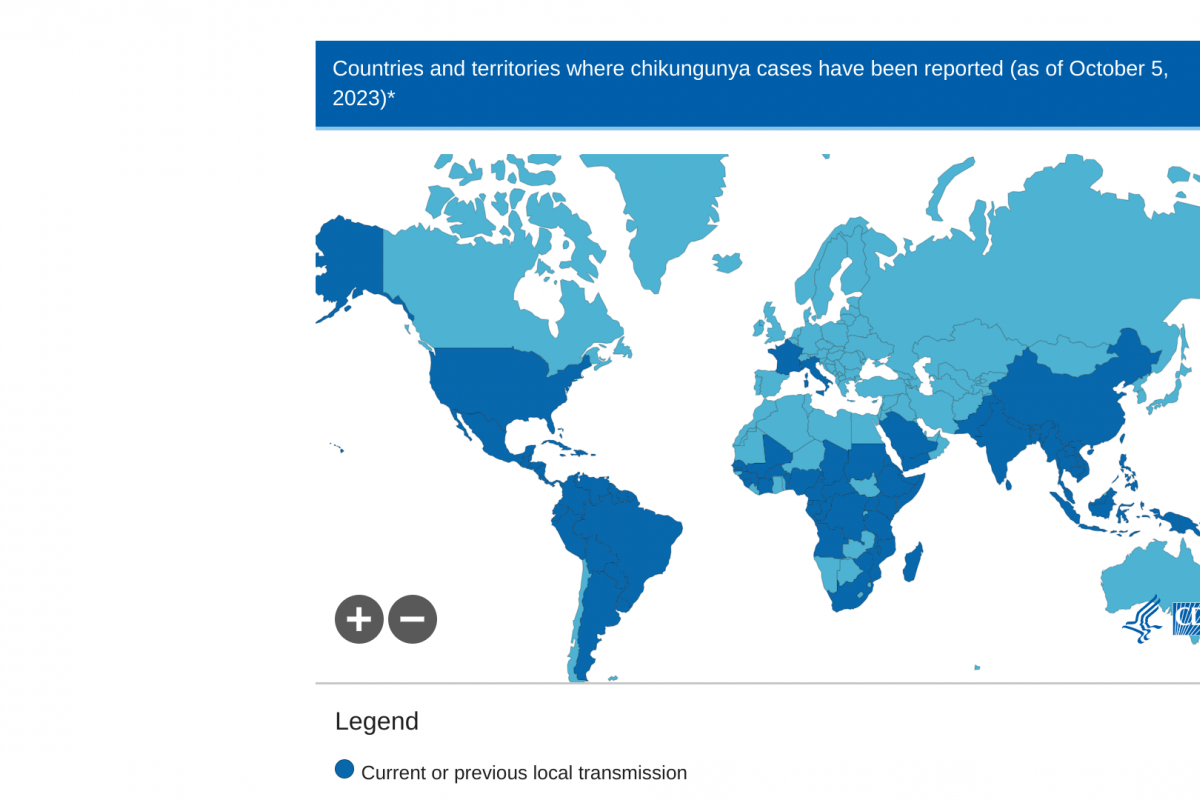
US CDC Chikungunya case map October 2023

Valneva SE today announces the submission of a marketing application with the European Medicines Agency (EMA) for approval of the Company's single-shot chikungunya vaccine candidate, VLA1553.

According to Valneva's press release on October 25, 2023, VLA1553 was also granted accelerated assessment for the application by EMA's Committee for Medicinal Products for Human Use based on the vaccine candidate's "major interest for public health and therapeutic innovation."

If approved in Europe, VLA1553 could become the first licensed chikungunya virus (CHIKV) vaccine to address this unmet medical need.

As of August 2023, approximately 320,000 CHIKV cases and over 340 related deaths have been reported worldwide by the European Centre for Disease Prevention and Control (ECDC). 

VLA1553 is currently the first and only chikungunya vaccine candidate worldwide for which regulatory review processes are underway.

A Biologic License Application (BLA) is currently under priority review by the U.S. Food and Drug Administration, with a Prescription Drug User Fee Act action date planned for the end of 2023.

Additionally, a marketing application is under review by Health Canada.

Juan Carlos Jaramillo, MD, Chief Medical Officer of Valneva, commented, "Chikungunya virus is a serious and debilitating mosquito-borne viral infection that poses a significant unmet need, and the risk of chikungunya spreading in Europe is relatively high due to the possibility of infected travelers."

"No vaccine or specific treatments are currently available for this debilitating disease. We will continue to work diligently to bring VLA1553 to different territories as soon as possible."

Additionally, other CHIKV vaccine candidates are conducting clinical trials in 2023.

During 2023, chikungunya outbreaks were primarily found in Africa, the Americas, Asia, Brazil, and the Indian subcontinent. In January 2023, the U.S. Centers for Disease Control and Prevention reported 81 travel-associated CHIKV cases in the U.S. in 2022.

Medical Review by
Oct 25, 2023 • 10:01 am CDT
by John R Perry

GSK plc today announced positive preliminary results from its phase III clinical trial evaluating the immune response and safety of the AREXVY™ respiratory syncytial virus (RSV) vaccine in adults aged 50 to 59, including those at increased risk of RSV lower respiratory tract disease (LRTD) due to certain underlying medical conditions.

In this study, the vaccine elicited an immune response in adults aged 50 to 59 at increased risk for RSV disease due to select underlying medical conditions that were non-inferior to that observed in adults aged 60 and above, meeting the trial's primary co-endpoint.

Vaccine efficacy has previously been demonstrated in adults aged 60 and above.

The co-primary endpoint was also met for the broader group of adults aged 50 to 59 also enrolled in the trial. Safety and reactogenicity data were consistent with results from the initial phase III program.

The most common local adverse event was pain, and the most common systematic adverse events were fatigue and headache, most of which were transient and mild in intensity.

These results will be presented at the US Centers for Disease Control and Prevention's Advisory Committee on Immunization Practices meeting on October 25, 2023.

AREXVY is currently approved in the United States, Europe, Japan, and several other countries for active immunization for the prevention of RSV-LRTD in adults 60 years of age and older. 

AREXVY recombinant, AS01E adjuvanted, single dose, RSV vaccine contains a recombinant subunit pre-fusion RSV glycoprotein antigen (RSVPreF3) combined with GSK's proprietary ASO1 adjuvant. 

Tony Wood, Chief Scientific Officer, GSK, said in a press release on October 25, 2023, "This trial reinforces our confidence in our RSV vaccine's ability to help protect adults aged 50 to 59 at increased risk for RSV-LRTD."

"We will submit these data for regulatory review as quickly as possible with the goal of offering adults in this age group the option of a vaccine for the first time."

There is a substantial burden of RSV-associated illness for adults at increased risk for RSV disease due to advanced age, immunocompromised status, or underlying medical conditions, such as chronic obstructive pulmonary disease, asthma, and chronic heart failure. RSV can exacerbate these conditions and lead to pneumonia, hospitalization, or death.

The final results from this trial will be presented at an upcoming medical conference and submitted for peer-reviewed publication. The data will also be submitted to the US Food and Drug Administration and other regulators to support potential label expansions.

Medical Review by
Oct 25, 2023 • 5:22 am CDT
Jay Evans, director of the UM center

The National Institutes of Health recently awarded a $12.3 million contract to the University of Montana to develop a novel adjuvant for tuberculosis (TB) vaccine.

Adjuvants are integrated into numerous vaccines and are substances that boost their effectiveness.

The current leader in TB prevention is the 100-year-old Bacille Calmette-Guerin (BCG), whose various versions are used globally.

Merck's TICE® BCG vaccine is available in the U.S. 

"The development and clinical evaluation of safe and effective adjuvants is urgently needed for the advancement of vaccines to combat the ongoing threat of bacterial and fungal infections, including tuberculosis, pertussis, and others," said Jay Evans, director of the UM center, in a press release on October 23, 2023.

Evans commented vaccine development for TB and other bacterial and fungal pathogens has been hampered by the lack of appropriate adjuvants and effective formulations.

"There is extraordinary research ongoing at UM that could positively impact the lives of countless people," Evans said. "Our Vaccine Research Team is dedicated to nurturing and cultivating an interactive research community at UM, specifically geared toward advancing these technologies to help individuals and communities in Montana and across the globe."

Drs. Evans and Walid Abdelwahab, along with their colleagues, are the co-principal investigators on the contract. The project includes researchers from the University of Chicago (Dr. Shabaana Khadar), the Texas Biomedical Research Institute (Dr. Smriti Mehra), and Missoula-based Inimmune Corp., a corporate development partner.

This new contract builds upon a recently completed $13 million NIH Adjuvant Discovery Contract, which identified the lead candidate being advanced toward human clinical trials in the current award.

According to the World Health Organization (WHO), 1.6 million people died from TB in 2021. Worldwide, TB outbreaks are the 13th leading cause of death. 

In 2020, almost two-thirds of TB cases in children worldwide were either not reported or went undiagnosed and untreated, according to the WHO.

Certain cities have recently reported increases in TB cases in the United States.

The U.S. CDC reported in March 2023 that TB cases increased by 5% in 2022, with 60 U.S. states, the District of Columbia, and territories provisionally reporting 8,300 TB cases. 

Medical Review by
Oct 24, 2023 • 1:21 pm CDT
from Pixabay

The Federal Republic of Nigeria today announced the introduction of the human papillomavirus (HPV) vaccine into its routine immunization system.

The west African country of Nigeria aims to reach 7.7 million girls aged 9–14 in a vaccination drive against HPV types 16 and 18 that cause most cervical cancer cases. 

As of October 24, 2023, this is the most significant number in a single round of HPV vaccination in the African region. 

The second phase of the vaccination introduction is set to start in May 2024.

"The loss of about 8,000 Nigerian women yearly from a preventable (sexually transmitted) disease is completely unacceptable," says Muhammad Ali Pate, the Coordinating Minister of Health & Social Welfare, in a related press release.

A five-day mass vaccination campaign in schools and communities will be carried out during the inaugural rollout in 16 Nigerian states and the Federal Capital Territory.

The Federal Ministry of Health provides the vaccine for free through the National Primary Health Care Development Agency with support from Gavi, the Vaccine Alliance, United Nations Children's Fund (UNICEF), World Health Organization (WHO), and other partners.  

WHO recommends that HPV vaccination be included in the national immunization programs of countries where cervical cancer is a public health priority and its cost-effective and sustainable implementation is feasible.

The Lancet Oncology reported in September 2023 that African countries are home to 19 of 20 countries with the highest burden of cervical cancer. 

However, global supply shortages have slowed Gavi-supported HPV vaccine introductions.

These supply issues are now easing thanks to years of market-shaping efforts to develop a more robust HPV vaccine market and the single dose recommendation.

The Gavi board recently approved revitalizing its HPV vaccine program with an investment of over US$ 600 million by the end of 2025. With the additional funding, Gavi and its partners have set an ambitious goal to reach over 86 million girls by 2025, aiming to avert over 1.4 million future deaths from cervical cancer.

The WHO currently supports a one-dose regimen of the HPV vaccine for certain people.

The WHO's vaccine advisors recommend updating HPV dose schedules as follows: one or two-dose program for the primary target of girls aged 9-14, one or two-dose plan for young women aged 15-20, two doses with a 6-month interval for women older than 21, and immunocompromised individuals, including those with HIV, should receive three doses if feasible. 

As of October 2023, there are effective HPV vaccines that protect men and women against cancers caused by HPV. These approved vaccines include 9vHPV, 4vHPV, and/or 2vHPV.

Medical Review by
Oct 24, 2023 • 11:58 am CDT
by Pete Linforth

While two approved dengue vaccines are in use today, an innovative vaccine candidate was awarded $5.88 million to support activities to advance it into the clinic.

Codagenix Inc. announced on October 24, 2023, that the U.S. Department of Defense (DoD) awarded the Company $5,880,000 to advance the development of its CodaVax-DENV, a tetravalent live-attenuated dengue vaccine program.

The funds will support good manufacturing practices of drug substances and tetravalent drug product for a Phase 1 study, as well as a first-in-human Phase 1 safety and immunogenicity clinical trial.

This new award complements a $4.4 million DoD grant issued in 2022.

Codagenix's rational vaccine design platform is well-positioned to create a safe and effective dengue vaccine since its codon deoptimization process has the potential to provide immunity against all four dengue serotypes in a tetravalent formulation without the use of a backbone virus.

In addition to CodaVax-DENV, several dengue vaccine candidates are conducting clinical trials in 2023.

"We are honored to be selected for this award and would like to thank the DoD for their continued support, which is a recognition of the advantages of CodaVax-DENV, including codon deoptimization, homologous DENV 1, 2, 3, 4 strains, and the ability to titrate attenuation to develop balanced immunity," commented Jeffrey Fu, Ph.D., Chief Business Officer of Codagenix, in a related press release.

"These qualities uniquely position CodaVax-DENV to address the unmet needs in dengue prevention."

Dengue is a mosquito-borne viral infection, with over 2.4 billion people living in dengue-endemic areas worldwide; it is a leading cause of serious illness in several Latin American and Asian countries in 2023.

To alert international travelers of this health risk, the U.S. CDC recently issued Travel Health Notices regarding dengue outbreaks in the Americas  (September 25, 2023), Africa/Middle East (October 18, 2023), Costa Rica, and Asia/Pacific Islands (July 25, 2023). 

In the United States, Puerto Rico and Florida have reported the most dengue outbreaks in 2023.

Medical Review by
Oct 24, 2023 • 4:57 am CDT
by Mircea P.

The number of new HIV infections remains unacceptably high, and urgent new approaches are needed to advance HIV vaccine science. However, developing a preventive HIV vaccine has proven to be an intractable scientific challenge, wrote Prof Alexandra Trkola, PhD, and Prof Penny L Moore, PhD, in an article published by The Lancet Infectious Diseases.

This view was published on October 23, 2023, and stated, 'Recent advances in HIV immunogen design have taken the field closer to triggering the rare precursors of broadly neutralizing antibodies, which are widely assumed to be necessary for a vaccine.

Nonetheless, these same studies and previous studies in people living with HIV have also highlighted the significant hurdles that must be overcome to boost the cross-reactivity and potency of these responses to sufficient levels.

Here, we describe an opportunity for fast-tracking the evaluation of candidate preventive and therapeutic vaccines by immunizing people with HIV who are antiretroviral therapy suppressed.

We argue that such studies, unlike traditional studies of vaccines in participants not infected with HIV, will be faster and more informative and will allow the vaccine field to bypass multiple hurdles.

This approach will accelerate the process of defining the capacity of immunogens to trigger relevant antibodies, currently an extremely slow and expensive pathway, and provide a quick path to creating an HIV vaccine.'

The full, unedited article is posted at this link.

Following the discovery of HIV as a causative agent of AIDS, multiple HIV vaccine clinical trials have been conducted globally over the past 35 years. As of October 24, 2923, there are several HIV vaccine candidates conducting research. 

According to the U.S. National Institutes of Health, HIV vaccine candidates can not cause an HIV infection. 

Medical Review by
Oct 23, 2023 • 7:48 pm CDT
From Pixabay

The U.S. Centers for Disease Control and Prevention (CDC) today announced the Health Alert Network Health Advisory (CDCHAN-00499) that offers options for clinicians to protect infants from respiratory syncytial virus (RSV) in the context of a limited supply of Beyfortus™ (nirsevimab), a single-dose, long-acting monoclonal antibody product.

In July 2023, the U.S. Food and Drug Administration (FDA) approved Beyfortus for passive immunization to prevent RSV-associated lower respiratory tract disease among infants and young children.

For the 2023–2024 RSV season, the manufacturer reports a limited supply of Beyfortus, particularly the 100mg dose prefilled syringes used for infants weighing ≥5 kg.

Based on manufacturing capacity and currently available stock, the CDC says there are insufficient 100mg dose prefilled syringes of Beyfortus to protect all eligible infants weighing ≥5 kg during the current RSV season.

In the context of limited supply during the 2023–2024 RSV season, CDC recommends prioritizing available Beyfortus 100mg doses for infants at the highest risk for severe RSV disease: young infants (age <6 months) and infants with underlying conditions that place them at highest risk for severe RSV disease.

As of October 23, 2023, the CDC's recommendations for using 50mg doses remain unchanged.

Avoid using two 50mg doses for infants weighing ≥5 kilograms (≥11 pounds) to preserve supply of 50mg doses for infants weighing <5 kilograms (<11 pounds). 

The CDC further recommends that providers suspend using the single-dose Beyfortus in the multidose Synagis® (palivizumab)-eligible children aged 8–19 months for the 2023–2024 RSV season.

These children should receive the multidose Synagis per the American Academy of Pediatrics recommendations.

Synagis was initially approved by the U.S. FDA in 1998.

However, Beyfortus should continue to be offered to American Indian and Alaska Native children aged 8–19 months who are not palivizumab-eligible and who live in remote regions, where transporting children with severe RSV for escalation of medical care is more challenging or in communities with known high rates of RSV among older infants and toddlers.

RSV is a common cause of respiratory infection in U.S. infants, most of whom are infected with RSV during their first year of life. RSV is the leading cause of hospitalization among U.S. infants.

The highest incidence of RSV-associated hospitalization occurs in infants aged <3 months and then decreases with time.

The Journal of Infectious Diseases published a meta-analysis in October 2023 that found among 8,126 pregnant women, the proportion with respiratory infections that tested positive for RSV ranged from 0.9% to 10.7%, with a meta-estimate of 3.4% (95% CI: 1.9; 54).

As of October 9, 2023, RSV activity was found to be generally low, according to the WHO's Influenza Update N° 455.

Current reports to the National Respiratory and Enteric Virus Surveillance System indicate RSV transmission has increased to seasonal epidemic levels in the Southern regions, such as in Florida, and is expected to continue to increase in the rest of the country within the next few months.

The CDC's RSV detection graphs display the 5-week moving average in U.S. states as of October 19, 2023. 

These interim recommendations by the CDC are subject to change as new evidence becomes available.

Medical Review by
Oct 22, 2023 • 4:46 pm CDT
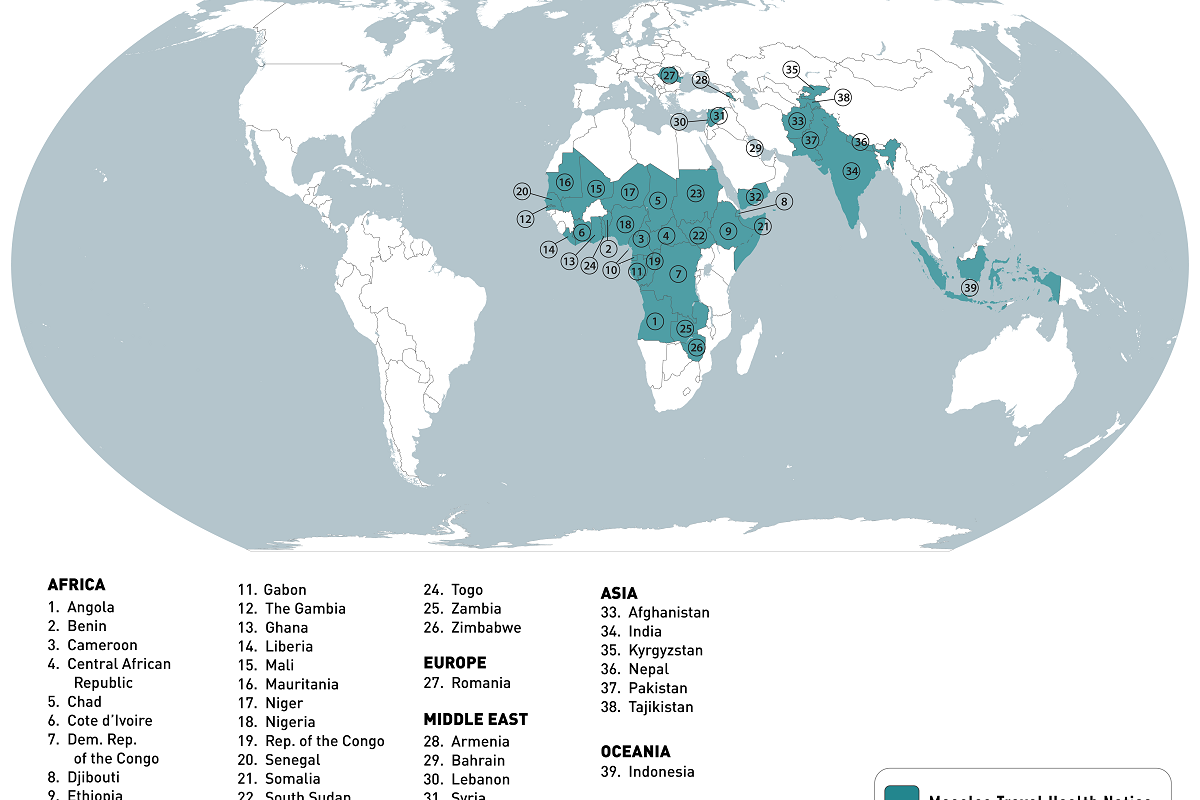
US CDC measles outbreaks map Sept. 13, 2023

Health experts recently warned of additional measles outbreaks occurring in 2023 after measles cases increased by about 80% worldwide last year.

Since measles is a very contagious virus, the threat to the United States continues to be closely monitored. 

Recently, the Illinois Department of Public Health (IDPH) reported a suspected case of measles was confirmed by Cook County Department of Public Health to IDPH. 

This unvaccinated individual was exposed to the measles virus internationally, and the infectious period would be between October 5 through October 13, 2023. IDPH says people can spread measles up to four days before and four days after a rash appears.

Before this case, the last measles case in Illinois was identified in 2019, when 9 cases were confirmed.

"This first reported case of measles in Illinois since 2019 is a reminder that this disease can be prevented with up-to-date vaccination," said IDPH Director Dr. Sameer Vohra in a press release.

"Two doses of measles vaccine are 97% effective in preventing measles. However, as we saw this week, it still can affect unvaccinated people."

"I urge everyone to make sure they and their family members are up-to-date on measles/mumps/rubella (MMR) vaccine and all other age-appropriate immunizations."

Measles is easily spread through the air when someone coughs or sneezes. People can also get sick when they come in contact with mucus or saliva from an infected person. Measles can cause serious complications such as pneumonia and encephalitis.  

In the U.S., the Centers for Disease Control and Prevention (CDC) reported 29 measles cases in 16 jurisdictions.

Internationally, the CDC listed the Top 10 Countries with Global Measles Outbreaks as of October 19, 2023. India, with 36,154 cases, and Yemen, with 28,271, lead this list.

 To alert international travelers, the CDC published an updated list of measles outbreak countries, travel vaccine recommendations, and issued a Level 1 - Practice Usual Precautions, Travel Health Advisory in September 2023.

Medical Review by
Oct 22, 2023 • 10:15 am CDT
by Alexandr Ivanov

Pfizer Inc. recently announced that the U.S. Food and Drug Administration (FDA) approved PENBRAYA™, the first and only pentavalent vaccine that provides coverage against the most common serogroups causing meningococcal disease in adolescents and young adults 10 through 25 years of age.

PENBRAYA combines the components from two meningococcal vaccines, Trumenba® (meningococcal group B vaccine) and Nimenrix® (meningococcal groups A, C, W-135, and Y conjugate vaccine), to help protect against the five most common meningococcal serogroups that cause the majority of invasive meningococcal disease (IMD).

The FDA's decision is based on the positive results from the Phase 2 and Phase 3 trials, including a randomized, active-controlled, and observer-blinded Phase 3 trial assessing the safety, tolerability, and immunogenicity of the pentavalent vaccine candidate compared to currently U.S. licensed meningococcal vaccines, to determine immunologic noninferiority.

"Nearly 9 out of 10 adolescents have incomplete protection against IMD caused by the leading serogroups," said Jana Shaw, MD, Pediatrics Infectious Disease Specialist, Upstate Golisano Children's Hospital in Syracuse, NY, in a Pfizer press release on October 20, 2023.

"For the first time, we have a single vaccine that helps protect against the five most common serogroups and has the potential to improve coverage and increase protection among adolescents and young adults."

Meningococcal disease is an uncommon but serious illness that can lead to death within 24 hours and, for survivors, can result in life-altering, significant long-term disabilities.

The U.S. CDC Advisory Committee on Immunization Practices is scheduled to meet on October 25, 2023, to discuss recommendations for the appropriate use of PENBRAYA in adolescents and young adults and other vaccines.

Various meningococcal vaccines are approved by the CDC in 2023.

Medical Review by