Over $900 Million Funds Advance Defenses Against Approaching New World Screwworms

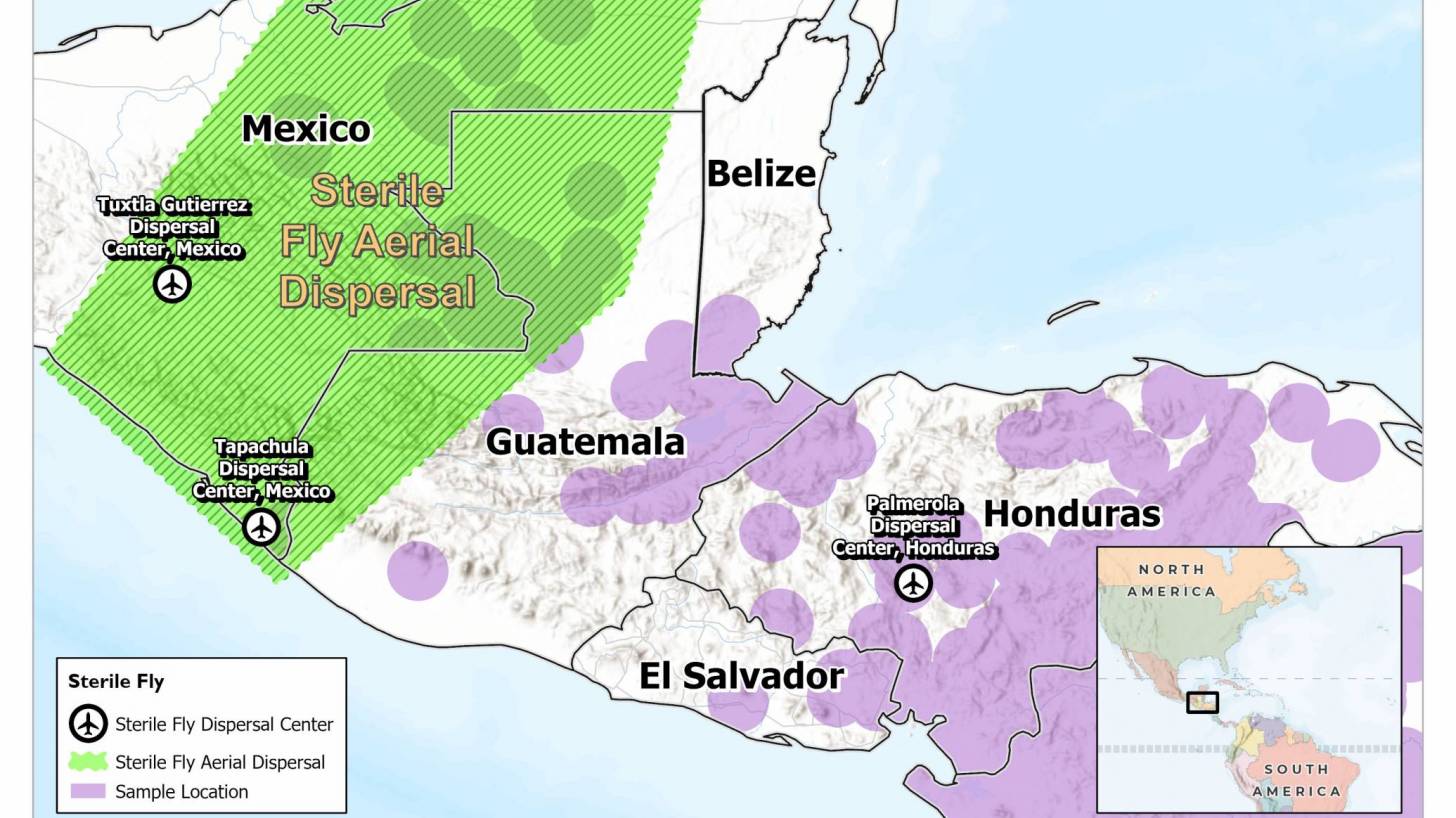
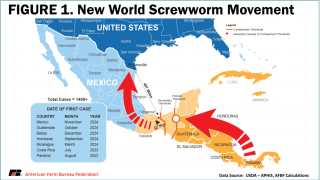
When the U.S. CDC announced the resurgence of New World Screwworm (NWS) in the Americas in October 2024, the flies that produce larvae that feed on living tissue were still thousands of miles away from the United States border.
However, the situation has rapidly changed in 2025, with the the CDC and the USDA confirming the detection of NWS in northern Mexico.
NWS is a significant threat to Texas, the largest cattle-producing state.
According to the Cattle Association, a screwworm outbreak could cost Texas over $1 billion in annual damages to livestock.
To protect ranchers in the U.S., the USDA recently halted imports of Mexican cattle.
To combat this serious health threat to cattle and humans in the United States, the federal government today announced new initiatives funded with about $900 million.
U.S. Secretary of Agriculture Brooke L. Rollins joined Texas Governor Greg Abbott, announcing additional "plans to fight back against threats posed by the New World screwworm."
In June 2025, the USDA launched an $8.5 million sterile NWS fly dispersal facility in South Texas: today, Sec. Rollins announced an additional $700 million to support this facility.
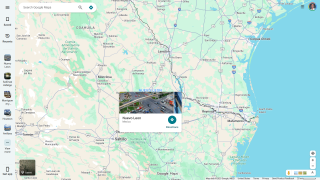
Sterile NWS flies are a proven tool for eradicating the pest. The USDA is constructing a sterile insect dispersal facility at Moore Air Base, scheduled for completion in 2025. This facility will have the capability to disperse sterile flies in Northern Mexico.
Furthermore, the USDA will spend another $100 million on technologies to combat screwworm, Rollins stated during today's press conference in Austin, TX.
"Proactive measures like this dispersal facility are a critical step to ensure our state and nation are prepared to respond swiftly and effectively to this challenge. We will continue to work with our federal partners to eliminate this threat," said Governor Abbott.
One prevention tool is unavailable in 2025.
U.S. FDA-approved vaccines targeting NWS are not authorized for people. However, a cattle vaccine is currently in development that kills screwworm larvae.
Our Trust Standards: Medical Advisory Committee