Texas Preps Plans for New World Screwworm Incursion

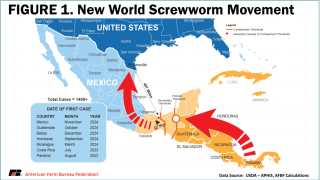
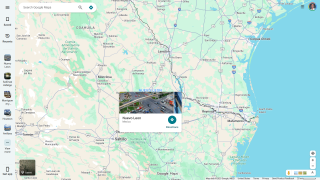
Since Mexico's National Service of Agro-Alimentary Health, Safety, and Quality confirmed a positive detection of New World screwworm (NWS) in a cow in Sabinas Hidalgo, Nuevo León, Mexico, about 70 miles from the U.S.-Mexico border, health agencies in the United States have been on the alert.
The Animal and Plant Health Inspection Service (APHIS) of the United States Department of Agriculture (USDA) has recently released the NWS Response Playbook. This playbook provides essential strategies, resources, and tools for conducting animal health response activities in the event of a detection of NWS in the United States.
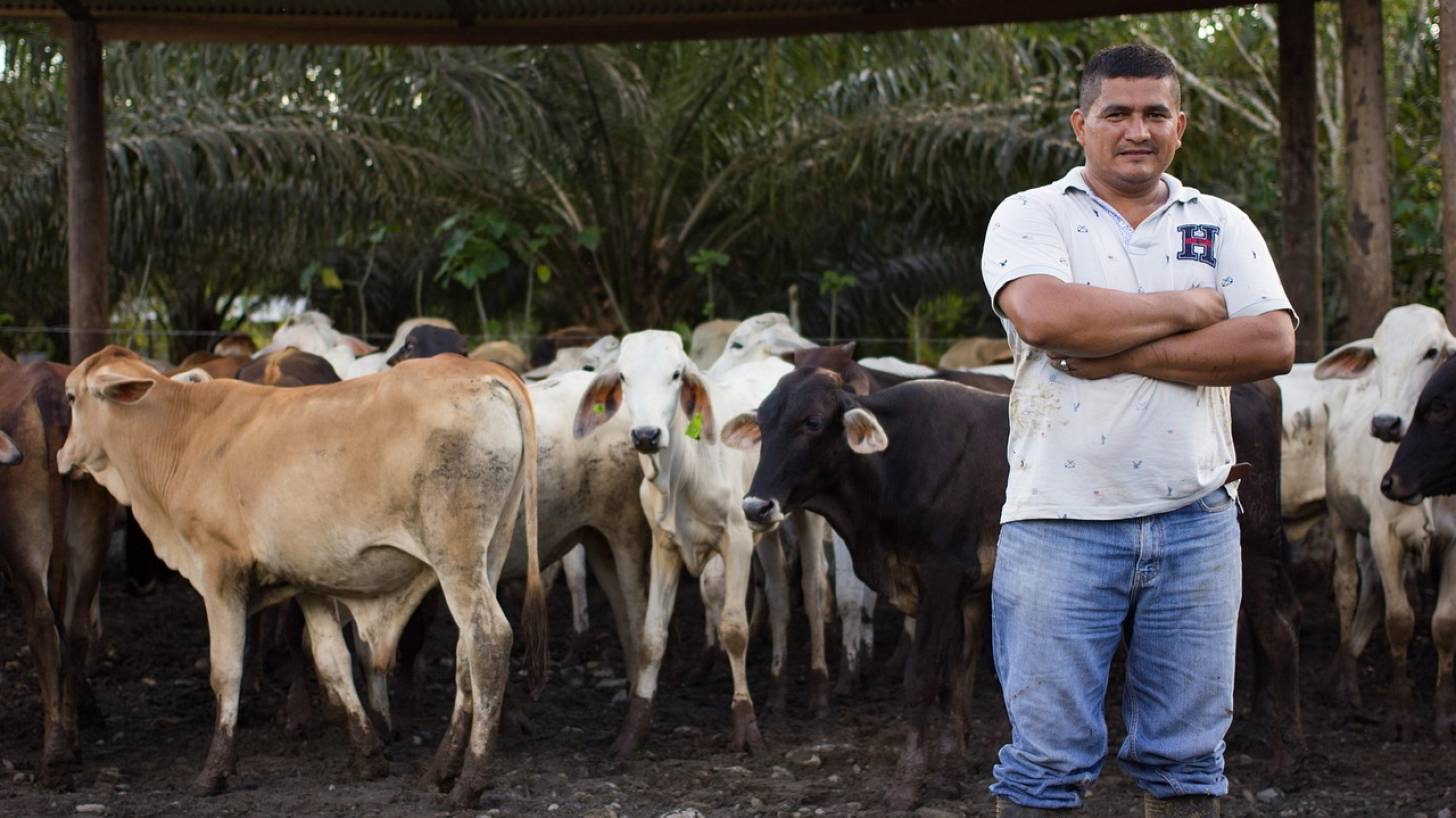
APHIS urges residents on the southern border to check their pets and livestock for signs of NWS. Look for draining or enlarging wounds and signs of discomfort.
Also look for screwworm larvae (maggots) and eggs in or around body openings, such as the nose, ears, and genitalia, or the navel of newborn animals. NWS maggots most often enter an animal through an open wound and feed on the animal's living flesh.
If you suspect your animal is infected with screwworm, contact your state animal health official or APHIS area veterinarian immediately.
The USDA says that while not common in people, if you notice a suspicious lesion on your body or suspect you may have contracted screwworm, seek immediate medical attention.
"USDA continues to execute our five-pronged plan to keep NWS out of the United States," said U.S. Secretary of Agriculture Brooke L. Rollins, in a press release on October 17, 2025
"While we continue to protect the U.S. border aggressively and are working with Mexico to stop the pest from continuing to spread further north, we also have to ensure our domestic response plans are ready to activate if needed."
APHIS is posting the draft playbook to the NWS Foreign Animal Disease Preparedness and Response website. It will continue to gather feedback from States and Industry to help ensure operational usability and alignment with field practices. This playbook, along with the accompanying preparedness materials, is a living, dynamic document.
Feedback and suggestions can be provided to [email protected].
Separately, the Texas Parks and Wildlife Department (TPWD) says if you see live animals with maggots, report it to your local biologist. Early detection is crucial to the implementation of management actions and the eradication of NWS.
As of October 19, 2025, no recent human or animal cases have been identified in Texas.
Still, clinicians should remain vigilant when seeing patients who have traveled in areas where the fly is present and report all suspected NWS cases to their local health department immediately, says the Texas Department of State Health Services.
This advice is essential as the Mexican government published a report for Epidemiological Week 39, indicating over 50 people in Mexico have been diagnosed with NWS this year.
Currently, there are no vaccines that protect people from NWS disease.
Our Trust Standards: Medical Advisory Committee
-
Fact checked by Robert Carlson, MD