Sterile Fly Dispersal Facility To Defend the USA from New World Screwworm Incursion

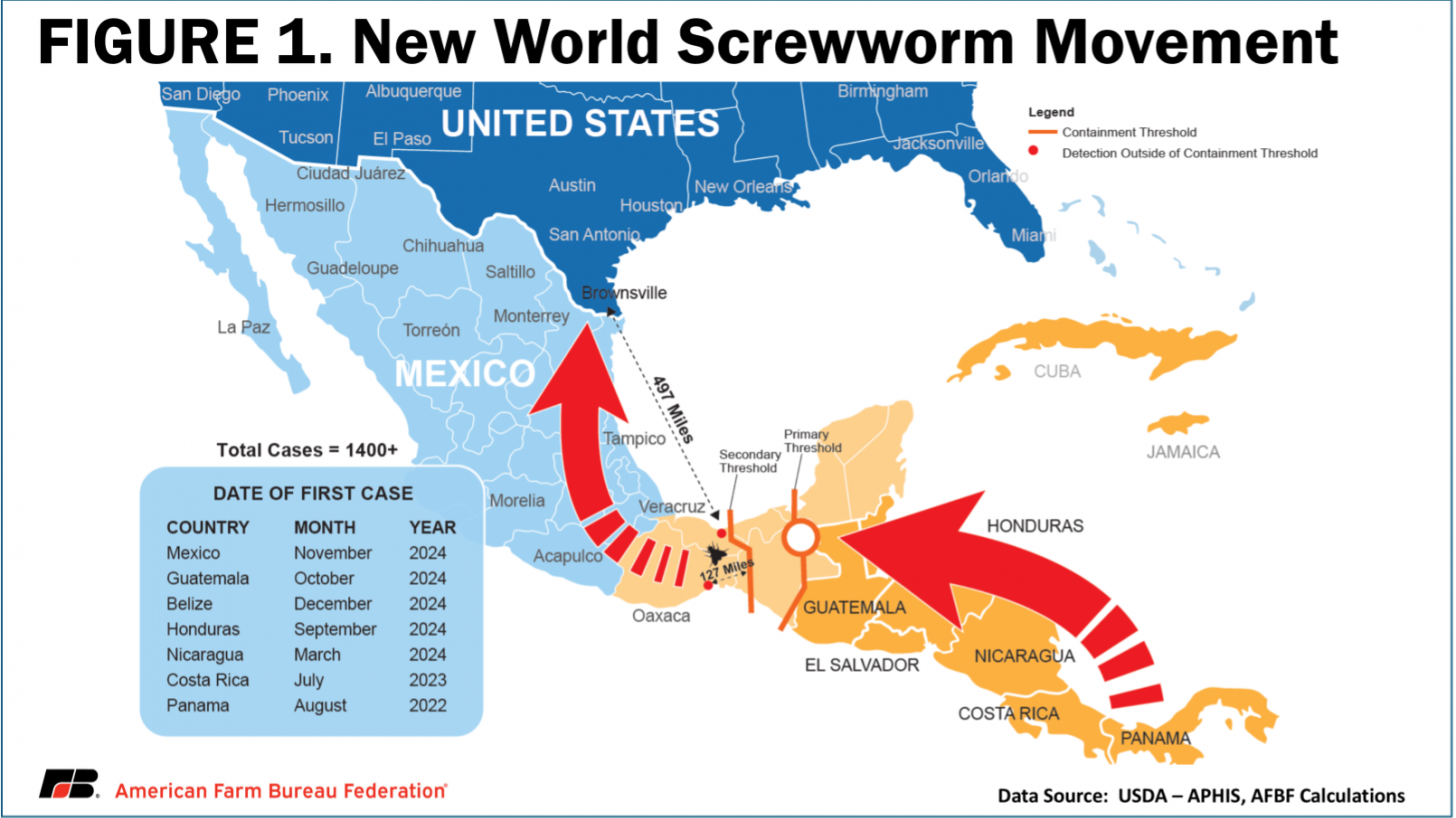
As the northern approach of the New World screwworm (NWS) in Mexico raises public health alerts, the United States is taking additional actions to protect its people and animals.
Although Mexico continues to report new cases of NWS, the overwhelming majority remain in the far southern part of the country.
NWS is a fly that has become endemic to Cuba, Haiti, the Dominican Republic, and in South America.
The U.S. Department of Agriculture (USDA) recently announced the next milestone in the fight against NWS, the opening of a sterile fly dispersal facility in Tampico, Mexico. Mass production and targeted dispersal of sterile flies remain critical components of the U.S. response.
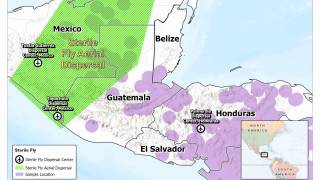
This facility will allow USDA to disperse sterile flies by aerial release across northeastern Mexico, including Nuevo Leon.
There are two methods for dispersing sterile insects: aerial dispersal and ground-release chambers.
Aerial operations are preferred because they allow for dispersal at a steady rate through a large area, and also because sterile insects may be dispersed in the regions that are unreachable from the ground.
Ground release chambers are used when there's a need to deploy sterile insects outside of the dispersal facility range quickly.
U.S. Secretary of Agriculture Brooke L. Rollins commented in a press release on November 13, 2025, "Stopping the spread of screwworm is a top priority for the entire Trump Administration."
The USDA continues to release 100 million sterile flies per week in Mexico. Still, until now, aerial operations have been limited to southern Mexico, necessitating the use of ground-release chambers in more northern areas of the country.
USDA produces sterile flies for dispersal at the COPEG facility in Panama.
The USDA is also investing $21 million to support Mexico's renovation of an existing fruit fly facility in Metapa, which will double NWS production capacity once complete. With ongoing support from APHIS technical experts, Mexico anticipates this sterile fly production to begin as soon as summer 2026.
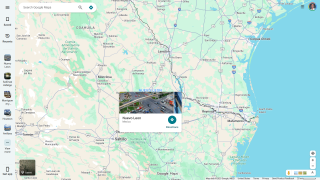
To expand our domestic response capacity, USDA has also begun construction of a sterile fly dispersal facility at Moore Air Base in Edinburg, TX, which is projected to start operating in early 2026.
APHIS is also expediting the design and construction of a sterile fly production facility in Southern Texas, with a targeted maximum capacity of 300 million sterile flies per week.
USDA continues to work with Mexico's agriculture authority, SENASICA, to implement the collaborative NWS Action Plan and guide trapping, surveillance, and movement protocols to help stop the northward spread of NWS.
As of November 14, 2025, the U.S. government has not authorized a vaccine to protect people from NWS infection.
Our Trust Standards: Medical Advisory Committee
-
Fact checked by Robert Carlson, MD