Will Sterile Flies Protect Texas From New World Screwworms

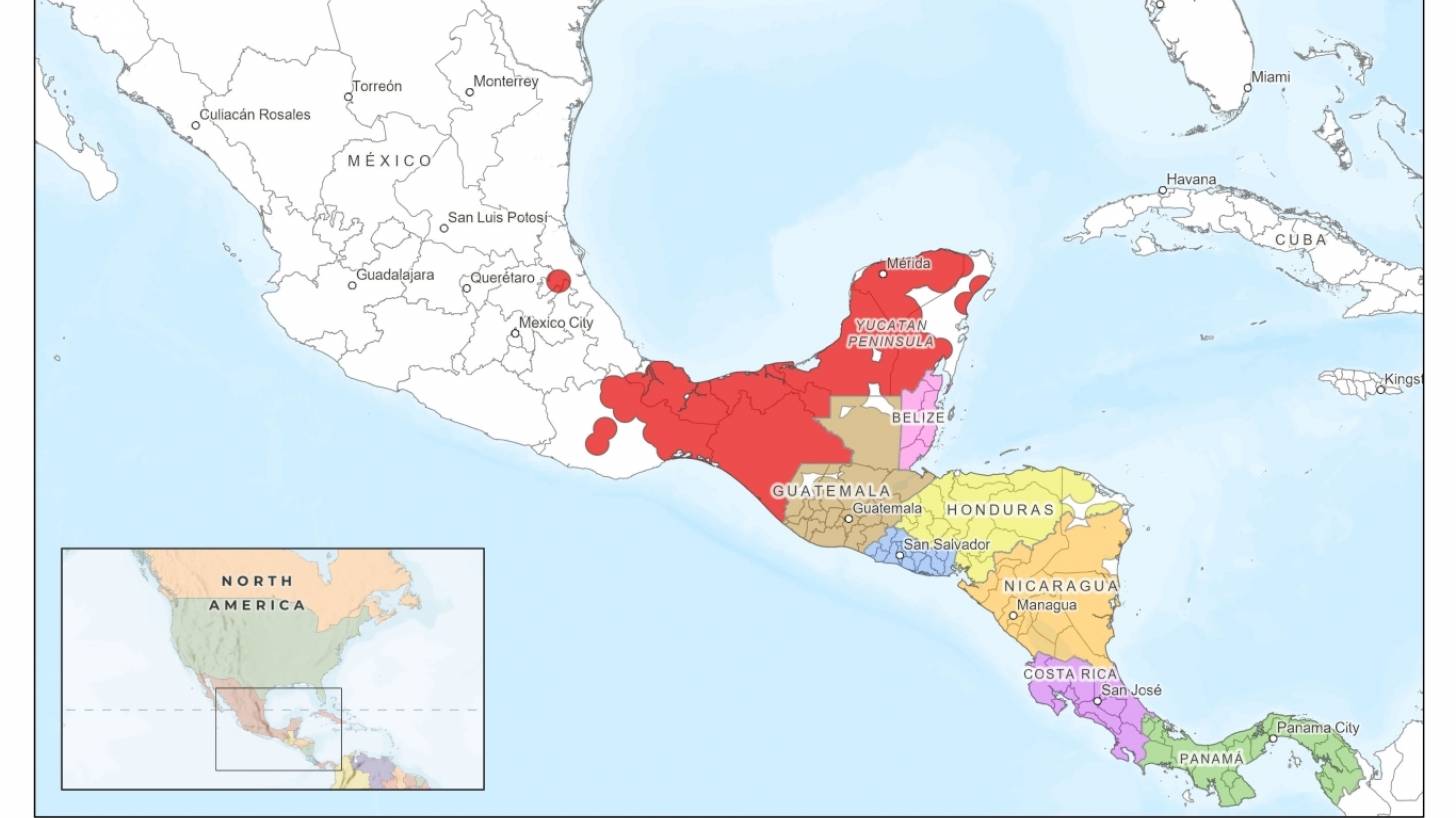
Since 2006, the U.S. Animal and Plant Health Inspection Service (APHIS) has been collaborating with Panama to establish a barrier zone to prevent the northward spread of New World Screwworms (NWS) in Central and North America.
However, in the past two years, the screwworm has spread beyond the barrier, affecting eastern Panama and reaching Costa Rica, Nicaragua, Honduras, and Guatemala.
And in mid-2025, NWS reached central Mexico.
APHIS says this increase can be attributed to several factors, including the introduction of new farming areas in regions that were previously part of the barrier and an increase in cattle movements into the area.
In early July 2025, Mexico (SENASICA) reported a new case of NWS in Ixhuatlan de Madero, Veracruz, Mexico, which is approximately 370 miles south of the U.S./Mexico border.
To combat new NWS detections in Central America and Mexico to keep the pest from spreading into North America, APHIS is investing $109.8 million.
To combat this, APHIS is releasing sterile flies dispersal centers in Mexico.
APHIS maintains the only NWS pupae sterilization facility in North America. The facility is managed and funded jointly by the USDA and others.
Located in Pacora, Panama, this facility produces, sterilizes, and releases NWS in the region. For maintenance of the biological barrier, the facility produces 20 million pupae with the capacity to increase to 100 million pupae per week during an outbreak, if required.
APHIS recently wrote, 'By adjusting dispersal locations, we ensure the greatest number of sterile flies are released in the critical areas. While sterile fly dispersal will shift north, APHIS remains committed to support on-the-ground outbreak response activities, including surveillance, animal health outreach, and early detection efforts.'
In addition to these efforts, the Texas Department of Agriculture is developing a new fly trap attractant, livestock food additive, and a cattle vaccine to help combat the NWS.
Texas Agriculture Commissioner Sid Miller announced in a news release on August 8, 2025, that the new prevention tools include Swormlure traps, livestock Ivermectin feed additives, and a cattle vaccine that kills screwworm larvae.
Additionally, mounted patrol inspectors—known informally as Tick Riders—are patrolling the southern U.S. border from Brownsville to Del Rio, Texas. Their mission: protect U.S. cattle from disease.
With the detection of NWS in Mexico, staff are applying NWS-preventative treatments to captured animals, which are safe for animals and the environment.
However, as of August 11, 2025, there are no vaccines available to protect people from NWS infection.
Our Trust Standards: Medical Advisory Committee
-
Fact checked by Robert Carlson, MD