Cancer Vaccine Breaking News

Cancer vaccine breaking news brought to you by Vax Before Cancer.

Dec 16, 2025 • 7:26 am CST
by Gerd Altmann

As winter vacations approach, many travelers are looking for the latest updates they can trust on disease outbreaks, travel advisories, and vaccine recommendations.

Whether heading to Costa Rica or exploring Florida's outstanding beaches, Vax-Before-Travel publishes up-to-date information focused on mosquito-transmitted viruses so you can confidently "Know Before You Go."

To help meet the growing consumer demand, Vax-Before-Travel's research-based travel information is now available for free when enrolling in a weekly newsletter. 

Within a few seconds and key strokes, registered travelers will begin receiving fact-checked travel information in weekly newsletters. 

Don Hackett, the publisher of Vax-Before-Travel (VBT), stated on December 16, 2025, "With over 15 million people traveling monthly, the U.S. CDC recommends that most vaccines be administered at least one month before departure, if not earlier."

"VBT's information is essential, as research suggests tens of millions of people are not adequately vaccinated before traveling to countries with endemic diseases, such as Chikungunya or Dengue.

"Data suggests last-minute travelers defer approximately 18% of their protective vaccines due to insufficient time before departure," added Hackett.

According to the CDC, the time between the vaccine's administration, the protection it offers, and the start of travel is significant.

Additionally, VBT connects you with a certified clinic to request an appointment for recommended routine and travel vaccines.

Dec 16, 2025 • 12:00 pm CST
Journal of Urology 2026

For a few decades, the Bacillus Calmette-Guérin (BCG) vaccine has been a standard, effective, low-cost immunotherapy for non-muscle-invasive bladder cancer (NMIBC).

However, the 100-year-old BCG vaccine alone did not help all patients with bladder cancer recover.

Recently, the U.S. Food and Drug Administration approved ANKTIVA®, with BCG, for the treatment of patients with BCG-unresponsive NMIBC with carcinoma in situ (CIS), with or without papillary tumors.

An Original Research article published in the Journal of Urology, January 1, 2026, edition, demonstrates efficacy at 12 and 36 months, including disease-free survival, disease-specific survival, long-term progression-free survival, and high cystectomy avoidance in patients with BCG-unresponsive high-grade papillary-only NMIBC.

These researchers stated the findings also show tolerable safety consistent with BCG treatment alone, with 3% grade 3 and no grade 4 or 5 treatment-related adverse events.

"Patients with BCG-unresponsive papillary-only non-muscle invasive bladder cancer have few treatment options, with cystectomy being considered the definitive treatment," said lead author Sam S. Chang, M.D., Professor of Urology and Chief Surgical Officer of the Vanderbilt Ingram Cancer Center, in a press release on December 16, 2025.

"Prolongation of progression-free survival, disease-specific free survival, and avoidance of bladder removal are clinically meaningful goals of next-generation chemotherapy-free immunotherapy."

"Our findings provide evidence that ANKTIVA plus BCG would offer a novel and efficacious treatment option for these patients."

ANKTIVA is currently approved in the USA and the United Kingdom, and has a Conditional Marketing Authorization in the European Union, with BCG, for the treatment of patients with BCG-unresponsive NMIBC with CIS, with or without papillary tumors.

"The evidence that CIS and papillary disease are clonally linked, combined with the QUILT-3.032 findings showing long-term cystectomy avoidance, sustained avoidance of progression to muscle-invasive disease, and 96% bladder cancer-specific survival at three years, supports the consideration that ANKTIVA plus BCG addresses the unmet need for patients with papillary disease alone who face the prospect of total radical cystectomy following failure of BCG therapy," added Dr. Patrick Soon-Shiong, Founder, Executive Chairman and Global Chief Scientific and Medical Officer of ImmunityBio.

Dec 16, 2025 • 6:43 am CST
US CDC December 2025

The Ministry of Health of Peru (MINSA) recently declared a national epidemiological alert in direct response to the significant increase in international travel and large gatherings associated with year-end festivities.

For example, local media reports that about 1.5 million visitors have already visited the historic site of Machu Picchu during the first 10 months of 2025. Machu Picchu is Peru's most visited tourist destination.

Announced on December 12, 2025, this proactive measure focused on the health risk associated with influenza A (H3N2) subclade K and measles.

A MINSA official clarified that the Influenza A H3N2 virus does not present any significant warning signs or severity. Minsa began influenza vaccinations in April 2025 for vulnerable groups.

In the United States and Europe, they use the same flu shot we use, which has a 70% effectiveness rate," explained Luis Quiroz.

Additionally, the spreading of measles in Peru was highlighted in a U.S. CDC Travel Health Notice. 

Furthermore, the CDC recommends vaccinations, including Chikungunya, Typhoid, and Yellow Fever, for many visitors to Peru in 2025.

These travel vaccines are available from various clinics in the United States.


Dec 15, 2025 • 1:52 pm CST
US HHS 2025

Senior leaders at the U.S. Department of Health and Human Services (HHS) convened a Lyme disease roundtable today, bringing together federal leaders, members of Congress, clinicians, researchers, innovators, and patient advocates for a public discussion on YouTube regarding the future of Lyme disease care and policy. 

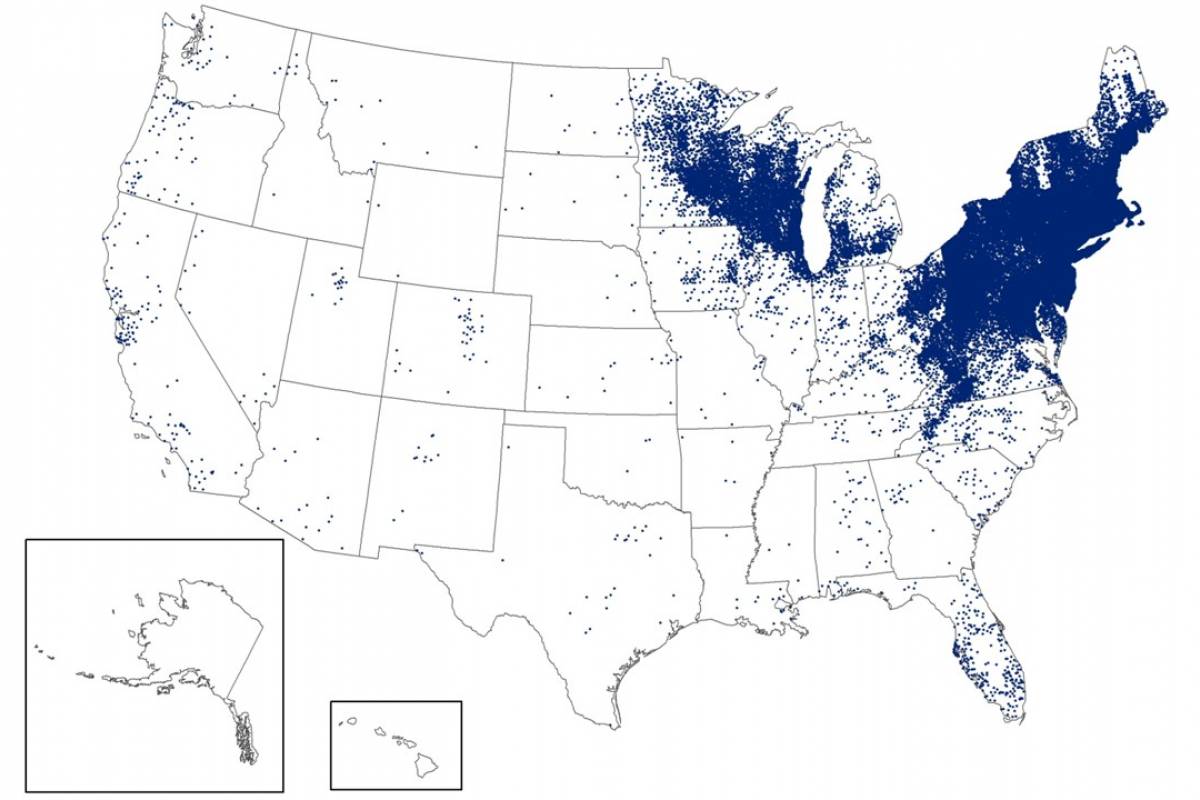
Since its detection in Lyme, Connecticut, in the late 1960s, this tick-transmitted virus has spread throughout the Northeast and into the upper Midwest of the United States. Lyme is also detected in various European countries.

On December 15, 2025, the Global Lyme Alliance Chief Scientific Officer will be in attendance to offer research integrity and patient perspectives central to the conversation.

A related HHS media statement confirmed 'This roundtable represents an important moment in national Lyme disease dialogue and underscores the growing recognition that addressing Lyme disease requires collaboration across medicine, public health, government, and patient advocacy.'

According to various information sources, a Lyme disease vaccine candidate has advanced to late-stage, phase 3 clinical studies. Analysts indicate there is significant consumer demand for this innovative vaccine in 2026.


Dec 15, 2025 • 11:20 am CST
US CDC December 2025

In late 2025, Ethiopia experienced its first outbreak of Marburg virus disease (MVD) in its southern regions. 

As of December 12, 2025, Ethiopia's Ministry of Health posted on Facebook that there have been 14 confirmed cases of MVD with nine related fatalities.

Accordingly, the UK FCDO advises against all but essential travel within 5km of the towns of Jinka and Hawassa due to the ongoing MVD outbreak.

In early December, the U.S. CDC updated its Level 1 travel advisory, stating to watch for symptoms of Marburg while in the outbreak area and for 21 days after leaving Ethiopia. If you develop fever, chills, headache, muscle aches, rash, chest pain, sore throat, nausea, vomiting, diarrhea, or unexplained bleeding or bruising, contact a healthcare provider.

Since its initial outbreak in 1967, no suspected, probable, or confirmed MVD-related cases have been reported in the United States or the United Kingdom. Previous MVD outbreaks have been confirmed in Europe and other African countries.

Currently, no preventive vaccine has been approved for human use. However, Marburg vaccine candidates are conducting clinical research as of December 15, 2025.

Dec 15, 2025 • 9:42 am CST
US CDC December 2025

The Pan American Health Organization (PAHO) recently released a briefing note informing countries about the increasing circulation of the influenza A(H3N2) subclade K (J.2.4.1) virus.

The PAHO noted in a media release that the genetic evolution observed in subclade K is part of the natural variation in seasonal influenza viruses.

As of December 12, 2025, in North America, particularly in the United States and Canada, there has been a gradual increase in detections of subclade K. As of now, similar circulation levels have not been reported in South American countries.

While evidence on vaccine effectiveness for the current season remains limited, preliminary data from Europe suggest that vaccination continues to offer comparable protection against severe disease, including hospitalization, wrote the PAHO.

The ECDC previously wrote that compared to previous years, influenza is increasing unusually early in the EU/EEA, with A(H3N2) driving the increases in recent weeks. Even if a less well-matched A(H3N2) virus dominates this winter, the vaccine is still expected to protect against severe disease.

The U.S. CDC wrote last week that subclade J.2.4.1, renamed "H3N2 subclade K," was identified in August 2025. Of the 401 influenza A viruses subtyped during Week #49 in the USA, 14.% were influenza A(H1N1)pdm09, and 86.0% were A(H3N2).

These viruses have slight changes in their hemagglutinin gene and have been antigenically characterized as "antigenically drifted" in comparison to the virus selected as the A(H3N2) component of the U.S. 2025-26 seasonal influenza vaccines.

The CDC reaffirmed its recommendation that most people in the USA, and those traveling abroad for the winter holidays, get an annual flu shot.

Dec 15, 2025 • 8:01 am CST
USDA December 11, 2025

Local media in Mexico have reported human cases of myiasis associated with the northern expansion of New World Screwworms (NWS).

As of early December 2025, reports of myiasis cases in Chiapas, Oaxaca, Yucatán, Campeche, and Tabasco, totaling around 92 human cases, including five related fatalities.

Throughout the Region of the America, 1,000 NWS cases in people have been confirmed in 2025.

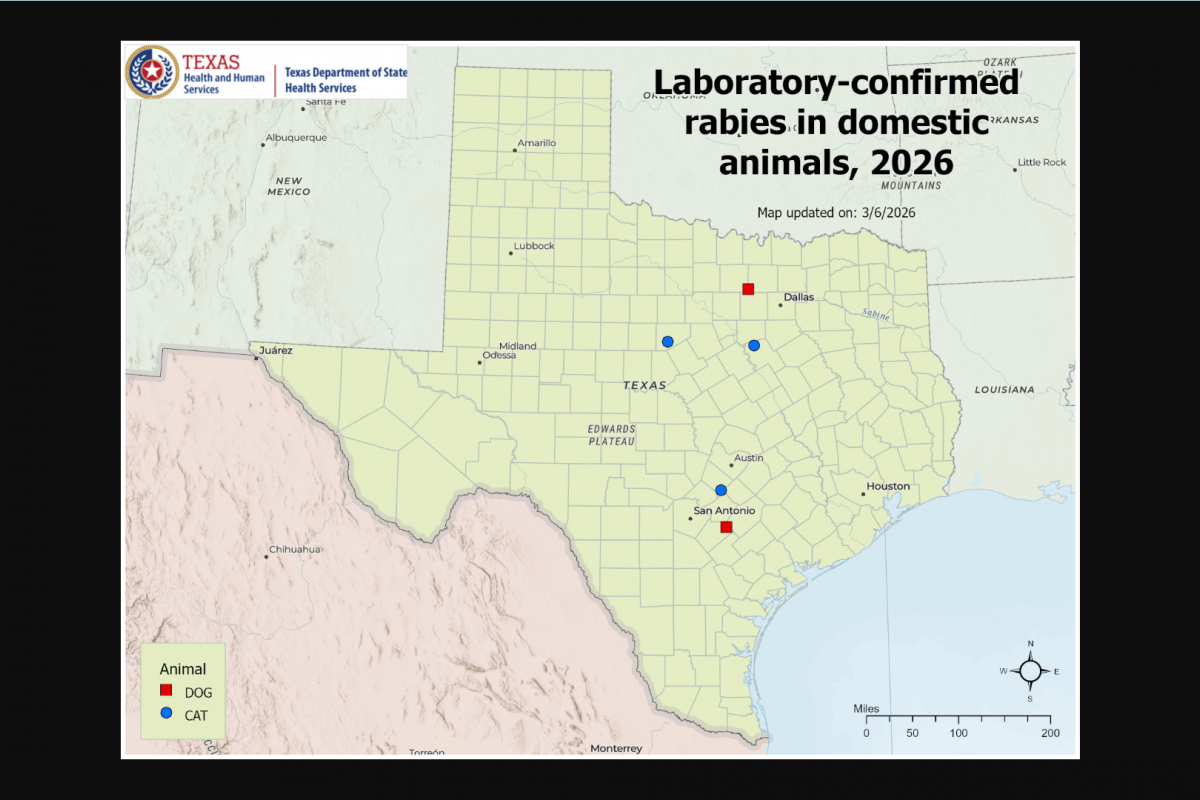
According to the United States government, NWS has not crossed into the state of Texas and is not currently present in the USA. However, there has been one confirmed case of NWS in a person who returned to the USA after traveling to El Salvador.

The U.S. CDC says Infestations by NWS maggots can cause painful and foul-smelling wounds. If not caught early and treated, it can lead to extensive tissue damage and potentially death.

The CDC recommends that healthcare providers, if they suspect a patient has an NWS infestation, report it immediately to their local or state health department. 


Dec 14, 2025 • 5:01 am CST
US CDC December 2025

As the first part of the 2025-2026 influenza season comes to a close, three states have been classified as having flu outbreaks by the U.S. government.

According to the U.S. CDC FluView Week 49 report, ending December 6, 2025. Colorado, Louisiana, and New York are seeing significant numbers of influenza detections.

Additionally, the CDC reported two influenza-associated pediatric deaths during Week 49.

Furthermore, there is an early indication that this season's flu shots are effective.

Early estimates of 2025-26 influenza vaccine effectiveness in England against influenza-associated hospitalization remained within expected ranges of 70-75% for children and 30-40% for adults, suggesting that influenza vaccination remains an effective tool in preventing influenza-related hospitalizations this season.

The CDC recommends that everyone 6 months and older who has not yet been vaccinated this season get an annual influenza vaccine. This advice is especially valid when living in or visiting an area with a flu outbreak.

As of December 14, 2025, about 127 million doses of influenza vaccine have been distributed in the USA this season, and they are readily available at travel clinics and pharmacies.


Dec 13, 2025 • 3:19 pm CST
Springer Nature

India's tuberculosis (TB) incidence has recently been reduced by 21%, almost double the pace observed globally, as per the World Health Organization's Global TB Report 2025.

Similarly, India's TB mortality rate has decreased, reflecting a near-tenfold increase in government funding to the TB program, which has focused on high-risk areas such as Uttar Pradesh, Maharashtra, Bihar, Madhya Pradesh, and Delhi.

Since its launch in December 2024, India's flagship TB elimination mission, the TB Mukt Bharat Abhiyan, has achieved extensive reach, screening over 19 crore vulnerable individuals across the country, leading to the detection of over 24.5 lakh TB patients, including 8.61 lakh asymptomatic TB cases.

Since TB is a vaccine-preventable disease, India offers access to the 100-year-old Bacille Calmette-Guérin vaccine.

These proactive approaches draw on both global and local evidence, underscoring India's commitment to science-based solutions to reduce the severity of this disease.

Unfortunately, the provisional data from the U.S. CDC for 2024 showed 8% increase from 2023, reaching the highest count since 2011, with rates rising across most age groups.

However, the CDC's week #49 data indicates a position trend in 2025, with only 8,489 TB cases confirmed as of December 6, 2025.

While access to the BCG vaccine in the U.S. is limited, recent shortages have been resolved with recombinant versions like rBCG.

As of December 13, 2025, the CDC doesn't recommend it for general use because of false-positive TB skin test results. However, healthcare providers can access the vaccine through special programs when visiting TB-outbreak areas in India.

Dec 13, 2025 • 11:22 am CST
US CDC December 2025

Throughout 2025, Chikungunya fever outbreaks have been reported in countries that border the Indian Ocean. From Madagascar to France's La Réunion Department, locally-acquired and travel-related cases have set new records.

To alert international travelers, the U.S. Centers for Disease Control and Prevention (CDC) recently issued a Level 2 - Practice Enhanced Precautions, Travel Health Notice regarding the Democratic Socialist Republic of Sri Lanka's ongoing Chikungunya fever outbreak.

Sri Lanka is located just south of India, home to about 21 million residents, and welcomed over 2 million visitors in 2024.

Earlier in 2025, a non-peer-reviewed study identified virus mutations that may be the source of these outbreaks.

These researchers wrote in May 2025 that the ongoing large outbreak in Sri Lanka is due to the Indian Ocean lineage and the E1:K211E/E2:V264A sublineage of the Chikungunya virus, which has acquired specific, previously uncharacterized mutations.

As of December 8, 2025, the CDC says that if you are pregnant, you should reconsider travel to the affected areas, particularly if you are close to delivering your baby. Mothers infected around the time of delivery can pass the virus to their baby before or during delivery.

Furthermore, newborns infected in this way or by a mosquito bite are at risk for severe illness, including poor long-term outcomes.

As of December 13, 2025, the CDC recommends vaccination with a U.S. FDA-approved vaccine for travelers visiting an area with a Chikungunya outbreak. Vaccines are commercially available at travel clinics in the USA.

Dec 13, 2025 • 5:49 am CST
US CDC 2025

International leaders, philanthropists, and global health partners announced today a collective $1.9 billion to advance polio eradication. This funding is essential as wild poliovirus is now endemic in only two countries, but outbreaks of variant poliovirus still threaten children in over 30 countries.

According to a press release from the Global Polio Eradication Initiative (GPEI) on December 8, 2025, the funds will accelerate efforts to reach 370 million children annually with polio vaccines and strengthen health systems in affected countries to protect children from other preventable diseases.

This includes approximately $1.2 billion in newly pledged funds, reducing the remaining resource gap for the GPEI 2022-2029 Strategy to $440 million.

The pledges announced today reaffirm international resolve to finish the job and protect future generations from a disease that once paralyzed 1,000 children every day across 125 countries.

"The fight to end polio shows what is possible when the world invests together in a shared goal. We're 99.9 percent of the way there – but the last stretch demands the same determination that got us this far," said Bill Gates, Chair of the Gates Foundation. "This renewed funding will help us cross the finish line and strengthen the systems that protect children from this terrible disease for good."

Success would make polio just the second human disease ever eradicated—after smallpox—and is projected to save the world more than $33 billion by 2100 compared to the ongoing cost of outbreak control.

The Strategic Advisory Group of Experts on immunization (SAGE) recently endorsed two critical innovations for polio eradication.

SAGE recommended that fractional doses of Sabin-based inactivated polio vaccine (IPV) be used in the same way as fractional doses of Salk-based IPV – helping stretch supply and reach more children. 

SAGE also backed the broader rollout of novel oral polio vaccine type 2 (nOPV2) to help stop persistent outbreaks of circulating variant poliovirus type 2 in some of the toughest places.

In 2024, SAGE recommended that, where feasible, the use of both IPV and nOPV2 vaccines be employed for initial outbreak-response vaccination campaigns.

In the United States, the IPV is offered at travel clinics, and booster shots are suggested for certain travelers. 

Dec 12, 2025 • 2:53 pm CST
Maps December 2025

According to local media, the Romanian Ministry of Health has reported two confirmed cases of leprosy, and two other suspected cases are undergoing evaluation.

These are Romania's first eprosy cases in more than 40 years.

Romaina-Insider reported Corina Criste, director of the Cluj Public Health Directorate, told Agerpres on December 12, 2025, that a case of leprosy was detected in Cluj-Napoca, he second-most populous city in the European country.

Health minister Alexandru Rogobete said he has ordered intensified epidemiological surveillance, expanded testing of contacts, evaluations of the working and living conditions of foreign employees, and the request for international assistance from the World Health Organization (WHO).

The WHO says leprosy, a chronic infectious disease caused by the bacterium Mycobacterium leprae, remains rare in Europe and is typically recorded among people originating from endemic regions in Asia, Africa, or Latin America.

In the United States, leprosy (Hansen's disease) is a nationally notifiable condition. Annually, the U.S. CDC detects around 150-250 cases of leprosy, with 225 in 2023 and 205 in 2024.

In 2025, Florida reported 36 leprosy cases, highlighting local transmission, especially in Brevard County.

Dec 12, 2025 • 8:47 am CST
by Alejandro Alvariño

In recent years, Argentina has seen a significant rise in Zika virus infections. Both Argentina and its South American neighbor, Brazil, face challenges in diagnosing Zika infections and distinguishing them from Dengue fever, another disease transmitted by mosquitoes.

According to the Pan American Health Organization (PAHO), current efforts focus on improving the sensitivity of surveillance systems. In Argentina, Zika is detected mainly through passive surveillance systems that identify cases in people seeking medical care.

This detection process is not a guarantee that the Zika virus is not in circulation.

This makes it challenging to monitor the increasing number of Zika cases, which can lead to severe congenital disabilities, including microcephaly. This happens because an infected pregnant woman can spread the virus to her unborn baby.

As of December 12, 2025, the PAHO reported Argentina has confirmed 1,045 Zika cases this year.

This data compares with 564 reported in 2024.

Buenos Aires, the capital of Argentina, with over 3 million residents, and an international traveler's favorite, has seen a significant rise in Zika cases in 2025, with hundreds reported by the Health Ministry.

While the U.S. CDC has not issued a Travel Health Notice in 2025 focused on Zika outbreaks in Argentina, the PAHO and other organizations caution all visitors to reduce their risk of infection.

In the near term, a Zika prevention vaccine may be approved. Until then, beware of mosquito bites!

Dec 12, 2025 • 5:13 am CST
Google Maps December 2025

The Centre for Health Protection (CHP) of the Department of Health in Hong Kong has announced that relevant departments will be conducting intensified mosquito control and prevention efforts along the Tsing Yi Nature Trails, a popular hiking area.

Published on December 9, 2025, this health alert is related to CHP's confirmation of a total of 78 chikungunya fever (CF) cases in 2025.

Among them, 10 were local cases, which were initially detected in late October 2025.

 On December 7, 2025, the CHP wrote that some confirmed CF cases had reportedly been bitten by mosquitoes while hiking along the Tsing Yi Nature Trails. These trails are situated in a countryside environment and cover a vast area, with the trails stretching approximately 7,000 metres. Along both sides of the trails, there are various natural breeding grounds for vectors, including puddles on soil surfaces and fallen leaves, which increase the risk of mosquito breeding.

This area is located east of Hong Kong Disneyland and northwest of the city of Hong Kong, which has welcomed over 40 million visitors this year.

The public should call 1823 in case of mosquito problems, stated the CHP.

Chikungunya is a mosquito-transmitted disease that is also vaccine-preventable.

As of December 12, 2025, chikungunya vaccines are offered at travel clinics in the United States and various countries.

Dec 11, 2025 • 4:33 pm CST
Conn. Foundation

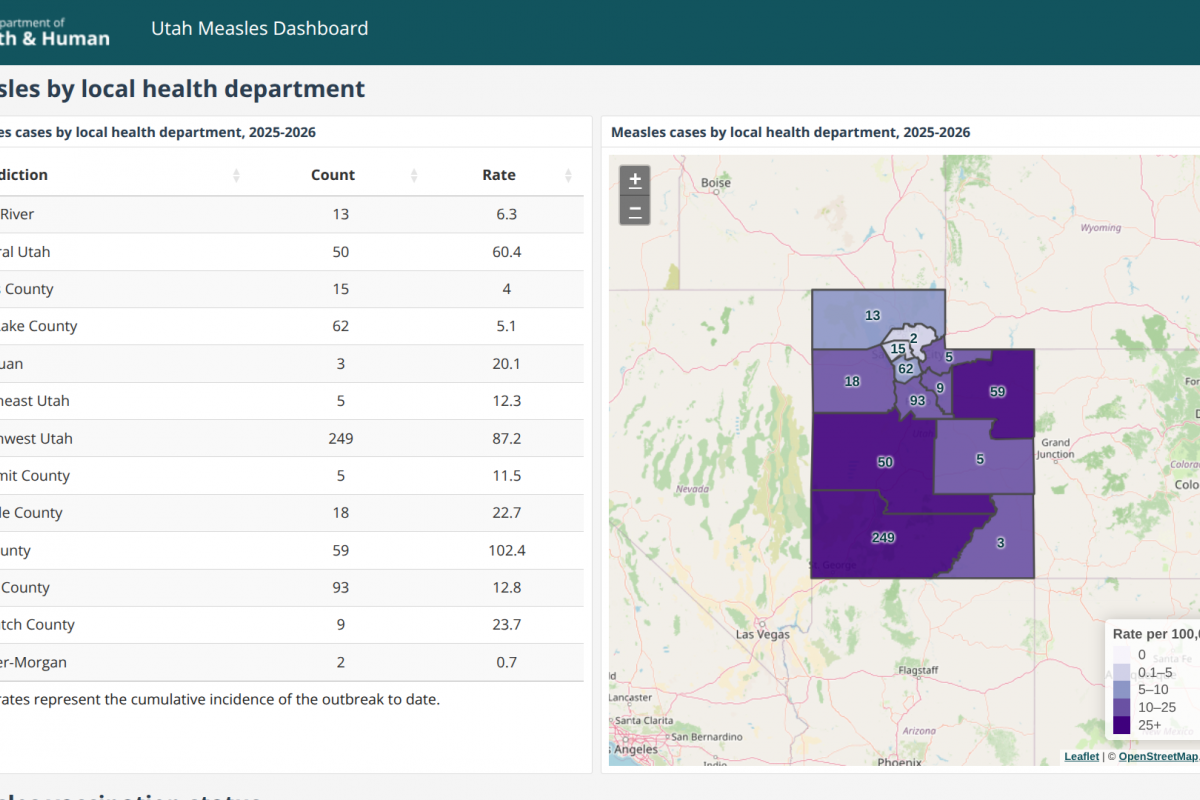
Connecticut's health department today reported its first measles case since 2021. This patient is an unvaccinated resident of Fairfield County, located just northeast of New York and home to about 950,000 people.

The Connecticut Department of Public Health (DPH) reported on December 11, 2025, that this child recently travelled internationally and began showing symptoms of measles several days later.

"The single best way to protect your children and yourself from measles is to be vaccinated," said DPH Commissioner Manisha Juthani, MD, in a press release.

"One dose of measles vaccine is about 93 percent effective, while two doses are about 97 percent effective. We must ensure we continue to protect those who matter most – children and other vulnerable people – from vaccine-preventable illnesses through on-time vaccination."

According to the 2024-2025 Statewide School Immunization Survey, 98.2% of Connecticut students had received two doses of MMR by kindergarten entry. Connecticut's MMR vaccination rate is one of the highest in the U.S.

MMR vaccination services are generally offered at clinics and pharmacies in the United States.