Nasal Spray Candidate Shows Promise for Flu Protection Potentially for Air Travelers
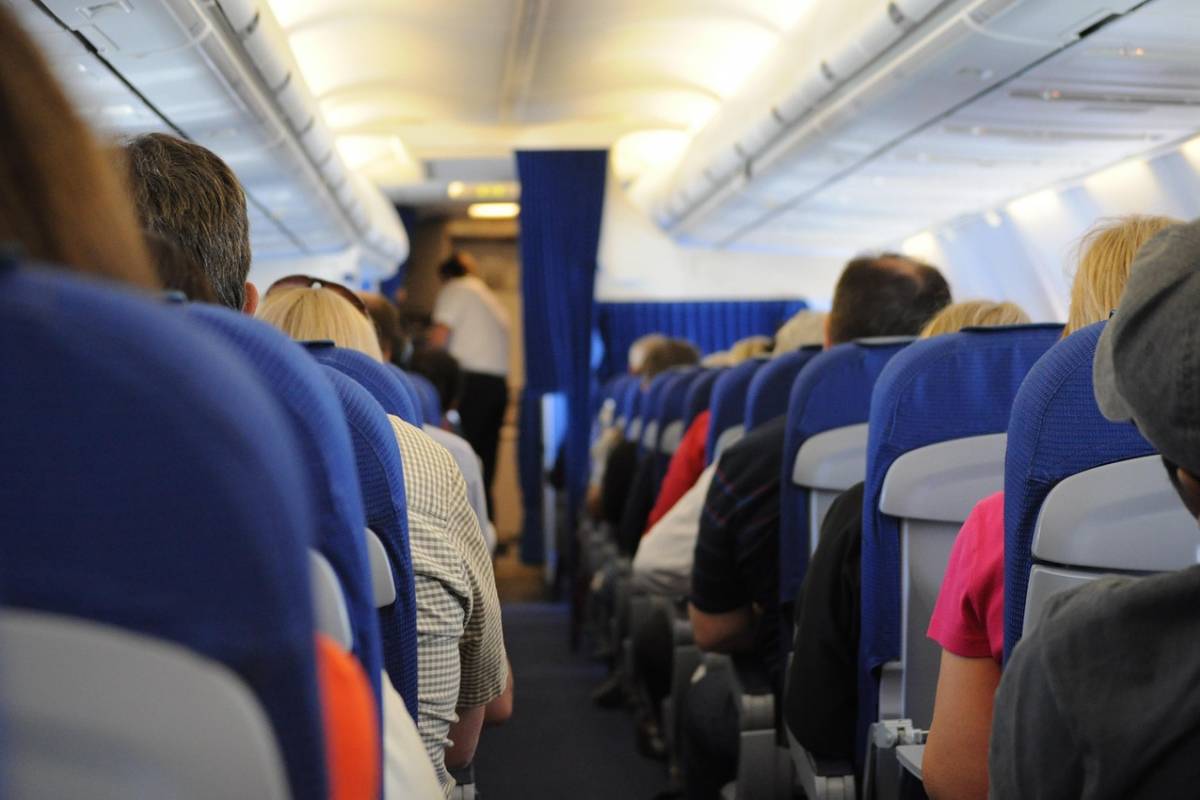
As a frequent airplane traveler who is concerned about catching the flu in crowded cabins with recycled air, I am thrilled by recent research on CR9114. This nasal spray delivers influenza-specific monoclonal antibodies.
This innovative product, if approved, could be ideal for high-exposure situations, such as flying during flu season, especially for travelers.
While modern commercial airplanes have high-efficiency ventilation systems that recirculate cabin air through HEPA filters, they don't remove all viruses. If an infected passenger is on board—especially one who is coughing or sneezing—flu virus transmission can still occur.
Published on February 4, 2026, in Science Translational Medicine, the study, led by researchers from Harvard in collaboration with Leyden Laboratories, demonstrates that the intranasal delivery of the broad-spectrum hemagglutinin antibody CR9114 is both safe and feasible.
In two Phase 1 trials involving healthy volunteers, repeated dosing (twice daily, given the approximately 3-hour nasal half-life) achieved sustained high antibody levels in the nose.
These recovered antibodies retained strong neutralizing activity against both influenza A and B viruses.
Importantly, this nasal spray is not a replacement for seasonal influenza vaccines but rather may offer a rapid, short-term immunoprophylactic option. By delivering high local antibody concentrations directly at the virus's entry point with small doses, CR9114 has shown early promise.
Previous preclinical tests on mice and macaques confirmed its safety and effectiveness against influenza challenge.
These findings lay the groundwork for future efficacy trials and provide proof of concept that intranasal antibodies can elicit efficacious passive immunity against influenza viruses.
For someone who dreads having post-flight sniffles turn into illness, this nasal spray could become an essential item to carry on board before flying.
Our Trust Standards: Medical Advisory Committee