New World Screwworm Drug Approved for Cattle
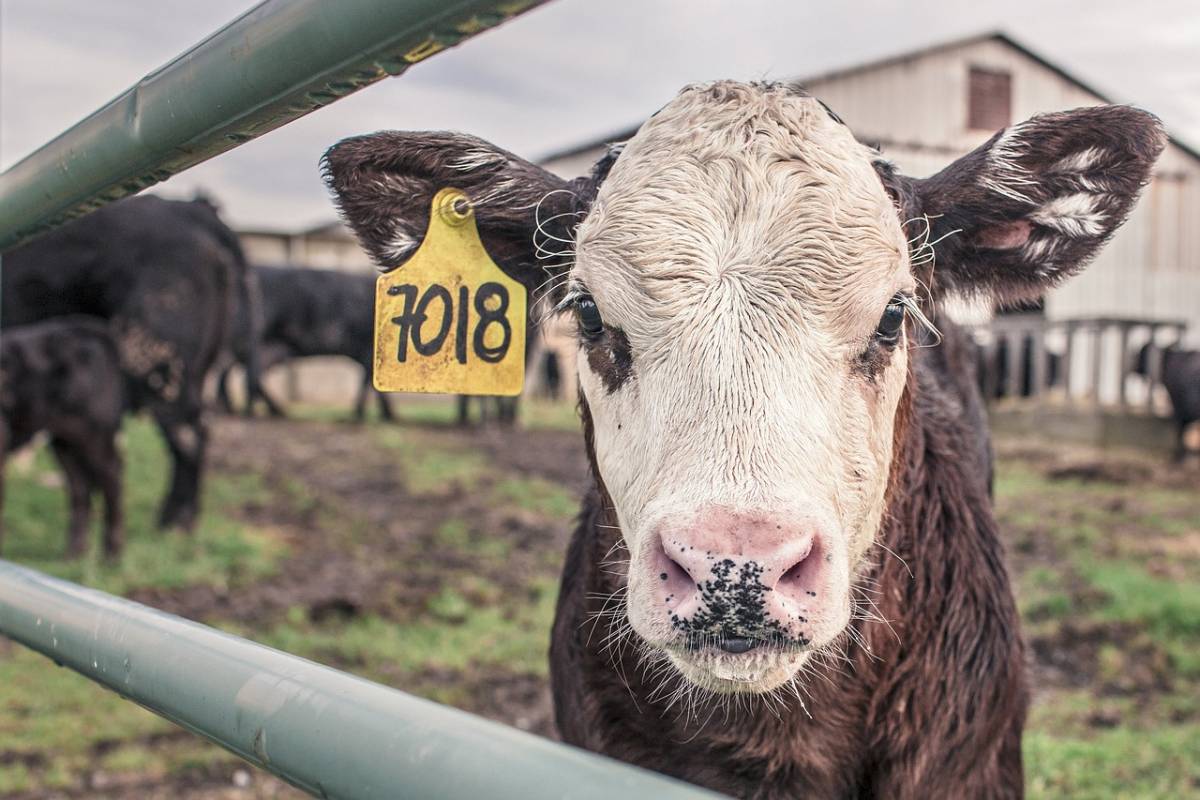
The U.S. Food and Drug Administration recently conditionally approved Dectomax-CA1 (doramectin injection) injectable solution for the prevention and treatment of New World screwworm larval infestations, as well as the prevention of NWS reinfestation for 21 days.
Dectomax-CA1, sponsored by Zoetis, is based in Michigan and is conditionally approved for use in cattle only, not for human use.
"We understand the urgency with which America's farmers and ranchers are asking for tools to fight New World screwworm," said FDA Commissioner Marty Makary, M.D., M.P.H., in a press release on September 30, 2025.
"Today's conditional approval – the first in the U.S. for NWS – shows our dedication to rapidly advancing important animal medicines when they are needed most. We continue to work tirelessly to complete the review of other NWS products to protect multiple animal species in the U.S."
Dectomax-CA1 is eligible for conditional approval because it is intended to prevent and treat a serious or life-threatening disease in cattle, it addresses an unmet animal health need, and demonstrating the effectiveness of the drug would require complex or complicated studies.
Dectomax is already fully approved under a New Animal Drug Application for treatment and control of specific nematode and arthropod parasites in cattle and swine. NWS fly larvae burrow into the flesh of cattle, causing severe wounds and death if untreated.
Dectomax and Dectomax-CA1 contain the same active ingredient (doramectin injection) at the same dose. Because the original approval of Dectomax included adequate target animal safety studies, manufacturing information, and human food safety information, the FDA did not require new information to support those aspects for the conditional approval of Dectomax-CA1.
To reduce the risk of antiparasitic resistance and preserve the effectiveness of drugs against other parasites, producers and veterinarians are encouraged to use antiparasitic drugs like Dectomax-CA1 only when medically necessary, in accordance with the product labeling, and as part of a comprehensive parasite management strategy.
According to the U.S. CDC, NWS is typically a disease of livestock but can also affect humans with open wounds; it can also occur in other body cavities with mucus membranes (e.g., nasal passages).
There is no medication to treat NWS; prevention and prompt removal are key.
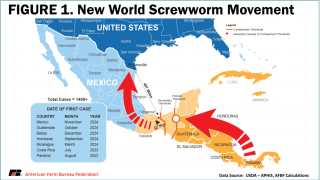
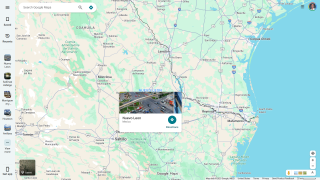
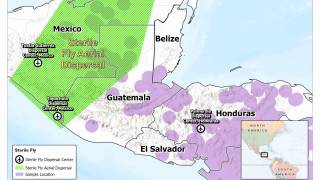
As of late September 2025, NWS infections had been detected in the Mexican state of Nuevo Leónles, than 100 miles from the Texas border.
Our Trust Standards: Medical Advisory Committee