Vaccine News

Vaccine news brought to you by Precision Vaccinations.

Apr 22, 2025 • 1:53 pm CDT
US CDC Polio map April 22, 2025

The Global Polio Eradication Initiative (GPEI) recently reported that one Circulating vaccine-derived poliovirus type 2 (cVDPV2) positive environmental sample was collected in March 2025 from Lae City, Morobe Province, the Independent State of Papua New Guinea (PNG).

As of April 22, 2025, GPEI reported that no associated cases of paralysis have been detected. 

Nevertheless, PNG health authorities in the country are treating this event as high risk and have officially notified the World Health Organization (WHO) through the International Health Regulations, implementing measures to address the situation.

In April 2025, the WHO announced that the spread of the poliovirus remained a Public Health Emergency of International Concern. The WHO states that cVDPV2 poses a public health threat, affecting 27 countries across four regions.

PNG is classified as a developing nation, located in the southwestern Pacific Ocean north of Australia, with a land border with Indonesia. The Indonesian government reported a polio outbreak in Aceh province, linked to cVDPV2 in 2022.

Papua New Guinea previously confirmed that poliovirus was circulating in 2018.

To alert international travelers, the U.S. CDC reissued a Global Polio Alert—Level 2, Practice Enhanced Precautions Travel Health Notice on April 22, 2025, regarding polio outbreaks and poliovirus detections in 38 countries, including Indonesia, but not PNG.

The CDC recommends that travelers to these areas be fully vaccinated against this severe disease.


Apr 22, 2025 • 11:55 am CDT
Brazil Ministry of Health April 22, 2025

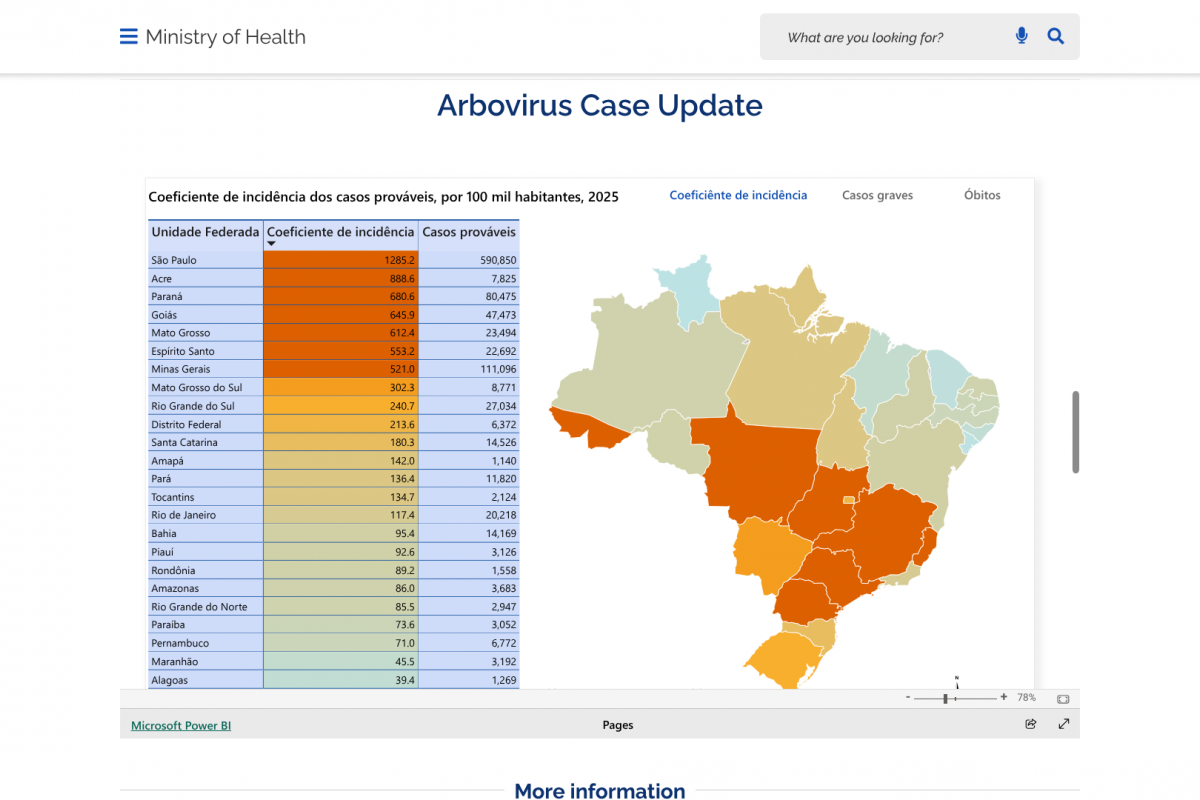
The Ministry of Health for the Federative Republic of Brazil recently confirmed a total of 1,019,033 dengue cases and 681 related fatalities this year.

As of April 12, 2025, São Paulo had reported the most dengue cases, at 590,850.

As of April 22, 2025, the U.S. Centers for Disease Control and Prevention (CDC) has identified more cases of dengue (1,481) than expected among U.S. travelers returning from countries with dengue outbreaks

In 2025, 54 travel-associated and one locally acquired dengue cases were reported in Florida.

Of dengue's four types, DENV-3 is the most common serotype identified, accounting for 84%.

To alert travelers to Brazil and other areas, the CDC reissued a Global Travel Health Notice on April 15, 2025, regarding Dengue outbreaks in the Americas. Additionally, the CDC encourages healthcare providers to increase testing of patients with symptoms related to dengue. 

Currently, dengue vaccines are unavailable in the U.S.

Apr 22, 2025 • 3:30 am CDT
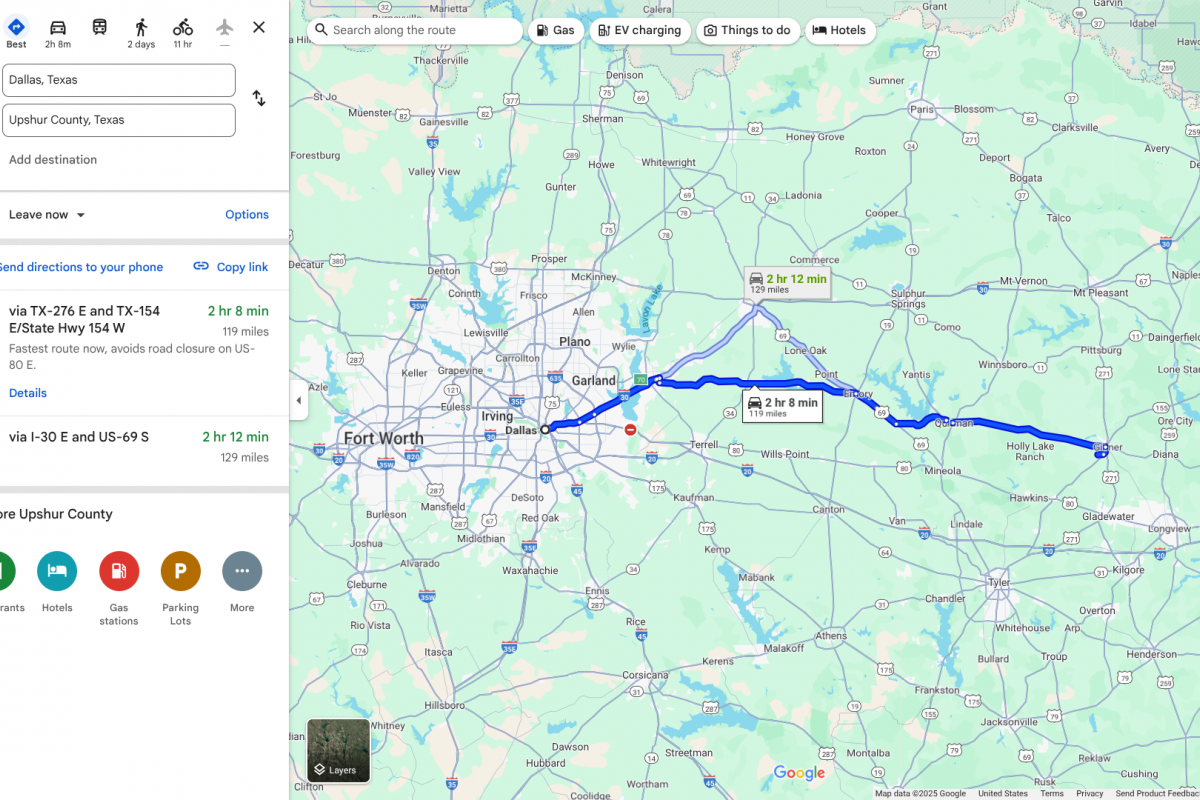
Google Maps April 22, 2025

The epicenter of the measles outbreak in Texas appears to have moved about 120 miles east of Dallas to the sparsely populated Upshur County.

According to the Texas Department of State Health Services (DSHS) and a health department Facebook post, about 19 confirmed cases of measles were reported at a single location in Upshur County.

All cases involve individuals over the age of 17, with unknown vaccination status, who were linked to two individuals who visited Upshur County from outside the state. As of April 19, 2025, all affected persons were isolated from the public and are following all the appropriate guidelines.

These measles cases have not included any Upshur County residents, and there are no reports of measles in any of our Upshur County public schools, public buildings, county operations, or medical facilities.

DSHS stated that it is gathering additional information to determine the residency status of these cases and whether they are related to the West Texas measles outbreak in 2025, which has reached 597 cases.

Other counties in Texas have reported 10 measles cases in 2025.

Throughout the United States, 25 jurisdictions have reported about 800 measles cases this year.

Apr 21, 2025 • 1:58 pm CDT
ECDC April 15, 2025

Recent maps released by the European Centre for Disease Prevention and Control (ECDC) indicate hotspots for tick-borne encephalitis (TBE) in Europe.

There are three distinct subtypes of tick-borne encephalitis virus: European, Far Eastern, and Siberian. They are found in different areas and cause disease of varying severity.

While the virus is already present in many European countries, as of April 15, 2025, the Central, Eastern, and Northern European regions have recently reported their first human cases of TBE or have noted an increase in infections.

In Europe, ticks become infected when they feed on small rodents that have the virus in their blood. People can become infected through the bites of infected ticks.

TBE is a vaccine-preventable disease that affects the central nervous system. Vaccination is an effective means of prevention.

In addition, taking personal protective measures, such as wearing long clothing, using tick repellent, avoiding tick-infested areas, and promptly removing any ticks from the skin, can significantly reduce the risk of infection.

According to the U.S. CDC, the TICOVAC tick-borne encephalitis vaccine is available in the United States and is approved for use in persons aged 1 year and older.

As of April 21, 2025, the CDC recommends that TICOVAC be considered for some travelers visiting high-risk areas.

Apr 21, 2025 • 5:20 am CDT
US Dept of State April 21, 2025

According to recent travel advisories issued by the U.S. government, it is advisable to delay trips to the Republic of Colombia in April 2025 due to ongoing crime and an unexpected yellow fever outbreak.

On April 17, 2025, the U.S. Department of State updated its Level 3: Reconsider Travel advisory for Colombia, citing ongoing civil unrest in various areas of the South American country.

The State Department has confirmed that visitors should not travel to the Arauca, Cauca (excluding Popayán), and Norte de Santander departments due to concerns about crime and terrorism.

Additionally, do not travel to this area for any reason to the Colombia-Venezuela border region, which is affected by crime, kidnapping, conflict between armed groups, and the risk of detention is elevated.

If you decide to travel to Colombia, the U.S. suggests enrolling in the Smart Traveler Enrollment Program to receive digital alerts from the local Embassy in Bogota and make it easier to locate you in an emergency.

From a health perspective, Colombia's current yellow fever (YF) outbreak has raised public health concerns as cases have been reported in areas where the disease had not historically occurred, including in Caldas.

To alert residents and visitors, Columbia's National Government declared a YF public health emergency on April 17, 2025.

In 2025, YF cases are distributed in nine departments: Tolima (59 cases), Putumayo, Nariño, Caquetá, Huila, Vaupés, Cauca, Meta, and Caldas. The total number of confirmed YF-related deaths in Tolima is 23.

According to the U.S. Centers for Disease Control and Prevention (CDC), yellow fever is a vaccine-preventable disease. Sanofi Pasteur YF-VAX® vaccine is commercially available at travel clinics and pharmacies in the United States.

And vaccination certificates, which are required for entry into designated countries, are issued upon completion.

Apr 21, 2025 • 3:49 am CDT
Pixabay 2024

The U.S. Department of Health and Human Services (HHS) recently issued a 'Stop Work Order' for GeoVax's investigational COVID-19 vaccine, GEO-CM04S1, which was being developed under a government-sponsored initiative.

According to GeoVax's press release on April 16, 2025, the U.S. Biomedical Advanced Research and Development Authority (BARDA) has decided to withdraw its funding, originally granted under Project NextGen (PNG), a $5 billion effort started under the previous U.S. administration to support the development of next-generation vaccines and therapies.

Of note, GEO-CM04S1 was the only multi-antigen/polyvalent COVID-19 vaccine candidate selected under the PNG initiative.

"While the recent HHS/BARDA Stop Work Order action was disappointing and surprising, our commitment to protecting vulnerable populations remains unchanged, and our clinical momentum is strong in support of our ongoing Phase 2 GEO-CM04S1 programs," commented David Dodd, Chairman and CEO of GeoVax.

GeoVax remains committed to addressing the critical medical need for GEO-CM04S1, particularly among the more than 40 million immunocompromised Americans and over 400 million people globally who remain inadequately protected by the current authorized COVID-19 vaccines.

Apr 20, 2025 • 5:48 am CDT
by Jan Vašek

Chikungunya, an arboviral disease previously unknown in the Americas, became an epidemic in the Region after its first indigenous case was reported in December 2013. 

Since that time, the mosquito-transmitted virus has spread throughout most of the Region, and remains a key factor when planning summer vacations in 2025.

As of April 20, 2025, the Pan American Health Organization has confirmed 103,659 chikungunya cases and two related fatalities. Last year, over 420,000 cases and 236 fatalities were reported in the Region.

The U.S. Centers for Disease Control and Prevention (CDC) lists countries and territories with evidence of human-to-human transmission within the last five years.

The U.S. CDC states that most people infected with the chikungunya virus develop symptoms. People at risk for severe disease include newborns infected around the time of birth, older adults, and people with medical conditions.

To prevent this disease, effective chikungunya vaccines have been approved by the CDC and the U.S. FDA, and are commercially available at travel clinics and pharmacies as of 2025.

Apr 20, 2025 • 5:24 am CDT
US CDC April 1, 2025

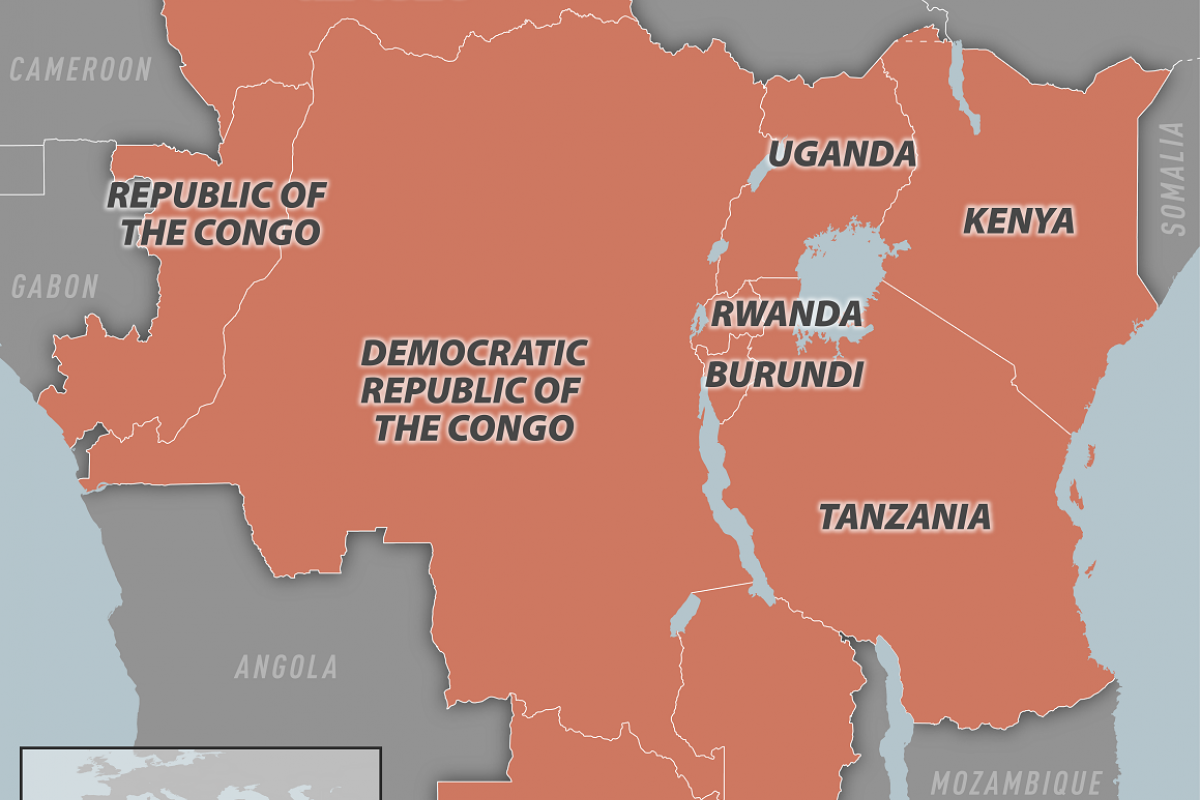
Since the declaration of the emergency, both regional and global support has increased, particularly for the Democratic Republic of the Congo (DRC), the epicentre of the ongoing mpox outbreak. Despite progress, significant challenges remain.

In the first two months of 2025, 60 countries reported mpox, with the majority of cases and deaths reported from the African continent. 

The Africa CDC and WHO Joint Continental Mpox Plan has guided efforts to reduce this outbreak, focusing on ten key pillars: coordination, risk communication and community engagement, disease surveillance, laboratory capacity, clinical management, infection prevention and control, vaccination, research, logistics, and maintaining essential health services. 

As of April 20, 2025, mpox vaccination efforts are underway, with more than 650,000 doses administered in six countries, 90% of which have been administered in the DRC.

Overall, over a million doses have been delivered to 10 countries, with efforts ongoing to secure additional vaccine supplies. 

The leading mpox vaccine, JYNNEOS® (MVA-BN®, IMVAMUNE®), is produced by Bavarian Nordic A/S.

Along with the Continental Response Plan for Africa, the WHO has updated the global strategic plan to curb – and, where feasible, to stop – human-to-human transmission of mpox. The joint Continental Response Plan is aligned with the global strategy.

To alert international visitors of the ongoing mpox risk in Africa, the U.S. CDC issued a Level 2 - Practice Enhanced Precautions, Travel Health Advisory on April 1, 2025.

The CDC says people usually get mpox through intimate or close contact, including sex, with an infected person.

Mpox vaccination is recommended for people who anticipate sexual activities during travel to countries with ongoing person-to-person transmission of clade I mpox. In the U.S., the JYNNEOS vaccine is commercially available at clinics and pharmacies as of 2025.

Apr 20, 2025 • 4:55 am CDT
from Pixabay 2025

ImmunityBio, a vertically integrated biotechnology company developing next-generation therapies and vaccines that enhance the natural immune system to combat cancers and infectious diseases, recently reported a significant increase in revenue.

On April 15, 2025, ImmunityBio announced that it earned net product revenue of approximately $16.5 million during the three months ended March 31, 2025, representing a 129% increase over the net revenue earned during the fourth quarter of 2024.

With the issuance of the permanent J-code (J9028) in January 2025, ImmunityBio has experienced increased sales momentum for ANKTIVA®, the first U.S. FDA-approved immunotherapy for non-muscle-invasive bladder cancer that activates natural killer cells, T cells, and memory T cells to elicit a long-duration response.

The Company's range of immunotherapy and cell therapy platforms, both individually and in combination, act to drive and sustain an immune response, to create durable and safe protection against disease.

ANKTIVA's triangle offense against cancer includes natural killer cells, T cells, and memory T cells.

ANKTIVA (N-803) (nogapendekin alfa inbakicept-pmln) is a first-in-class interleukin-15 agonist IgG1 fusion complex consisting of an IL-15 mutant (IL-15N72D) fused with an IL-15 receptor alpha, which binds with high affinity to IL-15 receptors on NK, CD4+, and CD8+ T cells. 

As of April 2025, the ANKTIVA plus BCG vaccine became available for treating bladder cancer patients at various clinical sites in the United States. 

Apr 19, 2025 • 2:40 pm CDT
by Andreluiz Cunha

The Florida Department of Health recently published its Arbovirus Surveillance update #15, disclosing that mosquito-borne diseases have been detected in residents and visitors this year.

While most cases of chikungunya, dengue, and malaria have been confirmed in Miami-Dade County, which is currently under a mosquito-borne illness alert, counties on both Florida's coasts have reported infections.

As of April 12, 2025, there was one confirmed travel-related case of chikungunya in 2025. Eleven instances of chikungunya onset in 2024 were reported in individuals with a travel history to Brazil (five), India (five), and Pakistan.

Throughout 2025, fifty-nine cases of dengue fever were reported among individuals who had traveled internationally, and one locally acquired case of dengue (DEN-3) was reported in Miami-Dade County. 

As of December 2024, 1,016 travel-associated dengue cases had been reported, primarily among visitors from Brazil, Cuba (567), and Puerto Rico. In 2024, 91 locally acquired dengue cases were reported from ten counties (Miami-Dade (50),

This year, ten travel-related malaria cases have been confirmed in the state of Florida. In 2024, 72 cases of travel-related malaria were reported in individuals with a history of visiting malaria-endemic areas, such as Africa (Nigeria) and Central and South America.

From a disease-prevention perspective, while chikungunya vaccines are amply available in Florida, dengue and malaria vaccines are only available in other countries.

As of April 19, 2025, the U.S. Centers for Disease Control and Prevention, Canada Health, and the United Kingdom have not issued vaccination requirements for visiting Florida; however, these agencies recommend staying up to date with recommended vaccines as the best travel advice.

Apr 19, 2025 • 6:58 am CDT
NEJM April 2025

Throughout the last few years, various mpox therapeutics have been made available to treat infected individuals. While clinical study results were pending, various health agencies, including the U.S. Food and Drug Administration (FDA), approved their use.

For example, Tecovirimat's efficacy for treating smallpox was established based on data from the FDA Animal Rule and from a study involving 359 healthy adults.

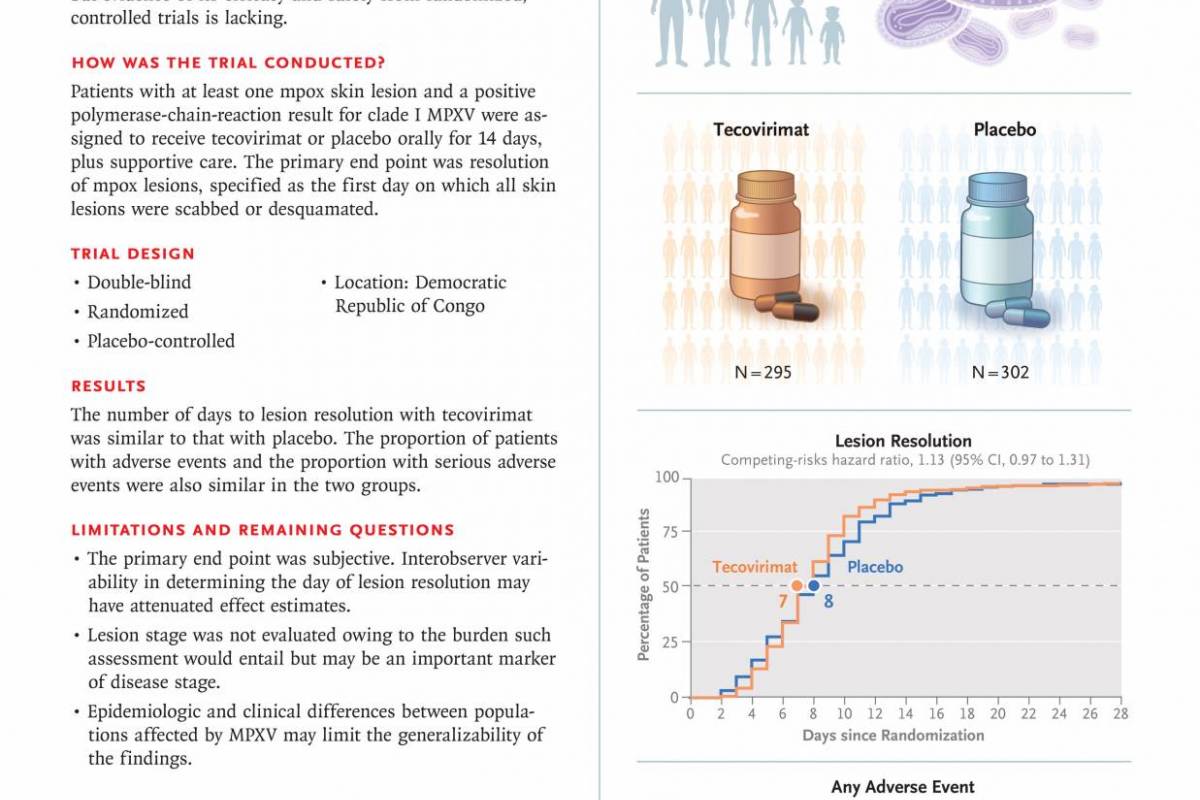
To confirm the efficacy of SIGA Technologies, Inc.'s TPOXX® (tecovirimat) for mpox patients, researchers conducted a double-blind, randomized, placebo-controlled trial funded by the National Institute of Allergy and Infectious Diseases and other organizations, using tecovirimat, in infected patients in the Democratic Republic of Congo (DRC).

Published by the New England Journal of Medicine on April 16, 2025, these researchers determined that tecovirimat did not reduce the number of days to lesion resolution in patients in the DRC with mpox caused by clade I MPXV.

This lack of real-world efficacy had been confirmed in previous mpox studies.

However, Mpox vaccinations with JYNNEOS® (MVA-BN®) have been shown to be effective in preventing clade I MPXV disease.

Apr 19, 2025 • 4:39 am CDT
US CDC Ebola Sudan March 2025

West Africa continues to bear the scars of the Ebola outbreak that occurred a decade ago. From 2014 to 2016, Sierra Leone, Guinea, and Liberia faced the largest Ebola outbreak since the virus was first discovered in 1976.

This Ebola outbreak resulted in over 28,000 cases and 11,000 related fatalities.

As of April 2025, more than 30 Ebolavirus disease outbreaks have been reported.

The good news is that vaccines against Ebolavirus, the pathogen responsible for those outbreaks, have since been licensed, and stockpiles have been developed.

"All Ebola outbreaks that have occurred since we had a stockpile were quickly stopped – thanks to the vaccines and rapid other response measures," says Allyson Russell, an epidemiologist and senior programme manager in Gavi's High Impact Outbreaks team, in a GAVI news article published on April 15, 2025.

However, these Ebola vaccines aren't effective against the other three orthoebolaviruses that cause severe disease, including the Sudan virus outbreak in the Republic of Uganda.

Uganda's Ministry of Health declared its eighth Sudan Ebolavirus outbreak in January 2025. Since then, about 14 cases, including four related fatalities, have been reported.

To alert the international community, the U.S. government recently updated a Level 2 Travel Health Advisory.

On March 12, 2025, the Centers for Disease Control and Prevention confirmed a Sudan virus outbreak in the districts of Kampala, Wakiso, Jinja, Mbale, Kyegegwa, Kabarole, and Ntoroko.

Still, the unpredictability and rapid progression of Ebola outbreaks make testing vaccine efficacy challenging.

As of April 19, 2025, no vaccines have been approved to protect people against the Sudan Ebola virus. However, candidate vaccines are being tested in the Solidarity Against Ebola human clinical studies in Africa.

Apr 18, 2025 • 3:20 pm CDT
Maps April 18, 2025

When the U.S. CDC reissued a Global Dengue Outbreak Travel Advisory, it identified eighteen countries.

However, the CDC did not include the Independent State of Samoa on the Level 1 - Practice Usual Precautions Travel Health Notice posted on April 15, 2025.

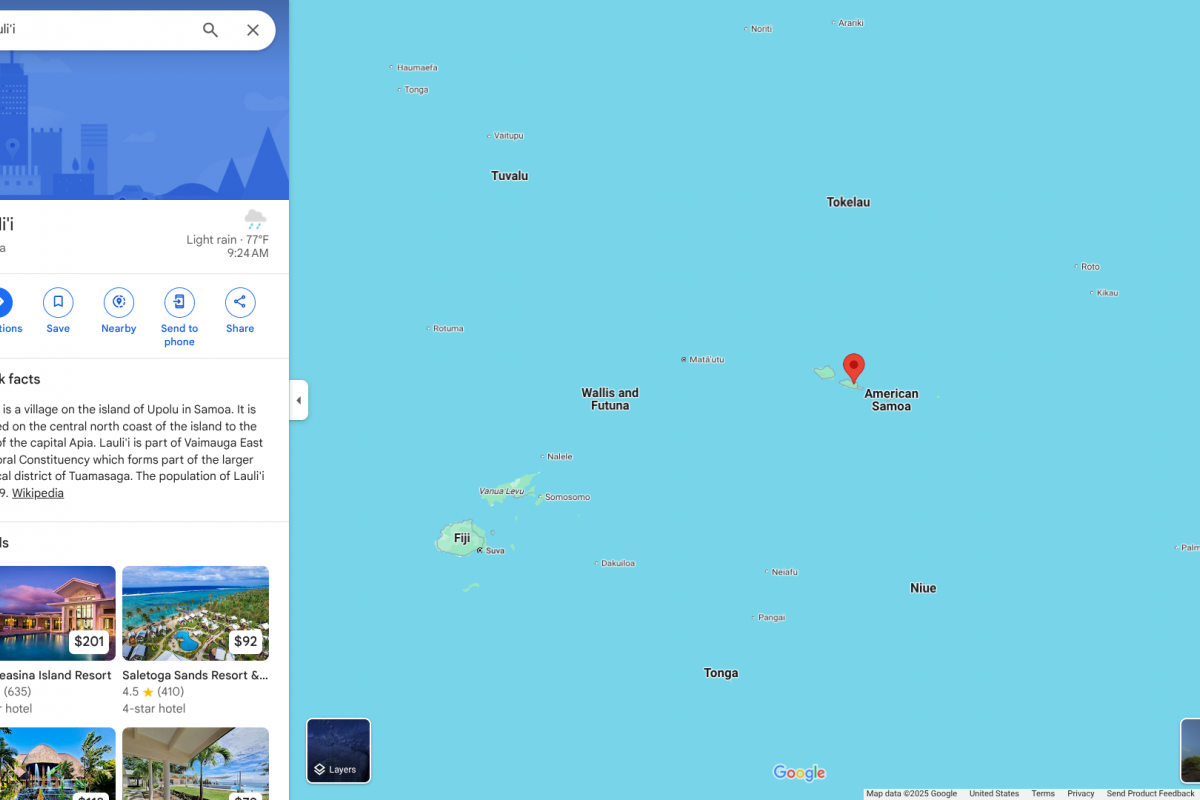
As of April 17, 2025, Samoa's Ministry of Health reported fifteen new Dengue cases. Most of the confirmed cases were reported from the North West villages between Lauli'i and Mulifanua, located west of American Samoa.

The concerning aspect of Samoa's announcement is that nine of these Dengue cases were reported within the past two weeks.

In 2024, the Samoan government also issued a Dengue travel alert to advise its 200,000 residents of this mosquito-transmitted disease. For more information, contact the Ministry of Health at email [email protected], or visit www.health.gov.ws.

To the southwest of Samoa, the Fiji Ministry of Health is reporting an expansive Dengue outbreak in 2025.

As of mid-April 2025, Dengue at-risk areas in the United States include southeast Florida and Puerto Rico.

And in South America, Brazil continues reporting significant Dengue outbreaks this year.

Without an approved Dengue vaccine available in 2025, the CDC recommends that travelers to risk areas should prevent mosquito bites to eliminate the risk of contracting this serious disease.

Apr 18, 2025 • 2:01 pm CDT
by Moni Mckein 2025

Over the past decade, the Republic of Costa Rica has seen a significant increase in tourism from the United States and the United Kingdom, which has dramatically boosted the local economy.

However, the Tico Times reported on April 17, 2025, that the positive tourism trend has suddenly shifted in 2025.

This local media outlet's article, "Why Tourists Are Vanishing," reported that in February 2025, only 270,810 tourists arrived in Costa Rica by air, a 7% decrease from the previous year.

According to the Costa Rican Tourism Board, this data marks six consecutive months of decline.

The reasons behind these decreases include tourists facing higher costs due to the local currency, rising insecurity, an increase in tourists reporting crimes such as assaults and thefts, and eating shellfish.

On April 15, 2025, the U.S. Embassy confirmed a ban on the harvesting and sale of bivalve mollusks (such as piangua, mussels, clams, and oysters) from the coastal area between Playa Herradura and the mouth of the Guacimal River.

According to local authorities, recent tests in shellfish from this region detected paralytic marine toxins, a serious type of toxin that can lead to shellfish poisoning.

Additionally, mosquito-borne diseases such as chikungunya, dengue, and Zika are once again affecting both residents and international visitors.

The Ministry of Health and the Pan American Health Organization have confirmed, as of April 18, 2025, that seven cases of chikungunya have been reported so far this year, 1,957 cases of dengue, six cases of malaria, and six cases of Zika.

Recently, the Ministry of Health announced positive news as the local vector control teams are proactively eliminating mosquito breeding sites and fumigating houses to reduce these infections.

Moreover, approved vaccines to prevent chikungunya and dengue are available in various countries this year.

While tourists have other Central American and Caribbean destinations to visit, Costa Rica's lush mountains and delightful beaches will continue to welcome visitors during the summer of 2025.

Apr 18, 2025 • 4:15 am CDT
by Alexander Lesnitsky

Vaccines are currently recommended to help protect individuals over 10 years old against disease-causing serogroups of Neisseria meningitidis (A, B, C, W, and Y).

To address the current under-vaccination rate, a new meningococcal vaccine has now been recommended to reduce the number of injections.

GSK plc announced that the U.S. Centers for Disease Control (CDC) and Prevention's Advisory Committee on Immunization Practices (ACIP) has voted to recommend the use of PENMENVY as part of the adolescent meningococcal vaccination schedule.

Tony Wood, Chief Scientific Officer at GSK, commented in a press release on April 15, 2025, "We welcome this positive recommendation that can help strengthen disease prevention efforts in the US. Pentavalent vaccines can reduce the number of injections required to help protect against invasive meningococcal disease, especially disease caused by serogroup B."

Although MenB is the leading cause of invasive meningococcal disease (IMD) among this population, less than 13% of 17-year-olds received the recommended two-dose vaccination series; around 32% received at least one dose according to 2023 CDC survey data.

The CDC says IMD is an uncommon but serious illness that can lead to death for up to one in ten of those who contract it in as little as 24 hours from onset, despite treatment.

Adopted ACIP recommendations are published as official CDC recommendations.