Tackling TB with Enhanced Nutrition


According to the World Health Organization (WHO), undernutrition remains one of the most significant drivers of the tuberculosis (TB) epidemic globally – contributing to increased vulnerability to TB disease, poorer treatment outcomes, and preventable mortality.
The WHO says addressing undernutrition and food insecurity among people affected by TB has the potential to improve outcomes and save lives.
As part of the WHO consolidated guidelines on tuberculosis. Module 6: Tuberculosis and Comorbidities, new recommendations on tuberculosis and undernutrition were released on October 8, 2025.
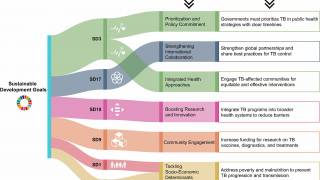
The release of the latest guidelines marks a significant step in tackling determinants as part of people-centered care under WHO's End TB Strategy. Key recommendations in the new guidelines include:
Nutritional assessment and counseling are provided for all people with TB, as well as their household contacts. This recognizes that a significant proportion of people in households with TB may be undernourished;
Provision of nutritional interventions to optimize clinical outcomes in people with TB who have undernutrition, regardless of age, drug resistance, pregnancy status, or severity of undernutrition; and provision of food assistance to prevent TB in household contacts of people with TB in food-insecure settings. This new recommendation was informed by the findings from the Reducing Activation of Tuberculosis by Improvement of Nutritional Status (RATIONS) trial.*
"Tuberculosis thrives on inequality, with undernutrition as a major driver," said Dr Tereza Kasaeva, Director of the WHO Department for HIV, Tuberculosis, Hepatitis, and Sexually Transmitted Infections, in a media release.
"To end TB, we must address undernutrition and food insecurity as part of a comprehensive, household-centered response. Integrating nutrition into comprehensive TB care is essential to breaking the cycle of disease and poverty, and constitutes a critical step towards a world free of TB."
The uptake of the WHO guidelines will require close collaboration with government departments and stakeholders involved in nutritional care, food assistance, and social welfare services.
Hon. Dr. Luis Gallo, MP for Uruguay and Co-Chair of the Americas TB Caucus, recently delivered a message at the UN High-Level Meeting calling for integrated health systems to address TB alongside conditions such as diabetes, tobacco use, and harmful alcohol consumption, which drive more than 20% of new TB diagnoses in the Region of the Americas.
The briefing published in September 2025 explains 'what good looks like' for TB prevention and how to overcome standard policy and implementation barriers.
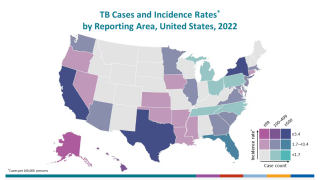
These guidelines may offer insights on how the United States can decrease the multi-year acceleration of TB cases in various states, such as California, Florida, New York, and Texas.
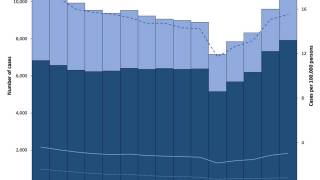
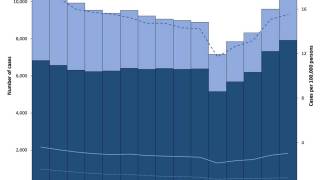
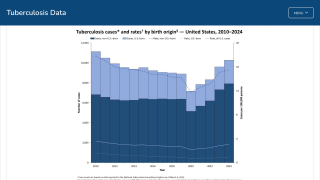
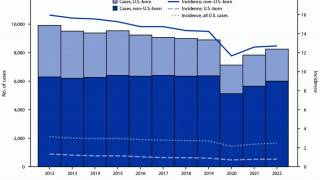
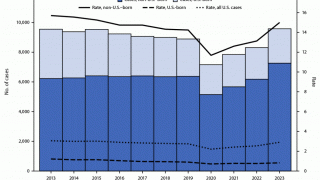
According to the U.S. Centers for Disease Control and Prevention, 10,347 TB cases were reported by 34 states and the District of Columbia in 2024—the percentage increase in case counts (8%) from 2023.
While the CDC recommends the century-old BCG vaccine to prevent TB, it has limited availability in the USA.
Our Trust Standards: Medical Advisory Committee
-
Fact checked by Robert Carlson, MD