Shingles Vaccination Slows Biological Aging Domains


A recent study published in The Journals of Gerontology Series A found that the shingles vaccine may offer benefits beyond preventing the painful Herpes Zoster infection and could also contribute to slower biological aging in older adults.
On January 20, 2026, researchers from the University of Southern California Leonard Davis School of Gerontology published data that, after adjusting for sociodemographic factors and health covariates, the results showed that individuals who received the shingles vaccine (herpes zoster vaccine) exhibited significantly more favorable profiles in several areas.
Specifically: - Lower inflammation scores (b = -0.14, p = 0.0027), indicating reduced chronic "inflammaging"—a low-grade inflammation linked to age-related diseases like heart disease, frailty, and cognitive decline.
Slower epigenetic aging (b = -0.17, p = 0.0001), reflecting changes in how genes are expressed over time without altering the DNA sequence itself.
Slower transcriptomic aging (b = -0.19, p < 0.0001), which measures how genetic instructions are converted into proteins.
A lower overall composite biological aging score (b = -0.18, p = 0.0002), suggesting broader benefits for systemic and molecular aging processes.
Interestingly, vaccinated participants showed higher adaptive immunity scores (b = 0.09, p = 0.0133), an unexpected result that researchers believe requires further exploration.
According to these researchers, vaccination timing played a role in these findings.
The improvements in epigenetic, transcriptomic, and composite biological aging were most pronounced within the first three years after vaccination, although evidence of slower aging persisted beyond that period.
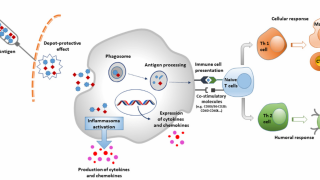
Lead author Jung Ki Kim noted that the vaccine may help reduce background inflammation, possibly by preventing the reactivation of the varicella-zoster virus, which causes chickenpox and later shingles.
"By helping to reduce this background inflammation—possibly by preventing reactivation of the virus that causes shingles—the vaccine may play a role in supporting healthier aging," Kim explained.
The study supports the emerging idea that certain vaccines could influence biological systems tied to aging, extending their value beyond mere infection prevention.
However, the authors emphasize that the effects are specific to certain domains, modest in size, and observational—indicating that they show associations rather than definitive causation. And that longitudinal research is needed to confirm these patterns and clarify long-term health implications.
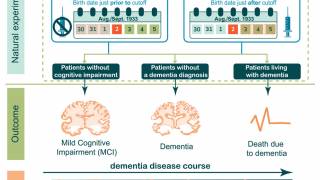
Previously, in December 2025, a study suggested that the shingles vaccine may also be protective against dementia. These researchers concluded that herpes zoster vaccination appears to act along the entire clinical course of dementia. The findings that Harvard T.H. Chan School of Public Health's Alberto Ascherio calls "promising" in a press release.
As of January 22, 2026, the most popular shingles vaccine in the United States, Shingrix® (recombinant zoster vaccine), is already recommended by health authorities such as the U.S. CDC for adults aged 50 and older due to its strong protection against shingles and related complications, such as postherpetic neuralgia.
Manufactured by GSK, Shingrix is a non-live, adjuvanted recombinant vaccine that has been the U.S. standard since replacing the older live vaccine, Zostavax. This vaccine is commercailly offered at most clinics and pharmacies in the U.S.
Our Trust Standards: Medical Advisory Committee
-
Fact checked by Robert Carlson, MD