Shingles Vaccination Also Reduces Risk of Dementia and Heart Disease

According to new research presented at IDWeek 2025, herpes zoster (shingles) is linked to lower risks of heart disease, dementia, and death in people.
On October 19, 2025, researchers compared outcomes from the shingles vaccine with those from the pneumococcal vaccine. They found that adults who had received the shingles vaccine had a 50% lower risk of vascular dementia, a 27% lower risk of blood clots, a 25% lower risk of heart attack or stroke, and a 21% lower risk of death.
"Shingles is more than just a rash — it can raise the risk of serious problems for the heart and brain," commented Ali Dehghani, DO, doctor of internal medicine at Case Western Reserve University's School of Medicine and presenting author.
"Our study findings show that the shingles vaccine may help lower those risks, especially in people already at higher risk for heart attack or stroke."
Experts say the study's findings suggest that the shingles vaccine may help protect against those complications in addition to preventing shingles itself.
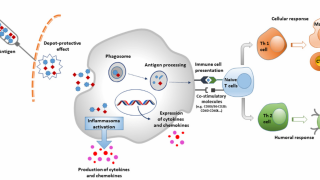
For example, on June 25, 2025, a study was published, "Lower risk of dementia with AS01-adjuvanted vaccination against shingles and respiratory syncytial virus infections," suggesting that the AS01 adjuvant itself plays a direct role in reducing the risk of dementia.
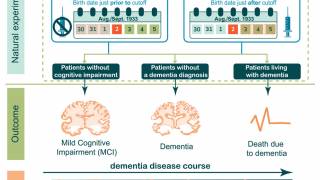
And in July 2024, a University of Oxford-led study concluded that receiving the recombinant Shingrix vaccine is associated with a 17% increase in diagnosis-free time, translating into 164 additional days lived without a diagnosis of dementia in those subsequently affected.
In the United States, the Shingrix® non-live, adjuvanted recombinant shingles vaccine is offered at most pharmacies.
In addition to Dr. Dehghani, study co-authors include George Yendewa, MD, MPH.
Our Trust Standards: Medical Advisory Committee
-
Fact checked by Robert Carlson, MD