Search API

0 min read

Although the risk for locally acquired malaria in the United States remains very low, its reemergence highlights the importance of vectorborne disease preparedness and response.

On October 24, 2024, the U.S. CDC published MMWR 73(42);946–949 confirmed ten local cases identified in Arkansas, Florida, Maryland, and Texas in 2023.

So far, in 2024, the CDC has confirmed 1,576 travel-related malaria cases, with New York City leading with 220. About 240 people with malaria are reported each year in NYC.

However, the CDC has not reported any local malaria cases this year.

The WHO African Region shoulders the heaviest burden of malaria disease. When visiting malaria-endemic areas, the CDC recommends avoiding mosquito bites and bringing appropriate medications on your trip.

As of October 28, 2024, malaria vaccines are offered in Africa and Europe.

Vaccine Treats: 
Image: 
Image Caption: 
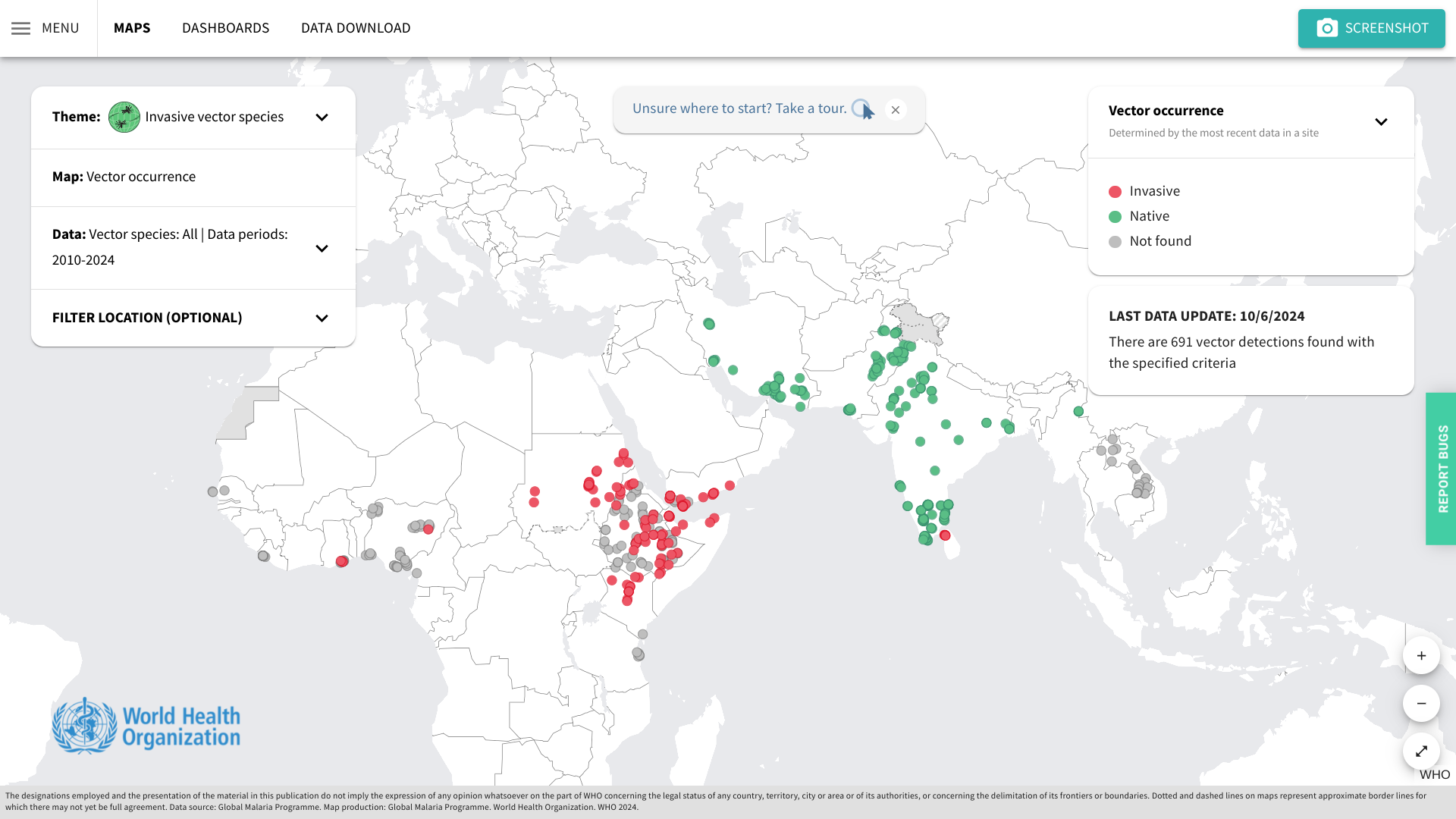
WHO Malaria case map October 2024
Live Blog Update Author: 
Location Tags: 
Include in VBT newsletter: 
dengue
Dengue Virus 3 primary infection found more severe
0 min read

Vaxxas today announced that the U.S. National Institutes of Health (NIH) has granted the company a license to a next-generation vaccine antigen (DS2) designed for use in prophylactic vaccines against Respiratory Syncytial Virus (RSV).

DS2 has been found to prompt a more robust and durable immune response against RSV than the antigen used in globally approved vaccines (DS-Cav1).

There are three RSV vaccines currently approved for use in the U.S.

"Published preclinical results show the potential immunogenic advantages of this next-generation antigen as the basis for an RSV vaccine that could offer more robust and durable protection against the virus, compared to vaccines already on the market,” David L. Hoey, President and CEO of Vaxxas, in a press release on October 28, 2024.

Furthermore, Vaxxas’ proprietary HD-MAP offers the potential for the first needle-free, room-temperature stable RSV vaccine.

The Vaxxas HD-MAP comprises thousands of microscopic projections molded into a small patch. Each microprojection is coated with a small dose of vaccine in a dried formulation. When applied to the skin using a proprietary applicator, the patch delivers the vaccine to the abundant immune cells that naturally reside immediately below the skin surface.

The company says, 'Ultimately, HD-MAPs could enable a future in which vaccine patches could be shipped directly to people, avoiding the delay, inconvenience, and safety challenges associated with traditional needle-and-syringe vaccine scheduling and administration.'

Image: 
Image Caption: 
Vaxxas HD-MAP 2024
Live Blog Update Author: 
Location Tags: 
Include in VBT newsletter: 
UTI vaccine
Oral UTI vaccine offered in various countries
0 min read

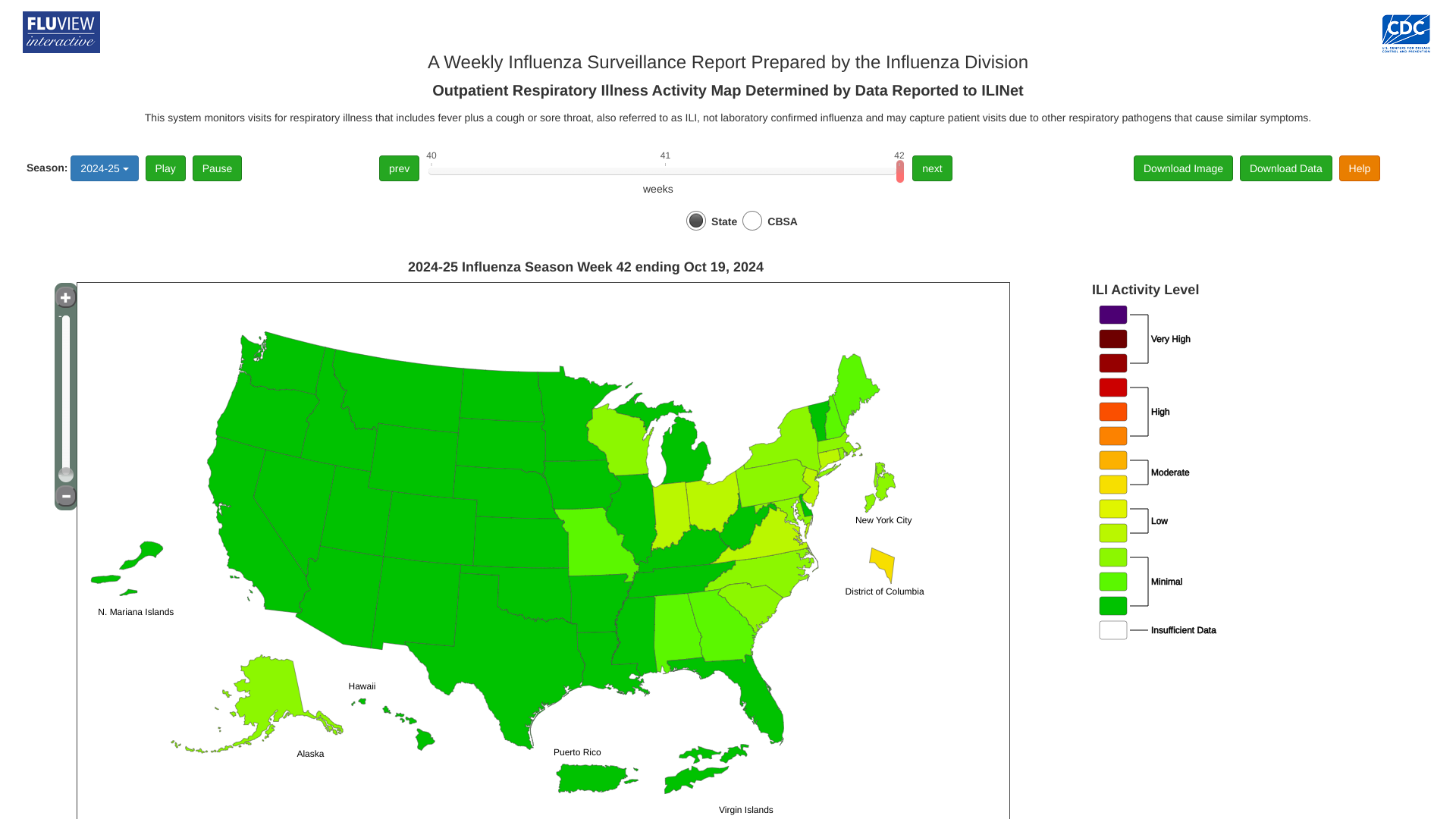
The U.S. CDC's Influenza Surveillance Report: Key Updates for Week #42 says, 'Season influenza activity remains low nationally.'

Influenza is among several respiratory diseases, such as respiratory syncytial virus, currently circulating in the 2024-2025 flu season.

As of October 25, 2024, of the 97 viruses reported by public health laboratories, 94 were influenza A and 3 were influenza B. Of the 63 influenza A viruses subtyped during Week 42, 37 (58.7%) were influenza A(H1N1)pdm09, and 26 (41.3%) were A(H3N2).

The CDC recommends that everyone six months and older get an annual flu shot, ideally by the end of October. Over 92 million flu shots have been distributed in the U.S. and are offered at local pharmacies.

Vaccine Treats: 
Image: 
Image Caption: 
US CDC October 25, 2024
Live Blog Update Author: 
Location Tags: 
Include in VBT newsletter: 
0 min read

During the summer and fall of 2024, the Pan American Health Organization (PAHO) issued several epidemiological alerts about Oropouche cases, including deaths, in the Region of the Americas.

Significant outbreaks have been reported in Brazil and Cuba.

On October 25, 2024, the U.S. CDC reaffirmed it is working with PAHO and other international partners to learn more about the potential risks of Oropouche.

The CDC's Level 1 - Practice Usual Precautions, Travel Health Advisory, says Oropouche is spread primarily by the bite of infected midges and mosquitoes.

Oropouche symptoms include headache, fever, muscle aches, stiff joints, nausea, vomiting, chills, and sensitivity to light. They typically start 3–10 days after being bitten and last 3–6 days, and most people recover without long-term effects.

The CDC says there is no specific treatment or vaccine for Oropouche.

Vaccine Treats: 
Image: 
Image Caption: 
US CDC October 25, 2024
Live Blog Update Author: 
Location Tags: 
Include in VBT newsletter: 
0 min read

Throughout 2024, the world has faced a record number of dengue virus outbreaks. To alert international travelers, the World Health Organization has classified dengue as a grade 3 emergency.

However, the continental United States has remained largely unaffected by this mosquito-borne outbreak.

In the U.S., Florida has reported local dengue cases for several years, while California had only two cases in 2023.

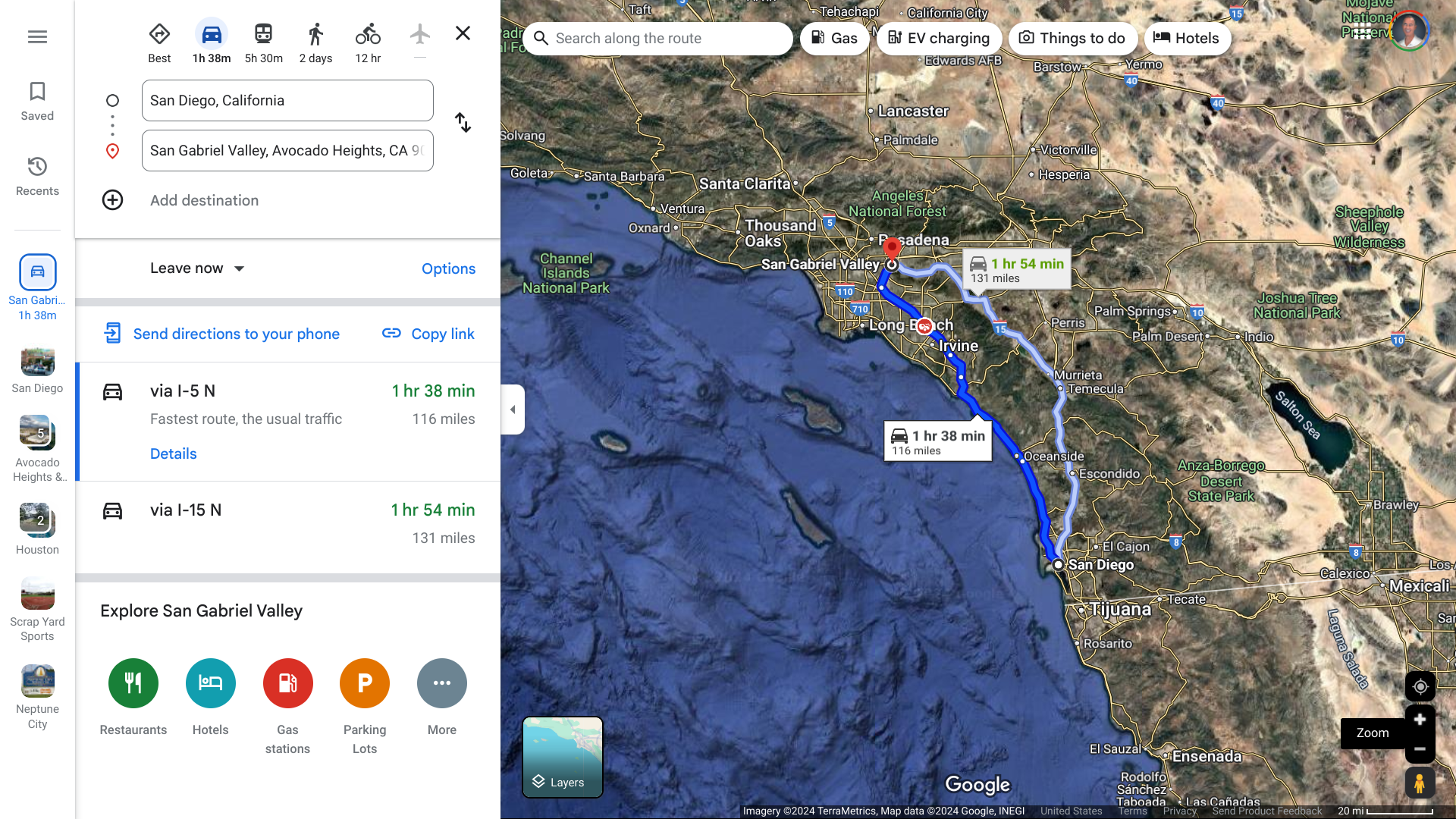
In recent months, Los Angeles has confirmed nine local dengue cases, and San Diego has reported two, bringing the total to eleven cases in California this year.

As reported by the San Diego HHS Agency on October 25, 2024, the second locally acquired dengue case in San Diego County has been confirmed in a Vista resident who became sick and was hospitalized. This person is not associated with the Escondido case.

Nationwide, the U.S. CDC has confirmed 6,494 travel and local-related cases in 50 states this year. Many of these local dengue cases (3,877) have been reported in Puerto Rico, with the San Juan region reporting about 1,400 cases.

And in the Region of the Americas, which includes the U.S., over 12 million cases and 7,289 related deaths in the Americas in 2024.

While Dengue is a vaccine-preventable disease, the U.S. is one of a limited number of countries not offering a vaccine at the end of 2024.

Vaccine Treats: 
Image: 
Image Caption: 
Google Maps Oct. 27, 2024
Live Blog Update Author: 
Location Tags: 
Include in VBT newsletter: 
0 min read

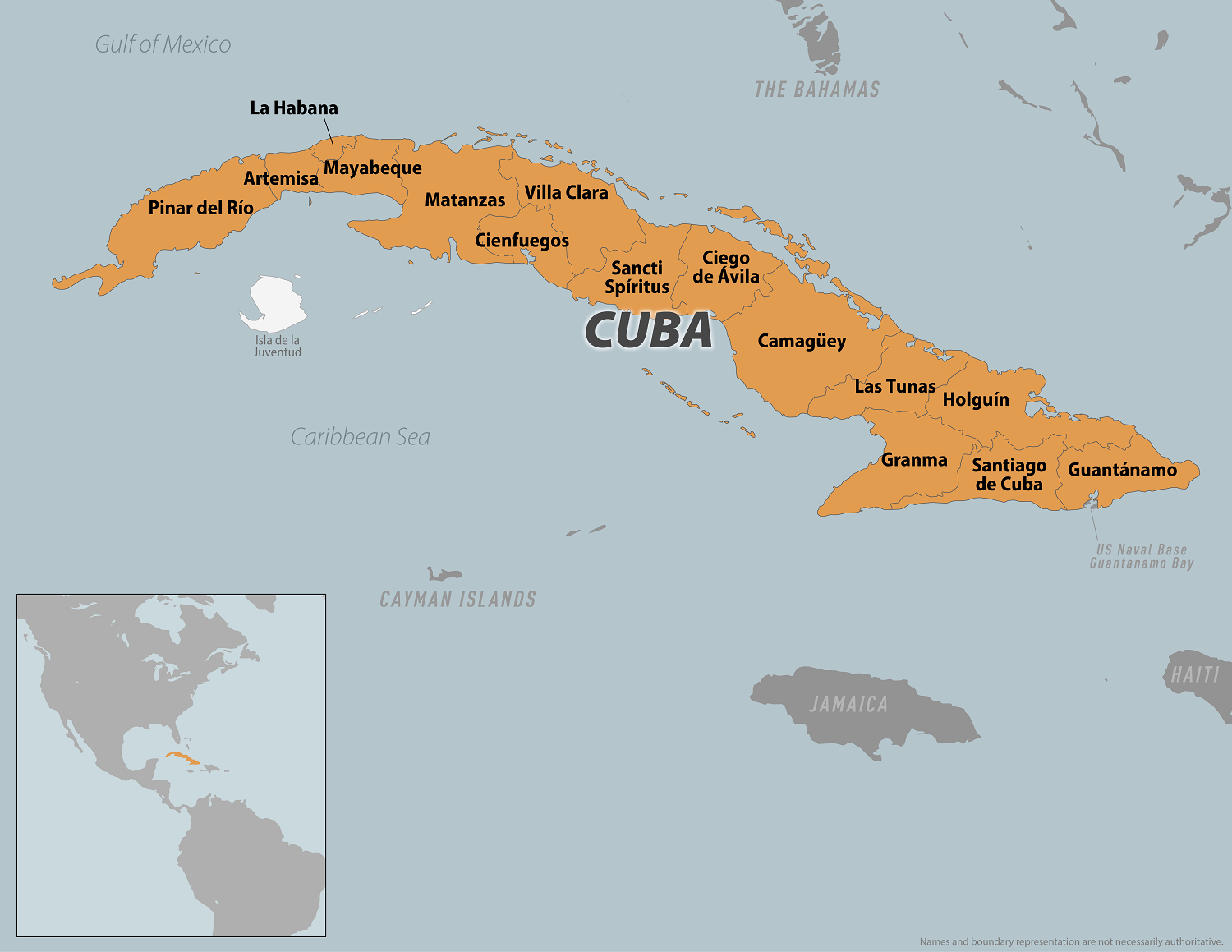
The U.S. CDC announced an essential update to its Level 2 travel advisory regarding the ongoing Oropouche virus outbreak in Cuba.

As of October 25, 2024, the CDC confirmed multiple cases of Oropouche have recently been reported in U.S. travelers returning from Cuba, indicating there is a detectable risk of infection.

The CDC recently confirmed 91 cases from five states, led by cities along Florida's southeast coast.

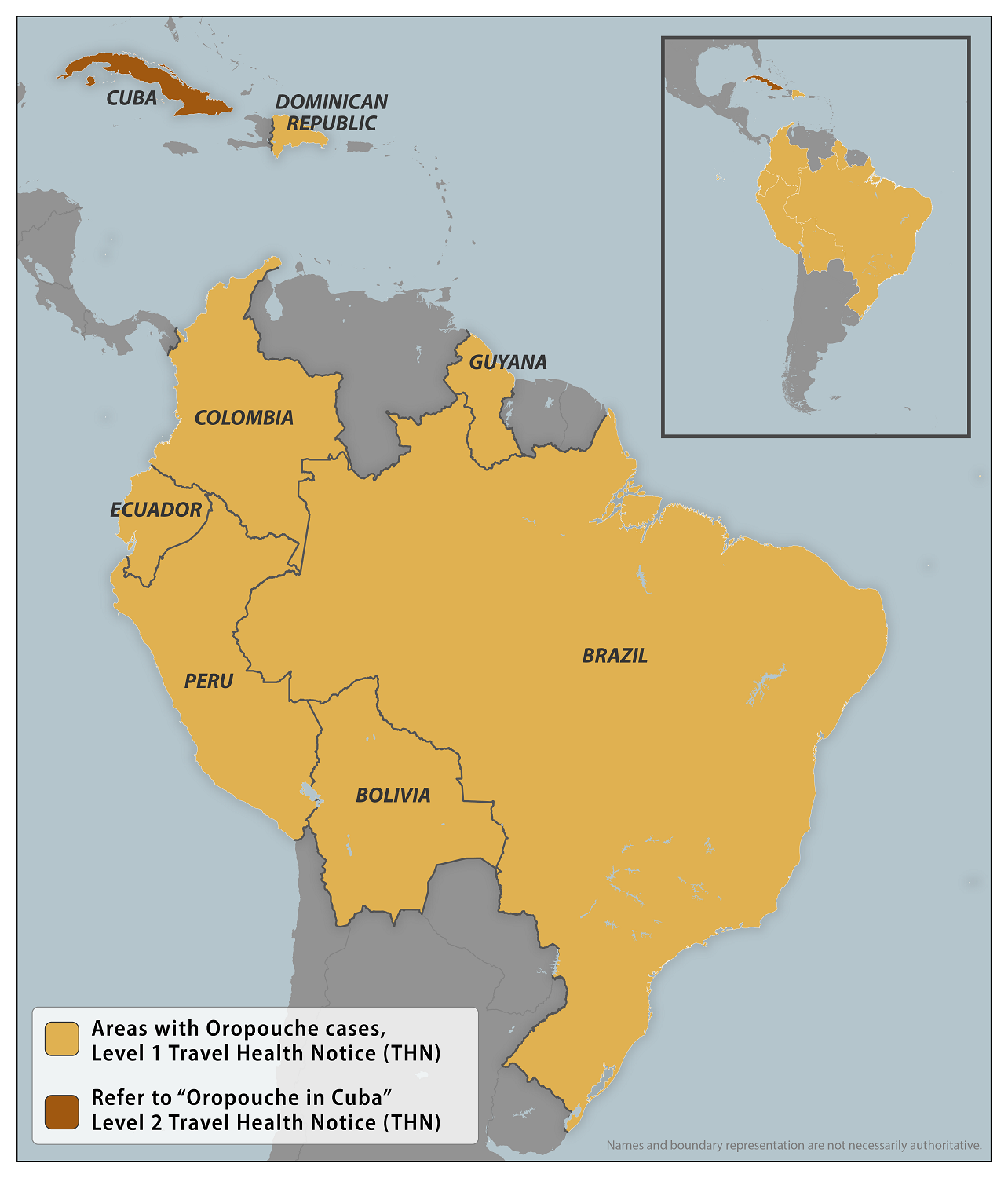
The CDC has also issued a Level 1 Travel Health Notice for Oropouche outbreaks in the Region of the Americas, such as in Bolivia, Brazil, Colombia, Dominican Republic, Ecuador, Guyana, and Peru.

From the beginning of the year to early October, 10,275 confirmed cases of Oropouche were reported in nine countries in the Region.

Historically, Oropouche has been confirmed to spread to people following a bite of infected midges (small flies) and mosquitoes.

Recently, Oropouche virus has been found in semen, but it is unknown if it can be spread through sex, says the CDC.

Additionally, pregnant women should reconsider non-essential travel to Cuba since there are concerns about an increase in possible cases of the Oropouche virus being passed from a pregnant person to their fetus associated with fetal deaths and congenital abnormalities. 

Since no Ocopouche vaccines are available, the CDC says travelers to Cuba should prevent bug bites during travel to protect themselves from infection.

Vaccine Treats: 
Image: 
Image Caption: 
US CDC October 25, 2024
Live Blog Update Author: 
Location Tags: 
Include in VBT newsletter: 

Travel Vaccine Destinations March 2026

Travel Vaccine Destinations March 2026

The World Health Organization (WHO) and the U.S. Centers for Disease Control and Prevention (CDC) recommend that all travelers get vaccinated against high-risk diseases before traveling internationally. As of 2026, the WHO and CDC suggest consulting with a local health practitioner to determine which travel vaccines are recommended for your destination city or country.

The WHO states that some countries require proof of vaccination against yellow fever and polio for travelers entering or exiting the country.

Argentina

Australia

Brazil

China

Colombia

Costa Rica

Dominican Republic

England

Florida

France

Germany

India

Indonesia

Italy

Japan

Malaysia

Philippines

Puerto Rico

Singapore

Spain

Thailand

Government Travel Resources

US CDC Travel Health Advisories

U.K. Travel Health Pro

Pan American Health Organization

European Center for Disease Prevention and Control

World Health Organization Disease Outbreak Alerts

1 min read
Last Reviewed: 
Tuesday, March 3, 2026 - 16:10
Description: 
Disease outbreaks in cities and countries in 2026
Condition: 
0 min read

Recently, the World Health Organization and the Africa Centres for Disease Control and Prevention identified Rift Valley fever as a priority disease.

To address this need, a promising vaccine candidate against the potentially deadly Rift Valley fever is set to begin Phase II trials in Kenya. ChAdOx1 RVF is the most advanced stage of testing a human Rift Valley fever vaccine candidate.

While Rift Valley fever vaccines have been registered for animals, no vaccines are available for human use.

ChAdOx1 RVF has already shown positive results in the first stage of clinical trials conducted in the UK. The trial demonstrated that the vaccine was safe and well-tolerated in volunteers who received a single shot of the vaccine, and that it elicited high levels of neutralising antibodies which block viral infection and mediate protection against the virus.

Studies have also shown that the vaccine protects against Rift Valley fever in multiple livestock species, suggesting that it could be used for both people and livestock.

“Rift Valley fever disproportionately affects the lives and livelihoods of vulnerable pastoral communities, potentially causing both human fatalities and large-scale livestock losses,” said Dr. Richard Hatchett, CEO of the Coalition for Epidemic Preparedness Innovations (CEPI), in a press release.

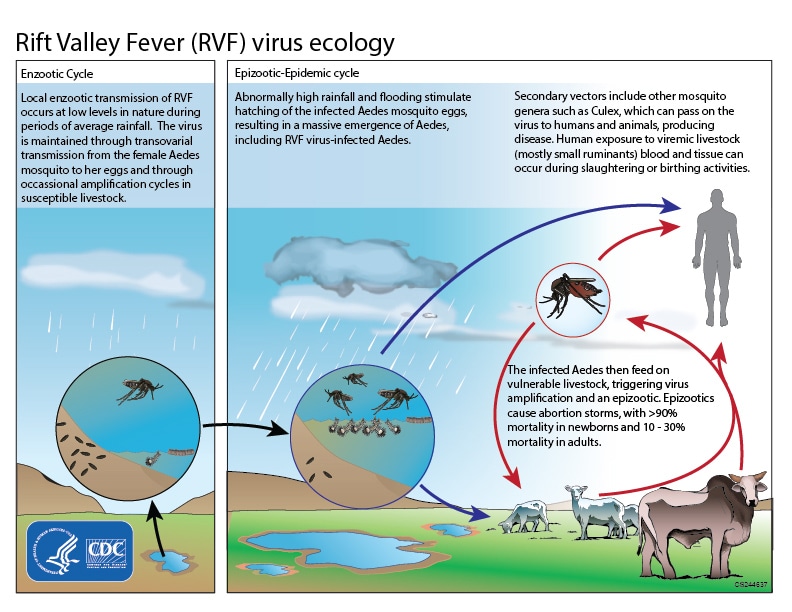
Rift Valley fever, a mosquito-borne disease, usually occurs in people following direct contact with infected animals or bites from infected mosquitoes. The virus spreads from the female mosquitoes to the eggs. As more mosquitoes hatch, the potential for the virus to spread directly to animals and people increases.

While the majority of people infected experience mild disease, a small proportion develops the severe hemorrhagic form, which can cause blindness, convulsions, encephalitis, and bleeding, and mortality rates of up to 50%.

CEPI and the University of Oxford are committed to enabling access to vaccine outputs developed through this partnership, which aligns with CEPI’s Equitable Access Policy. 
Vaccine Treats: 
Image: 
Image Caption: 
US CDC
Live Blog Update Author: 
Location Tags: 
Include in VBT newsletter: