Coronavirus Breaking News

The coronavirus disease COVID-19 is currently reaching pandemic levels in various countries.

Feb 19, 2023 • 10:50 am CST
from Pixabay

The Florida Health Department recently reported 18 additional travel-associated dengue case were reported in week #6. 

At this pace, Florida may exceed its case reports for 2022, when 903 travel-associated dengue cases have been reported.

Florida is not alone in reporting dengue cases in 2023.

The Pan American Health Organization reported on February 19, 2023, that Brazil confirmed the highest number of dengue cases in the Region in 2022, with 2,363,490 cases (84%), followed by Nicaragua, Peru, Colombia, and Mexico.

 And the U.S. territory of Puerto Rico continues to report severe dengue cases in 2023.

While the U.S. Centers for Disease Control and Prevention issued a Watch - Level 1, Practice Usual Precautions travel notice regarding dengue outbreaks in 2022, it did not include Florida or Puerto Rico. 

Dengue is a disease caused by a virus spread through mosquito bites.

Furthermore, a recent study published by the Royal Society indicates the mosquitoes that carry dengue are expanding their range.

Using a regression approach, these researchers estimated that specific mosquitoes gained an average of 6.5 m of elevation per year, and the southern limits of their ranges are moving polewards 4.7 km per year. 

The good news is dengue is a vaccine-preventable disease.

As of February 19, 2023, two authorized dengue vaccines (Qdenga and Dengvaxia) are available in certain countries.

Dengue vaccination is not required to visit Florida or the Caribbean during 2023.
Feb 18, 2023 • 6:19 am CST
U.S. CDC Polio Alert Jan. 2023

During the year since Malawi confirmed its first case of wild poliovirus patient in 30 years, more than 33 million children across five African countries have been vaccinated against the virus.

About 80 million polio vaccine doses have been administered since mid-2022.

A total of nine wild poliovirus cases have been reported, with one in Malawi and eight in neighboring Mozambique, since the declaration of an outbreak in February 2022 in Malawi.

The last confirmed case to date was in August 2022 in Mozambique.

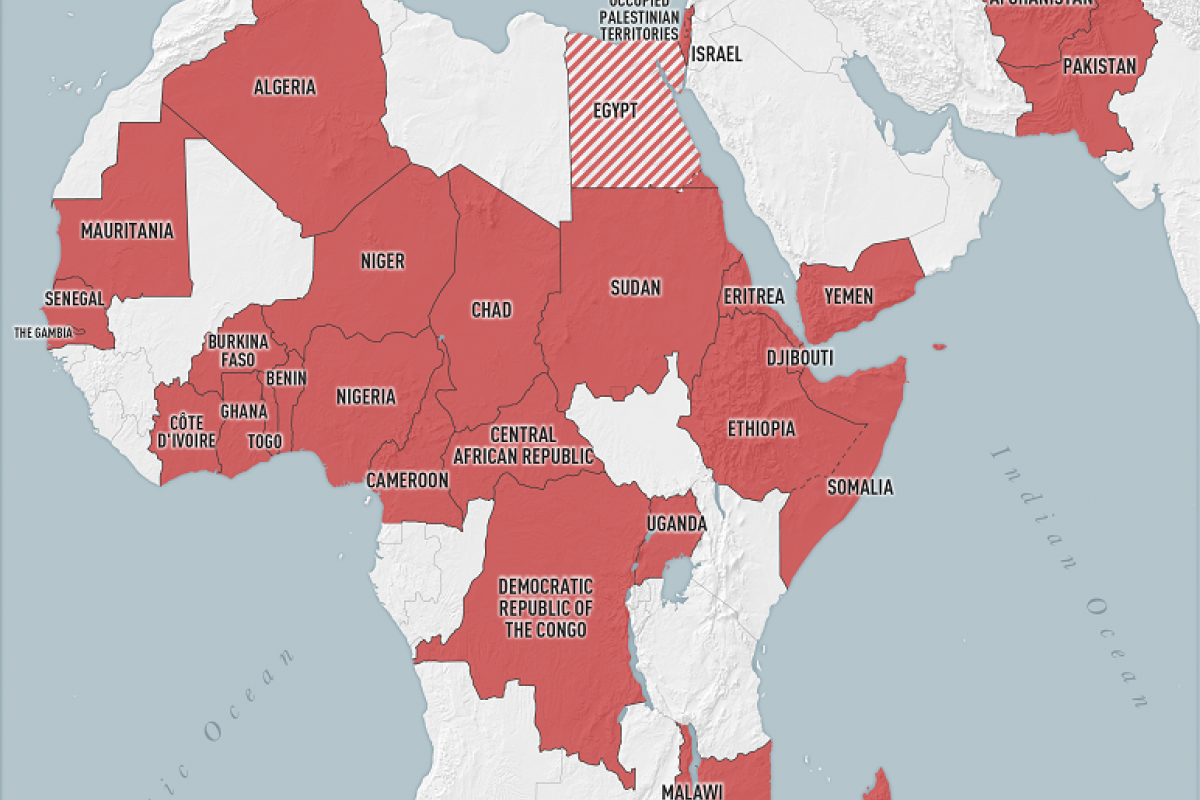
The wild poliovirus in Malawi and Mozambique originated from Pakistan, one of the two last endemic countries.

"Southern Africa countries have made huge efforts to bolster polio detection, curb the spread of the virus and ensure that children live without the risk of infection and lifelong paralysis," said Dr. Matshidiso Moeti, World Health Organization (WHO) Regional Director for Africa, in a press release on February 17, 2023.

"We continue to support the polio control efforts across the region so that every child receives the protection they need."

And at least five more are planned for 2023 in the five countries.

Polio is highly infectious and affects unimmunized or under-immunized children.

There is no cure for polio, and it can only be prevented by immunization.

Children worldwide remain at risk of wild polio type 1 as long as the virus is not eradicated in the remaining areas where it is still circulating.

There are WHO-approved polio vaccines offered throughout Africa.

These African countries were identified in the U.S. CDC's Global Polio Alert - Level 2, Practice Enhanced Precautions alert issued in January 2023.

Feb 18, 2023 • 5:10 am CST
by Quang Nguyen vinh

The peer-review JAMA Network published an Original Investigation focused on the most appropriate monoclonal antibody (mAb) for preventing respiratory syncytial virus (RSV) in children.

This analysis was essential since RSV is a leading cause of respiratory disease in children and the primary cause of hospitalization for viral respiratory infections.

Published on February 17, 2023, this systematic review and network meta-analysis comparing the efficacy and safety of 4 mAbs for preventing RSV infection in children found associations with the improvement of clinically meaningful outcomes and no significant associations with RSV-related adverse effects and mortality.

These findings suggest that motavizumab, nirsevimab, and palivizumab are associated with reduced rates of RSV infections and hospitalizations.

Similar results were observed in the rate of supplemental oxygen use.

While RSV vaccine candidates are completing late-stage clinical studies, mAbs targeting RSV prevention have been U.S. Food and Drug Administration (FDA) for years.

For example, the U.S. CDC CDCHAN-00479 stated on November 4, 2022, that eligible high-risk children should receive the mAbs palivizumab (Synagis) treatment according to AAP guidelines to prevent RSV-associated hospitalizations. 

Recently, the Biologics License Application for nirsevimab (Beyfortus®) was accepted for review by the FDA on January 5, 2023. The FDA's Prescription Drug User Fee Act date for its decision is in the third quarter of 2023.

If approved, nirsevimab would become available in the U.S. for the 2023/2024 RSV season. 

Nirsevimab (MEDI8897) was developed in partnership between AstraZeneca and Sanofi.

Feb 17, 2023 • 12:56 pm CST
Florida Dept of Health Feb 15, 2023

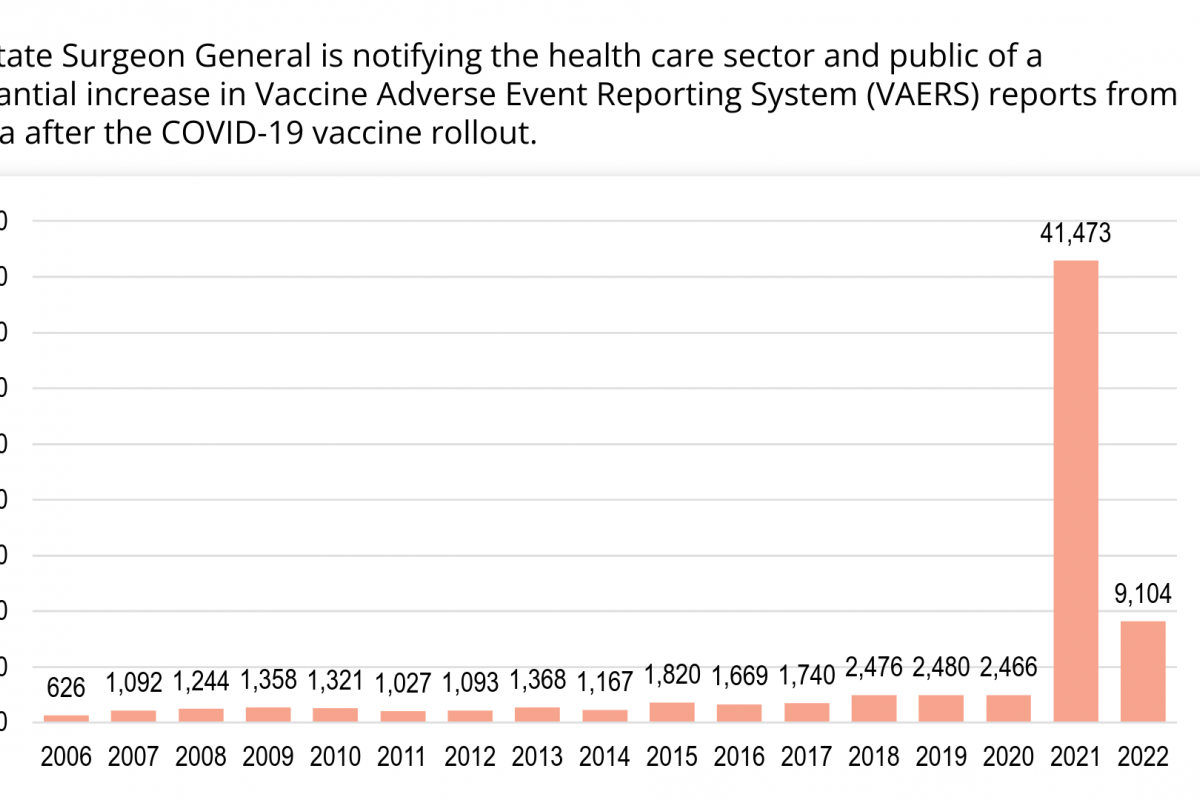
Although the initial response was led by a sense of urgency and crisis management, the Florida State Surgeon General announced on February 15, 2023, he believes it is critical that, as public health professionals, responses are adapted to the present to chart a future guided by data.

As such, the State Surgeon General notified the healthcare sector and public on February 15, 2023, of a substantial increase in Vaccine Adverse Event Reporting System reports issued from Florida after the COVID-19 vaccine rollout.

To further evaluate this, Surgeon General Dr. Ladap wrote a letter to the U.S. Food and Drug Administration and the Centers for Disease Control and Prevention, illustrating the risk factors associated with the mRNA COVID-19 vaccines and emphasizing the need for additional transparency.

Feb 17, 2023 • 12:01 pm CST
U.S. CDC Marburg cases map Feb. 16, 2023

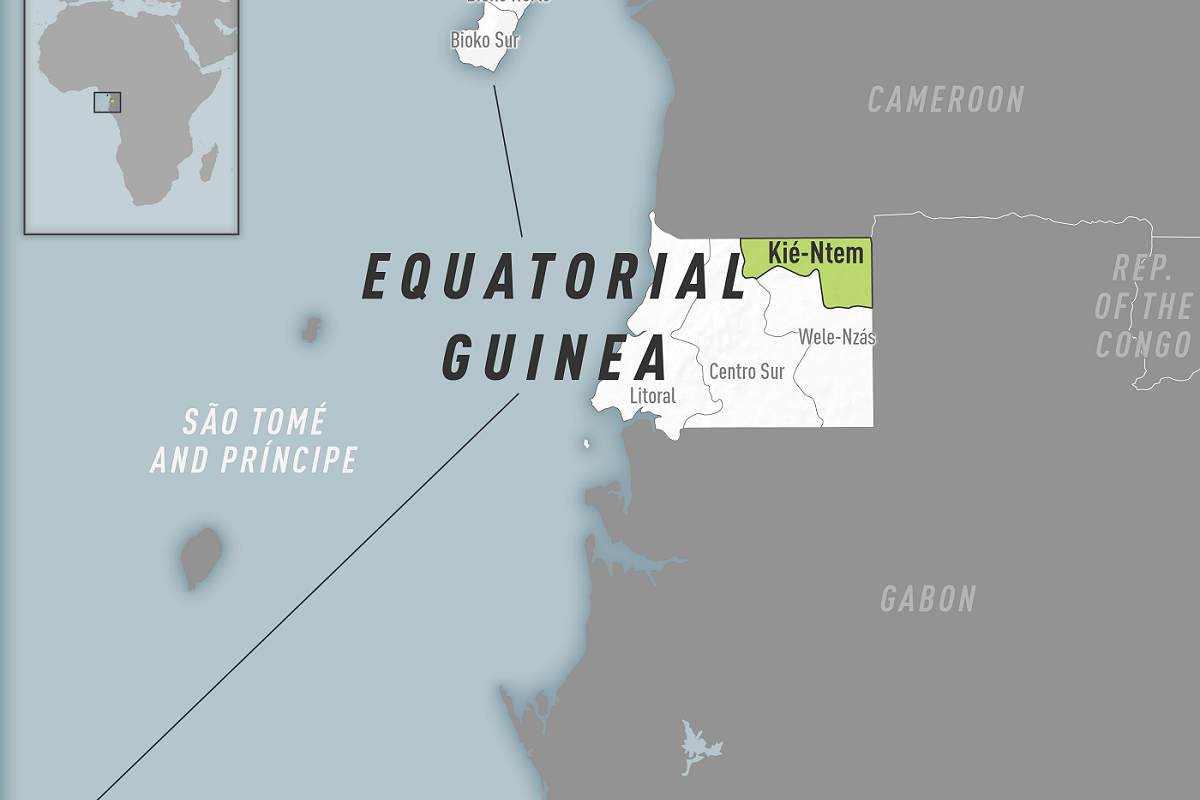
The U.S. Centers for Disease Control and Prevention (CDC) today announced Equatorial Guinea declared an outbreak of Marburg virus disease (MVD) after confirming cases in the Kie Ntem Province.

In response, Equatorial Guinea declared an outbreak of MVD on February 13, 2023.

The CDC stated on February 16, 2023, that MVD is a rare and deadly disease that has sometimes caused outbreaks in several African countries.

Travelers to MVD endemic areas should separate themselves from others and seek medical care immediately if they develop fever, chills, muscle pain, rash, sore throat, diarrhea, weakness, vomiting, stomach pain, or unexplained bleeding or bruising during or after travel (up to 21 days).

And, call ahead before going to a healthcare facility and tell your doctor that you've been to an area reporting MVD cases, says the CDC.

Initially detected in 1967 in Germany, MVD is spread by contact with the blood or body fluids of a person infected with the Marburg virus. 

As of February 17, 2023, Angola, DR Congo, Equatorial Guinea, Cameroon, Germany, Ghana,  Guinea,  Kenya,  Serbia, South Africa, and Uganda have previously confirmed MVD cases.

While there are no U.S. FDA-approved Marburg preventive vaccines, several candidates are conducting clinical studies.

NPR reported today Dr. Leana Wen, an emergency physician and professor at the Milken School of Public Health at George Washington University, says there's one more urgent reason a vaccine must be prioritized.

"Healthcare workers are at particular risk, and in Equatorial Guinea and surrounding countries, illness and death of the relatively few doctors and nurses they have would have a tremendous lasting impact on health in their region."

Feb 17, 2023 • 11:06 am CST
U.S. CDC Mpox map Feb. 15, 2023

The acting director of the Africa Centers for Disease Control and Prevention (ACDC), Ahmed Ogwell, stated he hopes Mpox vaccines will finally arrive on the continent "in another two weeks, tops" after months of seeking doses.

The AP reported on February 16, 2023, the Mpox vaccines will go first to countries with acute need and the most significant overall burden, such as Congo and Nigeria. Nigeria was listed in the U.S. CDC's Watch - Level 1, Practice Usual Precautions notice issued in November 2021.

People become infected with the mpox virus through contact with the bodily fluids of infected animals or humans.

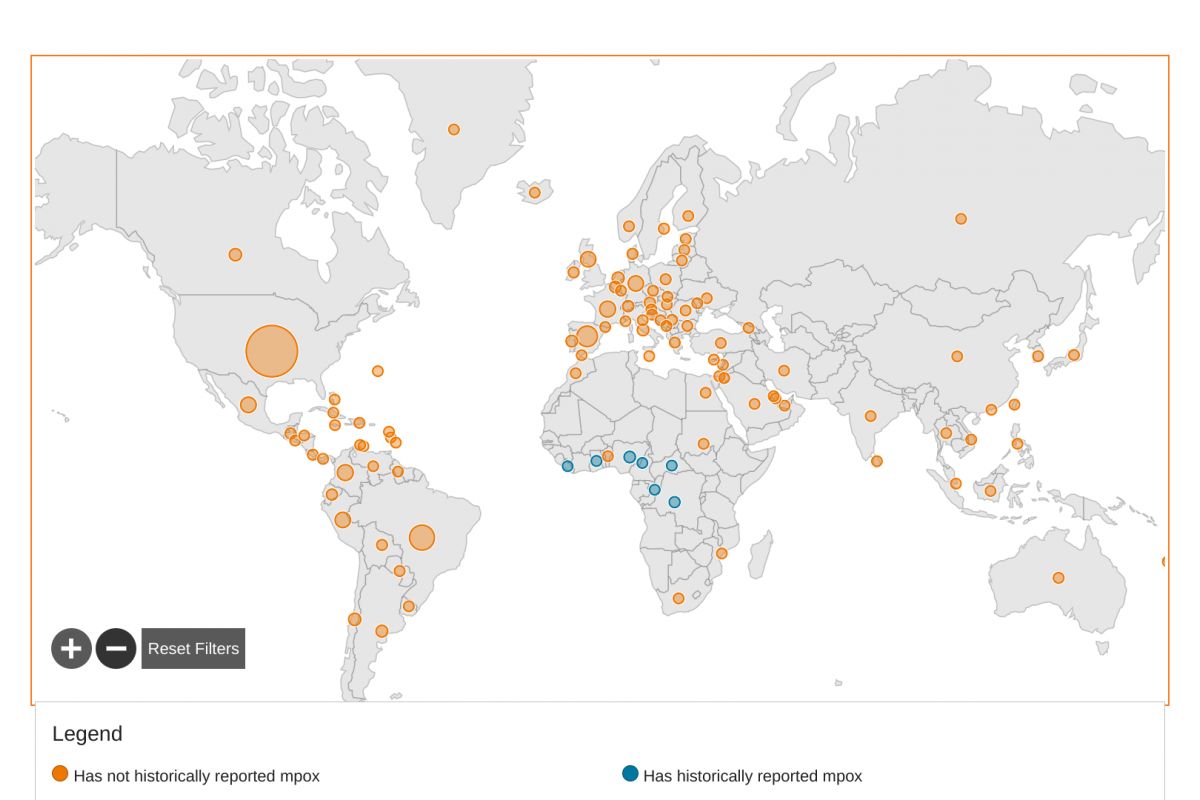
Mpox occurs throughout Central and West Africa, often near tropical rainforests. The first human case of Mpox was identified in the Democratic Republic of Congo in 1970. 

In November 2022, the government of the Republic of Korea, through the Korean Disease Control and Prevention Agency, announced it would donate the first batch of the Mpox vaccine to Africa through the ACDC.

In the U.S., over 1.1 million doses of the Bavarian Nordic JYNNEOS® (MVA-BN) vaccine have been distributed since May 2022.

Since May 5, 2022, about 110 countries have reported 85,800 Mpox patients and 88 related fatalities.

The countries with the highest cumulative notification rates in Europe are Spain, Portugal, and Luxembourg. Additional Mpox outbreak news is posted at MpoxToday.

While the World Health Organization has maintained its multi-country outbreak notice, the U.S. recently discontinued its Mpox alert.

Feb 17, 2023 • 8:20 am CST
USGA Feb. 2023

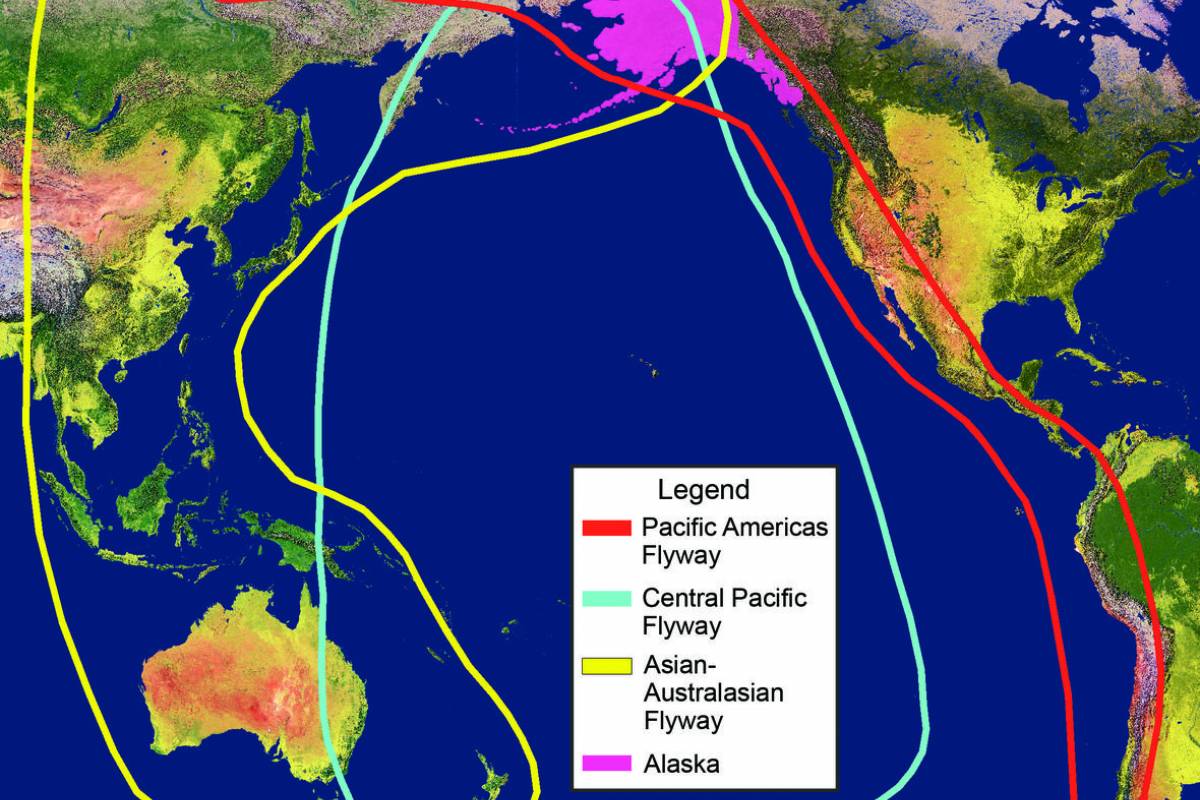
The continual spreading of the Highly Pathogenic Avian Influenza (HAPI) H5N1 influenza A virus across the globe has prompted many questions without clear answers.

These questions accelerated recently when seven people, including various mammals, became infected over the past year.

Amesh Adalja, M.D. with MedPageToday, published an opinion article on February 16, 2023, focused on whether an influenza pandemic caused by this version of HAP is imminent.

'This is an important question that must be asked of all novel influenza viruses. However, the answers regarding influenza are not that simple and require placing this strain into a larger context of avian influenza more generally,' wrote Dr. Adalja. The full unedited article is posted at this link.

Avian influenza A (bird flu) viruses are common and widespread in birds.

Should a human-to-human HAPI outbreak occur, the U.S. Food and Drug Administration has already approved one type of 'bird flu vaccine' that could be effective.

While most people have already received their annual flu shot, this type of vaccine would not be very effective against HAPI viruses.

Feb 17, 2023 • 4:39 am CST
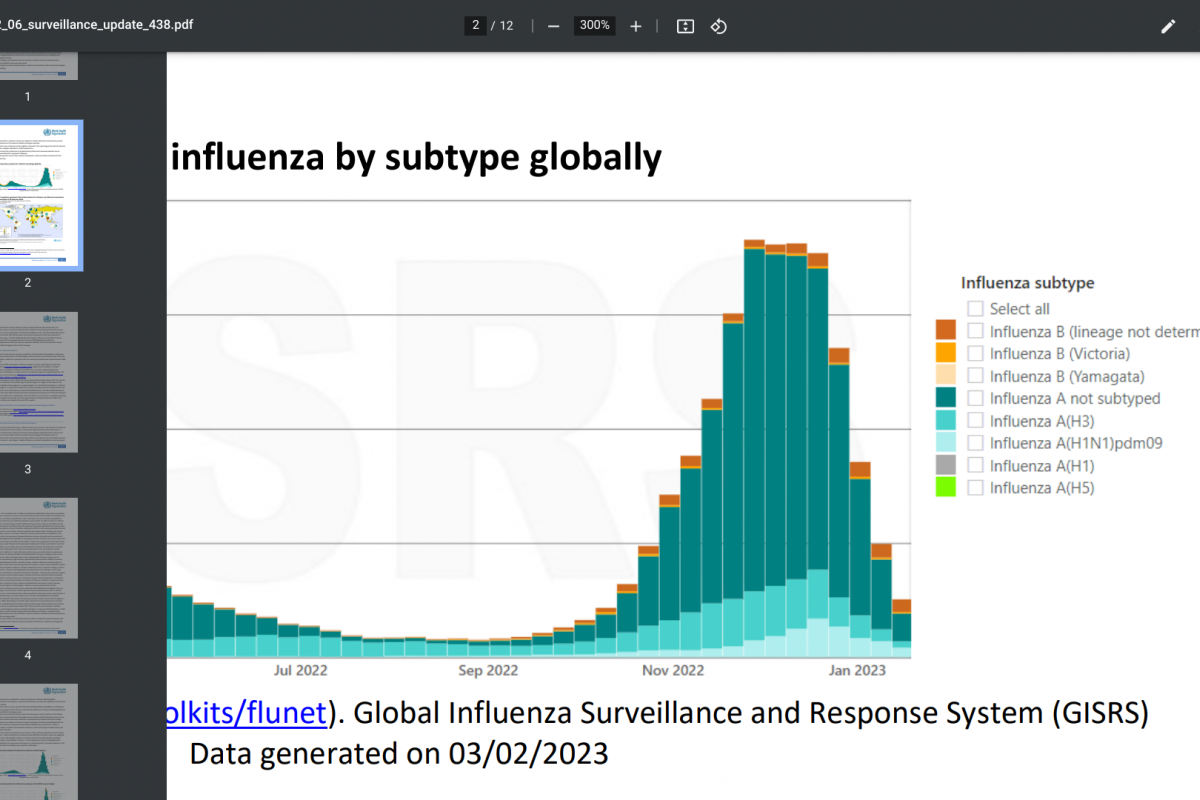
WHO Influenza Update N° 438 Feb. 3, 2023

The World Health Organization (WHO) Influenza Update N° 438 recently reported influenza activity decreased globally.

In the countries of North America, most indicators of influenza activity fell to levels similar to or below levels typically observed this time of year.

As of February 9, 2023, Influenza A(H3N2) was the predominant virus detected in the U.S., whereas A(H1N1)pdm09 and A(H3N2) were co-circulated in Canada in the most recent reporting week.

In Europe, overall influenza activity continued to decrease, but influenza positivity from sentinel sites remained above the epidemic threshold at the regional level. 

Separately, a leading mRNA-based flu shot candidate for adults announced encouraging interim results from its pivotal Phase 3 safety and immunogenicity trial of mRNA-1010 (P301).

As of February 4, 2023, the U.S. CDC confirmed about 172.76 million influenza vaccines had been distributed for the 2022-2023 flu season in the U.S.

Feb 17, 2023 • 3:59 am CST
from Pixabay

Moderna Inc. today announced one of five influenza vaccine candidates in its portfolio published interim results from its pivotal Phase 3 safety and immunogenicity trial.

mRNA-1010 (P301) is an mRNA-based seasonal influenza (flu) vaccine candidate for adults.

mRNA-1010 encodes for hemagglutinin (HA) glycoproteins of the four influenza strains recommended by the World Health Organization (WHO) to prevent influenza.

Interim results indicate that mRNA-1010 achieved superiority on seroconversion rates for A/H3N2 and A/H1N1 and superiority on geometric mean titer ratios for A/H3N2 and non-inferiority on geometric mean titer ratios for A/H1N1.

Non-inferiority was not met for either endpoint for the influenza B/Victoria- and B/Yamagata-lineage strains.

"Today's results represent an important step forward in developing mRNA-based influenza vaccines to address the substantial burden of disease caused by influenza."

"We are encouraged by the safety and tolerability profile and the strong immunogenicity results against Influenza A viruses which cause the overwhelming majority of flu-related disease in older adults."

"We now look forward to the efficacy results from the ongoing pivotal Phase 3 efficacy study being conducted in parallel," said Stephen Hoge, M.D., Moderna's President, in a press release on February 16, 2023.

"While we did not achieve non-inferiority for the Influenza B strains, which are more frequent in younger populations, we have already updated the vaccine that we believe could improve immune responses against Influenza B and will seek to quickly confirm those improvements in an upcoming clinical study thanks to the agility of our mRNA platform."

The first per-protocol interim analysis of efficacy is now expected to be reviewed by an independent Data and Safety Monitoring Board (DSMB) before the end of the first quarter of 2023.

Based on these results, the DSMB will notify the Company whether the primary efficacy endpoint has been met or whether the study should continue accruing further cases toward the final analysis.

Moderna is advancing a portfolio of five influenza vaccine candidates that include additional HA antigens for broader coverage of circulating influenza A strains (mRNA-1011 and mRNA-1012) and candidates that incorporate both HA and neuraminidase (NA) antigens to target multiple proteins involved in the influenza virus lifecycle to reduce the potential of viral antigenic escape (mRNA-1020 and mRNA-1030).

Moderna is also developing combination vaccine candidates, including vaccine candidates against influenza and SARS-CoV-2, influenza and RSV, and influenza, SARS-CoV-2, and RSV.

The goal of Moderna's combination vaccine candidates is to protect against multiple respiratory pathogens in a single vaccine.

Moderna's unedited press release is available at this link.

Other flu shot news is posted at PrecisionVaccinations.

Feb 16, 2023 • 10:21 am CST
from Pixabay

ImmunityBio, Inc. today announced Dr. Karim Chamie, Associate Professor of Urology at UCLA, will be presenting “Quality of life in QUILT 3.032 study: Patients with BCG-unresponsive non-muscle invasive bladder cancer (NMIBC) receiving IL-15R⍺Fc superagonist N-803 plus BCG” at the ASCO Genitourinary Cancers Symposium conference on February 16-18, 2023.

N-803 (Anktiva™), ImmunityBio’s lead cytokine fusion protein, is a novel IL-15 superagonist complex and has received Breakthrough Therapy and Fast Track Designations from the U.S. Food and Drug Administration (FDA) for BCG-unresponsive CIS NMIBC.

N-803 is currently under review by the FDA for this indication with a Prescription Drug User Fee Act target date of May 23, 2023.

Previously, on November 10, 2022, the peer-review journal NEJM Evidence published results from the QUILT 3.032 trial studying N-803 plus BCG in adults with NMIBC CIS with or without Ta/T1 papillary disease.

The published results demonstrate that in patients with BCG-unresponsive NMIBC CIS and papillary disease, BCG plus N-803 (referred to as NAI) CRs were achieved with the persistence of effect with a 90% probability of avoiding cystectomies in responders, a life-changing procedure of removing the bladder, and 100% bladder cancer-specific survival at 24 months.

“The peer review and publication of data in NEJM Evidence highlights the significance of the positive results of the QUILT 3.032 trial in patients with BCG-unresponsive NMIBC,” commented  Patrick Soon-Shiong, M.D., Executive Chairman and Global Chief Scientific and Medical Officer at ImmunityBio, in a press release on November 10, 222.

“These data further our understanding of N-803’s unique role in potentially boosting the proliferation of natural killer and T cells while synergistically enhancing BCG efficacy.”

ImmunityBio is a vertically-integrated, clinical-stage biotechnology company developing next-generation therapies and vaccines that bolster the natural immune system to defeat cancers and infectious diseases. 

Feb 16, 2023 • 9:38 am CST
City of Hope Feb. 15, 2023

Recent American Cancer Society (ACS) statistics show a concerning increase in prostate cancer cases, particularly among Black men, wrote Abe Rosenberg with the City of Hope.

On February 15, 2023, the new data indicated cancer mortality rates have decreased by 33% in the last three decades.

After decades of decline, prostate cancer rates increased by 3% annually from 2014 to 2019.

And there is a significant increase among men presenting with later-stage prostate cancer.

Furthermore, according to the ACS report, Black men have a 70% higher prostate cancer incidence rate than white men, and they are two to four times more likely to die of prostate cancer than any other ethnic group. 

“People got confused,” commented urologic surgeon Diana Londoño, M.D., assistant clinical professor in the Division of Urology and Urologic Oncology, Department of Surgery, who sees patients at City of Hope’s Glendora clinical network location.

Dr. Londono emphasized the importance of regular screenings, especially postpandemic, as people resume seeing their doctors regularly.

To reach out to underserved communities where cancer rates are high, ACS unveiled a new initiative called IMPACT (Improve Mortality From Prostate Cancer Together), aimed at reducing prostate cancer disparities in Black men and deaths from prostate cancer for all men by 2035.

The Center for Community Outreach and Engagement runs several programs aimed at the same result. 

The City of Hope is dedicated to making a difference in the lives of people with cancer, diabetes, and other life-threatening illnesses. 

Feb 16, 2023 • 8:57 am CST
from Pixabay

The Public Health Agency of Canada (PHAC) today issued a statement offering an update on the ongoing response to the Mpox outbreak.

On February 9, 2023, the World Health Organization (WHO) Director-General declared that Mpox remained a Public Health Emergency of International Concern.

This initial declaration was issued on July 23, 2022.

On February 14, 2023, the WHO noted a sustained decline in Mpox cases globally, with the majority of cases being reported from the Regions of the Americas, with 200-250 cases per week,

And about 4% of Mpox cases occurred in women.

Since the beginning of the Mpox outbreak, the Government of Canada has taken action to protect the health and safety of Canadians.

The ongoing management of Mpox relies on continued vigilance, re-emergence of cases, various public health measures, and vaccination.

Mpox vaccines will continue to be available in Canadian provinces and territories for those at higher risk, including second doses of Imvamune®.

Bavarian Nordic's MVA-BN vaccine is approved by the U.S. Food and Drug Administration for smallpox and Mpox under the JYNNEOS® brand.

Since May 2022, the Government of Canada has deployed over 145,000 doses of vaccine.

Mpox information can be found on the Government of Canada's Mpox: For health professionals website. Other outbreak news is posted at Mpox Today.

Feb 16, 2023 • 8:00 am CST
by Robin Higgins

OSE Immunotherapeutics SA today provided a regulatory update on the clinical development plan of Tedopi®, a immunotherapy activating tumor-specific T-cells, in phase 3 in monotherapy in advanced or metastatic non-small cell lung cancer (NSCLC) after checkpoint inhibitor failure (ICI).

Nicolas Poirier, Chief Executive Officer of OSE Immunotherapeutics, commented in a press release on February 15, 2023, “We are pleased with the positive outcomes from the US Food & Drug Administration Type C Meeting following the supportive European Medicines Agency advice, as we are actively preparing a confirmatory phase 3 trial to support the regulatory registration of Tedopi®."

Both Agencies supported the continuation of the clinical development for Tedopi® through a new confirmatory phase 3 clinical trial versus standard of care in second-line treatment for HLA-A2+ patients in advanced in NSCLC.

Tedopi® is the first cancer vaccine to show positive and clinically meaningful efficacy results associated with a better safety and quality of life profile in monotherapy versus active comparator (chemotherapy-based standard of care) in the third line with secondary resistance to ICI in advanced or metastatic NSCLC.

Feb 16, 2023 • 5:48 am CST
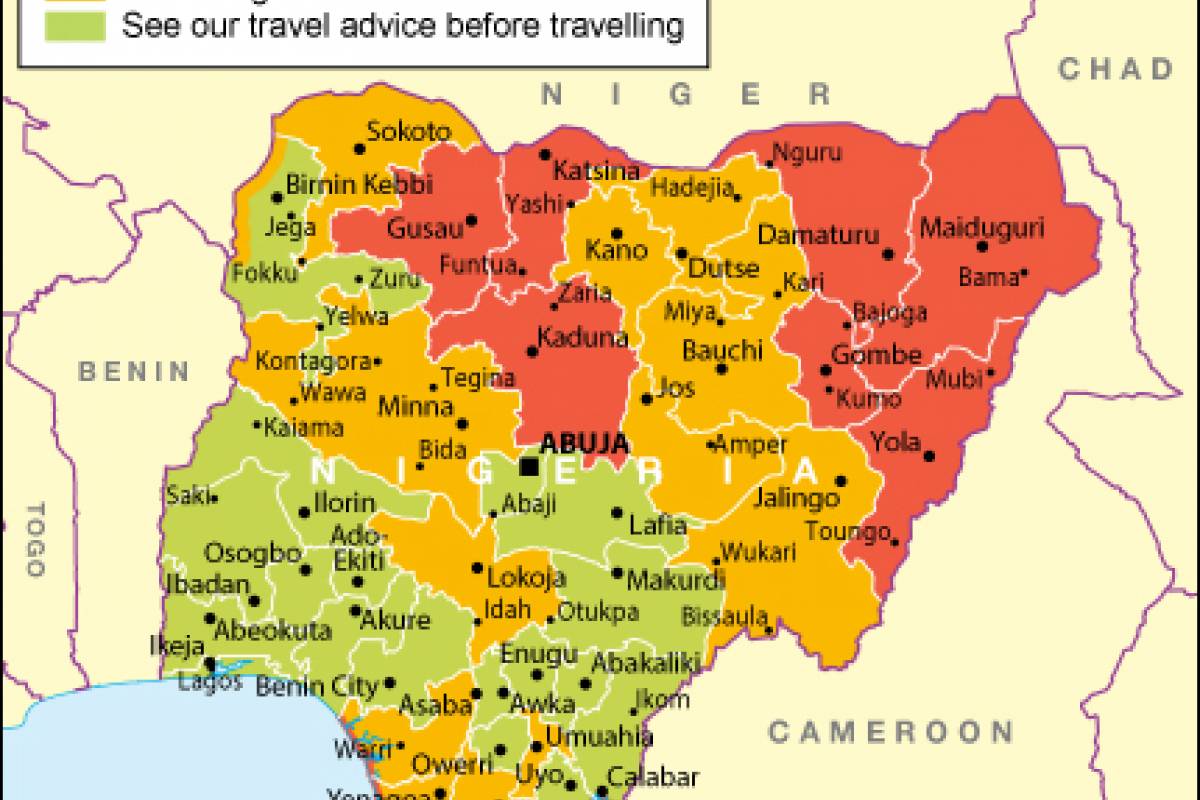
UK Travel Advisory Nigeria Feb. 2023

The Nigeria Center for Disease Control and Prevention (NCDC) confirmed 216 diphtheria cases with 40 related fatalities deaths since December 2022.

About 184 diphtheria cases were reported as children, confirmed a news report on February 14, 2023.

The NCDC confirmed a previous diphtheria outbreak in Borno, north-eastern Nigeria, in 2011, with 98 cases and 21 deaths (the case-fatality ratio was 21.4%). 

Diphtheria spreads quickly between people by direct contact or through the air through respiratory droplets from coughing or sneezing. It may also be spread by contaminated clothing and objects.

In Nigeria, Diphtheria infection is treated by administering a diphtheria antitoxin intravenously or through an intramuscular injection.

Antibiotics can also be given to eliminating the bacteria to prevent transmission and toxin production to others.

Children are fully vaccinated against diphtheria after three doses of the pentavalent vaccine, as the Nigerian immunization schedule recommends. 

The latest U.K. travel advisory says serious tropical illnesses like malaria, typhoid, Lassa fever, and yellow fever occur in Nigeria. 

And as of February 16, 2023, the U.S. CDC has issued various health alerts for Nigeria.

Feb 15, 2023 • 5:35 pm CST
by Duernsteiner

The U.S. National Center for Immunization and Respiratory Diseases today reported five additional children with Acute Hepatitis of Unknown Etiology were reported over the past month.

Investigators are examining a possible relationship to adenovirus type 41 infection, which is not a common cause of hepatitis in otherwise healthy children.

'While rare, children can still have serious hepatitis, and we don't always know the cause. That's why investigators continue to look at possible causes and investigate,' wrote the U.S. Centers for Disease Control and Prevention (CDC).

The U.S. CDC is looking broadly, including hepatitis cases of unknown origin in children under ten years of age.

Since October 1, 2021, the number of persons under investigation (PUI) has reached 389 as of February 15, 2023.

Among the reported PUIs, about 90% required hospitalization, a few needed a liver transplant, and over ten died.

The World Health Organization, the U.K., Europe, and Canada have recently reported acute liver inflammation infections of unknown etiology among children.