Coronavirus Breaking News

The coronavirus disease COVID-19 is currently reaching pandemic levels in various countries.

Feb 15, 2023 • 5:35 pm CST
by Duernsteiner

The U.S. National Center for Immunization and Respiratory Diseases today reported five additional children with Acute Hepatitis of Unknown Etiology were reported over the past month.

Investigators are examining a possible relationship to adenovirus type 41 infection, which is not a common cause of hepatitis in otherwise healthy children.

'While rare, children can still have serious hepatitis, and we don't always know the cause. That's why investigators continue to look at possible causes and investigate,' wrote the U.S. Centers for Disease Control and Prevention (CDC).

The U.S. CDC is looking broadly, including hepatitis cases of unknown origin in children under ten years of age.

Since October 1, 2021, the number of persons under investigation (PUI) has reached 389 as of February 15, 2023.

Among the reported PUIs, about 90% required hospitalization, a few needed a liver transplant, and over ten died.

The World Health Organization, the U.K., Europe, and Canada have recently reported acute liver inflammation infections of unknown etiology among children.

Feb 15, 2023 • 12:14 pm CST
from Pixabay

VBI Vaccines Inc. today announced interim data from the Phase 2 study evaluating the combination of VBI-2601 (BRII-179), VBI's HBV immunotherapeutic candidate, and BRII-835 (VIR-2218), an HBV-targeting siRNA candidate, in chronically infected HBV patients.

The data, which will be featured in an oral presentation on February 18, 2023, demonstrated that the combination therapy was generally well-tolerated, restored strong anti-HBsAg antibody responses, and led to improved HBsAg-specific T-cell responses when compared to BRII-835 alone.

Notably, in two participants who received the combination therapy, maximum reductions in HBsAg to an undetectable level or the lower limit of quantification (LLOQ) were achieved by Week 40, which were associated with robust HBV-specific antibody and T-cell responses.

Dr. Francisco Diaz-Mitoma, M.D., Ph.D., VBI's Chief Medical Officer, commented in a press release on February 15, 2023, "Numerous studies have assessed the potential of siRNA candidates in hundreds of chronically infected HBV patients, but this is the first time we've seen data from the combination of an HBV siRNA with an HBV-specific immunomodulatory."

"Consistent with the known mechanism of action of VBI-2601 and its inclusion of the pre-S1 and pre-S2 antigens in addition to the S antigen, these interim data indicate that VBI-2601 may be able to break tolerance to the S antigen, achieving immune restoration."

"Additionally, the reduction of S antigen to at or below the LLOQ, as seen in the two patients, is a noteworthy achievement in this population."

"We are very encouraged by these interim data, which suggest that the combination of VBI-2601 and an HBV siRNA has the potential to be a meaningful part of a functional cure regimen."

"We look forward to additional data from this study, as well as data from the ongoing Phase 2 study of VBI-2601 as an 'add-on' to existing pegylated interferon and nucleos(t)ide reverse transcriptase inhibitor therapy in non-cirrhotic chronic HBV patients, both of which are expected later this year."

An abstract summarizing the interim data is available at this link.

Feb 14, 2023 • 2:02 pm CST
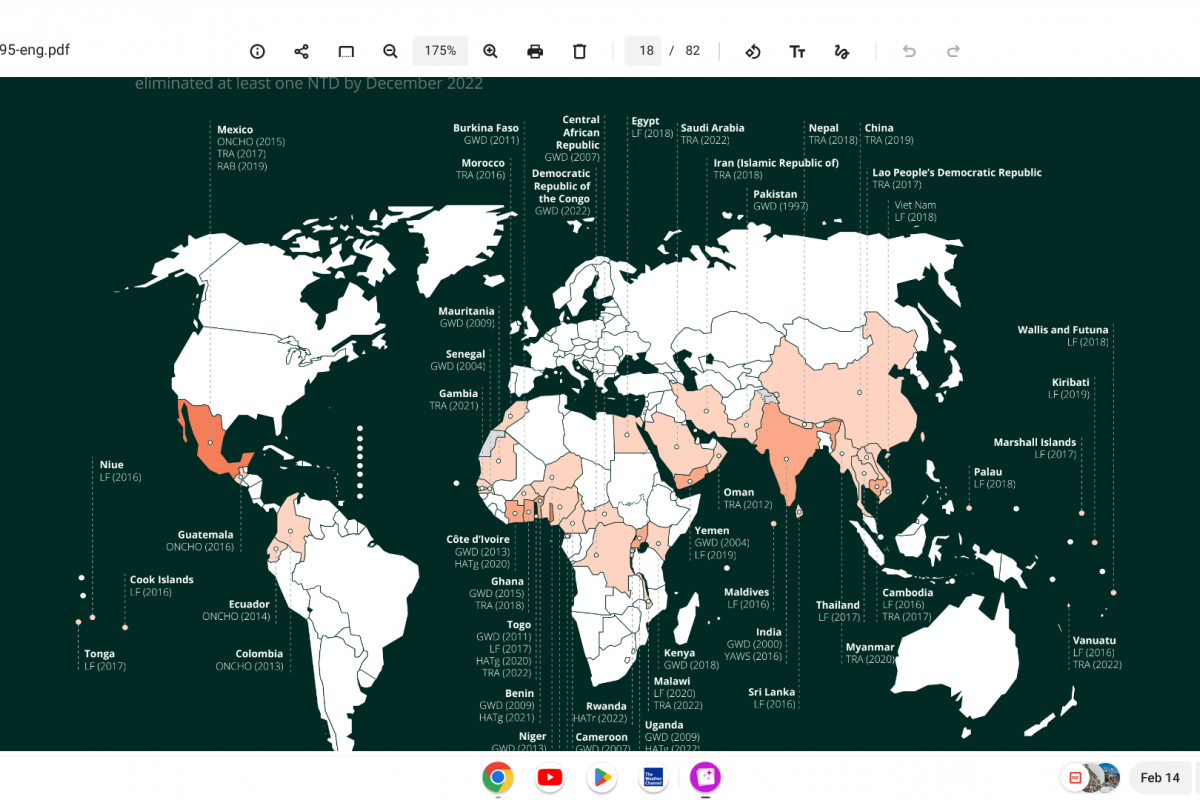
WHO Global Report neglected tropical diseases (Jan. 2023)

According to a recent World Health Organization (WHO) global report, 8 countries eliminated at least one neglected tropical disease last year. As of December 2022, 47 countries had eliminated at least one NTD.

Previously, more than 1 billion people were treated yearly for four consecutive years between 2016 and 2019.

But over the past decade, the number of people requiring interventions against NTDs has decreased by 25%.

And the burden of disease calculated in disability-adjusted life years is also steadily decreasing.

NTDs are a group of around 20 conditions that affect more than one billion people worldwide but have been largely overlooked by global health agendas.

The diseases generally affect people living in impoverished communities and can be caused by bacteria, viruses, fungi, parasites, or toxins.

The completed WHO Global Report (Jan. 2023) is posted at this link.

Feb 14, 2023 • 8:36 am CST
from Pixabay

Vaxart, Inc. today announced that it had dosed the first subject in a Phase 2 dose-ranging clinical trial of its oral tablet bivalent vaccine candidate.

Vaxart expects to report topline data from the Phase 2 study in mid-2023.

"Initiating the Phase 2 clinical trial of this candidate is an important achievement toward our goal of developing an oral tablet vaccine that may reduce the significant global health threat that norovirus poses to children and seniors," said Dr. James F. Cummings, MD, Chief Medical Officer at Vaxart, in a press release on February 14, 2023.

"Results from the Phase 1b clinical trial in healthy adults demonstrate that this candidate stimulates robust IgA antibody-secreting cells against the prevalent strains of two norovirus genotypes that cause most norovirus disease."

"Data from the Phase 2 trial will inform our further clinical development strategy for this promising vaccine candidate."

As previously reported, Vaxart's bivalent vaccine candidate demonstrated robust immunogenicity, with an IgA ASC response rate of 78% for the GI.1 strain and 93% for the GII.4 strain, with no interference observed.

Three Phase 1 studies of Vaxart's norovirus pill vaccine indicated it is well tolerated and generated systemic and local immune responses that are both robust and persistent. 

In the U.S., norovirus causes 21 million illnesses each year, infecting 15% of all children under the age of five years and resulting in illness — which frequently requires hospitalization — in 7.5% of people over 65 years.

Other norovirus vaccine candidate news is posted at PrecisionVaccinations.

Feb 14, 2023 • 5:16 am CST
WHO Marburg outbreak Feb. 2023

The World Health Organization (WHO) today announced it would convene an urgent Marburg virus vaccine consortium (MARVAC) meeting on February 14, 2023, to discuss the new Marburg virus disease outbreak in Equatorial Guinea, in Africa.

This is an open webinar, and non-MARVAC members can digitally attend at this Zoom link.

The MARVAC includes leaders in the field of vaccine research and development, working together to develop vaccines against this infectious disease threat.

As of February 14, 2023, no vaccines or antiviral treatments have been U.S. FDA-approved to treat this severe virus.

However, there are vaccine candidates currently being evaluated.

The emergence of the Marburg virus disease (MVD)in Africa triggered the assembly of the MARVAC consortium in 2022.

MVD is in the same virus family that causes Ebola virus disease.

This urgent action is related to yesterday's WHO announcement that Equatorial Guinea had confirmed its first-ever outbreak of Marburg virus disease.

Preliminary tests carried out following the deaths of at least nine people in the country's western Kie Ntem Province turned out positive for MARV viral hemorrhagic fever.

"Marburg is highly infectious. However, thanks to the rapid and decisive action by the Equatorial Guinean authorities in confirming the disease, emergency response can get to full steam quickly so that we save lives and halt the virus as soon as possible," commented Dr. Matshidiso Moeti, WHO Regional Director for Africa, in a press release.

Feb 14, 2023 • 5:04 am CST
by Michelle Raponi

Valneva SE today announced that it completed enrollment and vaccination for a Phase 3 clinical trial in adolescents, VLA1553-321, of its single-shot chikungunya vaccine candidate, VLA1553.

This live-attenuated, investigational vaccine candidate targets the chikungunya virus and was designed by deleting a part of the chikungunya virus genome.

The initial results of this trial are expected in mid-2023, which are intended to support the label extension in this age group following a potential initial regulatory approval in adults from the Food and Drugs Administration (FDA) in the United States (U.S.).

This adolescent trial is intended to support the label extension in this age group following a potential initial regulatory approval in adults from the FDA in the U.S.

Furthermore, the adolescent trial is expected to supvaccine'svaccine's licensure in Europe and Brazil, which would be the first potential approval for use in these chikungunya endemic regions.

Previously, Valneva completed the rolling submission of the Biologics License Application (BLA) to the FDA for approval of VLA1553 in persons aged 18 years and above (adults) in December 2022. 

If BLA filing is accepted and approved, VLA1553 could become the first chikungunya vaccine to be marketed in the U.S.

The Company also recently reported positive antibody persistence data with a 99% seroresponse rate 12 months after a single-dose vaccination.

Dr. Melanie Saville, Director of Vaccine Research & Development at CEPI, which provided funding for this pediatric study, commented in a press release on February 14, 2023, "Millions of people have been affected by chikungunya and, today, over a billion people live in areas where chikungunya outbreaks occur."

"The progress Valneva has made to date brings the world one step closer towards a safe and effective vaccine against this debilitating disease, for which there is currently no specific treatment nor vaccine licensed for use."

"Data from this Phase 3 study will help to ensure that the people most affected by this virus can benefit from this product and help regulators assess this important vaccine candidate.

To make VLA1553 more accessible to Low- and Middle-Income Countries, Valneva and Instituto Butantan in Brazil signed an agreement in January 2021 for the development, manufacturing, and marketing of the chikungunya vaccine.

Chikungunya is a mosquito-borne viral disease caused by the chikungunya virus (CHIKV), a Togaviridae virus transmitted by Aedes mosquitoes.

A CHIKV infection leads to symptomatic disease in up to 97% of humans after three to seven days following the mosquito bite.

While mortality with CHIKV is low, morbidity is high.

Clinical symptoms include acute onset of fever, debilitating joint and muscle pain, headache, nausea, rash, and chronic arthralgia.

Additional chikungunya outbreak news at Vax-Before-Travel.

Feb 13, 2023 • 10:07 am CST
by Mojca-Peter

ENA Respiratory today announced that INNA-051, a first-in-class, broad-spectrum, innate immunomodulator in development for the prevention of respiratory viral infections, was found to significantly impact the course of viral infection in a Phase 2a flu challenge study.

The study's post hoc analyses, excluding those with pre-existing immunity, showed that INNA-051-treated participants with PCR laboratory-confirmed infection had a statistically significant shorter duration of infection.

"This study further supports the concept that boosting the local innate immune response to common respiratory viruses has potential clinical benefit. In this study, INNA-051 was found to be safe and to significantly impact the course of infection. We are eager to investigate INNA-051's clinical benefit in the context of natural viral respiratory tract infections in individuals at increased risk of more severe illness," said Christophe Demaison, Ph.D., Managing Director and CEO of ENA Respiratory, in a press release on February 14, 2023.

These Phase 2a study results mirror those seen in animal respiratory infection models and are consistent with the INNA-051 mechanism of action. INNA-051 accelerates virus clearance and reduces virus spread to other body parts.

It is anticipated that INNA-051 prophylaxis will reduce illness severity and healthcare utilization in individuals exposed to respiratory viral infections, especially those at high risk of complications. 

Earlier research in humans and animals has shown that INNA-051 activates the innate immune system in the nose, a common site of infection.

Feb 13, 2023 • 6:18 am CST
by Orna Wachman

Jiangsu Recbio Technology Co., Ltd. today announced it has recently completed the first batch of subject enrollment for its novel adjuvanted recombinant vaccine, REC610, that prevents shingles caused by varicella zoster virus (VZV).

The study is a randomized, observer-blinded, active-controlled phase I clinical trial to evaluate the safety and immunogenicity of REC610 in healthy adult subjects aged 40 and above.

According to research data on shingles vaccines that have been marketed worldwide, the novel adjuvanted vaccine can provide stronger cellular immunity and protective efficacy compared to live attenuated vaccines.

This announcement is essential since about 2.5 million adults in China suffer from herpes zoster yearly, and most seniors in China carry the dormant herpes zoster virus.

REC610 is equipped with a novel adjuvant BFA01 independently developed by the Company, which can promote the production of high levels of VZV glycoprotein E (gE)-specific CD4+ T cells and antibodies.

Preclinical studies have shown that REC610 has favorable immunogenicity and can induce high levels of gE-specific CD4+ T cell responses and IgG antibodies.

Its immune response is non-inferior to the controlled vaccine, Shingrix® says the Company.

Shingrix® is a non-live, adjuvanted recombinant vaccine consisting of the VZV glycoprotein E antigen and the AS01B adjuvant system, a proprietary adjuvant containing QS-21 and MPL with liposomes. 

Shingrix has been commercially available in the U.S. since 2017.

Additional shingles vaccine development is posted at PrecisionVaccinations.

Feb 13, 2023 • 4:55 am CST
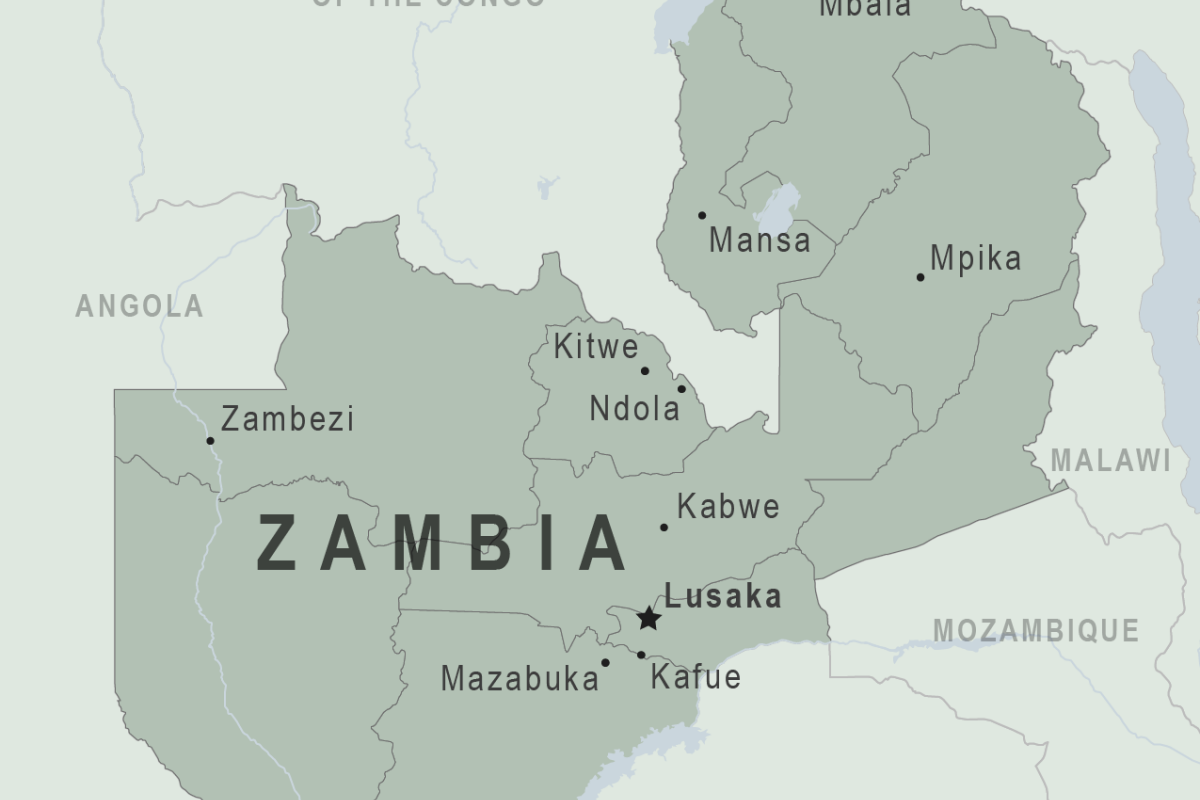
U.S. CDC Zambia map 2023

A United Nations (UN) team led by Beatrice Mutali, the Resident Coordinator in Zambia, recently confirmed it is supporting the Republic of Zambia's response to a cholera outbreak.

Zambia's Ministry of Health declared the cholera outbreak on January 26, 2023.

Cholera outbreaks in three districts have been reported, with 90 cases and three related fatalities confirmed.

As of February 10, 2023, the UN team is providing technical support to authorities while mobilizing funding to bridge a gap of $32 million for risk communication, water and sanitation, food, and other items.

Since December 2022, UNICEF has provided 4.5 tonnes of granular chlorine, 20,000 bottles of liquid chlorine for household water treatment, 250 containers of disinfectant, and other critical supplies to keep the water safe.

For its part, the World Health Organization (WHO) is working with Zambian authorities to strengthen assessment capacities along with surveillance, contact tracing, and lab preparations for cholera vaccination. 

As of February 12, 2023, extensive cholera outbreaks have been reported in Haiti, Malawi, and Syria.

The WHO has approved various cholera vaccines for use in 2023.

Unfortunately, these cholera vaccines are not currently available in the U.S.

In addition to cholera, the U.S. CDC suggests various vaccinations before visiting Zambia.

These travel vaccines are offered in the U.S. at certified clinics and pharmacies.

Feb 12, 2023 • 4:35 pm CST
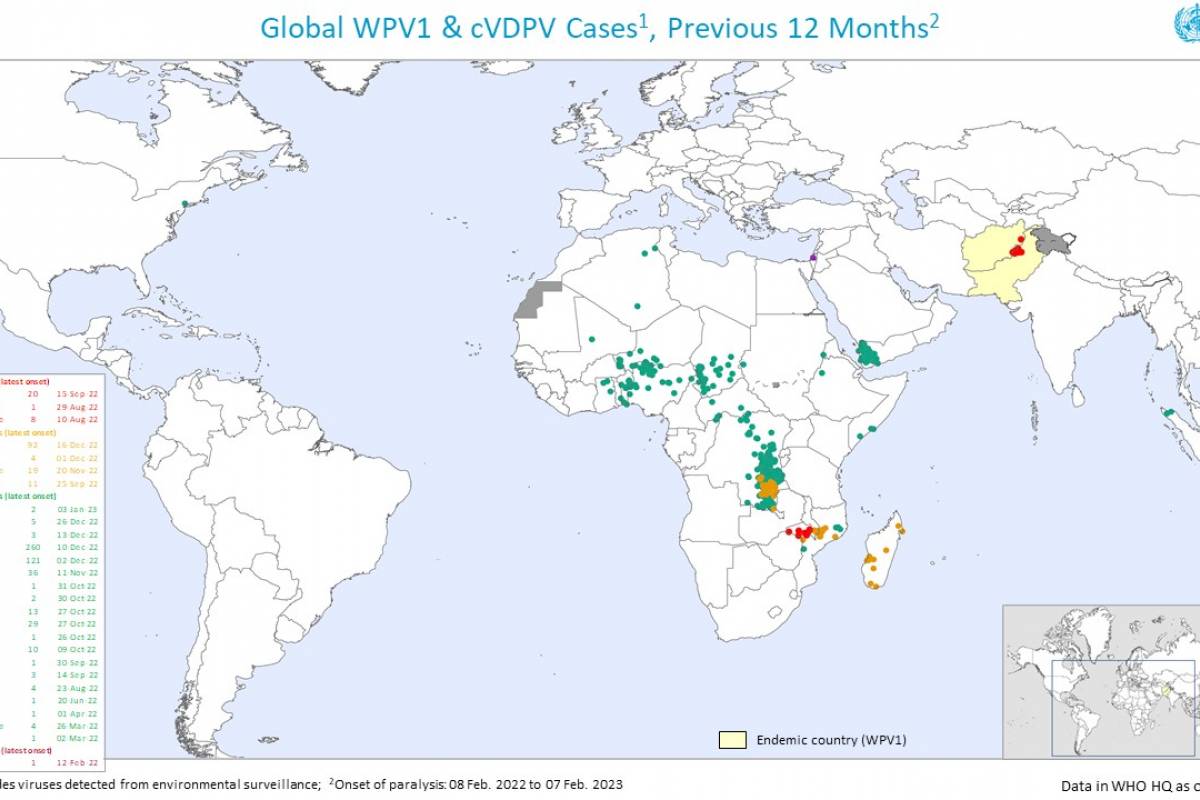
WPV1 and cVDPV cases in country Feb. 2023

In his opening address to the Executive Board, WHO Director-General Dr. Tedros Adhanom Ghebreyesus recently noted that no wild poliovirus cases had been reported anywhere since September 2022.

"We are in a much better situation now than we were previously. But the last mile is the hardest."

"There can be no room for complacency. Now is actually the moment to double down on our efforts. So let's continue to push on."

Experts noted the unique window of opportunity to succeed in 2023, the target year for stopping all remaining poliovirus transmission globally. 

The WHO also provided guidance to develop a new vision for the polio transition that will go beyond 2023, supported by tailored regional action plans to drive country progress.

AN updated list of At-Risk Countries was posted.

Following that WHO meeting, the Global Polio Eradication Initiative reported on February 8, 2023, a summary of new polioviruses detections and polio cases this week:

  • Afghanistan: two WPV1-positive environmental samples
  • Algeria: one cVDPV2 case
  • Chad: two cVDPV2 cases
  • DRC: eight cVDPV1 cases, 22 cVDPV2 cases and one cVDPV2 positive environmental sample
  • Mali: one cVDPV2 case
  • Nigeria: two cVDPV2-positive environmental samples

To alert international travelers of their potential health risk, the U.S. CDC updated its Alert - Level 2, Practice Enhanced Precautions notice regarding polio outbreaks in 2023.

Other polio outbreak news is posted at Vax-Before-Travel.

Feb 12, 2023 • 3:34 pm CST
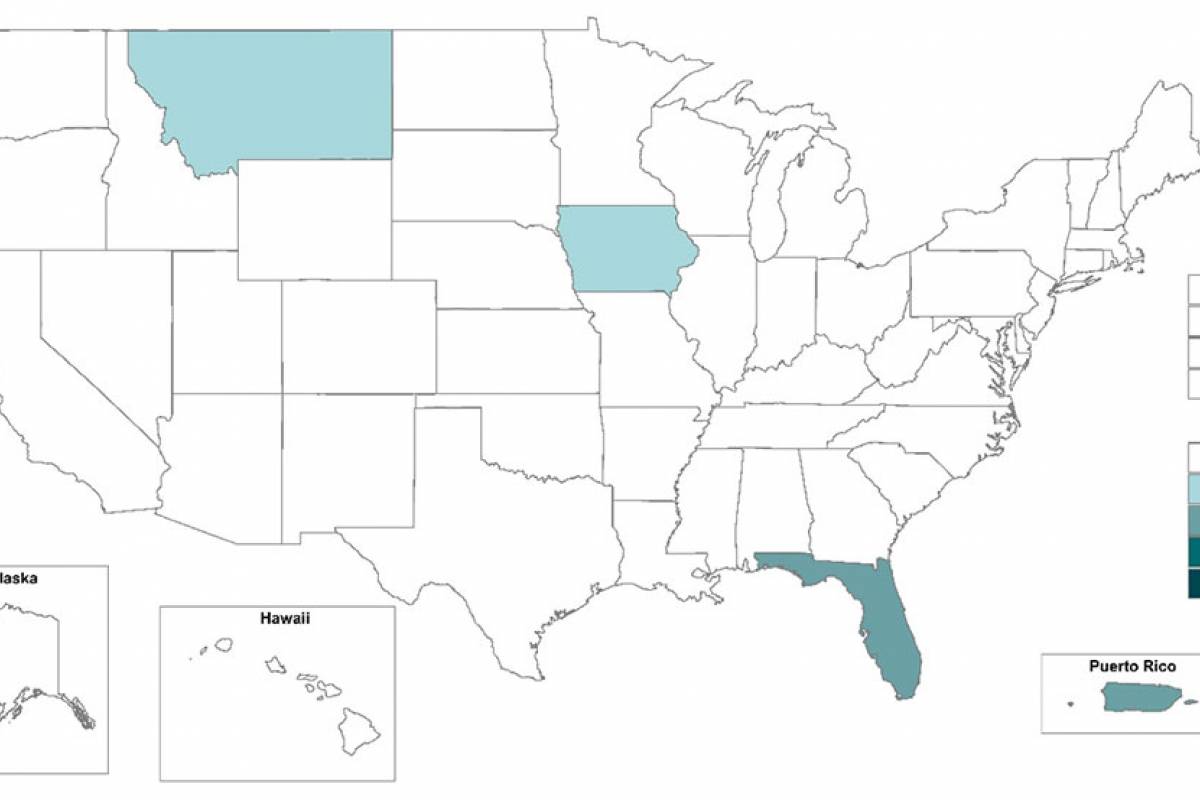
U.S. CDC Dengue map Feb. 4, 2023

The Florida Health Department reported on February 4, 2023, sixteen travel-associated and one locally acquired dengue cases have been confirmed this year.

In 2022, Florida reported 869 travel-associated and 68 locally-acquired dengue cases.

To alert residents of their potential health risks, the Florida Department of Health in Miami-Dade County issued a mosquito-borne illness advisory in mid-2022.

Additionally, Broward County, which is located north of Miami, issued its mosquito-borne illness alert in 2022.

In the Region of the Americas, 46 countries and territories reported dengue cases in 2022.

Four different viruses cause dengue fever, and a person can be infected with each serotype during their lifetime.

Dengue viruses are spread to people through the bite of an infected Aedes mosquito.

Most symptoms of dengue are mild and typically last 2–7 days. But, infections can turn severe.

The U.S. CDC says no specific treatment for dengue/severe dengue exists.

However, one approved vaccine (Dengvaxia) is available in the U.S. on a limited basis.

And the U.K., Europe, and Indonesia have recently authorized the newer, less restrictive Qdenga® vaccine.

Feb 12, 2023 • 12:00 pm CST
by Wolfgang Eckert

Since no U.S. Food and Drug Administration (FDA) vaccines are available to prevent Alzheimer's Disease (AD), can other vaccines reduce the risk of this old-age disease?

The Conversation published an article written by neurodegenerative disease experts on January 18, 2023, highlighting the potential value of existing FDA-approved vaccines to reduce AD aggravating factors from viral infections.

In previous studies, researchers identified that infections by varicella zoster (chickenpox and shingles) and influenza viruses could lead to a higher risk of AD.

However, researchers have been unable to consistently detect these suspect viruses in the brains of people who died of Alzheimer's. 

In other words, when researchers analyze AD patient brains, detectable viral components may have disappeared, and causation is difficult to establish.

The full unedited article published by The Conversation is posted at this link.

As of February 12, 2023, the FDA has not authorized any of the current Alzheimer's vaccine candidates.

Feb 11, 2023 • 8:01 pm CST
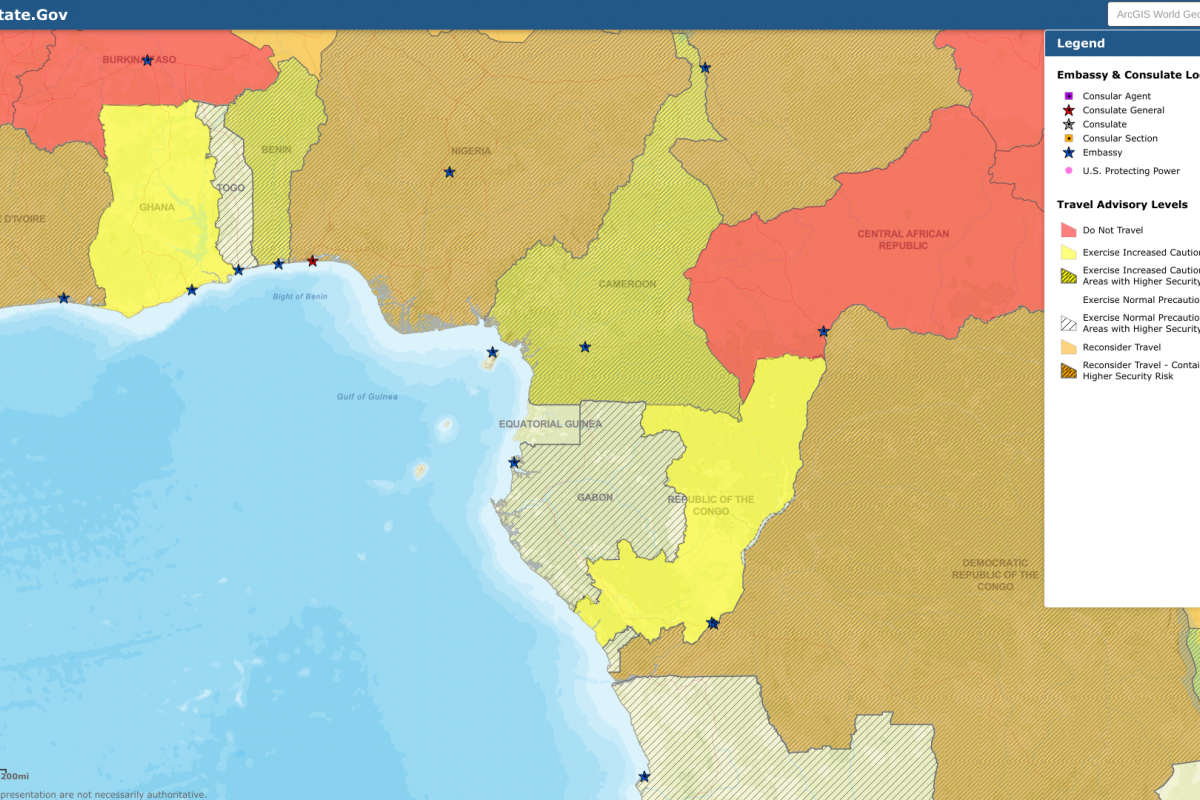
Republic of Equatorial Guinea 2023

An outbreak of an undefined disease that has killed several people in Equatorial Guinea was reported on February 8, 2023, according to a Health Alert issued by the U.S. Embassy in Malabo.

The Government of Equatorial Guinea (EG) announced that over the past month, there had been an epidemiological outbreak of an unidentified disease in the Nsok Nsomo district of the Kie-Ntem province in the mainland region.

In a statement, EG said that travel restrictions had been imposed in "view of the high risk of importation of this disease.

According to preliminary investigations, these fatalities were linked to a funeral ceremony.

In reaction, the neighboring country of Cameroon has restricted movement along its border with Equatorial Guinea.

This area of Africa has been involved with numerous Ebolavirus outbreaks over the past decade.

The Republic of EG is located on Africa's west coast, consisting of Río Muni and five islands.

The local U.S. Embassy website has not posted an alert regarding this situation as of February 11, 2023, but does say in case of emergency, American citizens have access to an after-hours help line: (+240) 555-516 008.

Feb 11, 2023 • 4:31 pm CST
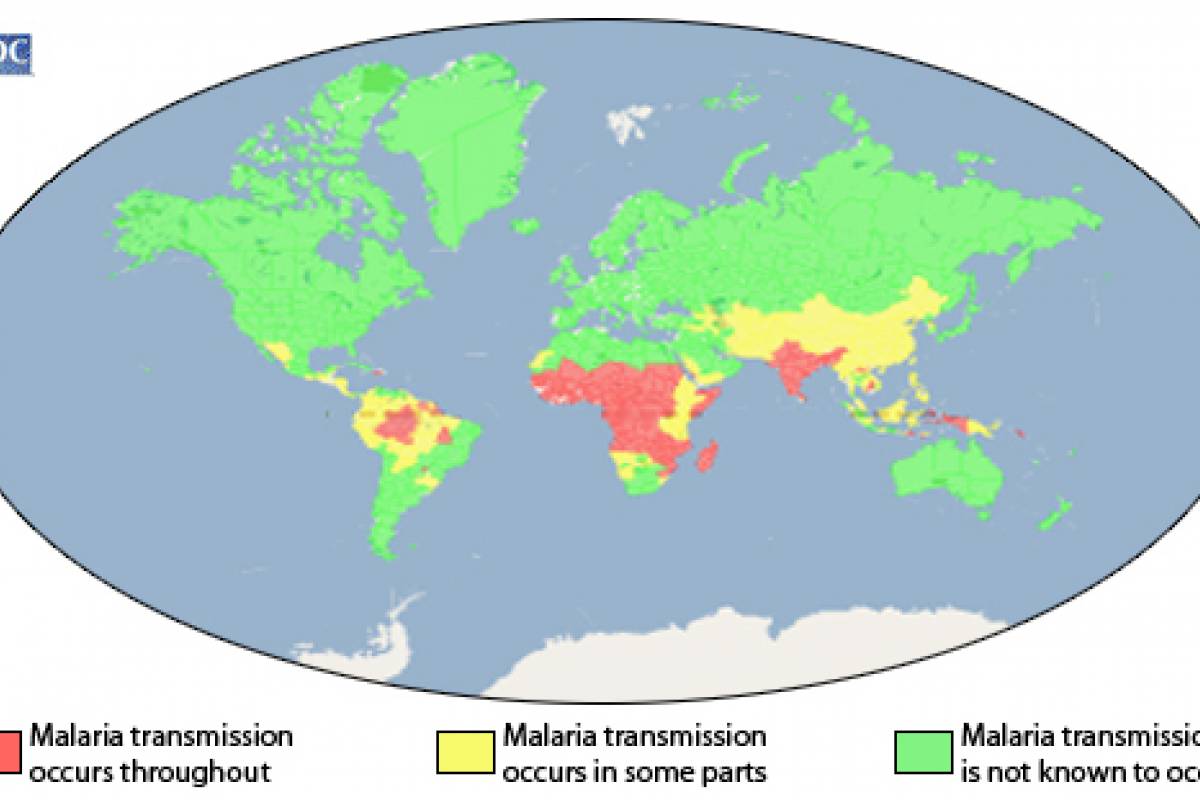
U.S. CDC map of malaria 2023

According to research published in The Lancet Infectious Diseases by researchers at the University of Maryland School of Medicine (UMSOM), a monoclonal antibody (mAbs) treatment conferred protection in people against P falciparum (malaria) at low doses 

Published on January 25, 2023, this phase 1 clinical study found the mAbs CIS43LS protected 18 (82%) of 22 participants who received a dose. In addition, no participants developed parasitemia following dosing at 5 mg/kg intravenously or subcutaneously or at 10 mg/kg intravenously or subcutaneously.

All six control and four of seven participants dosed at 1 mg/kg intravenously developed parasitemia after controlled human malaria infection.

"The study demonstrates the feasibility of using mAbs therapies to help prevent malarial infection and holds promise for deployment to places where the disease is endemic," said Kirsten Lyke, MD, at UMSOM, in a related press release.

"This may allow us to revisit malaria eradication efforts."

According to the World Health Organization (WHO), malaria is a vaccine-preventable disease caused by a parasite. 

Vaccines like Mosquirix™ (RTS,S), and R21/Matrix-M™ have been reported to be effective at preventing disease in Africa and India.

As of February 11, 2023, the U.S. Food and Drug Administration (FDA) had not approved a malaria vaccine.

According to the 2021 World Malaria Report, about half the world's population lives in areas at risk of malaria transmission.

There were 241 million malaria cases and 627,000 deaths reported worldwide in 2020 alone, a 12% increase from 2019.

However, outbreaks of locally transmitted malaria cases in the U.S. have been limited and relatively isolated. The FDA has approved Artesunate to treat severe malaria in adult and pediatric patients.

Malaria outbreak news is posted at Vax-Before-Travel.com/MalariaOutbreasks.

Feb 11, 2023 • 2:11 pm CST
Gov. of Peru Travel Feb. 9, 2023

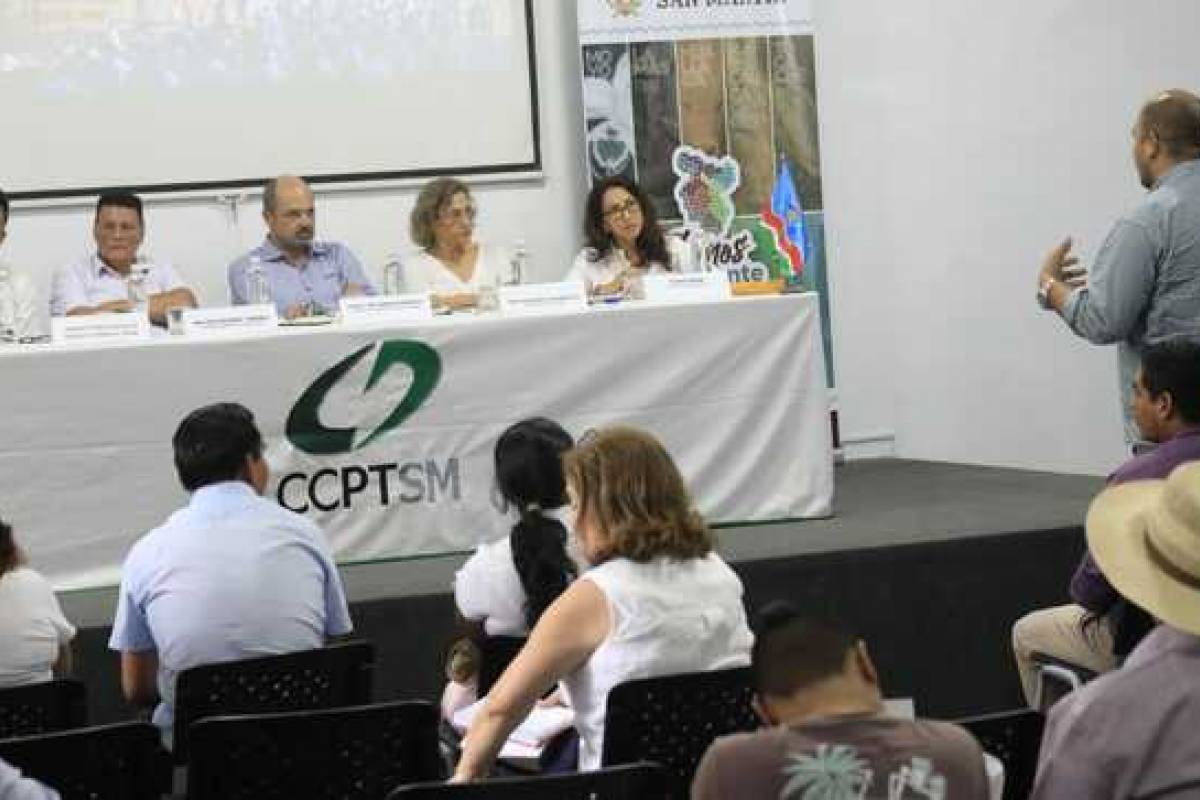
Through the Ministry of Foreign Trade and Tourism (Mincetur), the Peruvian government recently presented a national "Safe Tourism" strategy to ensure a good travel experience for tourists visiting Peru.

The Safe Tourism program has three components: Security, Formalization, and Strengthening applied in Peru's 25 regions.

For example, Minister Luis Fernando Helguero announced on February 9, 2023, that critical tourist infrastructure works would be inaugurated in the San Martín region in the coming weeks for more than S/ 50 million (~$13 million).

Peru has also established safe tourist corridors from the airports to historic centers in cities like Cusco, Arequipa, Puno, and Tacna.

These actions are essential since protests continue across Southern Peru, including in Cusco, Arequipa, Puno, and Lima, as of mid-February 2023.

Unfortunately, Machu Picchu remains closed to visitors until further notice.

The U.K. says the following States of Emergency and curfews have been announced:

  • A 60-day State of Emergency occurred on February 4, 2023, in Madre de Dios, Puno, Cusco, Apurimac, Arequipa, Moquegua, and Tacna regions.
  • A 10-day curfew in the Puno region came into force from 8 pm to 4 am on February 4, 2023.
  • A 30-day State of Emergency occurred on January 19, 2023, in Amazonas and La Libertad regions.
  • A 30-day State of Emergency occurred on January 15 on the roads: the Carretera Panamericana Sur, the Carretera Panamericana Norte, the Carretera Central, the Corredor Vial Sur Apurimac-Cusco-Arequipa and the Corredor Vial Interoceanica Sur.

The U.K. confirmed on February 11, 2023, that travelers arriving in Peru should be aware that traveling to some parts of the country or returning to Lima may not be possible and should be prepared for delays or disruption.

And the U.S. Embassy in Peru website says visitors should avoid demonstrations, and should they encounter any, remain in a safe location. For emergencies involving American citizens in Peru, please email [email protected] or call +51-1-618-2000.