Dengue fever transmission continues to affect New Caledonia, with health authorities reporting over 640 cases (both probable and confirmed) since the start of 2026.
Weekly case counts have steadily increased since February 2026, with notably high notifications during epidemiological weeks 11 to 13, indicating sustained community transmission within this French overseas territory.
The epidemic phase, which was declared in late March, remains active.
Virus transmission is predominantly occurring outside the Greater Nouméa area, where the spread has been more rapid. In contrast, case numbers within Greater Nouméa—including Dumbéa, Mont-Dore, Nouméa, and Païta—remain relatively lower and more stable.
Local officials attribute this protective effect to the successful release of Wolbachia-infected mosquitoes through the World Mosquito Program, which has significantly reduced the ability of Aedes aegypti mosquitoes to transmit the virus in treated urban zones.
Health authorities have issued a red alert for DENV-1, urging heightened vigilance and preventive measures across the territory. New Caledonia is not currently implementing a Dengue vaccination campaign as part of its public health response.
Although the Dengue vaccine Qdenga® is authorized in the European Union (including France) and available in many countries, it is not routinely available or offered through the Directorate of Health and Social Affairs in New Caledonia.
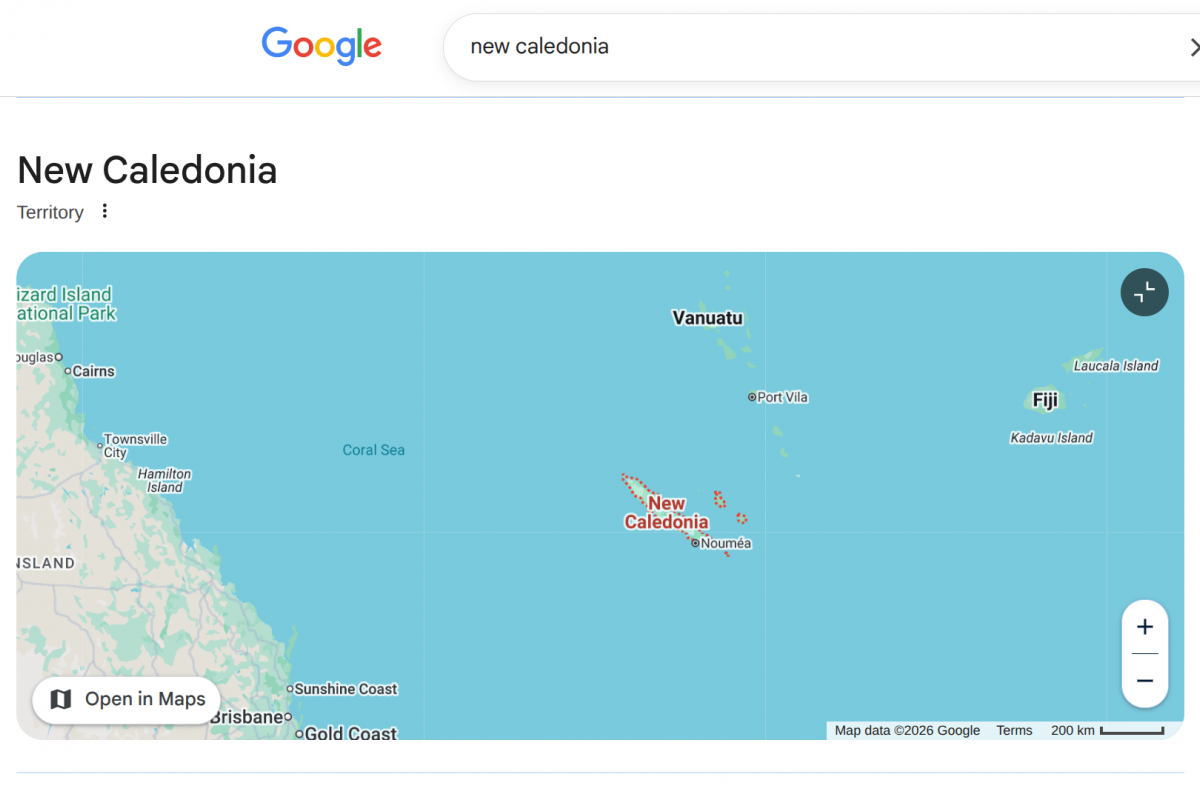
Health authorities emphasize that preventing mosquito bites remains the most effective and immediate defense during this epidemic. In 2025, approximately 60,000 travelers visited New Caledonia, which is located off the east coast of Brisbane, Australia.
As of April 11, 2026, the U.S. CDC's Level 1 Practice: Usual Precautions, Global Dengue Notice advises travelers in risk areas to take precautions to avoid mosquito bites, since Dengue vaccines are unavailable in the USA.