Regions 7 and 8 Report Most Pediatric Flu Deaths as Season Total Reaches 139
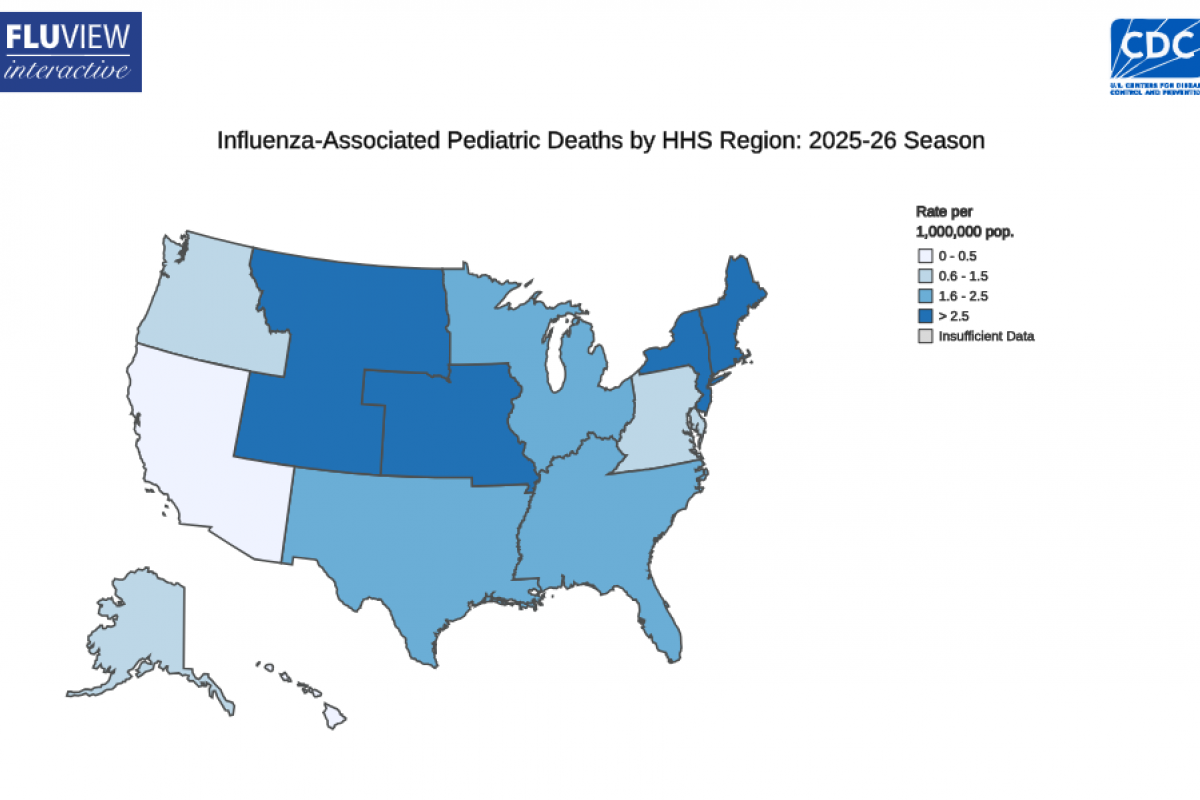
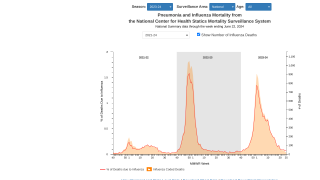
Seasonal influenza activity is continuing to decline in most areas of the United States, according to the U.S. Centers for Disease Control and Prevention (CDC). Currently, influenza A activity is low across all Health and Human Services (HHS) regions as the 2025-2026 flu season approaches its final weeks.
During Week 13, which ended on April 4, 2026, the CDC reported thirteen influenza-associated pediatric deaths. Twelve of these deaths occurred during the current 2025–2026 season, bringing the total number of pediatric deaths this season to 139.
Approximately 85% of the deaths with known vaccination status involved children who were not fully vaccinated.
Some central regions, such as HHS Regions 7 and 8, have reported higher absolute numbers of flu-related fatalities this season.
Overall, the CDC's in-season severity assessment framework classifies this flu season as moderate across all age groups.
Throughout the season, Influenza A(H3N2) viruses have been the most frequently reported type, with a report from September 28, 2025, indicating that 92.8% belong to subclade K. National and state health officials continue to recommend that everyone aged 6 months and older get vaccinated against influenza.
The CDC specifically advises flu shot boosters for certain high-risk individuals and encourages vaccination for people traveling to areas with ongoing influenza outbreaks.
"Even late in the season, vaccination remains the best way to protect yourself and your family," noted a CDC spokesperson.
Travelers heading to regions where flu circulates year-round or to the Southern Hemisphere—now entering its flu season—are especially encouraged to get vaccinated if they have not yet received this season's shot.
Unfortunately, as of April 12, 2026, the nasal spray at-home flu shot FluMist is sold out for this influenza season.
Our Trust Standards: Medical Advisory Committee