Wild Poliovirus Detected in Germany
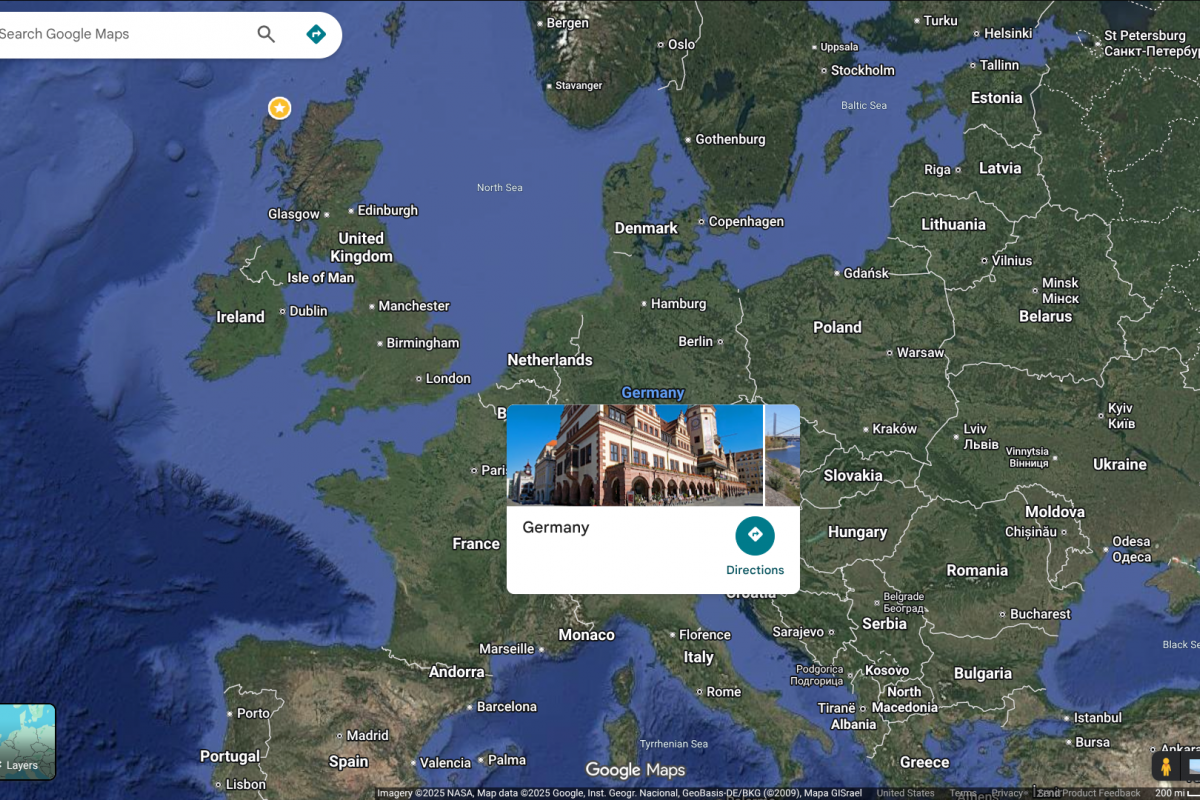
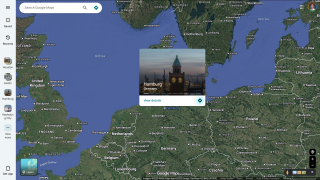
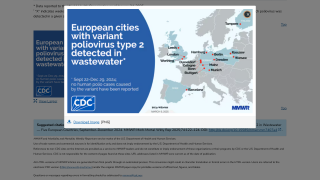
Germany's public health agency announced yesterday that Wild poliovirus type 1 (WPV1) had been recently detected in a sewage sample within this European country.
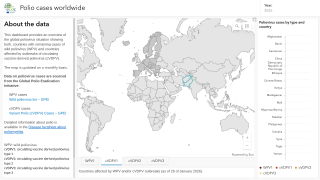
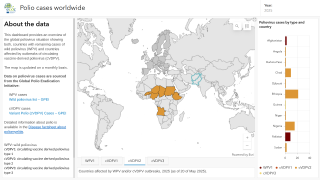
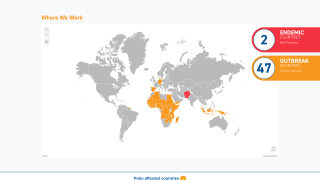
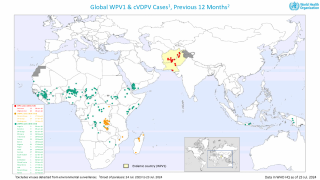
According to the Federal Ministry, the WPV1 virus likely entered Germany through an individual infected in either Pakistan or Afghanistan, the only two countries where wild polioviruses continue to spread. This type of poliovirus can cause poliomyelitis in people who are not vaccinated or are only partially vaccinated.
The Robert Koch Institute (RKI) wrote on November 12, 2025, that the risk to the general population from polioviruses is considered very low due to high vaccination rates and isolated detection in wastewater. No clinical cases of poliomyelitis have been reported to the RKI to date.
However, the occurrence of a clinical case in unvaccinated individuals cannot be ruled out.
Complete polio vaccination with the inactivated polio vaccine (IPV) used in Germany provides reliable protection against the disease, but only limited protection against infection and transmission.
In September 2025, Germany previously published answers to frequently asked questions about poliomyelitis with a focus on wastewater analysis.
A detailed article on this topic will be published in Epidemiological Bulletin 46/2025 on November 13, 2025.
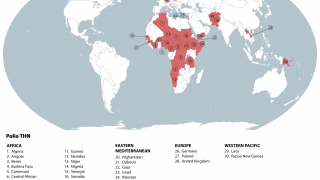
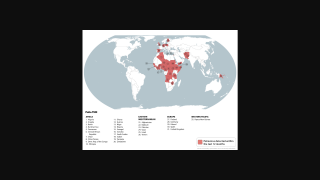
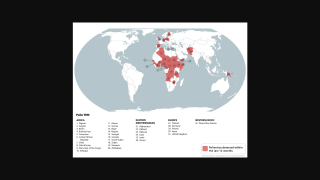
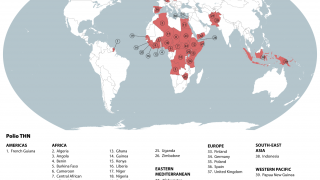
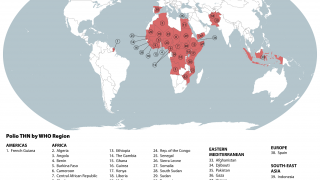
Currently, Germany is mentioned in the U.S. CDC's Global Polio Travel Health Notice. The CDC also recommends that international travelers be vaccinated with the IPV before traveling abroad in 2025.
Our Trust Standards: Medical Advisory Committee