Flu Shots Found Very Effective

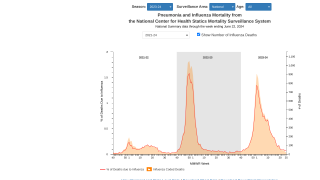
In the United States, influenza activity began earlier than usual this season, increasing in October 2022. However, influenza infections have steadily diminished since a peak in late December 2022.
According to a Morbidity and Mortality Weekly Report (MMWR) published today by the U.S. CDC, Influenza A(H3N2) represented most of the viruses detected and subtyped during this period.
The best news is that this virus is the same genetic subclade as and antigenically similar to the viruses included in the 2022–23 Northern Hemisphere influenza vaccine.
This is important since the effectiveness of seasonal flu shots varies by season, as influenza virus subtype and antigenic match with circulating viruses.
This MMWR interim report used data from two concurrent studies conducted in Wisconsin from October 23, 2022–February 10, 2023, to estimate influenza vaccine effectiveness (VE).
Overall, VE was 54% against medically attended outpatient acute respiratory illness associated with laboratory-confirmed influenza A among patients aged six months–64 years.
In a community cohort of children and adolescents aged <18, VE was 71% against symptomatic laboratory-confirmed influenza A virus infection.
Furthermore, these interim analyses indicate that influenza vaccination substantially reduced the risk for medically attended influenza among persons aged <65 years and for symptomatic influenza in children and adolescents.
The CDC says 'annual influenza vaccination is the best strategy for preventing influenza and its complications, and recommends that health care providers continue administering it to persons aged ≥6 months as long as influenza viruses are circulating.
As of February 24, 2023, various flu shots remain available at pharmacies throughout the U.S.
Moreover, most flu shots are offered at no cost to the person.
Our Trust Standards: Medical Advisory Committee