Zika Breaking News

Zika breaking news brought to you by Zika News.

Feb 21, 2023 • 10:06 am CST
by Vlad Vasnetsov

Icosavax, Inc. today announced the U.S. Food and Drug Administration (FDA) has granted Fast Track designation for IVX-A12, a bivalent respiratory syncytial virus (RSV) and human metapneumovirus (hMPV) virus-like particle (VLP) vaccine candidate, in older adults 60 years of age and above.

Niranjan Kanesa-thasan, Chief Medical Officer of Icosavax, commented in a press release on February 21, 2023, "IVX-A12 is differentiated as the most advanced vaccine candidate against these two leading causes of pneumonia in older adults."

In October 2022, Icosavax initiated a Phase 1, randomized, observer-blinded, placebo-controlled, multicenter study of IVX-A12, with and without CSL Seqirus' proprietary adjuvant MF59®, in up to 120 healthy older adults aged 60 to 75 years.

Icosavax anticipates announcing topline interim results from this Phase 1 trial in mid-2023, with subjects after that followed through 12 months after vaccination.

The company plans to initiate a Phase 2 trial for IVX-A12 in the second half of 2023.

According to the FDA, Fast Track is a process designed to facilitate the development and expedite the review of investigational drugs to treat serious conditions and fulfill an unmet medical need. An investigational drug that receives Fast Track designation may be eligible for more frequent interactions with the FDA to discuss the candidate's development plan and, if relevant criteria are met, eligibility for Accelerated Approval and Priority Review.

As of February 21, 2023, the FDA has not approved any RSV vaccine candidates conducting late-stage studies. Furthermore, the FDA has approved and is reviewing RSV monoclonal antibody therapies.

Feb 21, 2023 • 9:00 am CST
by Smith P.

Vaxcyte, Inc. announced today that the U.S. Food and Drug Administration (FDA) had cleared the Company's infant Investigational New Drug (IND) application for VAX-24, its lead, 24-valent pneumococcal conjugate vaccine (PCV) candidate designed to prevent invasive pneumococcal disease (IPD).

Vaxcyte stated it plans to initiate the infant Phase 2 study in the second quarter of 2023, with data expected by 2025.

The infant study design will include a primary immunization series consisting of three doses followed by a subsequent booster dose.

"The clearance of the VAX-24 infant IND application marks an important step in expanding the development of our lead, broad-spectrum PCV candidate in this important and vulnerable population," said Grant Pickering, Chief Executive Officer and Co-founder of Vaxcyte, in a press release on February 21, 2023.

"Based on the positive data from our Phase 1/2 proof-of-concept study in adults, we believe VAX-24 has the potential to deliver a best-in-class profile with broader coverage and better immune responses relative to the standard-of-care for both the adult and pediatric populations."

"We remain focused on advancing our VAX-24 clinical programs and look forward to the anticipated initiation of the infant study and announcement of the topline results from our Phase 2 study in adults aged 65 and older in the second quarter of this year."

Despite the effectiveness of current vaccines, IPD, which includes meningitis and bacteremia, remains persistent in the first years of life and is a leading cause of invasive disease in children two years of age and under.

The burden of disease in the pediatric population underscores the need for a broader-spectrum vaccine.

Precision Vaccinations post additional pneumococcal disease vaccine and candidates news.

Feb 20, 2023 • 3:59 pm CST
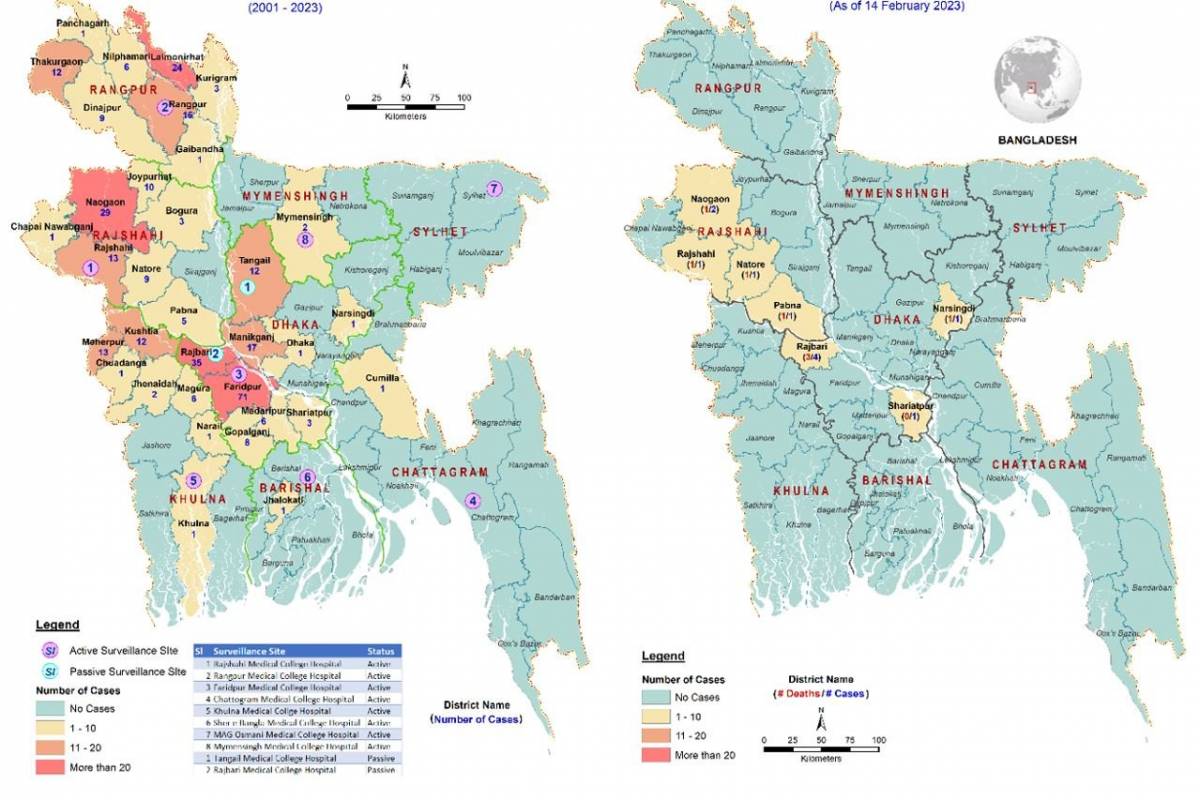
WHO Feb. 2023 Bangladesh

The World Health Organization (WHO) reported last week Nipah virus outbreaks have been seasonal in Bangladesh, with cases usually occurring annually between December and May. 

Nipah virus is a paramyxovirus whose wildlife reservoir is the fruit bat.

However, since early January 2023 and as of February 13, 2023, the WHO reported 11 Nipah cases had been confirmed, including eight deaths (Case Fatality Rate (CFR) 73%) reported across two divisions in Bangladesh.

A multisectoral response has been implemented by the Ministry of Health and Family Welfare, Bangladesh, including strengthened surveillance activities, case management, infection prevention and control, and implementation of risk communication campaigns.

As of February 20, 2023, the WHO assesses the risk as high at the national level, moderate at the regional level, and low at the global level.

The U.S. CDC previously published a Dengue travel alert for Bangladesh, but not for this Nipha virus outbreak.

No Nipah Virus vaccines are approved, but candidate vaccines are conducting studies, such as PHV02.

Feb 20, 2023 • 12:06 pm CST
VOA polio Jan. 2023

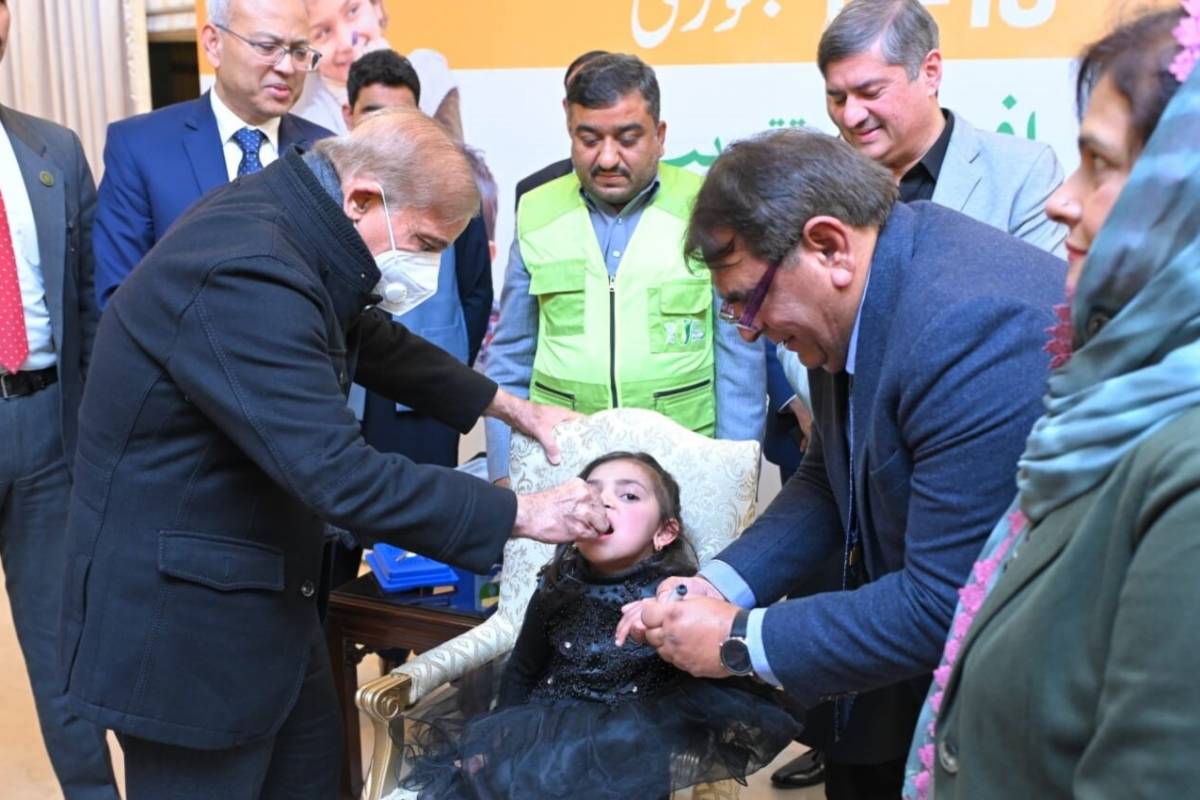
Pakistan's Polio Eradication Programme recently stated it is focused on eliminating polio in 2023 by continuing to conduct extensive vaccination programs.

Pakistan launched its first nationwide anti-polio campaign in 2023 to immunize children under the age of five against the crippling disease.

Pakistan has repeatedly come close to eradicating polio, but long-running propaganda in conservative rural areas that the vaccines cause sterility in children has set back the mission, reported VOA in January 2023.

This goal is within reach as only 20 wild poliovirus type 1 cases were reported in the Khyber Pakhtunkhwa province in 2022.

Polio is a crippling and potentially deadly disease that affects the nervous system of children.

For a summary of polio-related activities in Pakistan for the last two weeks, take a look at the latest National Emergency Operations Centre newsletter.

Pakistan is included in the U.S. CDC's Alert - Level 2, Practice Enhanced Precautions polio travel advisory issued in 2023.

Feb 20, 2023 • 11:38 am CST
U.S. CDC Feb. 2023

The U.K. Health Security Agency (UKHSA) recently reported surveillance data shows laboratory reports of norovirus are 66% higher than the average at this time of year.

As of February 9, 2023, the most significant increase in norovirus has been seen in those aged 65 years and over.

While high numbers of cases in this age group are expected at this time of year, these levels haven't been seen in over a decade, says the UKHSA.

Norovirus is highly infectious and quickly spread through contact with someone with the infection or contaminated surfaces.

In response to the increase in cases, UKHSA is reminding the public of the actions they can take to reduce the spread of norovirus.

One of the best ways to prevent the spread of norovirus is by practicing good hand hygiene.

Most people will fully recover within 2 to 3 days.

Still, it is essential to drink plenty of fluids to prevent dehydration, especially for the very young, elderly, or those with weakened immune systems, which are more at risk.

The U.S. CDC's Vessel Sanitation Program (VSP) requires cruise ships to log and report the number of passengers and crew who say they have symptoms of gastrointestinal illness. As of mid-February 2023, various norovirus outbreaks have been reported to the CDC.

And the list of Cruise Ship Inspection scoring 100 was updated in January 2023.

As of February 20, 2023, the U.S. Food and Drug Administration had not approved a norovirus vaccine.

Feb 20, 2023 • 9:01 am CST
by Brian Merrill

Tonix Pharmaceuticals Holding Corp. recently announced that it is obtaining an exclusive license from Columbia University in New York for the development of a portfolio of fully human (TNX-3600) and murine (TNX-4100) monoclonal antibodies (mAbs) for the treatment or prevention of SARS-CoV-2 infection.

The Company believes that murine mAbs, such as TNX-4100, have the potential to generate high-affinity antibodies that recognize different epitopes on the SARS-CoV-2 spike protein.

This is because mice have a different repertoire of antibodies than humans.

The technology for generating antibodies optimizes the selection of appropriate B cells by the timing of immunization, harvesting approach, and screening platform.

Seth Lederman, M.D., Chief Executive Officer of Tonix Pharmaceuticals, commented in a press release on February 13, 2023, "Immunocompromised individuals, including organ transplant recipients, are at increased risk of severe COVID-19 and poor clinical outcomes."

"We believe there is a need for second-generation mAb treatments and prophylactics to protect this population."

Although five mAb products containing seven distinct mAbs received emergency use authorization from the U.S. Food and Drug Administration for either treatment or prevention of COVID-19, none have remained useful or available in the U.S. since January 26, 2023.

Other mAbs news is posted at Coronavirus Today.

Feb 20, 2023 • 8:37 am CST
by Gerd Altmann

Clover Biopharmaceuticals, Ltd. today announced that it entered into an exclusive agreement with Taiwan-based Adimmune Corporation for Clover to distribute AdimFlu-S (QIS), a quadrivalent split inactivated vaccine, in mainland China.

The China National Medical Products Administration approved AdimFlu-S (QIS) in January 2022 for individuals three years and older.

AdimFlu-S (QIS) is currently the only imported quadrivalent seasonal influenza vaccine approved for use in China for individuals three years and older.

With commercial launch forecasted for later in 2023.

The agreement also grants Clover rights to commercialize AdimFlu-S (QIS) in Bangladesh, Brazil, and the Philippines, contingent on local regulatory approvals.

“We are very pleased to partner with Clover, with its growing commercial presence in mainland China and impressive record of successful cross-border collaboration,” said Dr. Chi-Hsien Chan, Chairman and Chief Executive Officer of Adimmune, in a Clover press release on February 19, 2023.

As a quadrivalent vaccine, AdimFlu-S (QIS) contains hemagglutinin from four influenza virus strains (two A and two B).

Clover Biopharmaceuticals is a global commercial-stage biotechnology company committed to unleashing the power of innovative vaccines to save lives and improve health worldwide. 

Founded in 1965, Adimmune Corporation is the only influenza vaccine manufacturer with both EU GMP and US FDA certificates in Taiwan. 

Feb 20, 2023 • 7:51 am CST
by neo tam

GC Biopharma announced today that the World Health Organization (WHO) granted prequalification for BARYCELA, a varicella vaccine.

BARYCELA is a live attenuated varicella virus vaccine containing MAV/06 strain, a virus exclusively attenuated by GC Biopharma.

While containing a higher amount of virus, this new vaccine, compared to its previous product (Suduvax), shows higher product stability.

BARYCELA has also proved non-inferior in immunogenicity with an equivalent level of safety to Merck's Varivax®, an existing prequalified vaccine in the market.

In addition, BARYCELA is being produced in a state-of-the-art aseptic condition from cell culture and virus infection to purification to make it the world's single-only varicella vaccine produced without antibiotics.

WHO prequalification decision has made BARYCELA eligible for procurement by the United Nations agencies for national immunization programs. 

With the WHO's prequalification decision, MAV/06 strain has moved closer to being registered in the WHO Technical Report Series and the previously listed OKA strain.

According to the U.S. CDC, Varicella, known as chickenpox, is an acute infectious disease.

It is caused by the varicella-zoster virus (VZV), which is a DNA virus that is a member of the herpesvirus group. Primary infection with VZV causes varicella.

After the primary infection, VZV stays in the body as a latent infection.

Reactivating latent infection causes herpes zoster (shingles), and approved vaccines are available.

"We hope BARYCELA will continue our contribution to reducing the world's social and economic cost incurred by varicella outbreaks," said EC Huh, Ph. D., President of GC Biopharma, in a press release on February 19, 2023.

Developed in 1993, GC Biopharma's Suduvax was Korea's first and the world's second varicella vaccine.

Over 28 million doses of the vaccine have been sold worldwide.

GC Biopharma's strategy is to utilize the global supply network for Suduvax to distribute BARYCELA.

Feb 19, 2023 • 10:50 am CST
from Pixabay

The Florida Health Department recently reported 18 additional travel-associated dengue case were reported in week #6. 

At this pace, Florida may exceed its case reports for 2022, when 903 travel-associated dengue cases have been reported.

Florida is not alone in reporting dengue cases in 2023.

The Pan American Health Organization reported on February 19, 2023, that Brazil confirmed the highest number of dengue cases in the Region in 2022, with 2,363,490 cases (84%), followed by Nicaragua, Peru, Colombia, and Mexico.

 And the U.S. territory of Puerto Rico continues to report severe dengue cases in 2023.

While the U.S. Centers for Disease Control and Prevention issued a Watch - Level 1, Practice Usual Precautions travel notice regarding dengue outbreaks in 2022, it did not include Florida or Puerto Rico. 

Dengue is a disease caused by a virus spread through mosquito bites.

Furthermore, a recent study published by the Royal Society indicates the mosquitoes that carry dengue are expanding their range.

Using a regression approach, these researchers estimated that specific mosquitoes gained an average of 6.5 m of elevation per year, and the southern limits of their ranges are moving polewards 4.7 km per year. 

The good news is dengue is a vaccine-preventable disease.

As of February 19, 2023, two authorized dengue vaccines (Qdenga and Dengvaxia) are available in certain countries.

Dengue vaccination is not required to visit Florida or the Caribbean during 2023.

Feb 18, 2023 • 6:19 am CST
U.S. CDC Polio Alert Jan. 2023

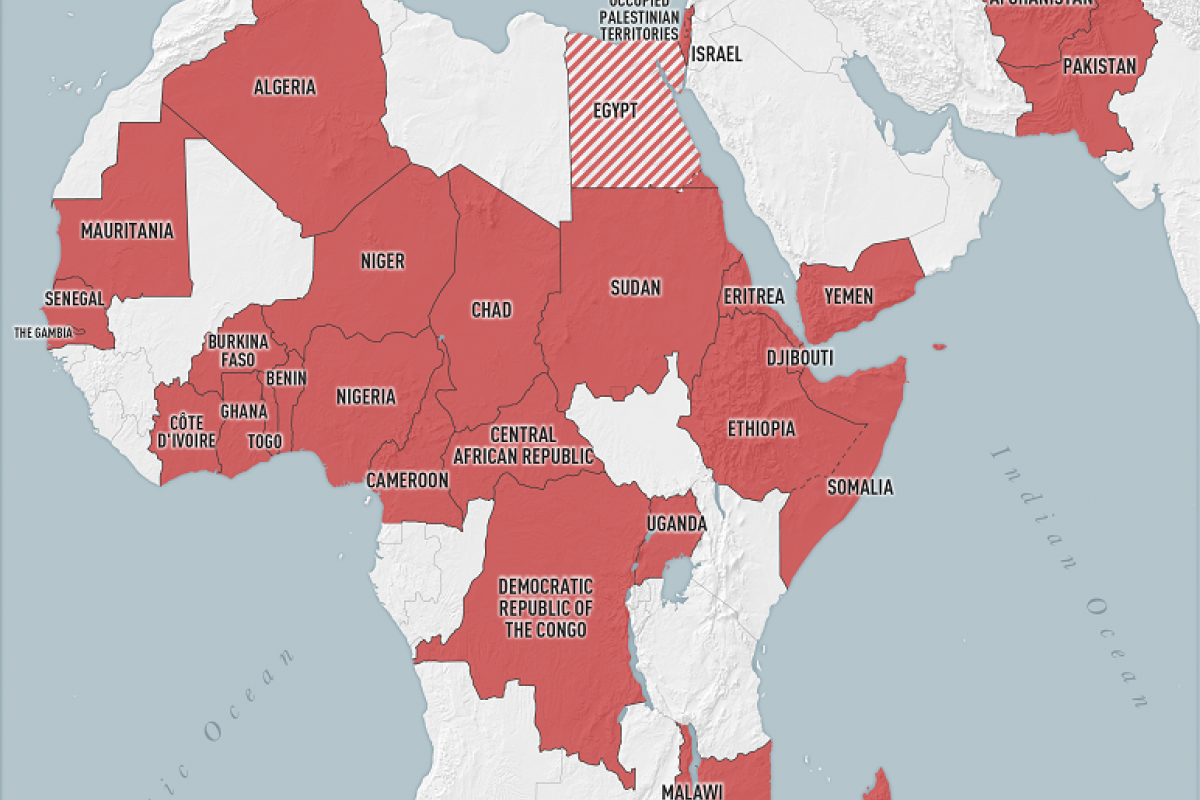
During the year since Malawi confirmed its first case of wild poliovirus patient in 30 years, more than 33 million children across five African countries have been vaccinated against the virus.

About 80 million polio vaccine doses have been administered since mid-2022.

A total of nine wild poliovirus cases have been reported, with one in Malawi and eight in neighboring Mozambique, since the declaration of an outbreak in February 2022 in Malawi.

The last confirmed case to date was in August 2022 in Mozambique.

The wild poliovirus in Malawi and Mozambique originated from Pakistan, one of the two last endemic countries.

"Southern Africa countries have made huge efforts to bolster polio detection, curb the spread of the virus and ensure that children live without the risk of infection and lifelong paralysis," said Dr. Matshidiso Moeti, World Health Organization (WHO) Regional Director for Africa, in a press release on February 17, 2023.

"We continue to support the polio control efforts across the region so that every child receives the protection they need."

And at least five more are planned for 2023 in the five countries.

Polio is highly infectious and affects unimmunized or under-immunized children.

There is no cure for polio, and it can only be prevented by immunization.

Children worldwide remain at risk of wild polio type 1 as long as the virus is not eradicated in the remaining areas where it is still circulating.

There are WHO-approved polio vaccines offered throughout Africa.

These African countries were identified in the U.S. CDC's Global Polio Alert - Level 2, Practice Enhanced Precautions alert issued in January 2023.

Feb 18, 2023 • 5:10 am CST
by Quang Nguyen vinh

The peer-review JAMA Network published an Original Investigation focused on the most appropriate monoclonal antibody (mAb) for preventing respiratory syncytial virus (RSV) in children.

This analysis was essential since RSV is a leading cause of respiratory disease in children and the primary cause of hospitalization for viral respiratory infections.

Published on February 17, 2023, this systematic review and network meta-analysis comparing the efficacy and safety of 4 mAbs for preventing RSV infection in children found associations with the improvement of clinically meaningful outcomes and no significant associations with RSV-related adverse effects and mortality.

These findings suggest that motavizumab, nirsevimab, and palivizumab are associated with reduced rates of RSV infections and hospitalizations.

Similar results were observed in the rate of supplemental oxygen use.

While RSV vaccine candidates are completing late-stage clinical studies, mAbs targeting RSV prevention have been U.S. Food and Drug Administration (FDA) for years.

For example, the U.S. CDC CDCHAN-00479 stated on November 4, 2022, that eligible high-risk children should receive the mAbs palivizumab (Synagis) treatment according to AAP guidelines to prevent RSV-associated hospitalizations. 

Recently, the Biologics License Application for nirsevimab (Beyfortus®) was accepted for review by the FDA on January 5, 2023. The FDA's Prescription Drug User Fee Act date for its decision is in the third quarter of 2023.

If approved, nirsevimab would become available in the U.S. for the 2023/2024 RSV season. 

Nirsevimab (MEDI8897) was developed in partnership between AstraZeneca and Sanofi.

Feb 17, 2023 • 12:56 pm CST
Florida Dept of Health Feb 15, 2023

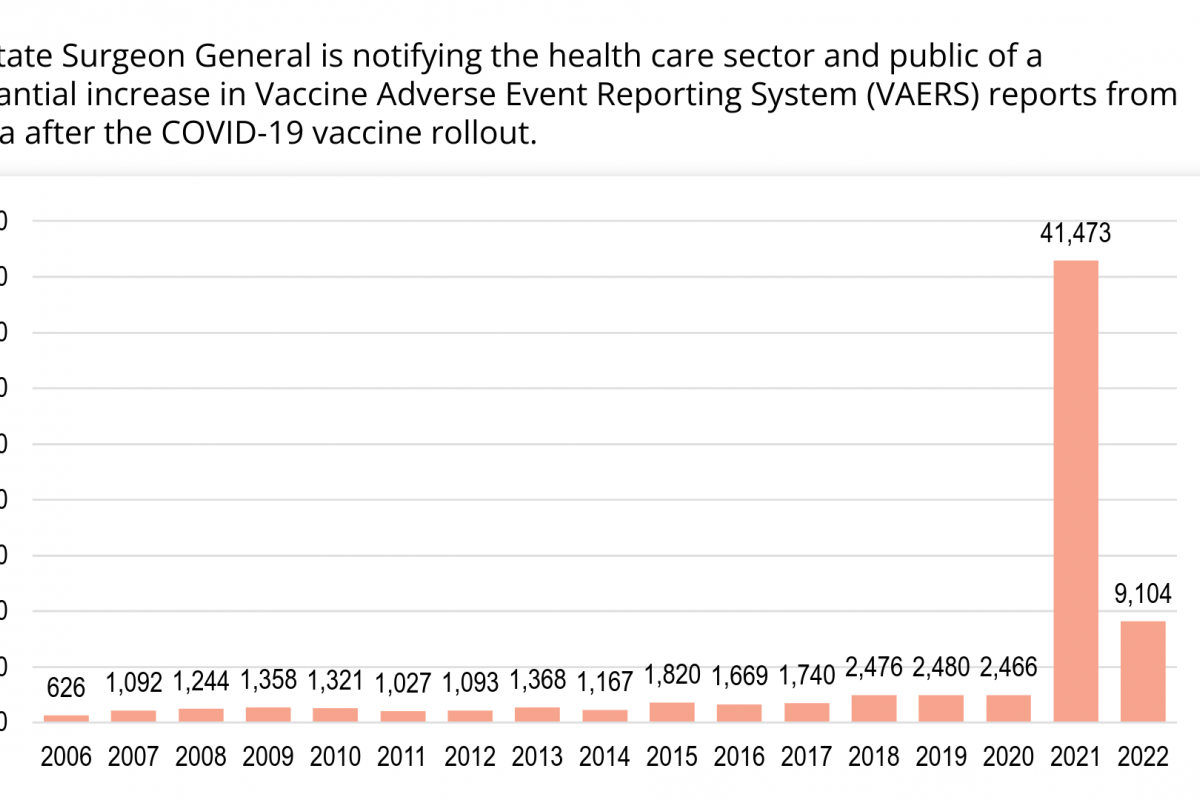
Although the initial response was led by a sense of urgency and crisis management, the Florida State Surgeon General announced on February 15, 2023, he believes it is critical that, as public health professionals, responses are adapted to the present to chart a future guided by data.

As such, the State Surgeon General notified the healthcare sector and public on February 15, 2023, of a substantial increase in Vaccine Adverse Event Reporting System reports issued from Florida after the COVID-19 vaccine rollout.

To further evaluate this, Surgeon General Dr. Ladap wrote a letter to the U.S. Food and Drug Administration and the Centers for Disease Control and Prevention, illustrating the risk factors associated with the mRNA COVID-19 vaccines and emphasizing the need for additional transparency.

Feb 17, 2023 • 12:01 pm CST
U.S. CDC Marburg cases map Feb. 16, 2023

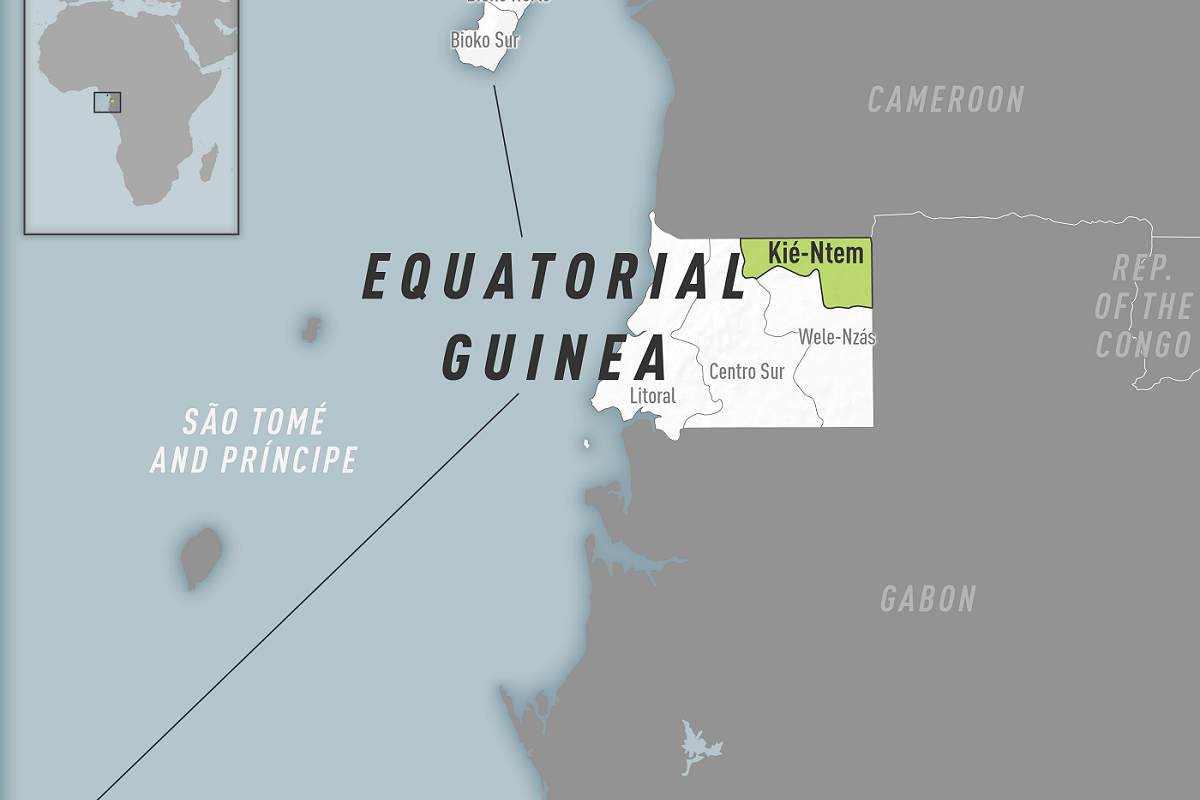
The U.S. Centers for Disease Control and Prevention (CDC) today announced Equatorial Guinea declared an outbreak of Marburg virus disease (MVD) after confirming cases in the Kie Ntem Province.

In response, Equatorial Guinea declared an outbreak of MVD on February 13, 2023.

The CDC stated on February 16, 2023, that MVD is a rare and deadly disease that has sometimes caused outbreaks in several African countries.

Travelers to MVD endemic areas should separate themselves from others and seek medical care immediately if they develop fever, chills, muscle pain, rash, sore throat, diarrhea, weakness, vomiting, stomach pain, or unexplained bleeding or bruising during or after travel (up to 21 days).

And, call ahead before going to a healthcare facility and tell your doctor that you've been to an area reporting MVD cases, says the CDC.

Initially detected in 1967 in Germany, MVD is spread by contact with the blood or body fluids of a person infected with the Marburg virus. 

As of February 17, 2023, Angola, DR Congo, Equatorial Guinea, Cameroon, Germany, Ghana,  Guinea,  Kenya,  Serbia, South Africa, and Uganda have previously confirmed MVD cases.

While there are no U.S. FDA-approved Marburg preventive vaccines, several candidates are conducting clinical studies.

NPR reported today Dr. Leana Wen, an emergency physician and professor at the Milken School of Public Health at George Washington University, says there's one more urgent reason a vaccine must be prioritized.

"Healthcare workers are at particular risk, and in Equatorial Guinea and surrounding countries, illness and death of the relatively few doctors and nurses they have would have a tremendous lasting impact on health in their region."

Feb 17, 2023 • 11:06 am CST
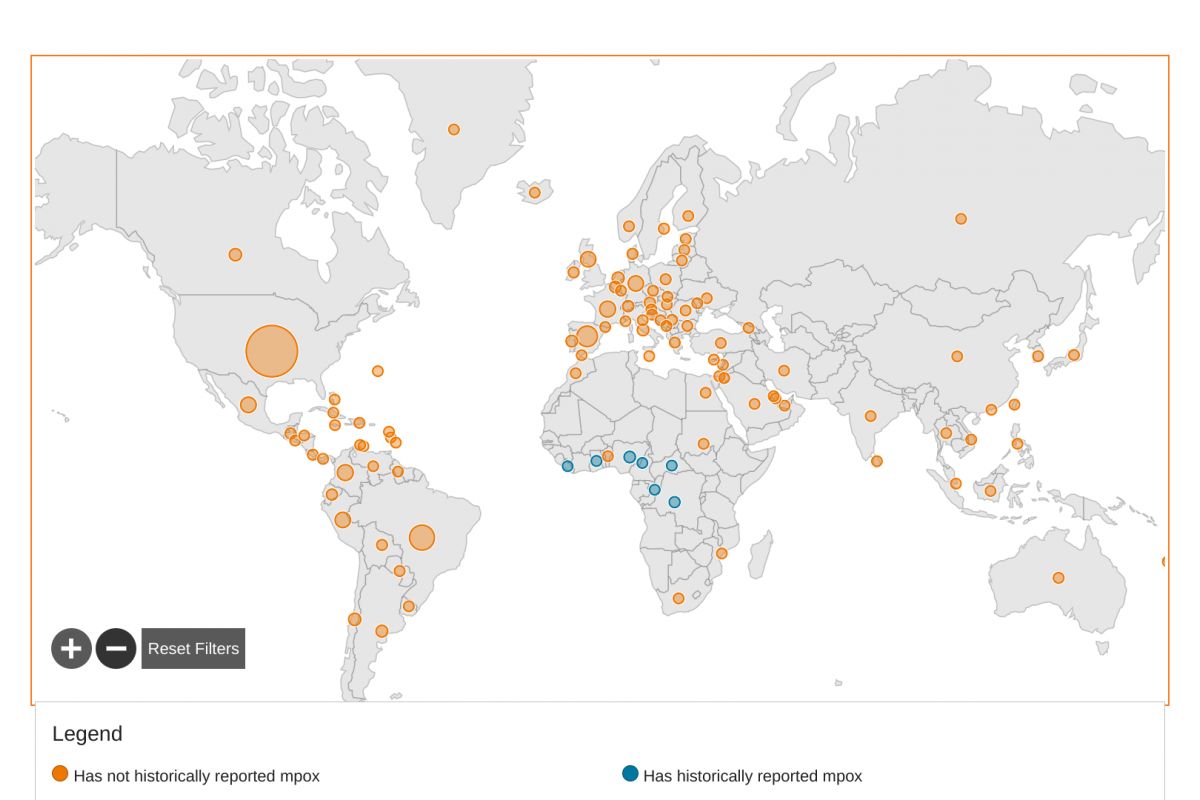
U.S. CDC Mpox map Feb. 15, 2023

The acting director of the Africa Centers for Disease Control and Prevention (ACDC), Ahmed Ogwell, stated he hopes Mpox vaccines will finally arrive on the continent "in another two weeks, tops" after months of seeking doses.

The AP reported on February 16, 2023, the Mpox vaccines will go first to countries with acute need and the most significant overall burden, such as Congo and Nigeria. Nigeria was listed in the U.S. CDC's Watch - Level 1, Practice Usual Precautions notice issued in November 2021.

People become infected with the mpox virus through contact with the bodily fluids of infected animals or humans.

Mpox occurs throughout Central and West Africa, often near tropical rainforests. The first human case of Mpox was identified in the Democratic Republic of Congo in 1970. 

In November 2022, the government of the Republic of Korea, through the Korean Disease Control and Prevention Agency, announced it would donate the first batch of the Mpox vaccine to Africa through the ACDC.

In the U.S., over 1.1 million doses of the Bavarian Nordic JYNNEOS® (MVA-BN) vaccine have been distributed since May 2022.

Since May 5, 2022, about 110 countries have reported 85,800 Mpox patients and 88 related fatalities.

The countries with the highest cumulative notification rates in Europe are Spain, Portugal, and Luxembourg. Additional Mpox outbreak news is posted at MpoxToday.

While the World Health Organization has maintained its multi-country outbreak notice, the U.S. recently discontinued its Mpox alert.

Feb 17, 2023 • 8:20 am CST
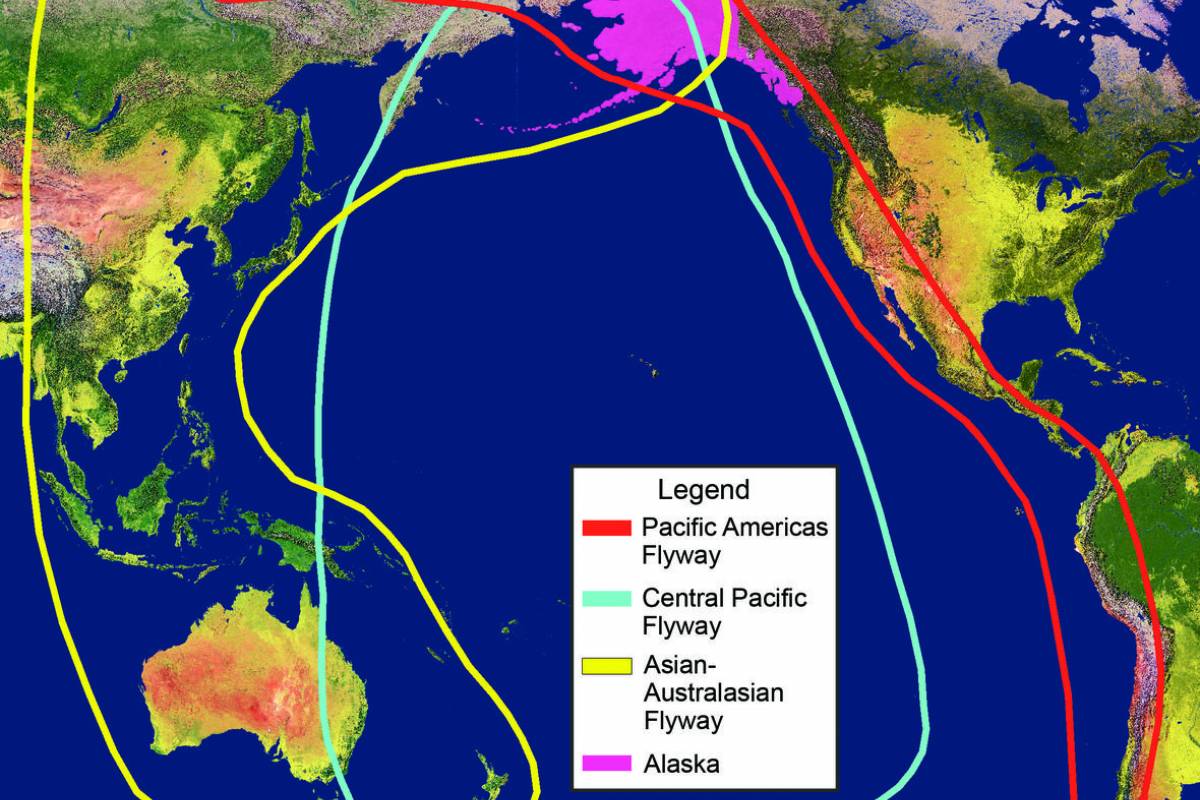
USGA Feb. 2023

The continual spreading of the Highly Pathogenic Avian Influenza (HAPI) H5N1 influenza A virus across the globe has prompted many questions without clear answers.

These questions accelerated recently when seven people, including various mammals, became infected over the past year.

Amesh Adalja, M.D. with MedPageToday, published an opinion article on February 16, 2023, focused on whether an influenza pandemic caused by this version of HAP is imminent.

'This is an important question that must be asked of all novel influenza viruses. However, the answers regarding influenza are not that simple and require placing this strain into a larger context of avian influenza more generally,' wrote Dr. Adalja. The full unedited article is posted at this link.

Avian influenza A (bird flu) viruses are common and widespread in birds.

Should a human-to-human HAPI outbreak occur, the U.S. Food and Drug Administration has already approved one type of 'bird flu vaccine' that could be effective.

While most people have already received their annual flu shot, this type of vaccine would not be very effective against HAPI viruses.