Travel Vaccine Breaking News

Travel vaccine breaking news brought to you by Vax Before Travel.

Feb 2, 2026 • 9:00 am CST
ECDC 2026

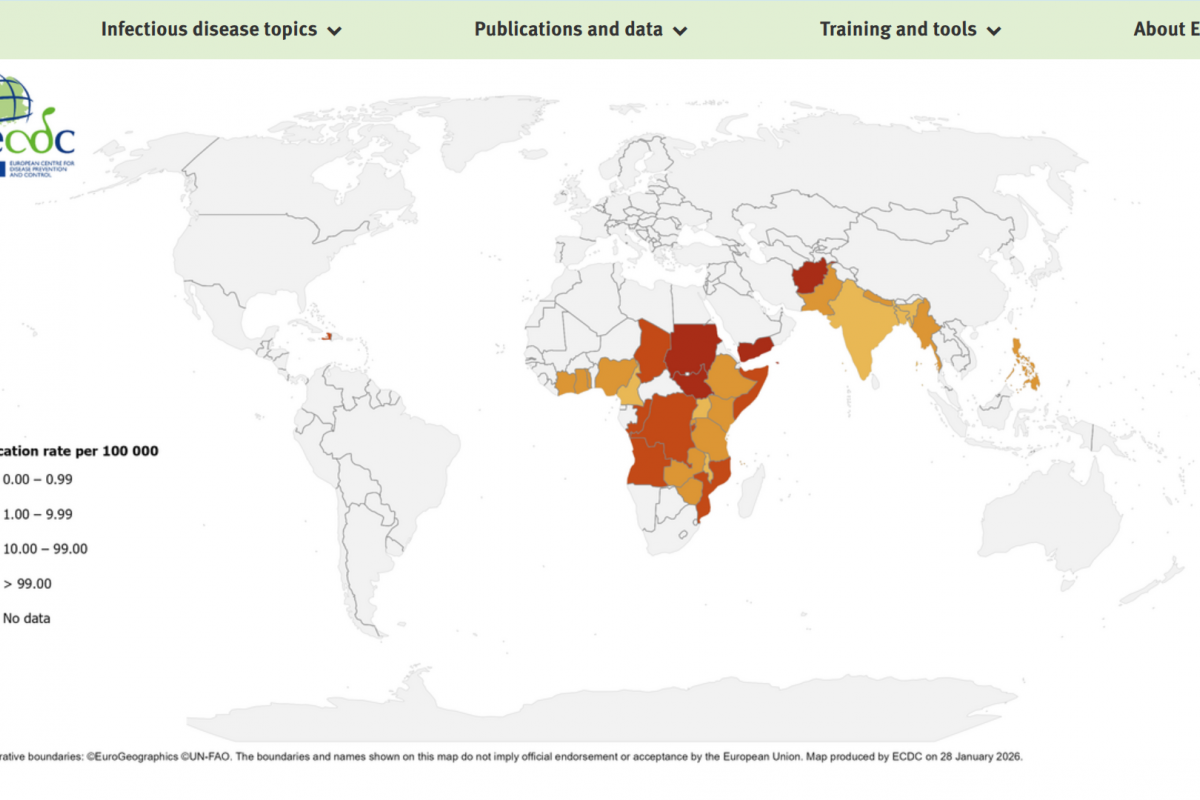
The early weeks of 2026 have seen a significant decline in reported cholera cases compared to the same period last year, according to preliminary data from the European Centre for Disease Prevention and Control (ECDC) in its week #5 report.

The ECDC reported that from January 1 to January 27, 2026, a total of 1,203 cholera cases, including seven deaths, were reported across eight countries: Angola, Burundi, Ethiopia, Malawi, Mozambique, Namibia, Somalia, and Zambia.

Health authorities attribute the decline to a combination of seasonal factors, improved response efforts, and expanded interventions in high-risk areas.

This figure marks a significant decrease from the equivalent period in 2025, when 10,043 cases and 32 deaths were reported worldwide by January 27. The reduction aligns with broader trends observed in late 2025, when global cholera activity began to ease in some regions after peaks in previous years.

For context, the World Health Organization (WHO) reported a cumulative total of approximately 614,828 cholera cases and 7,598 deaths from January 1 to December 28, 2025, across 33 countries in five WHO regions.

Vaccine availability is a critical concern in controlling disease outbreaks.

The global oral cholera vaccine (OCV) stockpile, managed by the International Coordinating Group (ICG) and partners such as UNICEF and WHO, has fluctuated in recent years as high demand has outstripped production.

As of early 2026, emergency stockpile reports indicate that over 20 million doses are available (including formulations such as OCV-S), with ongoing production increases aimed at meeting global needs.

WHO-prequalified OCVs, such as Vaxchora, are being deployed for reactive vaccination campaigns in affected areas.

The ECDC and the WHO say that international travelers to affected regions should consult healthcare providers and local travel vaccination experts about OCV options to prevent disease while abroad.

Feb 1, 2026 • 5:42 am CST
LAX

The Los Angeles County Department of Public Health (LACDPH) announced yesterday that it is investigating a new confirmed case of measles in an individual who recently returned from international travel.

This case, the second reported in the county as of February 1, 2026, involves a traveler who was infectious while passing through Los Angeles International Airport (LAX) and visiting at least one other public location.

LACDPH officials are warning that anyone present in Terminal B from 10:45 p.m. on January 26 to 1 a.m. on January 27 may have been exposed to the highly contagious virus.

In collaboration with the U.S. Centers for Disease Control and Prevention (CDC), local health departments are notifying passengers seated near the traveler on the international flight. An additional potential exposure site at Dunkin' Donuts, 22020 Ventura Blvd., Woodland Hills, CA 91364, on January 30, 2026, from 3 p.m. to 4:45 p.m.

California has reported several cases so far in 2026, including this one in Los Angeles County and related exposures in neighboring Orange County, where the traveler also visited popular locations such as Disneyland.

"Measles is a serious respiratory disease that spreads easily through the air and on surfaces, particularly among people who are not already protected against it," said Muntu Davis, MD, MPH, Los Angeles County Health Officer, in a recent press release.

"A person can spread the illness to others before symptoms appear, and it can take 7 to 21 days for symptoms to show up after exposure. Measles can lead to severe disease in young children and vulnerable adults."

"As LA County residents begin to travel this summer, and with measles cases increasing among those who have traveled recently, we remind everyone that the best way to protect yourself and your family from infection is through the highly effective measles vaccine."

LACDPH says anyone who believes they may have been exposed should consult a healthcare provider promptly and inform them of their potential exposure before any in-person visit to avoid further spread in medical settings.

These LAX cases come amid a significant national rise in measles cases.

As of late January 2026, the CDC reported 588 confirmed cases in the United States, marking the highest January total since the country declared measles eliminated in 2000. Current outbreaks have been identified in South Carolina and Utah.

In 2025, the U.S. recorded 2,242 cases, one of the highest annual totals in decades.

As of February 2026, the CDC continues publishing a global measles outbreak Travel Health Notice, alerting international travelers to this health risk. To locate a travel vaccine clinic, visit Vax-Before-Travel.com. 

Jan 31, 2026 • 2:23 pm CST
US CDC January 2026

The U.S. Centers for Disease Control and Prevention (CDC) has classified the 2025-2026 influenza season as moderate severity across all age groups.

However, seasonal influenza activity remains elevated nationwide and increased last week after three weeks of decline.

And Influenza A activity has remained stable, while influenza B activity has increased. 

As of January 30, 2026, the CDC's FluView reported #3 stated that at this point in the flu season, the pediatric age group is classified as having high severity, while both the adult and older adult age groups are classified as having moderate severity. 

Furthermore, the CDC confirmed eight additional influenza-associated pediatric deaths this week, bringing the total for the 2025-2026 season to 52.

Among children who were eligible for influenza vaccination and with known vaccine status, approximately 90% of reported pediatric deaths this season have occurred in children who were not fully vaccinated against influenza.

The CDC and healthcare providers throughout the USA encourage all children to be protected from influenza by accessing flu shots when recommended. 

Jan 30, 2026 • 11:17 am CST
UKHSA

Despite the United Kingdom (UK) maintaining high vaccination coverage and remaining polio-free for decades, recent detections of poliovirus in wastewater have emerged as a significant early warning signal.

As of January 28, 2026, the Global Polio Eradication Initiative (GPEI) reported the detection of a circulating vaccine-derived poliovirus type 2 (cVDPV2) in an environmental sample in the UK.

This finding was part of routine wastewater surveillance conducted by the UK Health Security Agency (UKHSA) and is part of ongoing efforts to monitor for poliovirus in sewage systems.

This recent detection aligns with a pattern of similar findings in the UK. Previous cVDPV2 detections in the UK during 2025 and late 2024 were linked to specific sites, for example:

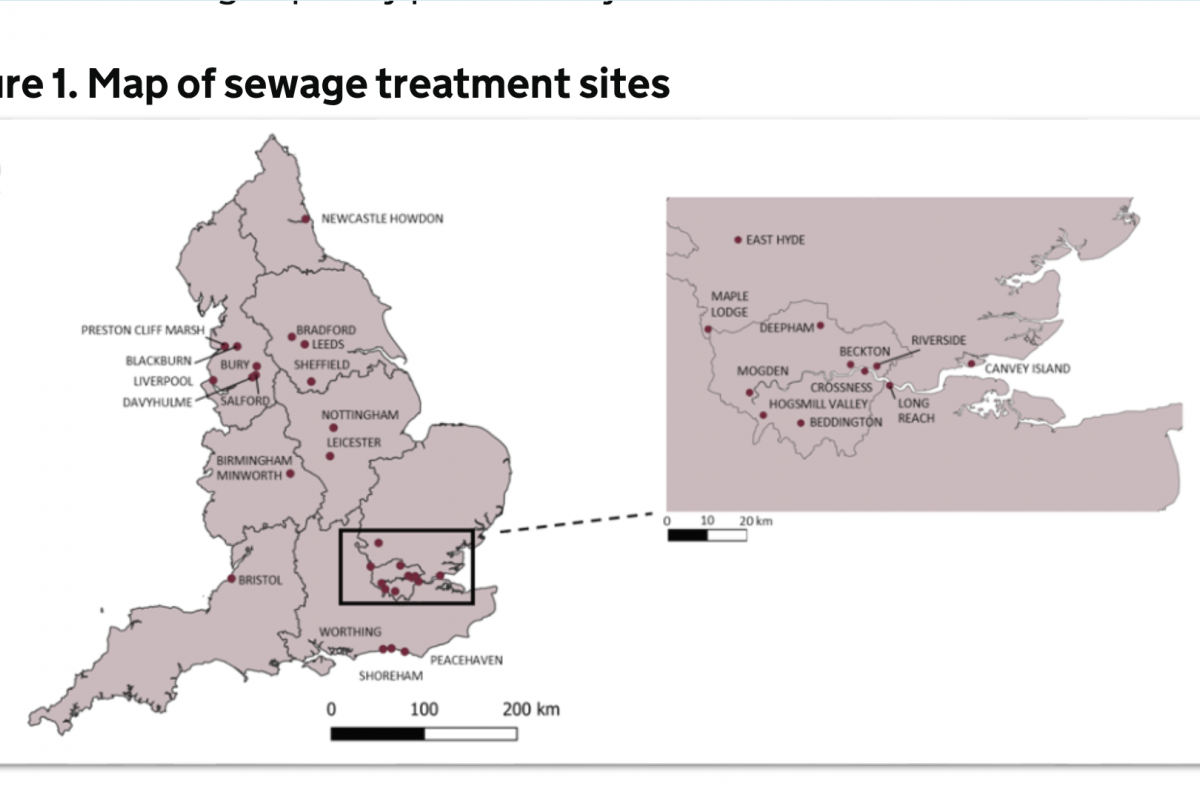
A single sample from Shoreham STW on January 20, 2025 (with follow-up negative).

Other 2025 instances in regions such as Yorkshire and the Humber (September 2025 sample).

Detections in late 2024 from East Worthing STW (covering parts of West Sussex), Leeds Knostrop STW, and London Beckton/Crossness STWs.

In June 2022, UKHSA announced that environmental surveillance for polio had consistently detected poliovirus in sewage samples collected from the Beckton Sewage Treatment Works in London.

Additional cases were noted in sources like the GPEI's weekly updates and UKHSA reports.

The strain involved in the recent UK detections has often been genetically linked to broader international clusters. In late 2024 and into 2025, a specific genetic cluster of cVDPV2—originating from lineages first observed in Nigeria—was detected in wastewater across multiple European countries, including the UK.

These detections underscored the risk of importation and silent circulation in under-vaccinated areas, prompting calls from the U.S. Centers for Disease Control and Prevention (CDC).

As of January 30, 2026, the CDC's Level 2 - Practice Enhanced Precautions, Travel Health Notice lists 32 countries, including the UK. The CDC advises speaking with a travel vaccine advisor about immunization options before visiting countries at high risk for poliovirus.

CDC health experts say that as long as the poliovirus circulates anywhere, the risk of importation persists, even in polio-free regions.

Jan 29, 2026 • 1:30 pm CST
Bruce Emmerling

Philadelphia health officials are raising concerns about a noticeable increase in chickenpox (varicella) cases among unvaccinated children in the city.

In early 2026, the Philadelphia Department of Public Health (PDPH) reported two separate outbreaks at two schools in eastern Pennsylvania.

On January 5, 2026, the PDPH issued a health advisory to clinicians and the public. The advisory emphasized the importance of recognizing, managing, controlling, and preventing varicella.

In November 2025, PDHP issued a similar health alert about chickenpox cases in schools.

This situation underscores ongoing worries about vaccine-preventable diseases in schools. Currently, the student population in Philadelphia exceeds 1.6 million from kindergarten through 12th grade.

Gayle Mendoza, a spokesperson for the PDPH, told the Inquirer on January 27, 2026, that she had no details on how many cases were reported among vaccinated versus unvaccinated children. It's also unclear which factors have contributed to the rise in chickenpox cases.

Although the current outbreaks are limited in scope, officials stress the necessity of maintaining high vaccination rates to prevent a wider spread of this once-common childhood illness.

During 2025, the U.S. CDC data indicates fewer than 150,000 cases reported annually in recent years. Hospitalizations were under 1,400, and deaths were around 30 or fewer.

Chickenpox can pose serious risks to vulnerable populations, including pregnant individuals, newborns, and those with weakened immune systems.

Jan 29, 2026 • 11:10 am CST
Google Maps 2026

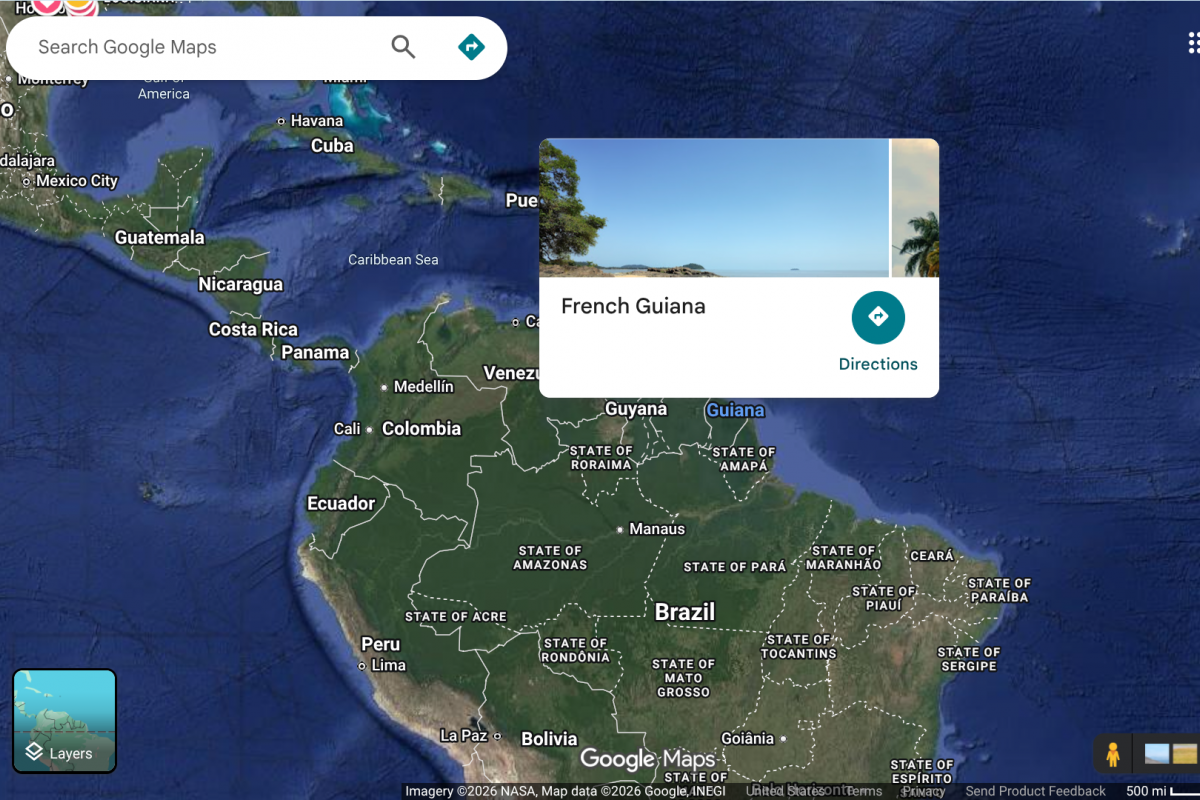
The Regional Health Agency (ARS) of French Guiana has announced the detection of the territory's first locally acquired case of chikungunya. The individual, who had not traveled in the 15 days before the onset of symptoms, tested positive for the virus on January 21, 2026.

As of January 27, 2026, ARS described this chikungunya case in a press release as isolated, with no evidence of wider transmission of the mosquito-borne viral disease in this French department on the northeast coast of South America.

While no large-scale outbreak was reported in French Guiana during 2025, the new locally acquired case indicates the need for renewed vigilance. Health authorities in French Guiana are implementing standard response measures, including enhanced mosquito control, public education on eliminating breeding sites, and surveillance to monitor for additional cases.

Currently, ARS emphasized that, while this remains an isolated case, continued monitoring is essential given the virus's transmission dynamics and the presence of vectors in the territory. 

This development in French Guiana occurs amid significant chikungunya activity in French overseas departments and territories throughout 2025. The virus experienced a considerable resurgence in the Indian Ocean region, particularly in La Réunion, where a large-scale outbreak began in late 2024 and peaked in early 2025.

By mid-September 2025, La Réunion had reported over 54,500 confirmed cases and 40 deaths.

In early 2026, the Pan American Health Organization reported that Brazil (180) and Suriname (39) had reported confirmed chikungunya cases in the region this year.

In the United States, one local case was confirmed in Florida as of week #3 in 2026.

And off Florida's southeast coast, Cuba has confirmed a significant number of chikungunya cases.

Chikungunya has no specific antiviral treatment; management focuses on relieving symptoms through rest, hydration, and pain relievers. Prevention through vector control remains the cornerstone of response efforts.

Additionally, a U.S. FDA-approved single-dose aluminum hydroxide-adjuvanted, non-live, virus-like particle vaccine chikungunya vaccine is available at travel clinics in the U.S.

Jan 29, 2026 • 10:42 am CST
Google Maps 2026

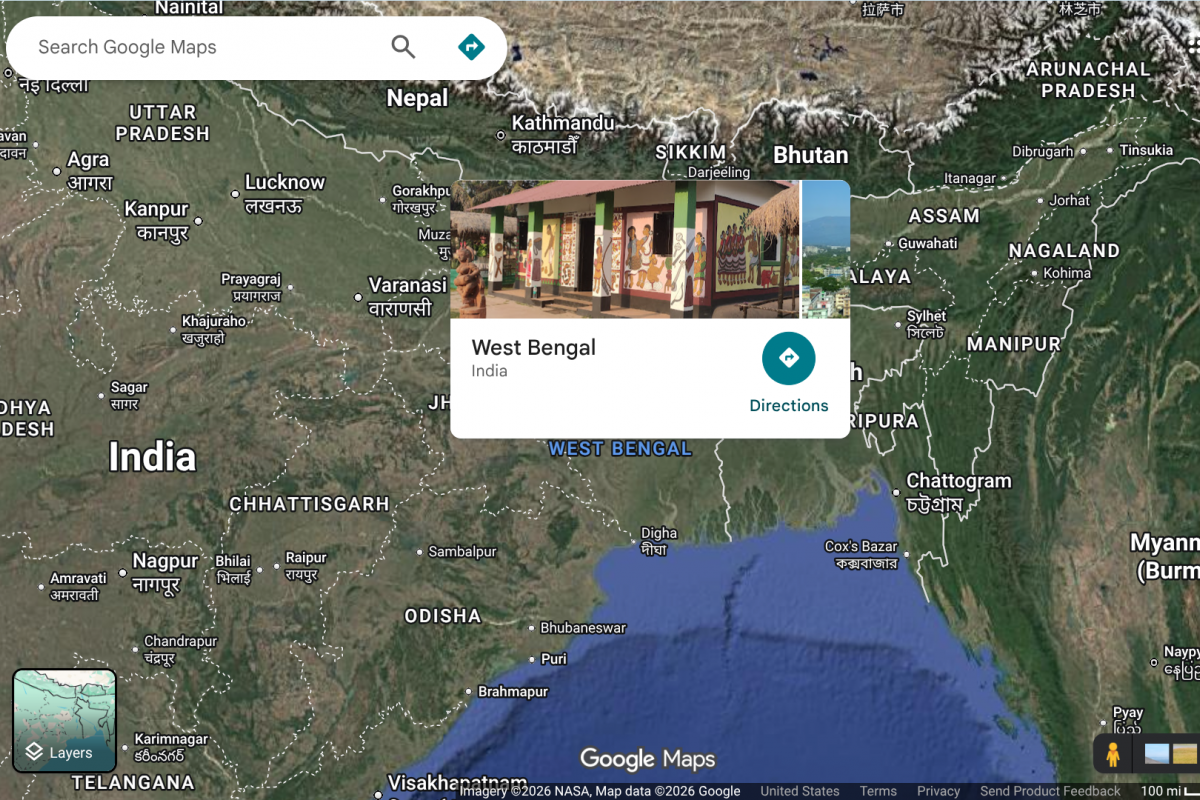
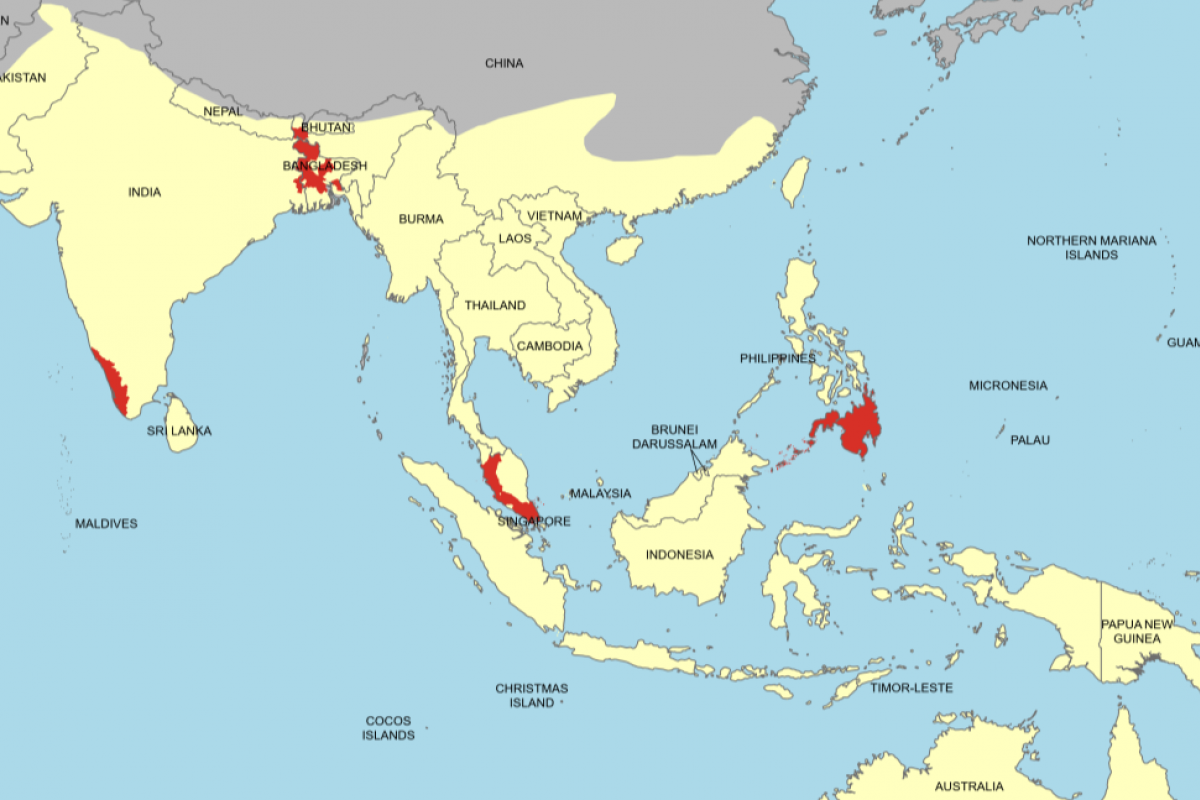
The National Centre for Disease Control (NCDC) today confirmed in a statement that only two cases of Nipah Virus Disease (NiVD) have been reported in West Bengal from December 2025 to date.

These two confirmed cases mark the first reported Nipah incidents in West Bengal in nearly two decades, following a previous outbreak in 2007.

A total of 196 contacts linked to the confirmed cases were identified, traced, monitored, and tested; all were found to be asymptomatic and tested negative for NiVD.

As of January 27, 2026, no additional cases have been detected in West Bengal, a state in eastern India, between the Himalayas mountains and the Bay of Bengal.

The Ministry stated that the situation remains under constant monitoring, with all necessary public health measures in place to prevent any further spread.

Nipah virus, a zoonotic pathogen transmitted primarily from fruit bats or through contaminated food, can cause severe illness in humans. However, human-to-human transmission is possible in close-contact settings.

Regarding disease prevention, Nipah virus vaccine candidates include live-attenuated and replication-defective recombinant platforms based on poxviruses, VSV, adenovirus, measles, rabies, and virus-like particles, as well as subunit vaccines.

These vaccines have not been approved by any government agency.

Jan 28, 2026 • 9:44 am CST
US CDC 2025

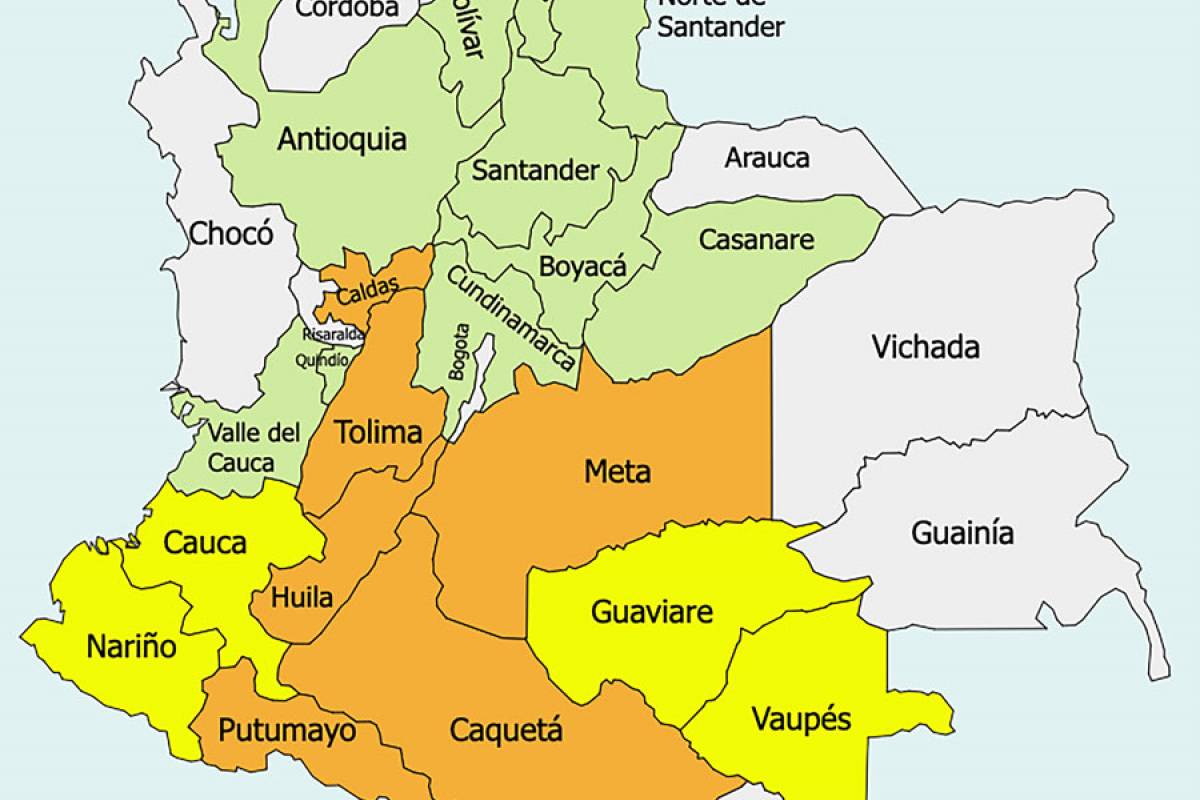
The Republic of Colombia has issued an updated health alert for yellow fever following 13 confirmed cases and 10 deaths in early 2026.

Among the fatalities are three Bogotá residents who contracted the yellow fever virus (YFV) while traveling to endemic areas, such as the department of Tolima.

This data is concerning, given that Bogota has a population of around 8 million.

According to a Ministry of Health bulletin from January 26, 2026, the outbreak's case-fatality rate of approximately 77% underscores its severity.

The Ministry also reported that from 2024 to late January 2026, there have been 161 confirmed cases nationwide, resulting in 73 deaths.

Previously, the U.S. CDC Emerging Infectious Diseases, Volume 31, Number 12—December 2025, confirmed the reemergence of YFV in the Magdalena Valley, Colombia, between 2024 and 2025.

The CDC wrote, Immediate, comprehensive measures, including mass vaccination, genomic surveillance, and integrated One Health frameworks, are urgently needed. Colombia's experience underscores the need to reevaluate risk stratification and preparedness strategies across the Americas to prevent future yellow fever outbreaks in previously unaffected regions.

Health officials stress that yellow fever is preventable with a single-dose vaccine available free of charge in Colombia and commercially offered in the United States.

Jan 28, 2026 • 8:07 am CST
Chicago Department of Public Health

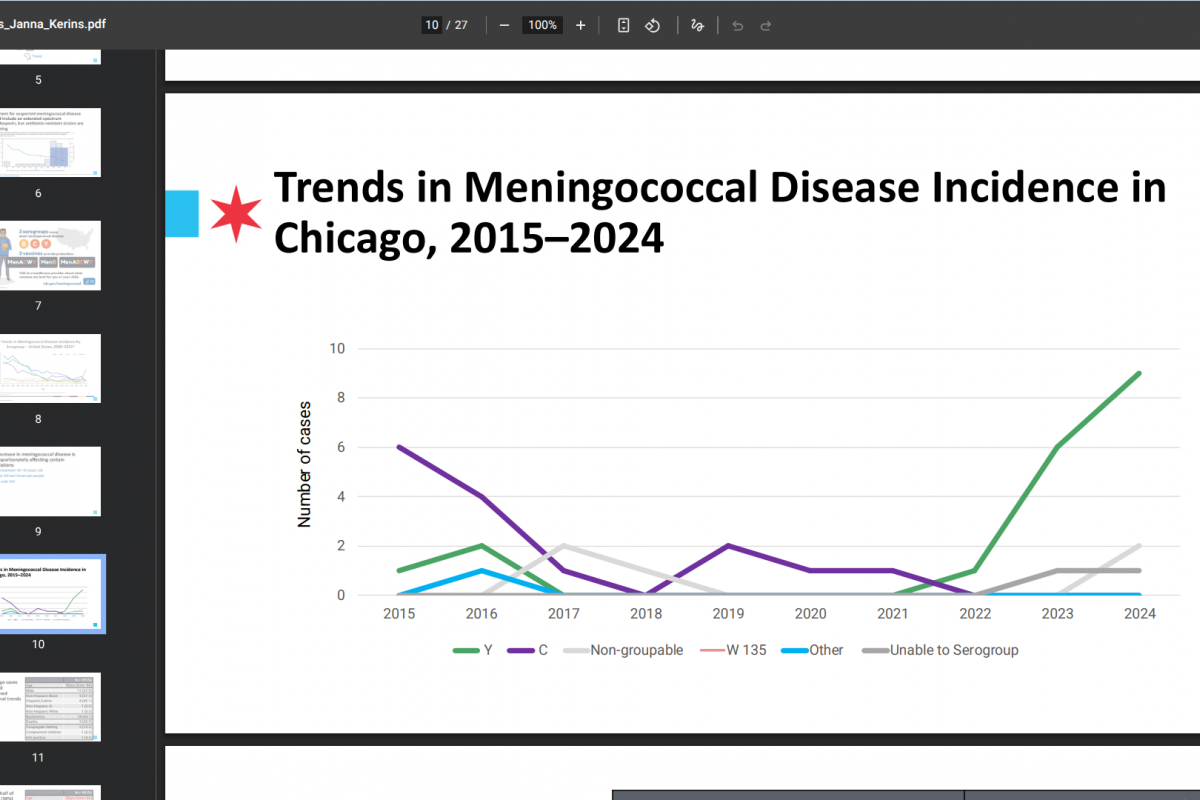
Health officials in Chicago are investigating a concerning cluster of invasive meningococcal disease (IMD) cases since January 15, 2026. This investigation is essential as IMD, caused by Neisseria meningitidis, has a case-fatality rate of 10–15%.

The Chicago Department of Public Health (CDPH) recently reported that four patients developed septicemia, with one also showing symptoms of meningitis. Three individuals required intensive care due to septic shock.

Importantly, the two community-acquired cases have no known links to each other or a temporary shelter, prompting ongoing investigations. Laboratory analysis confirmed that three cases belong to serogroup Y, the predominant strain in Chicago since 2022.

Previously, Janna Kerins, VMD, MPH, Medical Director at CDPH, reported 19 cases of N. meningitidis among Chicago residents in 2022-2024, compared with 1–3 cases annually from 2017 to 2022.

The Health Alert advised healthcare providers to maintain a high index of suspicion for N. meningitidis in individuals presenting with clinically compatible symptoms.

To contain the outbreak in late January 2026, the CDPH is providing post-exposure prophylaxis to close contacts of the affected individuals and coordinating educational efforts and vaccination clinics at the shelter and a newly relocated facility.

Seperately, the U.S. Centers for Disease Control and Prevention (CDC) says cases of meningococcal disease have increased sharply since 2021. In 2024, 503 confirmed and probable cases were reported, according to preliminary data.

As of January 28, 206, this is the most significant number of U.S. meningococcal disease cases reported since 2013.

The CDC confirms meningococcal vaccines are the best way to protect people against meningococcal disease, but side effects can occur.

For more information about Chicago's latest outbreak, visit the CDPH website or contact local health services.

Jan 27, 2026 • 1:46 pm CST
US CDC January 2026

The World Health Organization (WHO) recently released its 62nd situation report on the multi-country mpox outbreak, emphasizing the ongoing circulation of all clades of the monkeypox virus (MPXV). 

In 2025, there were 52,845 reported cases of mpox and 215 related fatalities across 98 countries, with about 44,000 instances originating in Africa.

The WHO urges continued vigilance, enhanced surveillance, and rapid response to contain outbreaks, warning that reduced activities could lead to underreporting. 

In a related announcement on January 22, 2026, H.E. Dr. Jean Kaseya, the Director General of the Africa Centres for Disease Control and Prevention (Africa CDC), announced that the agency has lifted its declaration of a Public Health Emergency of Continental Security concerning mpox. 

He highlighted improvements in country capacity, effective international partnerships, a sustained decline in reported suspected and confirmed cases, and a reduction in case fatality rates.

The Africa CDC stated that this change "signals a transition from emergency response to a sustained, country-led pathway toward the elimination" of mpox.

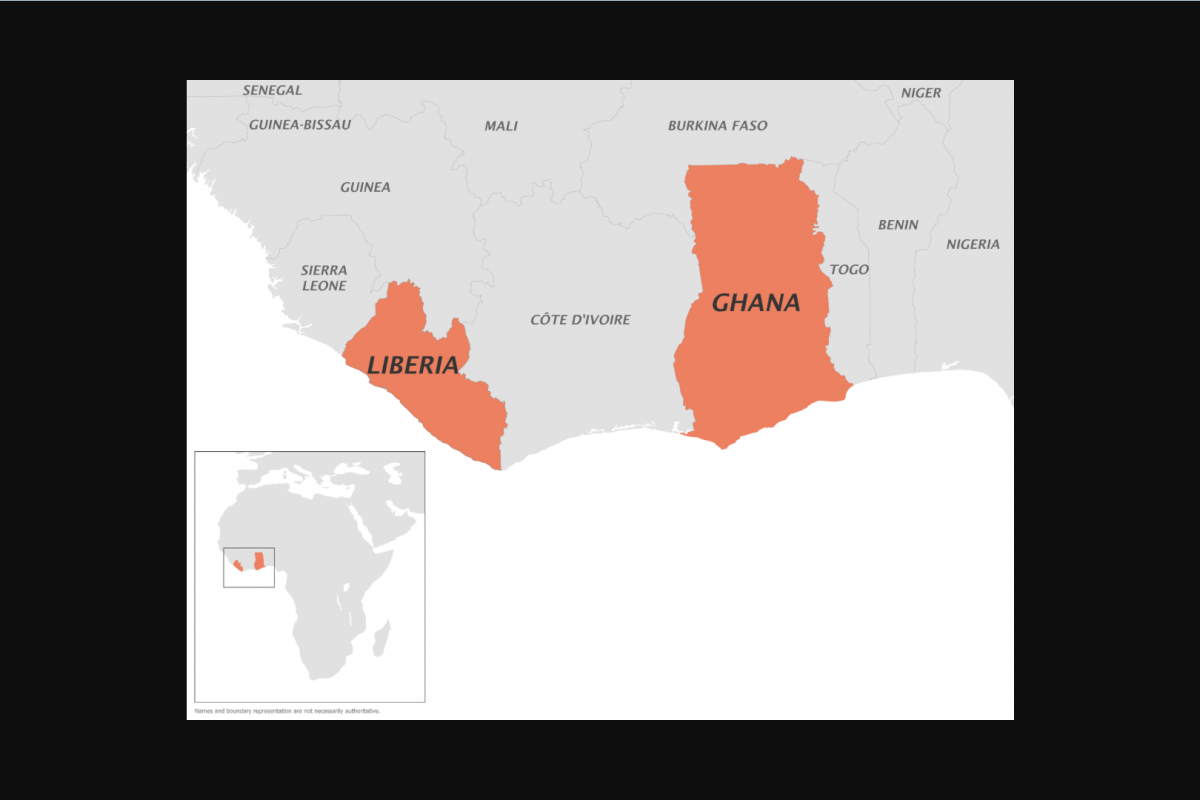
Separately, the U.S. CDC issued a Level 2 Travel Health Notice on January 26, 2026, confirming there are outbreaks of clade II monkeypox in Ghana and Liberia, where monkeypox is endemic. Unlike the ongoing global clade II mpox outbreak that began in 2022, these outbreaks have affected males and females approximately equally.

The CDC says that if you are sick and could have mpox, follow isolation and infection control measures at home and during travel. 

The CDC recommends mpox vaccination (JYNNEOS®, MVA-BN®) for travelers visiting Ghana and Liberia in 2026. For those recommended to receive vaccination, get two doses at least 28 days apart.

Jan 27, 2026 • 12:19 pm CST
Google Maps January 2026

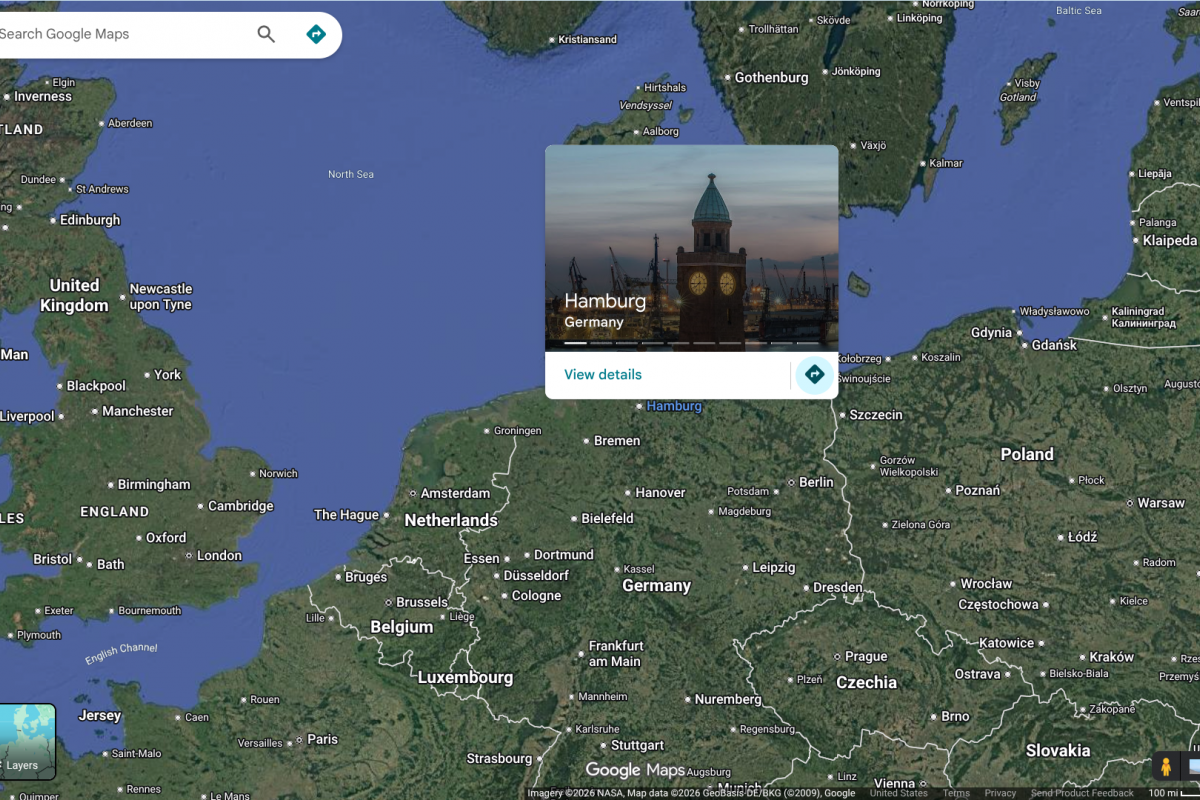
German health authorities have confirmed the detection of two additional environmental samples positive for wild poliovirus type 1 (WPV1) in Hamburg, a city in northern Germany.

The wastewater samples were collected from the same sewage site in October 2025.

As of January 21, 2026, this marks the first detection of WPV1 in Germany and the first such finding in Europe since 2010.

Significantly, no human cases of paralytic polio have been associated with these findings. Furthermore, there is no evidence of local community transmission or circulation of the virus within Germany.

Genetic analysis indicates that the isolates from these samples in Hamburg are closely linked, suggesting they originate from the same introduction of the WPV1 virus.

The virus strain found in these samples is genetically related to a WPV1 strain previously identified in an environmental sample from Kandahar, Afghanistan, in late August 2025.

The detections appear to be confined to wastewater, likely resulting from virus excretion by one or more individuals who were in the area around the time of sampling—possibly travelers or visitors from regions where WPV1 remains endemic, such as parts of Afghanistan or Pakistan.

Except for those countries, the WHO South-East Asia Region has maintained its polio-free status in 2026.

These detections in Germany were reported as part of the routine environmental surveillance in collaboration with the Global Polio Eradication Initiative (GPEI). The GPEI stresses the need for continued efforts to achieve the complete eradication of poliovirus worldwide.

Currently, the U.S. government identifies 32 countries where poliovirus is a health risk, and advises international travelers to speak with a healthcare provider about immunization options, including a polio booster dose when visiting at-risk areas in 2026.

Jan 27, 2026 • 9:24 am CST
US CDC

In 2026, as the world confronts emerging infectious diseases, the World Health Organization (WHO) remains at the forefront of developing vaccine candidates against the deadly Nipah virus (NiV).

The WHO has outlined a comprehensive pipeline of NiV vaccine candidates, which includes live-attenuated and replication-defective recombinant platforms based on various viruses, such as poxviruses, vesicular stomatitis virus (VSV), adenovirus, measles, rabies, and virus-like particles, as well as subunit vaccines.

As of January 27, 2026, no vaccine or treatment for NiV has received authorization from the U.S. Food and Drug Administration or the European Medicines Agency.

However, clinical trials are actively progressing, marking significant milestones in vaccine development.

In 2026, the UK and The Pirbright Institute are supporting the development of vaccines against henipaviruses, including the NiV. 

One standout candidate is the ChAdOx1 NipahB vaccine, developed by the University of Oxford's Pandemic Sciences Institute. In December 2025, the university launched the world's first Phase II clinical trial in Bangladesh, a known hotspot for NiV outbreaks.

This trial is conducted in partnership with the International Centre for Diarrhoeal Disease Research, Bangladesh (icddr,b), and is funded by the Coalition for Epidemic Preparedness Innovations (CEPI). The trial builds on successful Phase I results from 2024, where the vaccine demonstrated safety and immunogenicity in 51 participants.

Professor Dame Sarah Gilbert, a Vaccinology professor at the University of Oxford and developer of the vaccine, highlighted the significance of these advancements in a press release: "This new trial in Bangladesh marks an important step forward in our work to develop a vaccine against the Nipah virus, a deadly health threat that currently lacks an approved vaccine or treatment."

Additionally, the Serum Institute of India is collaborating with Oxford and CEPI to manufacture up to 100,000 investigational doses of ChAdOx1 NipahB, creating the world's largest NiV vaccine reserve for potential emergency use.

While clinical trial challenges remain, such as evaluating efficacy without large outbreaks, these trials represent a critical push toward countering NiV.

As CEPI's investments and international collaborations, such as Hendra@30, the global community moves closer to developing vaccines to prevent future outbreaks caused by this bat-borne virus.

Jan 26, 2026 • 1:29 pm CST
WHO DON592

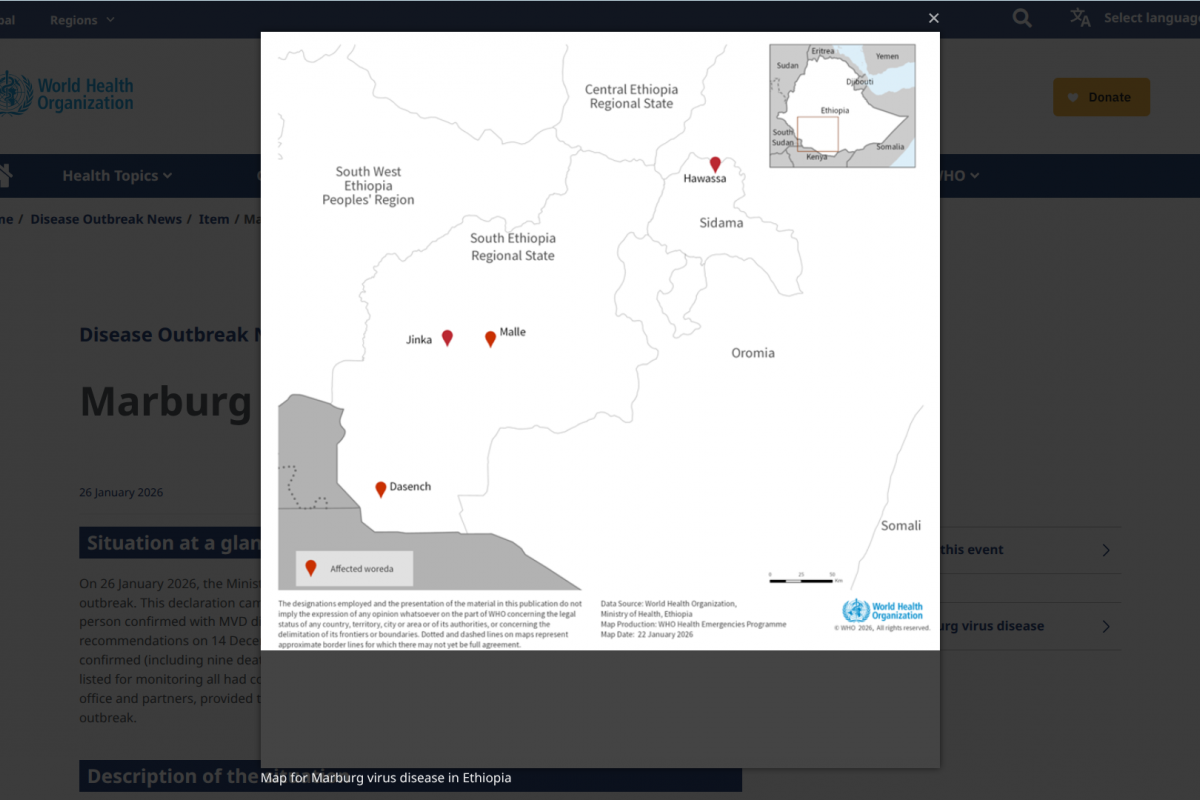
The Ministry of Health of the Federal Democratic Republic of Ethiopia today officially declared the end of the country's first-ever outbreak of Marburg Virus Disease (MVD), a severe and often fatal hemorrhagic fever.

This declaration was made on January 26, 2026, after two consecutive incubation periods—totaling 42 days—without any new confirmed cases.

This timeline aligns with the World Health Organization (WHO) DON592 recommendations for declaring the end of an MVD outbreak.

The outbreak was first confirmed by the WHO on November 14, 2025, in the South Ethiopia Region, particularly in Jinka.

As of January 2026, there had been a cumulative total of 19 cases: 14 laboratory-confirmed cases (including nine deaths and five recoveries) and five probable cases, all of which were fatal.

This Horn of Africa outbreak marks the 20th reported case of MVD globally. Previous outbreaks have occurred in several African countries, including Angola, the Democratic Republic of the Congo, Equatorial Guinea, Ghana, Guinea, Kenya, Rwanda, South Africa, Uganda, and most recently, Tanzania.

MVD is caused by the Marburg virus, which is transmitted to humans from fruit bats and through human-to-human contact via bodily fluids. Since it was first observed in 1967 during an outbreak in West Germany, the case fatality rate can exceed 80% in some outbreaks.

Currently, there are no licensed vaccines or specific treatments for the Marburg virus, but research is ongoing. The Marburg Virus Vaccine Consortium, established in response to earlier outbreaks in Guinea and Ghana, is advancing vaccine development.

And in early January 2026, the Oxford Vaccine Group and the Pandemic Sciences Institute confirmed they are collaborating with the Institute for Drug Discovery at Leipzig University and Moderna, with support of up to $26.7 million from the Coalition for Epidemic Preparedness Innovations and the European Union's Horizon Europe program to develope multivalent vaccines that provide broad protection against multiple filoviruses, including the Ebola virus (Zaire ebolavirus), Sudan virus, Bundibugyo virus, and MVD.

Vax-Before-Travel will continue monitoring developments related to emerging infectious diseases.

Jan 25, 2026 • 9:56 am CST
Walgreens Respiratory Index 2026

The U.S. Centers for Disease Control and Prevention (CDC) recently announced that seasonal influenza activity is continuing to decline nationwide; however, trends differ among various age groups and regions.

As of January 25, 2026, the CDC's FluView report for week #3 noted a 4.4% decrease in visits to healthcare providers for respiratory illnesses compared to the previous week.

Tragically, the CDC also reported twelve additional influenza-associated pediatric deaths last week, bringing the total for the 2025-2026 season to 44 reported deaths related to influenza in children. Among the children who were eligible for influenza vaccination and had known vaccination status, approximately 90% of the reported pediatric deaths this season occurred in those who were not fully vaccinated against influenza.

However, the CDC's in-season severity assessment framework classified this flu season as moderate across all ages.

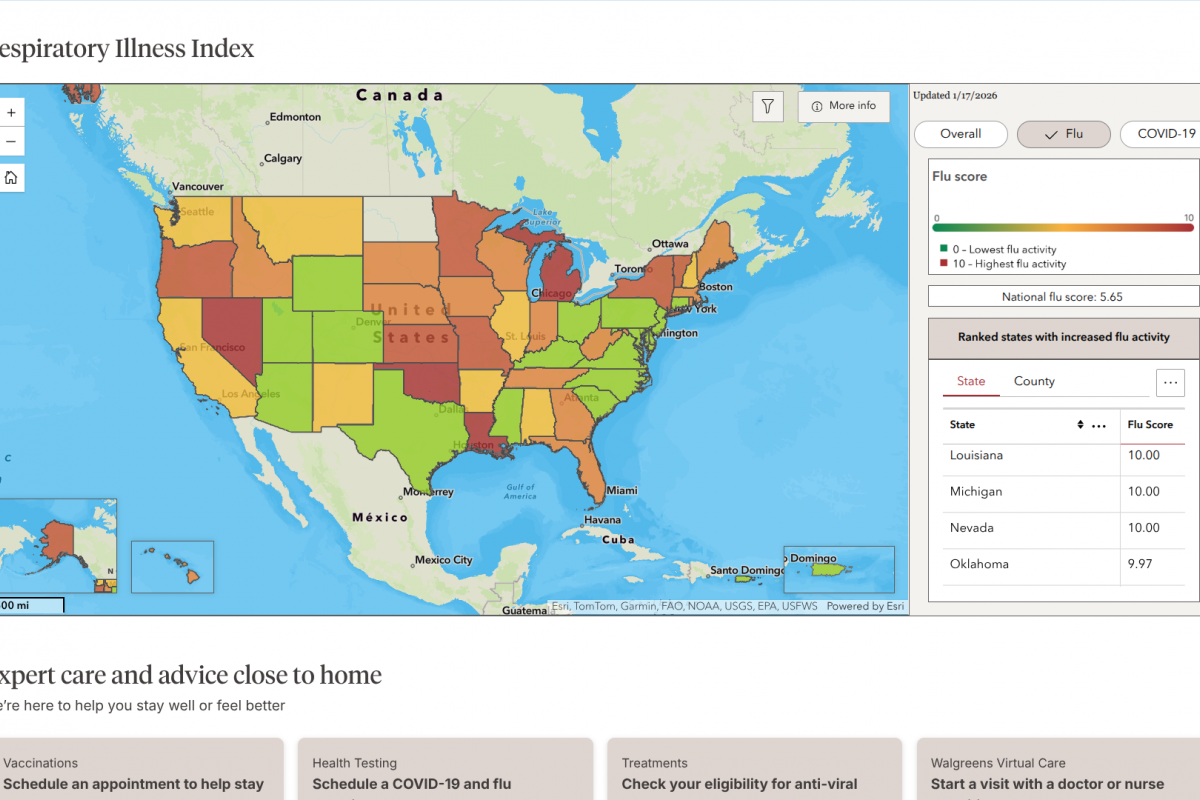
To visualize this CDC flu information, the Walgreens Respiratory Illness Index updated its national graphic that highlights which states are reporting flu activity at retail pharmacies.

According to Walgreens, the current leaders include Louisiana, Michigan, Nevada, and Oklahoma.

Since the flu season is expected to last a few more months, pharmacies and clinics continue to offer various flu shots throughout the U.S. Additionally, the FluMist vaccine can be administered at home in 2026.


Jan 24, 2026 • 5:03 am CST
The Lancet

Bavarian Nordic A/S today announced an agreement with Eurofarma, granting the Brazilian pharmaceutical company exclusive rights to sell and distribute Bavarian Nordic's chikungunya vaccine, CHIKV VLP (VIMKUNYA®), in Brazil.

Additionally, under the terms of the agreement announced on January 23, 2026, Eurofarma will have the right of first refusal for any future opportunities to register and commercialize the virus-like particle (VLP) vaccine in the rest of Latin America.

According to the press release, pending discussions with the Brazilian Health Regulatory Agency (Anvisa), a regulatory submission is anticipated in the first half of 2026, which could support a potential launch of the vaccine in Brazil in the latter half of 2027.

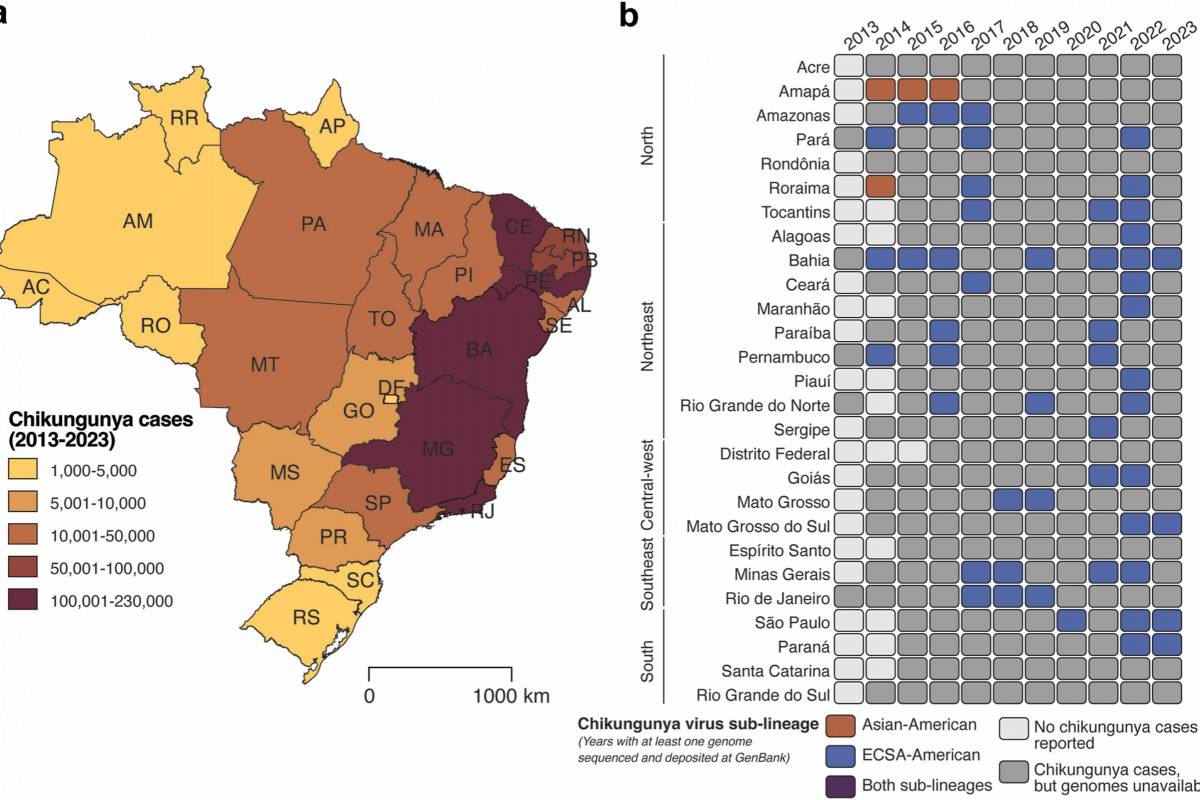
Chikungunya is a mosquito-borne viral disease caused by the chikungunya virus. Over the past two decades, chikungunya has been reported in over 110 countries. Since 2013, the virus has been detected in the Americas Region.

Brazil remains one of the most heavily affected countries, having reported a significant share of global cases and hospitalizations in recent years.

In 2025, Brazil reported over 250,000 chikungunya cases and 120 related fatalities.

Paul Chaplin, President & CEO of Bavarian Nordic, commented, "Brazil continues to bear a significant burden from chikungunya, accounting for a substantial portion of global reported cases and related deaths."

In the United States, both travel-related and locally acquired chikungunya have been confirmed in Florida in early 2026. During 2025, numerious cases were related to travelers from Cuba.

CHIKV VLP is a single-dose, prefilled, adjuvanted VLP recombinant protein vaccine designed for the active immunization and prevention of disease caused by the chikungunya virus.

The vaccine contains no viral genetic material, making it non-infectious and unable to cause disease, thereby providing a favorable safety profile suitable for a broad range of individuals.

VIMKUNYA® was approved by the U.S. Food and Drug Administration in February 2025, by the European Commission in February 2025, and by the United Kingdom in May 2025, initially for use in travelers and at-risk populations aged 12 years and older.

This is the second chikungunya vaccine targeting Brazil.

In April 2025, Anvisa granted marketing authorization to its single-dose vaccine IXCHIQ®.

As of January 24, 2026, VIMKUNYA® is commercailly offered at travel clinics throughout the U.S.

For more information, visit www.bavarian-nordic.com.