Travel Vaccine Breaking News

Travel vaccine breaking news brought to you by Vax Before Travel.

May 18, 2025 • 4:14 am CDT
by Gerd Altmann

The U.S. Food and Drug Administration (FDA) announced it has approved Novavax's Nuvaxovid COVID-19 vaccine.

As of May 17, 2025, Nuvaxovid is indicated in the U.S. to prevent COVID-19 in those aged 65 years and older and for those aged 12-64 years who have one or more underlying conditions that put them at a high risk of developing COVID-related severe outcomes.

On December 17, 2021, the World Health Organization granted an Emergency Use Listing for Novavax's vaccine, and it has been available under an emergency use authorization in the United States.

As of May 18, 2025, Novavax's vaccine is the only non-mRNA COVID-19 vaccine available at clinics and pharmacies in the U.S.

May 16, 2025 • 6:56 am CDT
by Gerd Altmann

As the United States prepares for the next wave of COVID-19 disease, the government is taking steps to clarify what changes to the formula of preventive vaccines are needed.

The Vaccines and Related Biological Products Advisory Committee (VRBPAC) recently confirmed it will meet on May 22, 2025, in open session to discuss and recommend selecting the 2025-2026 formula for COVID-19 vaccines for use in the U.S.

This VRBPAC meeting will be held virtually, from 8:30 a.m. to 4:30 p.m. ET, and is open to the public to attend digitally.

The U.S. Food and Drug Administration (FDA) intends to make background material available to the public no later than two business days before this meeting.

Recently, the new FDA Commissioner Marty Makary stated that Vinay Prasad, the director overseeing vaccines, intends to clarify the FDA’s expectations for vaccine development and approval.

For example, the FDA has asked Novavax Inc. to conduct a new randomized controlled trial for its non-mRNA COVID-19 vaccine.

Earlier this week, the World Health Organization (WHO) Technical Advisory Group on COVID-19 Vaccine Composition advised manufacturers that monovalent JN.1 or KP.2 vaccines remain appropriate vaccine antigens; monovalent LP.8.1 is a suitable alternative vaccine antigen.

The WHO wrote, 'Overall, ' the currently approved monovalent JN.1 or KP.2 vaccines continue to elicit broadly cross-reactive immune responses to circulating JN.1-derived variants.'

As of May 16, 2025, COVID-19 vaccines are available at various clinics and pharmacies in the U.S.

May 15, 2025 • 4:16 pm CDT
by Mustafa Shehadeh

With the various countries reporting chikungunya virus outbreaks in 2025, the U.S. government has announced reassuring news regarding disease prevention.

In April, the independent vaccine committee issued recommendations for using chikungunya vaccines. Effective May 13, 2025, the Health and Human Services (HHS) Secretary adopted the recommendations, which are now the official recommendations of the U.S. CDC.

The Advisory Committee on Immunization Practices (ACIP) recommends the live attenuated chikungunya vaccine for persons aged ≥18 years traveling to a country or territory with a chikungunya outbreak. In addition, the live attenuated chikungunya vaccine may be considered for persons aged ≥18 years traveling or residing in a country or territory without an outbreak but with elevated risk for U.S. travelers if planning travel for an extended time, such as 6 months or more.

Additionally, the ACIP recommends the virus-like particle chikungunya vaccine for persons aged ≥12 years traveling to a country or territory where there is a chikungunya outbreak. In addition, the virus-like particle chikungunya vaccine may be considered for persons aged ≥12 years traveling or taking up residence in a country or territory without an outbreak but with elevated risk for U.S. travelers if planning travel for an extended period, such as six months or more.

As of May 15, 2025, travel vaccination appointments are commercially available at clinics and pharmacies in the U.S.


May 15, 2025 • 12:22 pm CDT
by Mario Ohibsky

Led by a team from the U.S. Centers for Disease Control and Prevention (CDC), the findings from a study published in the Journal of Infectious Diseases demonstrated the feasibility of assessing seasonal influenza vaccine effectiveness (VE) using linked immunization and laboratory data from public health surveillance systems.

Published on May 13, 2025, among 1,382,142 laboratory reports, 129,253 persons (9%) (129,253) had a positive influenza test result, of whom 415,390 (30%) had documented influenza vaccination ≥14 days before test date. VE against laboratory-confirmed influenza was 41% (95% confidence interval (CI), 40%–42%). VE was 32% (95% CI, 31%-33%) against influenza A, 68% (95% CI, 66%-69%) against influenza B.

Among older adults aged 65 years or more, flu shot VE was 26% (95% CI, 24%–29 %).

The authors wrote, "Differences in viral evolution may contribute to waning vaccine effectiveness or immune escape."

"Age-related factors contributing to lower VE might include diminished adaptive immune response, increased prevalence of comorbidities, and frailty."

They also noted that the flu shot's lower VE estimates with increasing patient age are consistent with a meta-analysis of test-negative studies conducted from 2004 to 2015.

As of May 9, 2025, the U.S. CDC confirmed that seasonal influenza activity for 2024-2025 is declining. And the CDC continues to recommend that everyone ages 6 months and older get an annual flu vaccine as long as influenza viruses are circulating.


May 15, 2025 • 10:29 am CDT
WHO May 2025

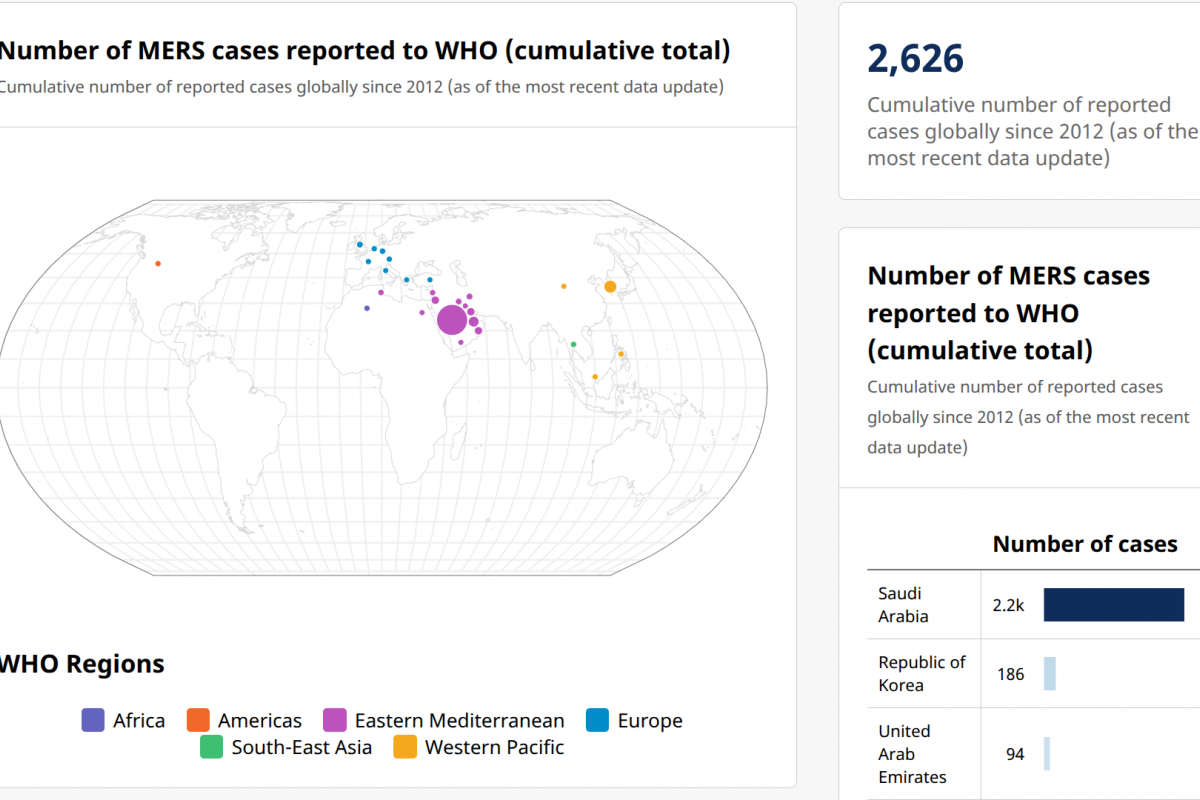
The World Health Organization (WHO) recently confirmed that 13 African countries have reported confirmed or probable yellow fever cases since the start of 2023.

As of May 2025, the east African country of the Republic of Uganda has taken aggressive action to reduce the impact of this vaccine-preventable, mosquito-transmitted disease.

GAVI reported on May 12, 2025, that Uganda, with a population of about 46 million and located in the so-called African yellow fever belt, introduced routine immunisation in October 2022.

In 2025, a campaign targeted 4.3 million people aged 9 months to 60 years in 19 districts across Uganda's eastern region, hoping to reduce the impact of this epidemic disease.

But national vaccine coverage has remained low, at 39%.

Other countries in this Yellow Fever Belt are also at risk.

Uganda’s eastern neighbour, Kenya, whose yellow fever vaccine coverage rates hover at only 6%, declared a yellow fever outbreak. 

When visiting these countries, the U.S. CDC recommends getting vaccinated at least ten days before traveling abroad. Yellow fever vaccination appointments are offered at travel clinics and pharmacies in the United States.

May 14, 2025 • 1:10 pm CDT
Google Maps May 14, 2025

The Democratic Socialist Republic of Sri Lanka's Ministry of Health recently highlighted a noticeable increase in the Chikungunya outbreak in the Colombo and Kotte areas.

As of March 14, 2025, Weekly Epidemiological Report #12 revealed 173 chikungunya cases had been reported in Colombo, Gampaha, and Kandy.

Local media reported that Acting Consultant Community Physician Dr. Kumudu Weerakoon stated that the Chikungunya virus spread to Sri Lanka in 1960. After several years of low transmission, medical experts said in May 2025 that an effective way to control the spread of Chikungunya is to eliminate as many mosquito breeding sites as possible.

While Sri Lanka is an island country in South Asia in the Indian Ocean, it is located thousands of miles to the east of the Chikungunya outbreaks in Mayotte, Mauritius, and Réunion.

International travelers departing from the United States and Europe can receive a preventive vaccine when visiting these Chikungunya outbreak areas in May 2025.

May 14, 2025 • 11:58 am CDT
PAHO May 2025

Researchers believe the yellow fever virus has existed for thousands of years, originating in Africa and spreading to the Region of the Americas in the 17th century.

As of May 14, 2025, the Pan American Health Organization (PAHO) says yellow fever has become endemic in 13 countries in the Americas. 

The PAHO reported 189 confirmed human cases of yellow fever (YF) in four countries in the Americas Region, of which 74 have been fatal.

The breakdown of reported YF cases is as follows: The Plurinational State of Bolivia, with two cases, including one fatal case; Brazil with 102 cases, including 41 fatal cases; Colombia with 53 cases, including 21 fatal cases; and Peru with 32 cases, including 11 fatal cases.

In 2025, YF cases were detected mainly in the state of São Paulo in Brazil and the department of Tolima in Colombia, areas outside the Amazon region of both countries.

The PAHO/WHO encourages Member States to continue surveillance and vaccination efforts in YF-endemic areas.

'It is essential that countries achieve vaccination coverage of at least 95% in populations in at-risk areas,' writes the PAHO.

And that health authorities ensure that they have a strategic reserve inventory that allows them to maintain routine YF vaccination and, at the same time, respond effectively to possible outbreaks.

In the United States, YF vaccination appointments are offered at travel clinics and pharmacies in 2025.

May 13, 2025 • 12:37 pm CDT
Google Maps May 13, 2025

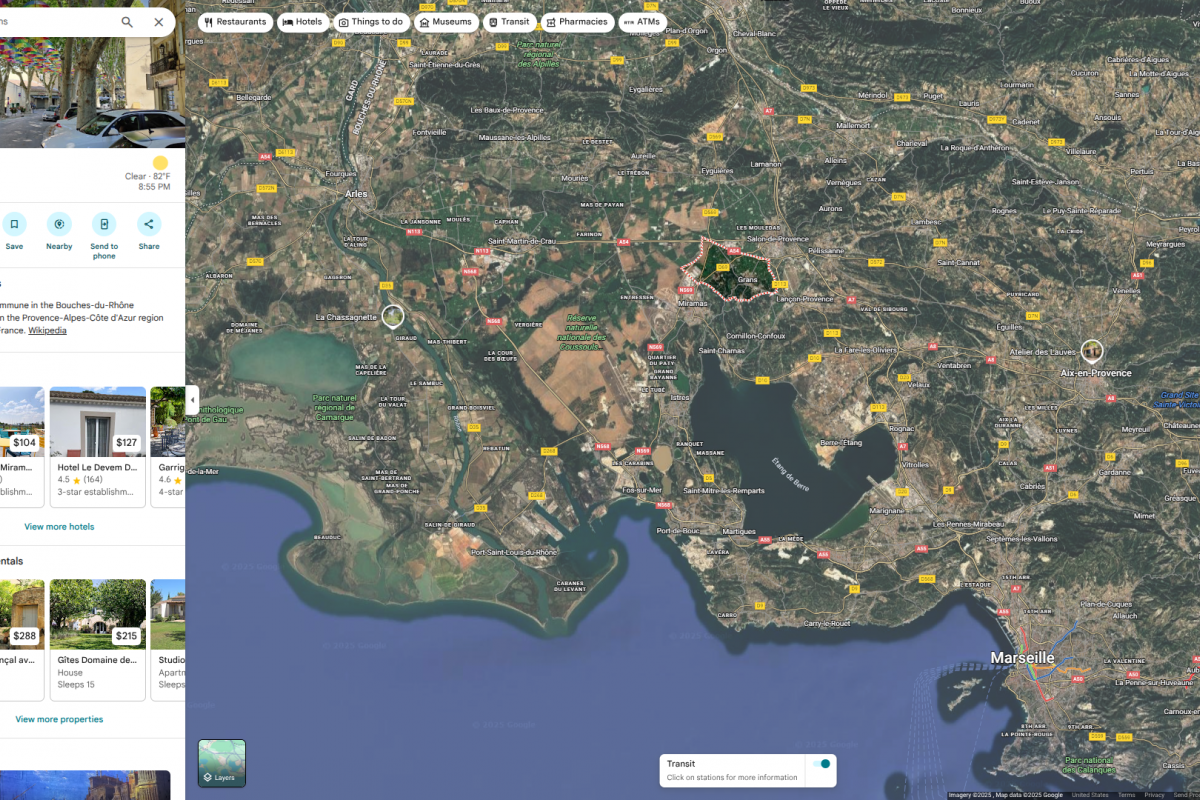
In 2025, the State Institute of Public Health (SZÚ) reported a rise in cases of infectious jaundice across the Czech Republic (Czechia). By the end of April, 450 reported cases of viral hepatitis A had been reported.

Tragically, six patients had died due to hepatitis A, a vaccine-preventable disease.

Czech health officials informed the media on May 13, 2025, that the actual number of infections is likely much higher because it is difficult to track the spread of the virus, which causes liver inflammation that can be fatal in rare cases.

In comparison, the SZÚ recorded 636 cases and two related deaths in 2024.

This year, Hepatitis A affects regions across the Czech Republic. The regions of Central Bohemia – 87, Moravia-Silesia – 83, and Prague – 73 report the most cases. 

"In Prague, almost 1/3 of the disease is reported in homeless people," stated SZU.

In 2025, the spread of hepatitis A impacted other European countries, such as Slovakia, Hungary, Ireland, and the United Kingdom.

Effective Hepatitis A vaccines are available in the Czech Republic, as in the United States.

Basic protection is achieved after a single injection. A second dose is required to obtain long-term protection, which is given 6-18 months after the first dose.

May 13, 2025 • 9:59 am CDT
US CDC May 2025

When the U.S. CDC issued a global Travel Health Advisory for 57 countries reporting measles outbreaks in March 2025, it should have included the Kingdom of Morocco, where measles has become endemic.

According to the World Health Organization (WHO) DON568, more than 25,000 suspected measles cases were reported from all 12 regions in this northwest African country from October 2023 through April 13, 2025, and 184 related fatalities.

The first cases were reported in the Souss Massa region in central Morocco, before spreading to additional provinces.

Recently, the WHO reported a declining trend in cases observed for ten consecutive weeks in 2025.

As of May 13, 2025, genomic characterization of measles virus specimens collected during Morocco's 2024–2025 outbreak revealed the exclusive circulation of genotype B3, which is common in many parts of Africa and associated with outbreaks globally. 

The measles vaccine was introduced into Morocco's national immunization schedule in 2003. According to WHO/UNICEF Estimates of National Immunization Coverage, Morocco has been below the 95% threshold required to achieve the elimination goal for the last three years.

The WHO reports that the overall risk is assessed as moderate at the national and regional levels, particularly given the risk of cross-border transmission in areas with low vaccination coverage.

The CDC does recommend that international travelers be protected against this highly transmissible virus before visiting at-risk areas in May 2025.

May 13, 2025 • 4:40 am CDT
Google Maps May 13, 2025

In 1904, the Isthmus of Panama reported that tropical diseases such as malaria led to the death of an estimated 12,000 workers during the Panama Canal project.

Over 100 years later, the mosquito-transmitted malaria continues to impact the health of the Republic of Panama.

On May 9, 2025, Panama's Ministry of Health (Minsa) reported that two deaths from malaria had been recorded in 2025. The victims were from Eastern Panama in February and from Veraguas in March.

These are Panama's first malaria-related fatalities since 2017.

In 2024, a total of 15,109 cases were reported, and in 2023, 11,659 malaria cases were reported. This data represents a sustained increase in the transmission of this disease.

Minsa stated that this increase has been linked to increased human mobility toward areas of active transmission and the effects of climate variability and change, which can favor the proliferation of the transmitting mosquito and contact with vulnerable populations. It urges citizens to collaborate actively with prevention strategies and seek prompt medical attention if they experience symptoms consistent with malaria.

Throughout 2025, several countries in the Region of the Americas have reported malaria outbreaks.

As of May 13, 2025, the U.S. CDC Yellow Book recommends that travelers to certain areas of Panama take prescription medicine to prevent malaria. Depending on the medicine you take, you will need to start taking this medicine multiple days before your trip, as well as during and after your trip. Talk to a travel medicine professional about which malaria medication you should take.

Furthermore, while two malaria vaccines are being deployed in Africa, they have not been offered in the Americas.

Additionally, the CDC has included Panama in its Travel Health Advisories for Dengue and Oropouche outbreaks.

May 12, 2025 • 2:18 pm CDT
US CDC May 12, 2025

Since August 2024, widespread outbreaks of the chikungunya virus disease have been reported in the western Indian Ocean.

As of May 12, 2025, France's Departments of La Réunion and Mayotte have been significantly impacted.

The World Health Organization (WHO) Disease Outbreak News (567) today wrote, 'Although chikungunya outbreaks and endemic transmission occur annually in several countries and territories around the world, the Indian Ocean islands have not experienced major outbreaks for nearly two decades.'

In La Réunion, over 47,500 cases and twelve associated deaths have been reported as of May 4, 2025, with sustained high transmission across the island.

In Mayotte, the first locally transmitted cases since 2005–2006 have been detected, raising concern about similar large outbreaks. As of early May 2025, about 90 cases had been confirmed.

France's public health response measures, including enhanced surveillance, vector control activities, and novel targeted vaccination efforts, have been implemented to contain the outbreaks.

However, further outbreak activity in the islands of the Indian Ocean can be expected, says the WHO.

Seperately, the U.S. CDC issued a Level 2 - Practice Enhanced Precautions travel advisory that says, 'If you are pregnant, reconsider travel to the affected areas, particularly if you are close to delivering your baby. Mothers infected around the time of delivery can pass the virus to their baby before or during delivery.'

According to the CDC, vaccination is recommended for travelers visiting an area with a chikungunya outbreak, such as these French departments in the Indian Ocean.

Chikungunya vaccines are approved for use in the United States and are commercially available at travel clinics and pharmacies.

May 12, 2025 • 1:58 pm CDT
Google Maps 12, 2025

North Dakota Health and Human Services (HHS) reports two additional measles cases in Cass County, bringing the state’s total to 11 cases in 2025. Both individuals were unvaccinated and acquired measles through international travel.

HHS stated on May 11, 2025, that exposed vaccinated individuals don’t need to be quarantined.

However, individuals who have not received a dose of the measles, mumps, and rubella (MMR) vaccine should be quarantined (stay home) and monitored for symptoms for 21 days. 

These are not related to recent cases in Williams County.

"Due to the current measles outbreak, please isolate at home if you have symptoms of runny nose, fever, cough, and rash,” said Dr. Beverly Tong, Upper Missouri District Health Unit deputy director, in a press release on May 6, 2025.

“Isolation should continue until at least four full days after the onset of a rash."

"Time from exposure to onset of rash is generally around seven to 21 days, and you can spread measles up to four days before the rash appears. Don't hesitate to contact your health care provider's office if you wish to be tested. They will instruct you on when and where to arrive at their clinic to minimize risk to others."

Because some new measles cases are not linked to earlier known exposures, there is concern about potential community transmission. As a precaution, HHS recommends that all residents and travelers to Williams County ensure they are vaccinated against measles. This includes considering early MMR vaccination for infants aged 6 through 11 months.

May 12, 2025 • 12:25 pm CDT
Pixabay 2025

Few disease outbreaks have been as deeply traumatic as the 2014 Ebola outbreak in West Africa. By the time the outbreak stopped in 2016, nearly 30,000 had been infected, and 11,000 people had died. 

With no vaccine available at the outbreak's start, the affected countries, Guinea, Sierra Leone, and Liberia, were unprepared to respond.

This unfortunate situation has changed with the approval of Ebola vaccines and therapeutics.

Launched in January 2021, the International Coordinating Group on Vaccine Provision, which includes the World Health Organization, UNICEF, and others, now coordinates a stockpile.

It is a Gavi-funded, globally managed reserve of Merck's ERVEBO® (rVSV-ZEBOV) vaccine that ensures rapid, equitable access to life-saving immunisation during outbreaks.

The vaccine stockpile in Switzerland is maintained at a target level of 500,000 ERVEBO doses, as the WHO’s Strategic Advisory Group of Experts on Immunization recommends.

A challenge in maintaining a stockpile is ensuring that doses are always available and do not expire.

“All Ebola outbreaks that have occurred since we had a stockpile were quickly stopped – thanks to the vaccines and rapid other response measures,”  said Allyson Russell, an epidemiologist and senior programme manager in Gavi’s High Impact Outbreaks team, in a April 30, 2025 news release.

In the United States, ERVEBO® is approved by the Food and Drug Administration for preventing disease caused by the Zaire Ebola virus in individuals 12 months of age and older as a single-dose administration.

Zaire Ebola vaccines aren't effective against the other three orthoebolaviruses that cause severe disease, including the Sudan virus.

Since there are no well-controlled studies of ERVEBO in pregnancy, the U.S. CDC says, 'The risk of exposure to Ebola should be weighed against potential vaccine-related risk during pregnancy based on individual informed decisions.'

As of May 12, 2025, access to Ebola vaccines in the U.S. is restricted.

May 11, 2025 • 3:00 pm CDT
Dept of Commerce 2025

A recent study published in the Journal of Medical Entomology has shown that the Babesia parasite has rapidly spread throughout the mid-Atlantic region.

Researchers wrote that, to our knowledge, this is the first report of B. microti and B. burgdorferi-positive I. keiransi from Virginia and the first report of B. burgdorferi-positive I. keiransi from Delaware.

This poses a significant health risk to people in communities where the disease was previously considered rare. Humans enter the cycle when bitten by infected ticks.

According to the U.S. CDC, Babesiosis, caused by microscopic parasites that infect red blood cells, can range from asymptomatic to severe illness, particularly in immunocompromised individuals.

The research published on April 22, 2025, highlights an increasing number of locally acquired human cases and the detection of Babesia microti, the primary causative agent of human babesiosis, in blacklegged and Ixodes keiransi ticks.

Little is known about the prevalence of Babesia worldwide, says the CDC, but little is known about its prevalence in malaria-endemic countries, where misidentification as Plasmodium probably occurs. In Europe, most reported cases are due to B. divergens and occur in splenectomized patients.

In the United States, B. microti is the agent most frequently identified (Northeast and Midwest) and can occur in nonsplenectomized individuals.

This study highlighted an unfortunate issue for healthcare providers.

Jurisdictions in the southern mid-Atlantic region should expect babesiosis cases, Lyme disease, and anaplasmosis coinfections during the summer of 2025, and healthcare providers should consider these tick-borne infections as part of the differential diagnosis.

As of May 11, 2025, no approved vaccines are available for these diseases. However, a Lyme disease vaccine has progressed in a phase 3 clinical study.

May 11, 2025 • 2:30 pm CDT
US CDC May 2025

With several countries in the Northern Hemisphere setting new records for measles cases, the United States is unfortunately keeping pace.

In a weekly update, the U.S. Centers for Disease Control and Prevention (CDC) reported an additional 66 measles cases, bringing the national total to 1,001 this year.

As of May 8, 2025, 31 jurisdictions, led by the state of Texas, reported 1,001 confirmed measles cases.

The United States is on track to exceed the 1,279 cases reported in 2019, when an unvaccinated religious group led to cases in several cities, including New York.

To notify international travelers of this health risk, the CDC reissued a Travel Health Advisory in March 2025, identifying 57 countries reporting measles cases.

As of May 11, 2025, the CDC has not included Texas, Ontario, Canada, or Mexico (700+) in its measles advisory.

The CDC writes, 'All international travelers should be fully vaccinated against measles with the measles-mumps-rubella vaccine, including an early dose for infants.'