As Japanese Encephalitis Outbreaks Increase in 2025, So Have Vaccine Sales

Since the U.S. CDC recommends that international travelers consider getting vaccinated if they are visiting areas experiencing outbreaks of Japanese encephalitis (JE) in 2025, such as India, the only approved vaccine is reporting increased sales.
On August 12, 2025, Valneva SE announced its condensed consolidated financial results for the first half of the year, ending June 30, 2025. In the first half of 2025, IXIARO® /JESPECT® vaccine sales increased by 30.6% compared to the first half of 2024.
Previously, in January 2025, Valneva secured a new $32.8 million JE vaccine contract with the DoD.
With about 10 million travelers from the United States visiting India in 2025, IXIARO sales could continue to increase in future years.
Japanese encephalitis virus (JEV) is a flavivirus transmitted by mosquitoes that is often contracted from infected pigs and sheep.
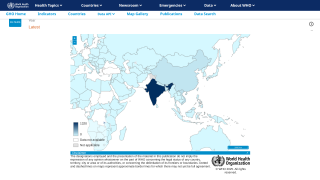
According to the World Health Organization, JEV is the leading cause of viral encephalitis in 24 countries in the South-East Asia and Western Pacific/Oceania Regions.
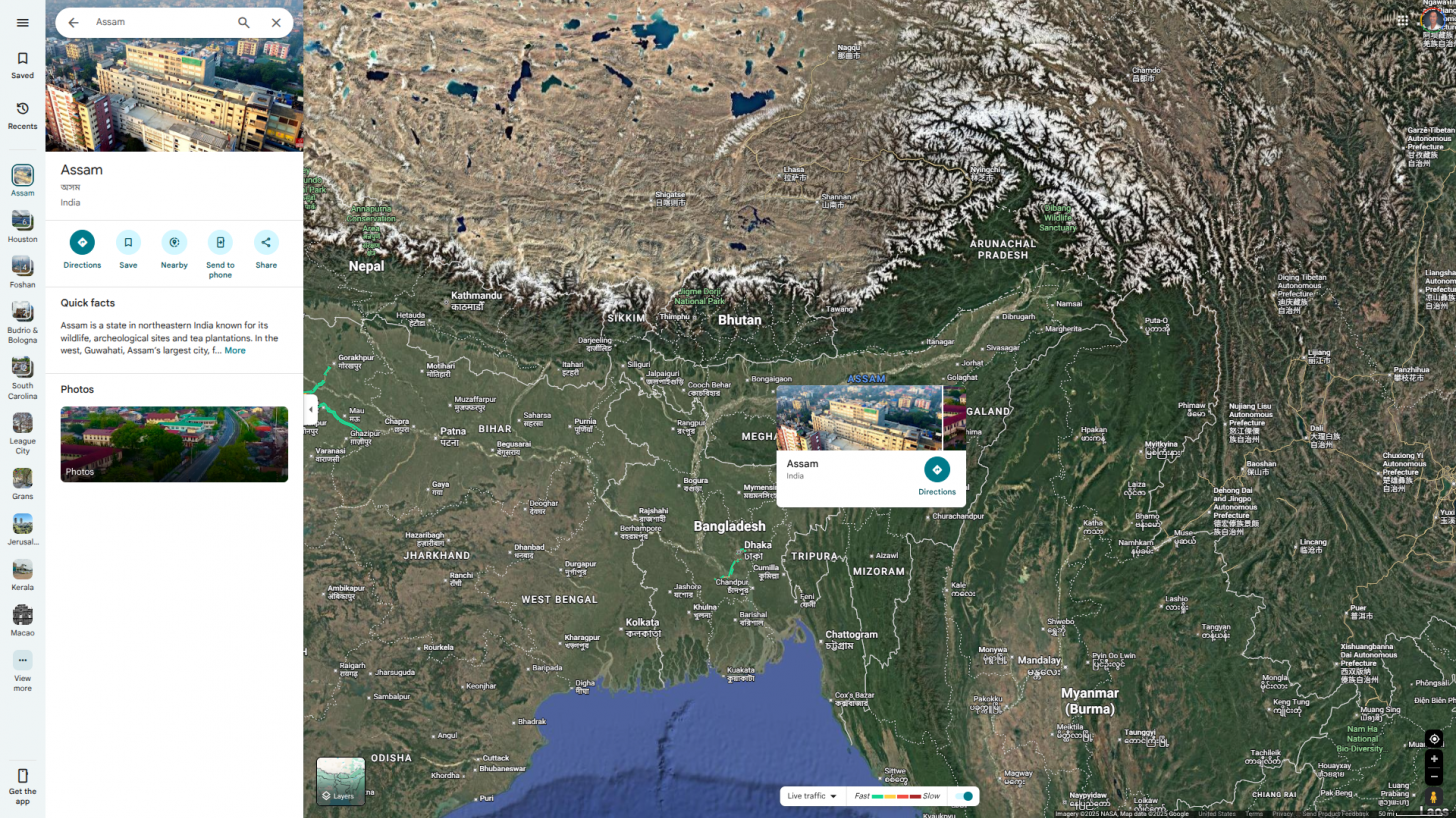
As of August 2025, JE remains a significant public health concern in India's various states, with over 468 cases and 56 related fatalities this year.
For example, Assam, a northeastern state of India, has reported 346 patients admitted to hospitals, with 53 confirmed fatalities in 2025.
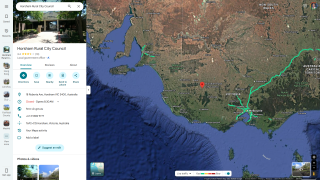
And to India's south, Australia's National Notifiable Disease Surveillance System dashboard recently reported new JEV cases, indicating a peak in 2022 with 41 cases, and eight cases in 2025.
The CDC recommends preventing Japanese encephalitis by avoiding mosquito bites and getting vaccinated before travel, if recommended.
As of August 12, 2025, JE vaccination services are commercailly offered at travel vaccine retailers throughout the U.S.
Our Trust Standards: Medical Advisory Committee
-
Fact checked by Robert Carlson, MD