Fiji's HIV Outbreak Intensified in 2025

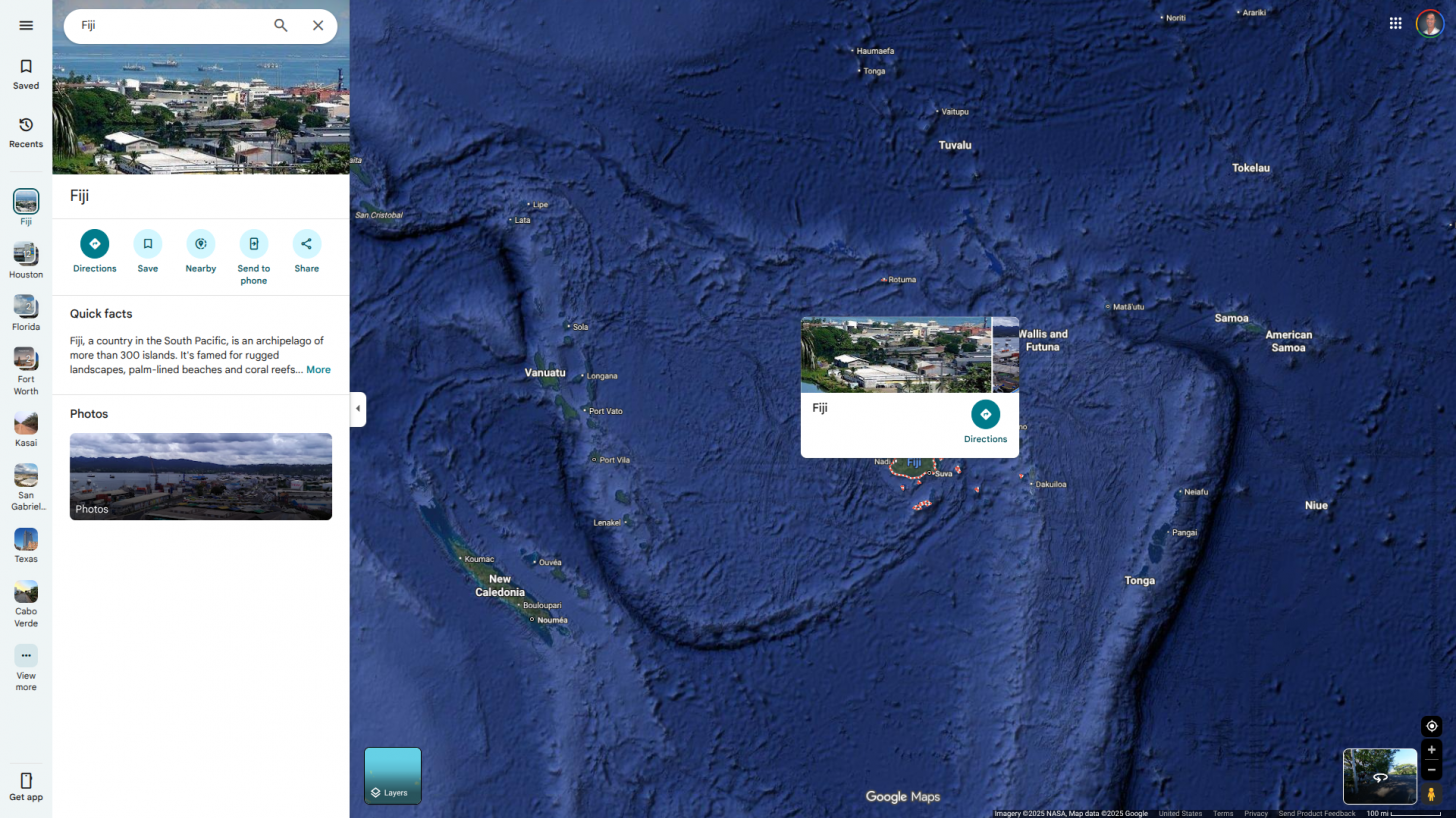
A recent update from a 2025 United Nations report has highlighted the dangers associated with unsafe practices among injecting drug users in Fiji, a popular tourist destination in the South Pacific.
This issue has contributed to a significant rise in new human immunodeficiency virus (HIV) infections. In January 2025, Fiji officially declared an HIV outbreak.
Preliminary data from the Fiji Ministry of Health for 2024 shows that around half of those receiving antiretroviral therapy contracted HIV through sharing needles.
According to the October 2025 report, there has been a 10-fold increase in people living with HIV in Fiji between 2014 (500 cases) and 2024 (5,900 cases).
The BBC reported in early October that assistant health minister Penioni Ravunawa warned Fiji may record more than 3,000 new HIV cases by the end of 2025.
"This is a national crisis," he said. "And it is not slowing down."
Underpinning Fiji's HIV epidemic is a trend of "bluetoothing".
Medical Services Pacific (MSP) stated this latter term refers to a practice where an intravenous drug user withdraws their blood after a hit and injects it into a second person, who may then do the same for a third, and so on.
MSP in Fiji is prepared to implement a needle–syringe program. The non-profit-making organization provides a broad range of sexual and reproductive health services. It is already supporting the scale-up of much-needed HIV prevention, testing, and linkages to care.
Beyond its clinics in Labasa, Lautoka, and Suva, it deploys an outreach team of clinicians and counselors to the field. A mobile clinic goes to hotspot areas to provide a package of HIV and noncommunicable disease services in areas with high levels of injecting drug use.
Beyond Fiji, the Global Fund supports HIV programs across 12 Pacific Island countries, where HIV prevalence remains relatively low.
HIV is a virus that weakens your immune system and increases your risk of serious illness. There's currently no cure, but with treatment, most people with HIV can live a long and healthy life, says the UK NHS.
AIDS (acquired immune deficiency syndrome) is the name for a collection of serious illnesses caused by the HIV. AIDS is now often called late-stage or advanced HIV. You cannot get HIV from kissing, hugging, or shaking hands, or from sharing toilet seats, food, drinks, or everyday household items like cups and cutlery, says the UK.
In 2024, 630,000 people died from AIDS-related causes, 61% of them in sub-Saharan Africa.
As of October 21, 2025, the U.S. CDC has not issued a Travel Health Notice regarding the HIV outbreak in Fiji, despite approximately 1 million people expected to visit this western Pacific archipelago this year.
Our Trust Standards: Medical Advisory Committee
-
Fact checked by Robert Carlson, MD